The Uninvited Guest: Why Your Shower Curtain Attracts Mildew Smell
Mildew, a type of mold, is a tenacious microorganism that loves damp, dark, and warm places. Your shower curtain provides the ideal breeding ground. Several factors contribute to its unwelcome appearance and the telltale musty odor that follows.
The Perfect Storm: Humidity and Darkness
Every time you shower, your bathroom transforms into a tropical microclimate. Steam saturates the air, clinging to surfaces, including your shower curtain. Mildew spores, which are omnipresent in the air, find these moist surfaces irresistible. When combined with the often dim lighting of a bathroom, especially when the shower curtain is drawn shut after use, it creates the perfect environment for these spores to settle, germinate, and flourish. They feed on moisture and any organic residues present, multiplying rapidly and emitting the characteristic smell.
Soap Scum: A Mildew Feast
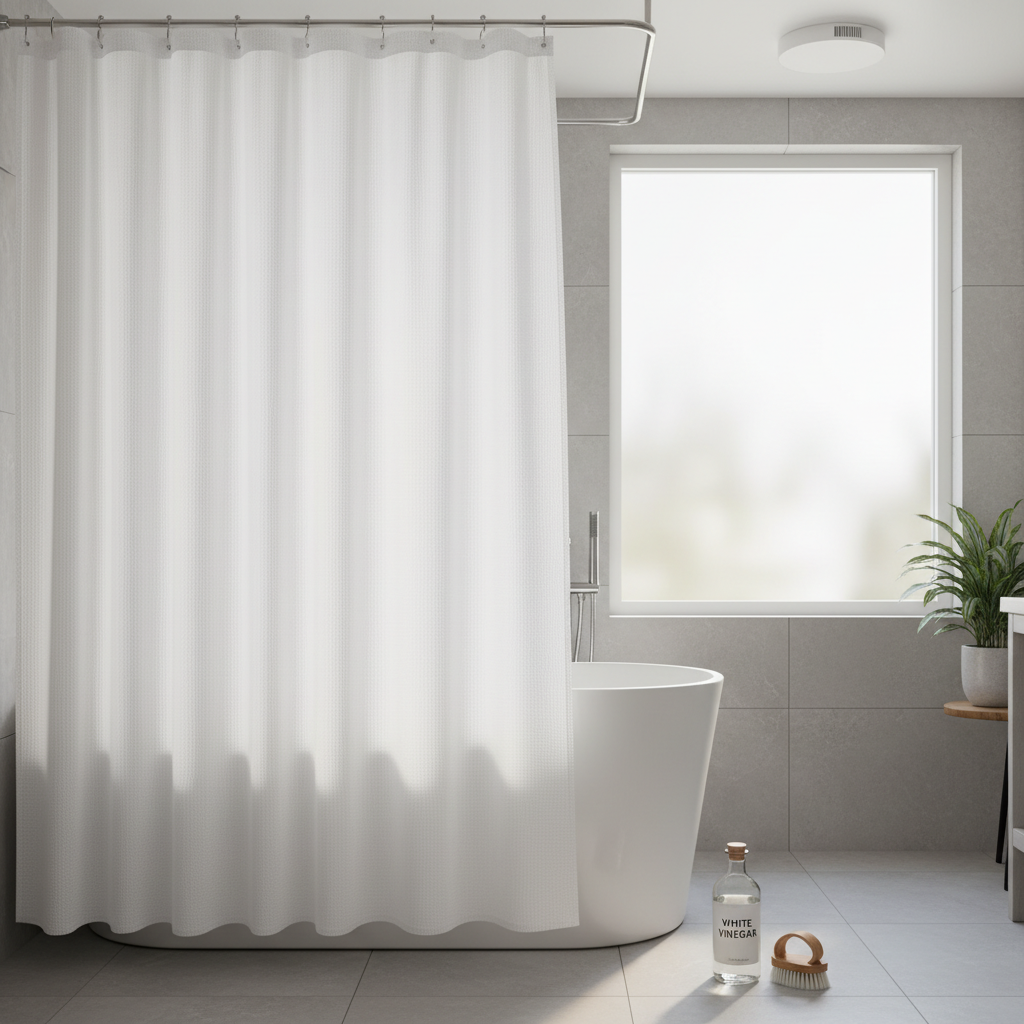
It might seem counterintuitive, but the very products you use to get clean can contribute to mildew growth. Soap scum, a combination of soap residue, body oils, and minerals from hard water, accumulates on your shower curtain. This residue isn’t just unsightly; it’s an organic food source for mildew. The fungi thrive on these deposits, turning your otherwise clean-looking curtain into a smorgasbord for growth. The more soap scum present, the happier the mildew will be, leading to a stronger, more pervasive smell.
Material Matters: Fabric vs. Vinyl
The material of your shower curtain plays a significant role in its susceptibility to mildew. Fabric curtains, often made of cotton, linen, or polyester, are absorbent. While breathable, if they don’t dry quickly and thoroughly, they can trap moisture within their fibers, becoming a prime location for mildew. Vinyl or PEVA (polyethylene vinyl acetate) liners, while less absorbent, can still develop mildew on their surfaces, especially in the creases or folds where water tends to pool and linger. The smooth surface of vinyl can make it easier to wipe clean, but it’s not entirely immune.
Poor Ventilation: The Silent Culprit
Perhaps the most critical factor contributing to mildew growth is inadequate ventilation. A well-ventilated bathroom allows moisture to escape, preventing it from settling on surfaces. If your bathroom lacks an exhaust fan, a window, or if you simply don’t use them effectively, that trapped humidity has nowhere to go. It hovers in the air, condenses on your shower curtain, and creates the perpetually damp conditions that mildew craves. Without proper airflow, drying times are extended, giving mildew ample opportunity to proliferate and deepen its hold on your curtain.
More Than Just a Smell: The Health Implications of Mildew
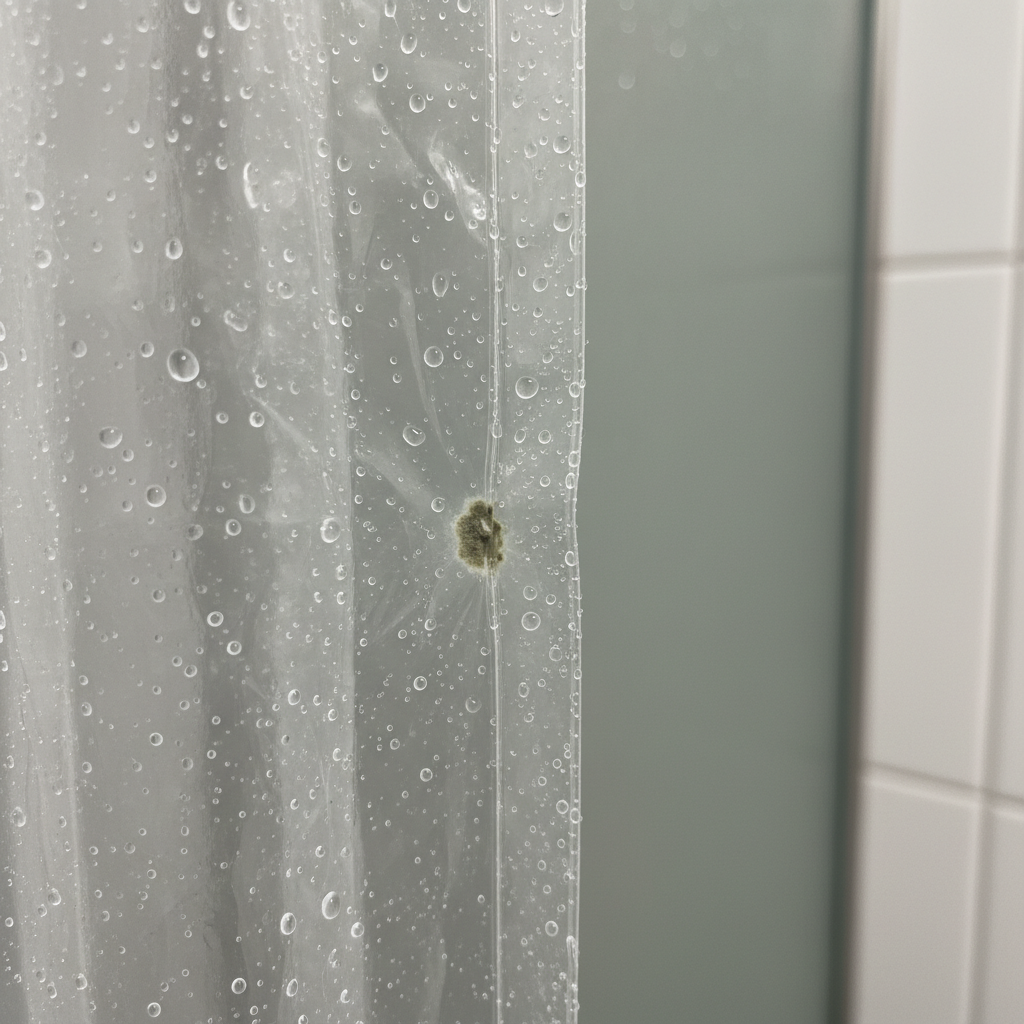
The musty smell emanating from your shower curtain is more than just an aesthetic problem; it can indicate potential health risks. Mildew and mold produce spores that, when inhaled, can trigger various reactions, especially in sensitive individuals. These reactions can range from mild irritations to more severe health issues.
- Allergies and Asthma: For people with allergies or asthma, inhaling mold spores can lead to sneezing, coughing, watery eyes, runny nose, skin rash, and even asthma attacks. The bathroom, being a high-humidity zone, is a common trigger location.
- Respiratory Issues: Even in individuals without pre-existing conditions, prolonged exposure to mold spores can cause respiratory symptoms, including congestion, sore throat, and wheezing.
- Skin Irritation: Direct contact with mildewed surfaces, even inadvertently, can sometimes cause skin rashes or irritation in sensitive individuals.
- Headaches and Fatigue: Some people report experiencing headaches, fatigue, and general malaise when living in environments with significant mold or mildew growth.
Addressing the mildew on your shower curtain is not just about freshness; it’s about creating a healthier living environment for you and your family.
Immediate Action: How to Get Rid of Mildew Smell on Your Shower Curtain
Once you’ve identified the source of that unpleasant odor, it’s time to take action. Thankfully, many effective methods can help you banish mildew and its smell from your shower curtain.
Machine Washing Your Shower Curtain
For fabric shower curtains and even some vinyl liners, the washing machine can be your best friend. Always check the care label first!
Steps for Fabric Curtains:
- Remove the Curtain: Take the curtain down from its hooks.
- Add Detergent: Place the fabric curtain in the washing machine with your regular laundry detergent.
- Boost Cleaning Power:
- Add ½ to 1 cup of white vinegar to the detergent dispenser during the wash cycle. Vinegar is a natural disinfectant and deodorizer.
- Alternatively, add ½ cup of baking soda to the wash cycle for extra deodorizing and cleaning power.
- For stubborn stains, you can add ½ cup of bleach during the wash cycle, but *only* if your curtain is white and bleach-safe. Never mix bleach with vinegar.
- Add Towels: For extra scrubbing action, throw in a couple of bath towels. Their abrasive texture helps to scrub the mildew away during agitation.
- Wash Cycle: Use a warm or hot water cycle, depending on the fabric’s care instructions.
- Rinse Thoroughly: Ensure the curtain is thoroughly rinsed to remove all detergent and cleaning agents.
- Dry Properly: Hang the curtain to air dry immediately. If using a dryer, tumble dry on a low setting or no heat, as high heat can set stains and damage the fabric. Better yet, hang it back up in the shower (with the shower door/curtain open) and let it air dry completely.
Steps for Vinyl/PEVA Liners:
While some vinyl liners can be machine washed on a gentle, cold cycle, many manufacturers advise against it due to the risk of creasing or damaging the material. If you choose to machine wash, follow these guidelines:
- Gentle Cycle: Use a gentle cycle with cold water.
- Add Detergent and Vinegar/Baking Soda: Use a mild detergent and add ½ cup of white vinegar or baking soda.
- No Bleach: Avoid bleach unless explicitly stated as safe, as it can degrade the vinyl.
- Air Dry ONLY: NEVER put a vinyl shower curtain in the dryer. The heat will melt or warp the material. Hang it back in the shower or on a clothesline to air dry completely.
Hand-Washing and Spot Treatment Methods
For those who prefer a more hands-on approach or have particularly stubborn spots, hand-washing can be very effective.
Vinegar Power:
Fill a spray bottle with undiluted white vinegar. Spray the mildewed areas liberally and let it sit for at least an hour. The acetic acid in vinegar helps to break down mildew. After soaking, scrub with a brush or sponge, then rinse thoroughly. Vinegar is safe for most fabrics and vinyl and is an excellent natural disinfectant.
Baking Soda Boost:
Make a paste with baking soda and a small amount of water. Apply the paste directly to the mildew spots. Let it sit for 15-30 minutes, then scrub gently with a brush or sponge. Rinse thoroughly. Baking soda is a mild abrasive and an excellent deodorizer.
Hydrogen Peroxide Punch:
For tougher stains, hydrogen peroxide (3% solution) can be effective. Spray or dab it onto the affected areas and let it sit for 10-15 minutes. Hydrogen peroxide is a bleaching agent, so test it on an inconspicuous spot first, especially on colored curtains. Rinse well afterward.
Bleach (Use with Caution!):
Bleach is a powerful mildew killer, but it must be used with extreme caution and only on white, bleach-safe fabrics or vinyl that explicitly state it’s safe. Dilute bleach with water (e.g., 1 part bleach to 4 parts water) and apply it to the mildew spots for a short period (5-10 minutes). Always wear gloves and ensure the bathroom is well-ventilated. Rinse meticulously. Never mix bleach with ammonia, vinegar, or any other cleaners, as this can create toxic fumes.
Natural Deodorizers for Lingering Odors
Even after cleaning, a faint musty smell might linger. Consider these natural solutions:
- Activated Charcoal: Place a bowl of activated charcoal near your shower curtain. It’s excellent at absorbing odors from the air.
- Baking Soda: A shallow dish of baking soda placed in the bathroom can also help neutralize lingering smells.
- Essential Oils: A diffuser with essential oils like tea tree, eucalyptus, or lavender can provide a fresh scent and some mild antimicrobial properties, though they won’t tackle the root cause of mildew.
Proactive Prevention: Stop Mildew Before It Starts
The best way to deal with mildew is to prevent it from forming in the first place. Incorporating a few simple habits and making smart choices can keep your shower curtain fresh and mildew-free.
Enhance Ventilation in Your Bathroom
Ventilation is paramount. After every shower:
- Use the Exhaust Fan: Turn on your bathroom exhaust fan before you shower and leave it running for at least 20-30 minutes after you’re done. This draws out humid air.
- Open a Window: If you have a bathroom window, open it slightly while showering and keep it open for a while afterward to allow fresh air circulation.
- Keep the Door Ajar: If neither of the above is an option, leave the bathroom door slightly ajar to allow some air exchange with drier rooms.
Choose the Right Shower Curtain Material
When replacing your curtain, consider materials that are less prone to mildew:
- Polyester: Often treated with water-repellent coatings, polyester fabric curtains dry faster and are generally machine-washable.
- PEVA/EVA: These vinyl alternatives are PVC-free, more environmentally friendly, and resist water absorption. Look for liners explicitly marketed as “mildew-resistant.”
- Hemp or Linen: While natural fibers, these can be more susceptible to mildew if not dried thoroughly. However, some treated versions are available.
The Importance of Proper Drying
This is perhaps the most crucial step. After every shower:
- Spread the Curtain Out: Always extend your shower curtain fully after use, rather than leaving it bunched up. This allows maximum surface area exposure to air, promoting quicker drying.
- Open the Liner: If you have a separate liner, ensure it’s also fully extended and not sticking to itself or the tub.
- Wipe Down: For vinyl liners, a quick wipe-down with a squeegee or a towel can remove excess water, drastically speeding up drying time.
Regular Cleaning is Key
Don’t wait for the mildew smell to appear. Implement a routine cleaning schedule:
- Weekly Wipes: Give your shower curtain liner a quick wipe-down with a damp cloth and an all-purpose bathroom cleaner or a vinegar solution once a week.
- Monthly Wash: Aim to machine wash fabric shower curtains monthly (or bi-weekly if you have heavy usage or high humidity).
- Spot Treat Promptly: If you see any small spots of mildew beginning to form, treat them immediately before they spread.
Consider Mildew-Resistant Sprays
Some commercial products are designed to create a barrier that inhibits mildew growth. These can be sprayed onto a clean shower curtain to provide an extra layer of protection, especially in consistently damp environments. Always ensure the product is safe for your curtain material and follow the manufacturer’s instructions.
When to Say Goodbye: Replacing Your Shower Curtain
Even with the best cleaning and prevention efforts, shower curtains don’t last forever. There comes a point where it’s more practical and hygienic to replace them. Consider replacing your shower curtain or liner if:
- Persistent Stains: Despite vigorous cleaning, stubborn mildew stains remain ingrained in the fabric or vinyl.
- Irreparable Damage: The curtain is torn, ripped, or the grommets are damaged, making it difficult to hang or clean effectively.
- Lingering Odor: Even after washing and drying, a faint musty smell persists, indicating deep-seated mildew that’s impossible to fully eradicate.
- Excessive Buildup: There’s a significant buildup of soap scum, hard water minerals, or mildew that is too extensive to remove.
As a general rule, shower curtain liners should be replaced every 6-12 months, while fabric curtains might last 1-2 years with proper care.
Choosing Your Next Curtain: Liners and Materials That Resist Mildew
Making an informed choice when purchasing a new shower curtain or liner can significantly impact how well it resists mildew. Look for features and materials designed for high-moisture environments.
Fabric Shower Curtains
- Polyester: This is a popular choice for fabric curtains. Look for ones treated with water-repellent finishes. They dry relatively quickly and are generally machine-washable.
- Hemp or Linen Blends: Some natural fibers are now available with treatments to make them more water and mildew-resistant. They offer a unique texture and aesthetic but might require more diligent drying.
Vinyl (PEVA/EVA) Liners
These are the workhorses of shower curtain systems, providing the waterproof barrier. PEVA (polyethylene vinyl acetate) and EVA (ethylene vinyl acetate) are preferred over traditional PVC vinyl as they are PVC-free, less toxic, and often more flexible.
- Heavy Gauge: Thicker liners tend to hang better and may resist creasing where water can pool.
- Weighted Hems/Magnets: Liners with weighted hems or magnets at the bottom help them stay in place against the tub, preventing water from escaping and also allowing them to dry more evenly.
- Antimicrobial Treatments: Many modern liners are infused with antimicrobial agents that actively inhibit mildew growth. This is a significant advantage in the fight against mildew.
Mildew-Resistant Options
When shopping, keep an eye out for curtains and liners explicitly labeled as “mildew-resistant,” “antimicrobial,” or “water-repellent.” These products are designed with features or treatments to reduce the likelihood of mildew growth. Pairing a mildew-resistant liner with a quick-drying fabric outer curtain is often the most effective combination.
Beyond the Curtain: Holistic Bathroom Mildew Control
While your shower curtain might be the primary offender, a holistic approach to bathroom cleanliness and moisture control will benefit your entire space and reduce the chances of mildew returning to any surface.
- Clean Grout and Tiles: Grout lines are notorious for trapping moisture and developing mildew. Regularly scrub grout with a specialized cleaner or a baking soda paste.
- Wipe Down Surfaces: After showering, quickly wipe down shower walls, the tub, and even the sink.
- Dry Bath Mats: Don’t leave damp bath mats on the floor. Hang them to dry or toss them in the laundry frequently.
- Check for Leaks: Ensure there are no leaky pipes or faucets contributing to excess moisture.
- Use a Dehumidifier: In particularly humid climates or bathrooms without adequate ventilation, a small dehumidifier can make a significant difference in reducing overall moisture levels.
- Empty Trash Cans: Regularly empty bathroom trash cans, especially if they contain damp items like used tissues or cotton balls.
By extending your efforts beyond just the curtain, you create an environment that actively discourages mildew growth throughout your bathroom, ensuring it remains a clean, fresh, and healthy sanctuary.
FAQs About Shower Curtain Mildew
How often should I clean my shower curtain?
Fabric shower curtains should ideally be washed every 2-4 weeks, depending on usage and humidity levels. Shower curtain liners, especially vinyl ones, can be wiped down weekly and machine-washed (if safe) or hand-scrubbed monthly. If you notice any spots or smells, clean immediately.
Can I put a vinyl shower curtain in the dryer?
No, generally not. The high heat of a dryer can melt, warp, or severely damage vinyl and PEVA/EVA materials. Always air dry vinyl liners by hanging them back in the shower or on a clothesline.
What’s the difference between mold and mildew?
Mildew is a common type of mold. Generally, mildew refers to specific types of fungi that grow on surfaces and are often powdery or fuzzy in appearance, starting as white, gray, or yellow and turning black or brown over time. Mold is a broader term encompassing all types of microscopic fungi. Mildew is usually easier to clean from surfaces than more pervasive, invasive forms of mold.
Are there any shower curtains that are truly mildew-proof?
While no shower curtain is 100% “mildew-proof” in all conditions (as spores are everywhere), many are designed to be “mildew-resistant” thanks to antimicrobial treatments and water-repellent materials. These options significantly reduce the likelihood of growth compared to untreated curtains, especially when combined with good ventilation and drying habits.
How can I improve bathroom ventilation without a window?
If you don’t have a window, ensure your exhaust fan is adequately sized for your bathroom and use it consistently during and after showers. Keep the bathroom door ajar to allow air circulation. Consider adding a small dehumidifier to help remove excess moisture from the air, especially in humid climates.
Conclusion: A Fresh Start for Your Bathroom
A shower curtain attracting mildew smell doesn’t have to be a permanent fixture in your home. By understanding the causes, implementing effective cleaning strategies, and adopting proactive prevention techniques, you can banish that musty odor and keep your bathroom feeling fresh and inviting. From optimizing ventilation to choosing the right materials and establishing a regular cleaning routine, every step you take contributes to a healthier, more pleasant environment. Embrace these tips, and say goodbye to mildew and hello to a sparkling, odor-free shower experience.