Why Do Shower Curtains Attract Mildew Smell?
Before we dive into solutions, let’s understand the root causes. Mildew, a type of mold, thrives in specific conditions that are often inadvertently created in our bathrooms. Your shower curtain, unfortunately, provides the perfect storm for its growth.
The Ideal Breeding Ground: Moisture and Warmth
Every time you take a shower, you’re essentially creating a mini tropical ecosystem. The warm water, steam, and confined space of your bathroom elevate both temperature and humidity. Water droplets cling to your shower curtain, and without proper drying, this moisture lingers. Mildew spores, which are ubiquitous in the air, find these damp, warm surfaces to be an irresistible invitation to settle down and multiply. The smell you detect is the result of these microorganisms metabolizing and releasing volatile organic compounds (VOCs).
Material Matters: Fabric vs. Vinyl/PEVA
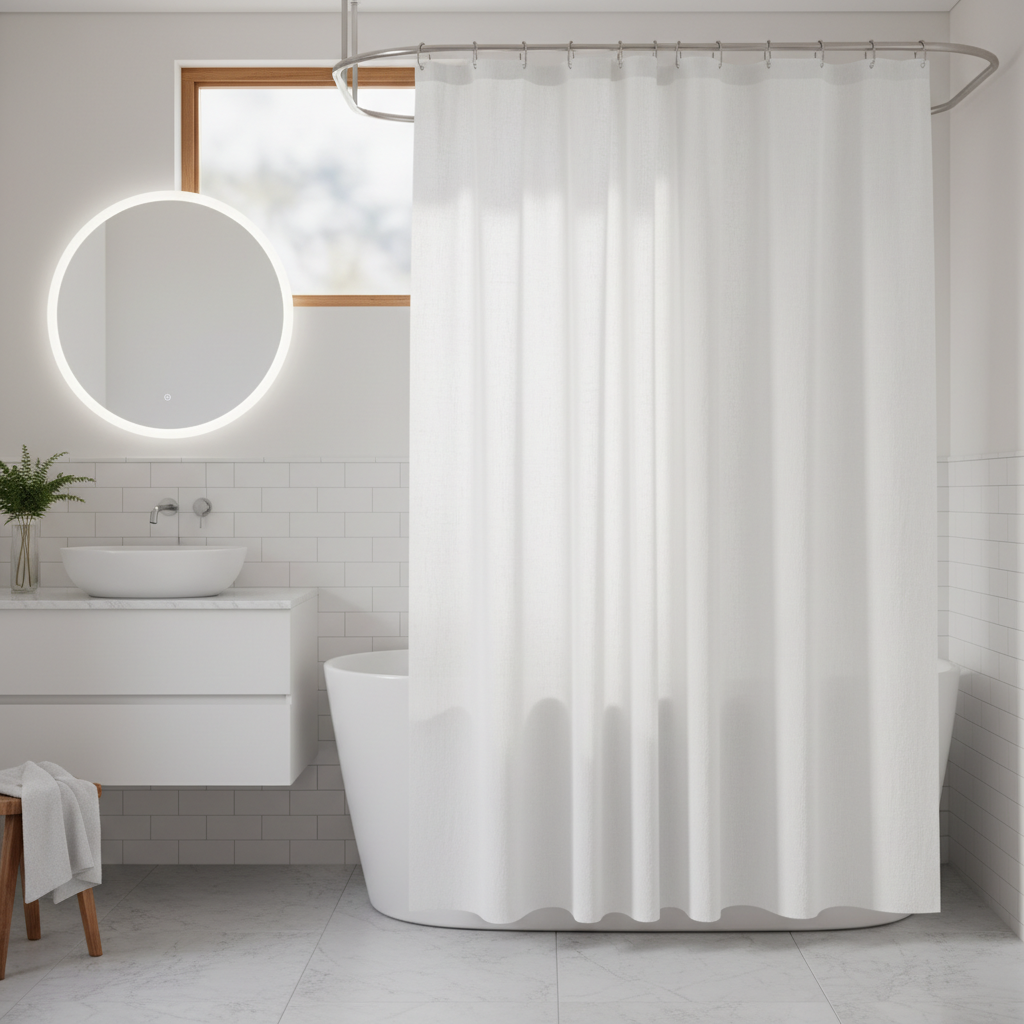
The type of material your shower curtain is made from plays a significant role in its susceptibility to mildew. Each material has its pros and cons:
- Fabric Curtains (Cotton, Linen, Hemp, Polyester): These are often more aesthetically pleasing and can feel luxurious. However, natural fibers like cotton are highly absorbent and can hold onto moisture for longer periods, making them more prone to mildew if not dried properly. Polyester, while more resistant, can still harbor mildew if consistently damp.
- Vinyl/PEVA Curtains (Plastic): These are waterproof and generally less expensive. While they don’t absorb water, the surface can still collect water droplets and soap scum, creating a slick film where mildew can easily grow. They are often easier to wipe clean but can also develop mildew quickly if not air-dried.
Lack of Ventilation: A Major Contributor
Poor ventilation is perhaps the biggest culprit behind a mildew-prone bathroom. If your bathroom lacks an exhaust fan, or if you don’t use it consistently, the humid air has nowhere to go. It condenses on cooler surfaces like walls, mirrors, and, of course, your shower curtain. Stagnant, moist air is precisely what mildew loves, allowing it to flourish and spread its characteristic musty odor.
Infrequent Cleaning: The Accumulation Factor
Even with good ventilation and the right material, infrequent cleaning will eventually lead to mildew. Over time, soap scum, body oils, and residual shampoo can build up on the shower curtain. This grime provides additional organic material for mildew to feed on, creating a more robust and stubborn growth that is harder to remove and contributes heavily to the persistent mildew smell.
Immediate Action: How to Get Rid of Mildew Smell from Your Shower Curtain
Once you’ve identified the source of the funk, it’s time to tackle it head-on. The cleaning method will depend largely on your shower curtain’s material.
The Washing Machine Method (for fabric)
Many fabric shower curtains, especially polyester, can be cleaned in a washing machine. Always check the care label first!
- Remove and Prepare: Take the curtain off its hooks. If it has a liner, remove that too (liners often need separate cleaning).
- Load the Machine: Place the fabric shower curtain in the washing machine. For extra cleaning power and to help scrub away mildew, add a couple of old bath towels to the load.
- Add Cleaning Agents:
- For mildew, add ½ to 1 cup of white vinegar to the detergent dispenser along with your regular laundry detergent.
- Alternatively, you can use ½ cup of baking soda in the wash cycle.
- For stubborn mildew or white/light-colored curtains, a small amount of non-chlorine bleach (oxygen bleach) can be added according to product instructions, but test a small, inconspicuous area first.
- Wash Cycle: Use a warm water setting on a gentle or delicate cycle. Hot water might set some stains or shrink certain fabrics.
- Dry Properly: Air dry immediately after washing. Hang the curtain back on the rod, fully extended, or hang it on a clothesline outdoors if possible. Do NOT put fabric shower curtains in the dryer unless the care label specifically permits it, as they can shrink or melt, especially polyester.
For more detailed tips on machine washing, check out expert advice on how to clean a shower curtain and liner.
Hand-Washing and Soaking (for vinyl/PEVA)
Plastic or vinyl shower curtains are generally not machine washable but are easy to clean by hand.
- Gather Supplies: You’ll need a large bucket or bathtub, warm water, mild dish soap or a specialized bathroom cleaner, white vinegar, and a soft brush or sponge.
- Soak: Fill the tub or bucket with warm water and add about 1 cup of white vinegar and a few drops of dish soap. Submerge the shower curtain completely. Let it soak for 30 minutes to an hour to loosen mildew and grime.
- Scrub: After soaking, lay the curtain flat or hang it over the tub. Use a soft brush or sponge to gently scrub away any visible mildew spots or soap scum. For tougher spots, a paste made of baking soda and a little water can be applied directly.
- Rinse Thoroughly: Rinse the curtain thoroughly with clean, warm water until all soap residue is gone.
- Air Dry: Hang the curtain back on its rod, fully extended, or outdoors to air dry completely before using the shower again.
Spot Treatment for Stubborn Stains
For persistent mildew spots that don’t come off with general cleaning, a targeted approach might be needed:
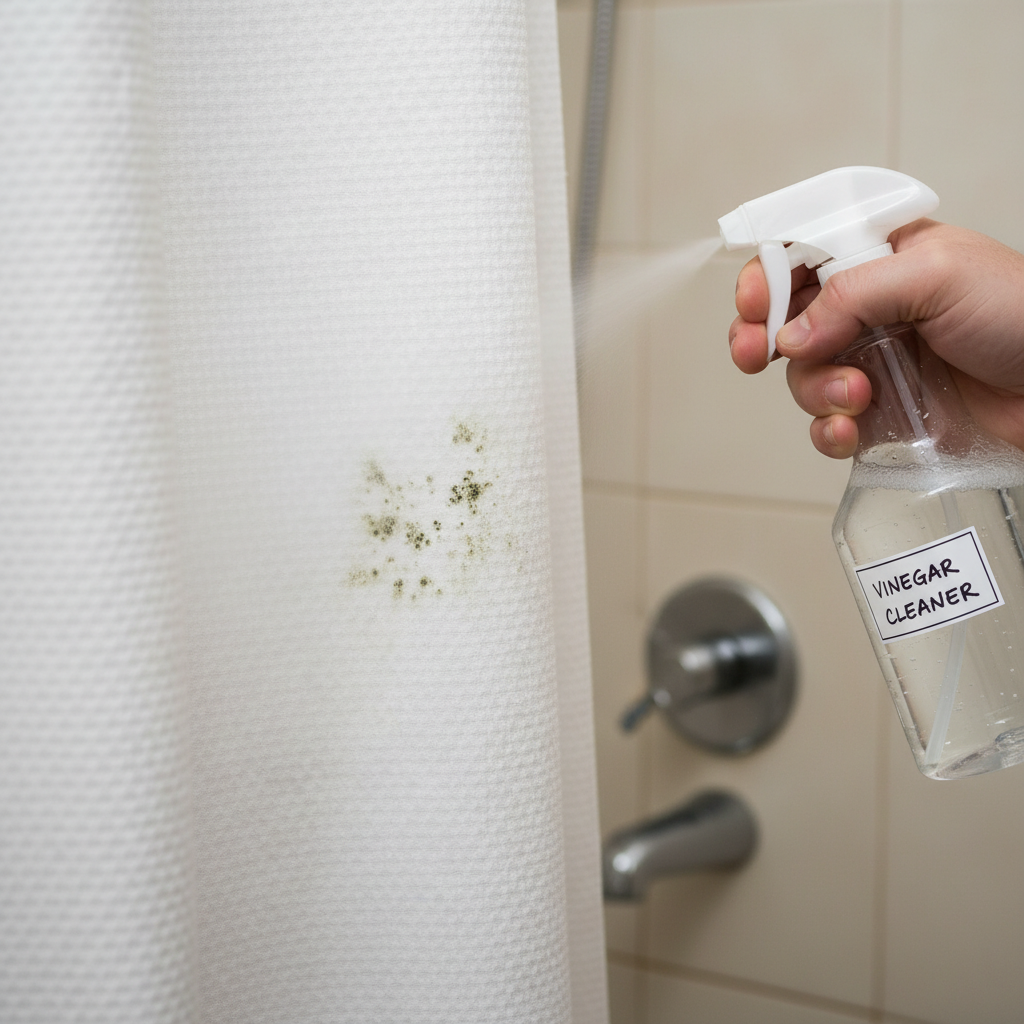
- Vinegar Spray: Mix equal parts white vinegar and water in a spray bottle. Spray directly onto the mildew spots, let it sit for 15-30 minutes, then scrub and rinse.
- Baking Soda Paste: Mix baking soda with a small amount of water to form a thick paste. Apply it directly to the mildew, let it sit for an hour, then scrub with a brush and rinse.
- Hydrogen Peroxide: A 3% hydrogen peroxide solution can be effective. Spray it directly onto the mildew, let it sit for 10-15 minutes, then scrub and rinse. Test on an inconspicuous area first, especially on colored curtains, as it can have a mild bleaching effect.
The Vinegar and Baking Soda Power Duo
White vinegar and baking soda are natural, non-toxic powerhouses against mildew and its smell. Vinegar is an acid that kills mold and mildew, while baking soda is an alkali that absorbs odors and provides a gentle abrasive for scrubbing. Using them together, either in the wash or as a pre-treatment, is highly effective.
Long-Term Prevention: Keeping Mildew Smell Away
Getting rid of the existing mildew is only half the battle. To prevent your shower curtain from attracting mildew smell again, you need to implement preventative measures.
Choose the Right Shower Curtain Material
When it’s time to replace your shower curtain, consider materials that are naturally more resistant to mildew or easier to clean:
- Polyester: Generally more mildew-resistant than cotton and often machine washable. Look for weaves that dry quickly.
- Nylon: Similar to polyester, it’s durable and dries relatively fast.
- PEVA/EVA: These are PVC-free plastic alternatives that are waterproof and easy to wipe down. They are a good choice for liners.
- Hemp: A natural fiber that is surprisingly mold-resistant due to its natural anti-microbial properties and quick-drying nature, though often more expensive.
Ensure Adequate Bathroom Ventilation
This is paramount. Without proper air circulation, moisture will linger.
- Use the Exhaust Fan: Turn on your bathroom exhaust fan before you shower and leave it running for at least 15-30 minutes after you’re done. This helps pull moist air out of the bathroom.
- Open Windows/Doors: If you don’t have an exhaust fan, or even if you do, crack a window slightly or leave the bathroom door ajar while and after showering to allow steam to escape and fresh air to circulate.
- Dehumidifier: In particularly humid climates or bathrooms with persistent moisture issues, a small dehumidifier can be a valuable investment.
Let Your Shower Curtain Air Dry Properly
After every shower, take a few seconds to extend your shower curtain fully across the rod. Do not leave it bunched up. This allows air to circulate around the entire surface, helping it dry faster and preventing moisture from getting trapped in folds where mildew loves to grow. If you have a fabric curtain, consider giving it a gentle shake to dislodge excess water.
Regular Cleaning Schedule is Key
Prevention means consistent effort. Establish a routine for cleaning your shower curtain:
- Weekly Wipes: For vinyl/PEVA curtains, give them a quick wipe down with a damp cloth or a vinegar-water solution once a week to remove soap scum and prevent mildew from taking hold.
- Monthly Wash: Fabric shower curtains should be machine-washed at least once a month, or more frequently if your bathroom is particularly humid or heavily used.
- Spot Clean: Address any visible mildew spots as soon as they appear, rather than letting them spread.
Consider a Shower Curtain Liner
A shower curtain liner is an invaluable tool in the fight against mildew. The liner is the part that actually goes inside the tub, protecting your decorative outer curtain from water and soap scum. It bears the brunt of the moisture and grime, allowing your outer curtain to remain dry and clean.
- Vinyl/PEVA Liners: These are waterproof, inexpensive, and easy to clean. Look for those treated with anti-microbial agents.
- Fabric Liners: Often made of treated polyester, these can be machine washable, offering a softer feel.
Always extend both the liner and the curtain after showering to dry. Liners typically need to be cleaned more frequently than outer curtains and should be replaced every few months or when they become too stained or damaged.
Keep Your Bathroom Dry
Beyond the shower curtain itself, maintaining a generally dry bathroom environment will help prevent mildew from flourishing anywhere.
- Wipe Down Surfaces: Quickly wipe down shower walls, tubs, and other wet surfaces after showering.
- Dry Bath Mats: Hang bath mats to dry thoroughly after use instead of leaving them bunched on the floor.
- Address Leaks: Fix any leaky faucets or pipes promptly, as continuous moisture will always attract mildew.
Beyond the Curtain: Other Sources of Bathroom Mildew
If you’ve cleaned your shower curtain and the musty smell still lingers, the mildew might have taken hold elsewhere in your bathroom. It’s crucial to address all sources to truly eliminate the odor.
Grout and Caulk
The porous nature of grout lines between tiles and the sealant properties of caulk around tubs and sinks make them prime locations for mildew growth. Regular scrubbing with a dedicated grout cleaner or a baking soda paste can keep them clean. Resealing caulk when it starts to crack or peel is also essential, as cracks allow water to seep behind surfaces.
Walls and Ceilings
In poorly ventilated bathrooms, moisture can condense on walls and ceilings, leading to black or pink mildew spots. Clean these areas with an anti-mildew spray or a solution of water and white vinegar. Consider using mildew-resistant paint in your bathroom to provide an extra layer of protection.
Bath Mats and Towels
Damp bath mats and towels left on the floor or bunched up become breeding grounds for mildew. Ensure you hang towels to dry completely after each use and wash bath mats frequently, preferably after every few uses, especially if they remain damp for long periods.
When to Replace Your Shower Curtain
Sometimes, no amount of cleaning can fully revive a shower curtain. If your curtain:
- Has pervasive, deeply embedded mildew stains that won’t come out.
- Is ripped, torn, or otherwise damaged.
- Has a permanent, lingering musty smell even after cleaning.
- Looks dingy, discolored, or brittle.
It’s time to replace it. For liners, this is typically every 3-6 months, depending on use and material. For outer fabric curtains, you might get a year or two out of them with proper care.
FAQs about Mildewy Shower Curtains
Q1: How often should I clean my shower curtain?
Fabric shower curtains should be washed monthly, or more frequently in humid environments or with heavy use. Vinyl/PEVA liners should be wiped down weekly and thoroughly cleaned bi-weekly to monthly, and replaced every 3-6 months.
Q2: Can I use bleach on my shower curtain?
Chlorine bleach can be very effective at killing mildew, but it should be used with caution. It’s generally safe for white cotton or polyester curtains. However, it can damage or discolor colored fabrics and most vinyl/plastic materials. Always test a small, inconspicuous area first and consider non-chlorine (oxygen) bleach as a safer alternative for colors.
Q3: What’s the best material to prevent mildew?
Polyester and nylon are good choices for fabric curtains due to their quick-drying properties and durability. For liners, PEVA/EVA are excellent waterproof options that are easy to wipe clean. Natural hemp also has inherent anti-microbial qualities, though it’s less common and more expensive.
Q4: Does opening a window really help?
Absolutely! Opening a window or using an exhaust fan is one of the most effective ways to reduce humidity in your bathroom, which is the primary driver of mildew growth. Good ventilation allows moist air to escape and be replaced by drier air, helping surfaces, including your shower curtain, dry faster.
Q5: Is mildew on a shower curtain harmful?
While a small amount of mildew might not pose an immediate health threat to everyone, it can cause problems for sensitive individuals. Mildew spores can trigger allergies, asthma attacks, and other respiratory issues. The musty smell itself is a sign of poor air quality. Therefore, it’s always best to remove mildew promptly to maintain a healthy home environment.
A fresh, clean shower curtain makes a huge difference in the overall feel and scent of your bathroom. By understanding why your shower curtain attracts mildew smell and consistently applying these cleaning and preventative measures, you can say goodbye to musty odors and enjoy a sparkling, healthy bathroom every day. Remember, a little effort goes a long way in keeping your home hygienic and inviting.