Understanding the Enemy: Why Shower Curtains Attract Mildew
Before we dive into solutions, it’s crucial to understand why your shower curtain becomes such a magnet for mildew. It’s a perfect storm of environmental factors and material properties.
The Role of Humidity and Moisture
The bathroom is inherently the most humid room in your home. Every shower releases warm, moist air, creating an ideal breeding ground for fungi. Your shower curtain, constantly exposed to water and steam, rarely gets a chance to dry completely between uses, especially if it’s bunched up or left untreated. This prolonged dampness is the primary invitation for mildew spores to settle and flourish.
Poor Ventilation: A Mildew Paradise
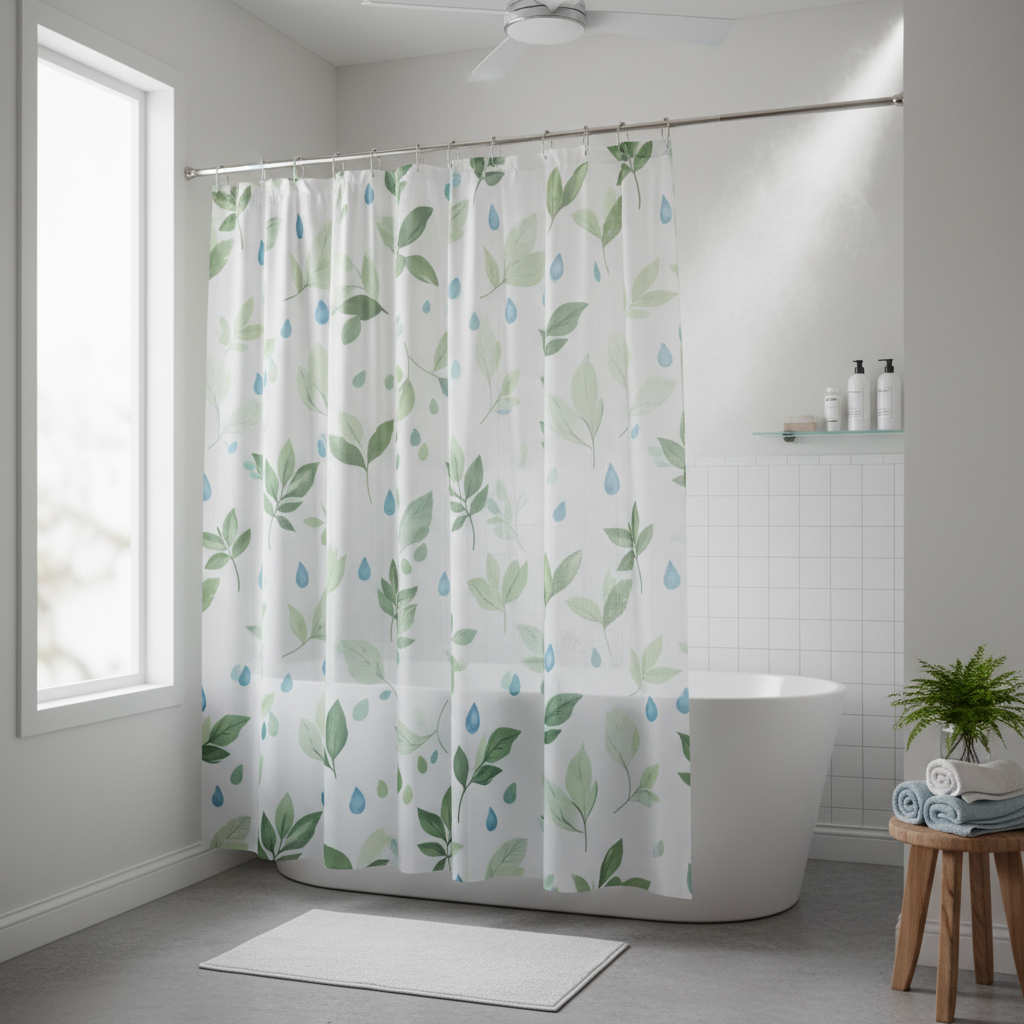
Ventilation is key to combating humidity. Many bathrooms, particularly older ones or those without adequate exhaust fans, suffer from poor air circulation. Without a way for moist air to escape, it lingers, condensing on surfaces like your shower curtain, walls, and ceiling. This trapped moisture significantly accelerates mildew growth.
Shower Curtain Material Matters
Not all shower curtains are created equal when it comes to mildew resistance. Certain materials are more porous and absorbent, holding onto moisture longer. Fabric curtains, while aesthetically pleasing, can be particularly susceptible if not properly cared for. Even plastic liners can develop mildew if they aren’t regularly cleaned or allowed to dry.
Infrequent Cleaning and Maintenance
The simple truth is that shower curtains, like any other bathroom fixture, need regular cleaning. Neglecting to wash or wipe down your curtain allows mildew spores to accumulate, establish colonies, and eventually produce that distinctive musty odor. Think of it as a silent, creeping invasion that grows stronger with every neglected day.

Mildew vs. Mold: Is There a Difference?
While often used interchangeably, mildew and mold are both types of fungi, but they have subtle differences. Mildew typically refers to specific types of fungi that grow on flat, moist surfaces. It usually appears as a flat, powdery white, gray, or yellowish growth that often turns black or dark brown over time, accompanied by a distinctive musty odor. Mold, on the other hand, can be fuzzy, slimy, or even velvety, and comes in a wider range of colors, often growing into deeper surfaces and potentially causing more significant structural damage or health issues. For the purposes of a shower curtain, the musty smell and surface-level growth you typically encounter are almost always mildew. Addressing mildew early can prevent it from escalating into more pervasive mold issues.
Immediate Action: Eradicating Existing Mildew Smell
If your shower curtain already has that tell-tale musty scent, it’s time for a deep clean. Don’t just mask the smell; eliminate the source.
Machine Washing Your Shower Curtain
Good news: most fabric and even many plastic (PEVA/EVA) shower curtains and liners can be machine washed. Always check the care label first, but here’s a general approach:
- For Fabric Curtains:
- Remove the curtain from the hooks.
- Place it in the washing machine with a few old towels. The towels act as scrubbers, helping to dislodge mildew and dirt without damaging the curtain.
- Add your regular laundry detergent.
- For an extra boost against mildew, add half a cup of baking soda to the wash cycle and half a cup of white vinegar to the rinse cycle (or the fabric softener dispenser). Do not mix vinegar and bleach directly.
- Wash on a warm or hot water cycle, depending on the fabric’s care instructions.
- For Plastic/Vinyl (PEVA/EVA) Liners:
- These can often be machine washed on a gentle cycle with cold water. Again, add old towels to aid in scrubbing.
- Use a mild detergent and, optionally, half a cup of white vinegar. Avoid bleach, as it can degrade plastic over time.
- For stubborn stains, a pre-soak in a tub with warm water and a cup of vinegar can help.
Hand Washing and Spot Cleaning
If your curtain isn’t machine washable, or if you prefer a more targeted approach for minor mildew spots:
- Vinegar Solution: Mix equal parts white vinegar and warm water in a spray bottle. Spray directly onto affected areas, let it sit for 15-30 minutes, then scrub with a brush or sponge. Rinse thoroughly.
- Baking Soda Paste: For tougher spots, create a paste with baking soda and a small amount of water. Apply it to the mildew, let it sit for an hour, then scrub and rinse.
- Hydrogen Peroxide: A 3% hydrogen peroxide solution can be effective. Spray it directly on mildew and let it sit for 10 minutes before scrubbing and rinsing. It’s a good alternative to bleach for colored fabrics.
- Bleach (Use with Caution): For white or very light-colored fabric or plastic curtains with severe mildew, a diluted bleach solution (1/4 cup bleach per gallon of water) can be used. Apply with a sponge, let sit briefly (no more than 5-10 minutes), then rinse thoroughly. Always test in an inconspicuous area first, wear gloves, and ensure good ventilation. Never mix bleach with ammonia or vinegar.
Drying Your Shower Curtain Properly
This step is critical to preventing immediate re-growth. After washing:
- Fabric Curtains: Tumble dry on a low heat setting, or hang to air dry. If air drying, ensure it’s fully extended and in a well-ventilated area.
- Plastic/Vinyl Liners: NEVER put plastic liners in the dryer, as they can melt. Hang them immediately over the shower rod or a clothesline, fully extended, in a well-ventilated space. You can also wipe them down with a clean, dry towel.
For more detailed tips on deep cleaning, Good Housekeeping offers excellent advice on cleaning shower curtains to tackle even the most stubborn grime and mildew.
Proactive Prevention: Stopping Mildew Before It Starts
Once you’ve cleaned your curtain, the goal is to keep it mildew-free. Prevention is far easier than remediation.
Maximize Bathroom Ventilation
This is arguably the most important preventative measure.
- Use Your Exhaust Fan: Turn on your bathroom exhaust fan before you shower and leave it running for at least 15-30 minutes after you’re done. This draws out moist air.
- Open a Window: If you have a bathroom window, open it a crack during and after your shower to allow fresh air in and moist air out.
- Keep Bathroom Door Ajar: If safe and private, leaving the bathroom door slightly open can help air circulate.
Dry Your Shower Curtain After Every Use
This simple habit makes a massive difference. After showering:
- Extend the Curtain: Pull the shower curtain fully extended along the rod. Don’t leave it bunched up at one end. This allows air to circulate around both sides and helps it dry faster.
- Wipe Down the Bottom: Quickly run a squeegee or a dry towel along the bottom foot or two of the curtain, where water tends to collect and mildew most frequently starts.
Choose Mildew-Resistant Shower Curtain Materials
When it’s time for a new curtain, consider materials designed to resist mildew.
- PEVA/EVA: These are PVC-free plastic alternatives that are naturally water-repellent and less prone to mildew than traditional vinyl if maintained. They are also considered safer for air quality.
- Polyester: Many polyester curtains are treated with water-resistant coatings and dry quickly. Look for “water-repellent” or “mildew-resistant” descriptions.
- Fabric Liners: Some fabric liners are specifically designed to be quick-drying and mildew-resistant, often featuring antimicrobial treatments.
Implement a Regular Cleaning Schedule
Even with daily drying, a shower curtain needs routine cleaning to remove soap scum, body oils, and residual mildew spores.
- Weekly Wipe-Down: Quickly wipe down the inside of your curtain with an all-purpose bathroom cleaner or a vinegar solution during your weekly bathroom clean.
- Monthly Wash: Aim to machine wash your fabric curtain or plastic liner monthly, or at least every 6-8 weeks, following the instructions above.
Consider Mildew-Resistant Sprays
For an added layer of protection, you can purchase or make your own mildew-resistant sprays. These often contain mild antifungal agents that deter growth. Always ensure the product is safe for your curtain material and follow instructions carefully.
Maintain a Clean Shower Environment
Mildew on your shower curtain doesn’t exist in a vacuum. Keeping your entire shower area clean helps prevent spores from spreading.
- Clean Tiles and Grout: Regularly scrub shower tiles and grout to remove soap scum and mildew.
- Squeegee Walls: Use a squeegee on shower walls after each use to remove water.
- Wipe Down Fixtures: Keep shower heads, faucets, and soap dishes clean and dry.
Choosing the Best Shower Curtain for a Mildew-Free Bathroom
Your choice of shower curtain and liner can significantly impact your battle against mildew. Here’s a deeper dive into materials:
Plastic (PEVA/EVA) Liners
- Pros: Excellent water repellency, inexpensive, easy to wipe clean, generally machine washable on gentle cycle (check label), no PVC (unlike older vinyl).
- Cons: Can feel stiff or cheap, prone to creasing, may still develop mildew at the bottom if not properly dried or cleaned.
- Best For: Budget-conscious homeowners, those who prioritize easy cleaning and quick drying.
Polyester Fabric Curtains and Liners
- Pros: Softer drape, more aesthetically pleasing than plastic, many are water-repellent or have antimicrobial treatments, often machine washable.
- Cons: Can be more expensive, some may absorb more moisture if not specifically treated, may require more frequent washing than plastic.
- Best For: Those who want a balance of aesthetics and functionality, and are committed to regular washing.
Cotton or Hemp Fabric Curtains
- Pros: Natural fibers, luxurious feel, breathable, environmentally friendly.
- Cons: Highly absorbent, very prone to mildew if not used with a separate waterproof liner and dried meticulously. Requires more diligent care.
- Best For: Those who prefer natural materials and are prepared to pair with a good liner and commit to meticulous maintenance.
The Two-Part System: Fabric Curtain + Plastic/Polyester Liner
This is often the most effective strategy. A decorative outer fabric curtain provides style, while a functional inner liner handles the water. The liner can be easily removed and washed or replaced more frequently than the outer curtain, providing a strong barrier against mildew.
- Liner Choice: Opt for a PEVA/EVA or treated polyester liner for the best mildew resistance.
- Maintenance: Focus your daily drying efforts on the liner, and wash it regularly. The outer curtain will require less frequent washing.
Advanced Tips for a Permanently Fresh Bathroom
Beyond the shower curtain, a holistic approach to bathroom freshness will further deter mildew.
Dehumidifiers
In extremely humid climates or bathrooms with persistent moisture issues, a small bathroom dehumidifier can work wonders. It actively removes moisture from the air, reducing the overall humidity levels that mildew thrives on.
Air Circulators and Fans
Even outside of shower time, ensuring some air movement in your bathroom can help. A small fan running periodically, or simply keeping the bathroom door open when not in use, can prevent stagnant, moist air from settling.
Natural Air Purifiers
Certain plants, like Boston ferns or peace lilies, can help absorb some airborne moisture and toxins, contributing to better air quality. Ensure they are suitable for high-humidity environments.
Regular Deep Cleaning of the Entire Bathroom
Remember that mildew spores are airborne. If your grout, corners, or ceiling have mildew, those spores will inevitably find their way to your shower curtain. A thorough, regular cleaning of all bathroom surfaces is crucial for overall mildew prevention.
Common Myths About Mildew and Shower Curtains
Let’s debunk a few misconceptions that might be hindering your efforts:
- Myth: Bleach is the ultimate mildew killer for everything.
Reality: While effective on white fabrics and certain plastics, bleach can damage colored fabrics, degrade plastic liners over time, and is a harsh chemical. Vinegar, baking soda, and hydrogen peroxide are often safer and gentler alternatives, especially for regular cleaning.
- Myth: Only cheap plastic liners get mildew.
Reality: Any shower curtain, regardless of cost or material, can develop mildew if it’s not properly dried and cleaned. Natural fibers like cotton are particularly susceptible if not paired with a good liner and meticulously cared for.
- Myth: Air drying is always enough.
Reality: While air drying is essential, simply letting a curtain hang bunched up will not allow it to dry completely, especially in high humidity. It needs to be fully extended and, ideally, in a well-ventilated space to dry thoroughly.
- Myth: Mildew is just cosmetic and doesn’t matter.
Reality: Mildew indicates the presence of fungal growth, which can release spores into the air. For sensitive individuals, this can trigger allergies, asthma, or other respiratory issues. Plus, it just makes your bathroom smell bad!
Frequently Asked Questions About Shower Curtain Mildew
How often should I clean my shower curtain?
Fabric shower curtains should be machine washed monthly, or every 2-4 weeks if used daily by multiple people. Plastic liners can be wiped down weekly and machine washed (if allowed) or hand-scrubbed monthly. Daily extension and occasional wiping are key between washes.
Can I put a plastic shower curtain in the washing machine?
Many modern PEVA/EVA plastic liners can be machine washed on a gentle cycle with cold water. Always check the care label. Avoid hot water and dryers, as they can melt or damage the plastic.
Is mildew on a shower curtain harmful?
While often just unsightly and smelly, mildew can release spores that may cause respiratory irritation, allergic reactions, or trigger asthma symptoms in sensitive individuals. It’s always best to remove it promptly.
What’s the best way to dry a shower curtain after showering?
Always pull the curtain fully extended along the rod to allow maximum air exposure on both sides. If possible, wipe down the bottom edge with a dry cloth or squeegee. Ensure your bathroom is well-ventilated.
Are certain colors more prone to showing mildew?
Mildew is typically dark in color (black, gray, dark brown), so it will be more noticeable on lighter-colored curtains. However, it will grow on any color curtain; it just might be harder to spot on darker ones until the smell becomes prominent.
Conclusion
A shower curtain attracting mildew smell is a solvable problem, not a permanent fixture in your bathroom. By understanding the causes, adopting a consistent cleaning routine, choosing appropriate materials, and focusing on excellent ventilation, you can transform your bathroom into a fresh, inviting space. Implement these strategies, and you’ll not only banish that musty odor but also create a healthier, more pleasant environment for yourself and your household. Say goodbye to the funk and hello to a perpetually fresh bathroom!