Discovering roof deck soft spots can be an unsettling experience for any homeowner. Whether your roof deck serves as a vibrant outdoor living space, a serene rooftop garden, or simply the protective cap for your home, its structural integrity is paramount. Soft spots are more than just a minor inconvenience; they are often tell-tale signs of underlying damage that, if left unaddressed, can lead to significant structural failure, costly repairs, and even safety hazards. This guide will walk you through everything you need to know about identifying, understanding, and effectively dealing with roof deck soft spots, ensuring the longevity and safety of your valuable outdoor asset.
What Exactly Are Roof Deck Soft Spots? Understanding the Warning Signs
At its core, a soft spot on a roof deck refers to an area that feels spongy, yielding, or weak when pressure is applied, such as when you walk across it. Unlike firm, solid decking, these areas indicate a compromise in the material’s integrity beneath the surface. While the visible top layer of your deck might appear perfectly fine, the underlying structure – be it plywood, oriented strand board (OSB), or other decking materials – has likely suffered damage. This damage is almost always related to moisture intrusion, which leads to the deterioration of the wood or other core materials.
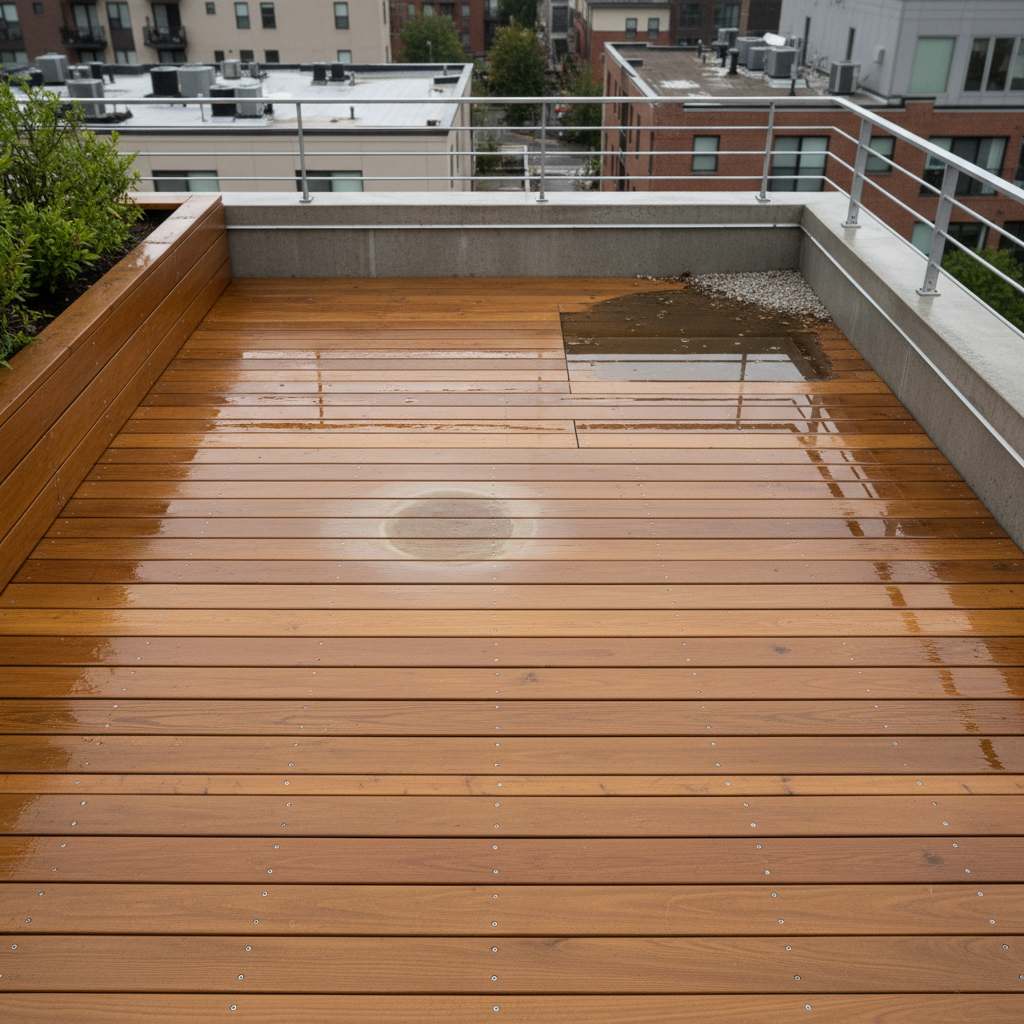
Think of it as the tip of an iceberg: the soft spot you feel is just the outward manifestation of a potentially larger problem beneath your feet. Understanding what causes these spots is the first step toward effective remediation.
Why Do Roof Deck Soft Spots Occur? The Root Causes of Weakness
The primary culprit behind roof deck soft spots is almost invariably water. However, the ways in which water can infiltrate and damage your deck are varied and complex. Identifying the specific cause is crucial for a lasting repair.
1. Water Intrusion: The Main Adversary
Water is essential for life, but it’s an enemy of most building materials, especially wood, when it seeps where it doesn’t belong. Several scenarios can lead to water intrusion:
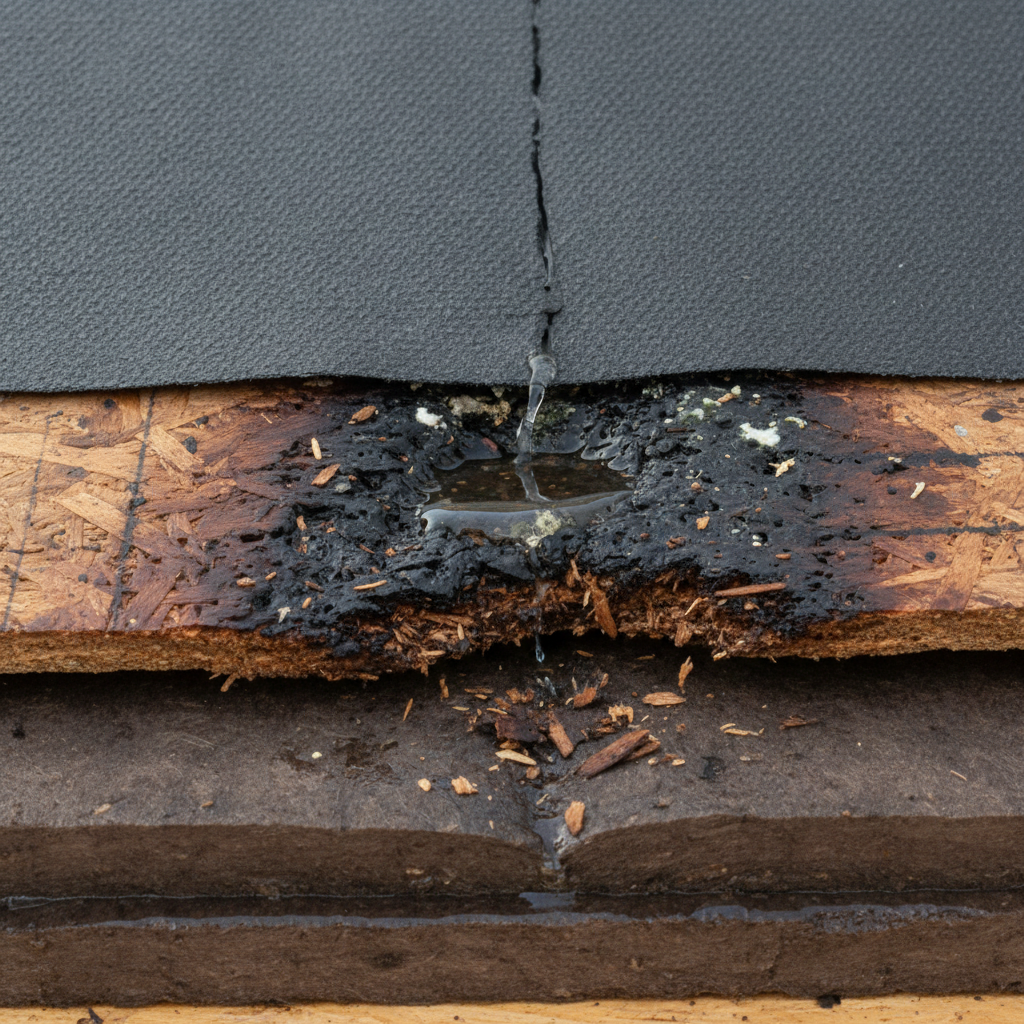
- Leaky Membranes or Sealants: The waterproof membrane or sealant layer is the first line of defense for your roof deck. Over time, due to sun exposure, foot traffic, or poor initial installation, this membrane can crack, tear, or degrade. Even tiny pinholes can allow water to penetrate, slowly saturating the underlying decking.
- Poor Drainage: If your roof deck doesn’t have adequate slope or properly functioning drainage systems (like gutters, scuppers, or drains), water can pool on the surface. Stagnant water significantly increases the chances of infiltration through seams, cracks, or compromised flashing. Clogged drains or debris can exacerbate this problem.
- Flashing Failures: Flashing, which protects joints and transitions (e.g., where the deck meets a wall or chimney), is critical for preventing water entry. Damaged, improperly installed, or aged flashing can create direct pathways for water to seep into the deck structure.
- Ice Dams: In colder climates, ice dams can form along the edges of the roof deck. These dams prevent melting snow from draining properly, causing water to back up and push underneath shingles, membranes, or flashing, leading to hidden water damage.
2. Material Degradation: Time and Elements at Play
Even without direct water leaks, the materials themselves can break down:
- Aging Wood: Over many years, even pressure-treated wood can lose its structural integrity, especially if it’s consistently exposed to cycles of wetting and drying, or if its protective treatments wear off. UV radiation from the sun can also degrade wood fibers over time, making them more susceptible to moisture damage.
- Termites and Pests: While less common as a primary cause of soft spots on an active roof deck (as opposed to an attic), wood-boring insects like termites, carpenter ants, or powderpost beetles can severely compromise the structural elements of your deck. Their tunneling creates voids and weakens the wood, making it spongy. These infestations often thrive in damp, dark environments, linking back to moisture problems.
- Fungal Growth and Rot: Constant moisture, especially in warm temperatures, creates an ideal breeding ground for fungi that cause wood rot (e.g., dry rot, wet rot). These organisms literally consume the cellulose in the wood, turning it into a soft, crumbly, or stringy mass.
3. Structural Issues: Beyond the Surface
Sometimes, soft spots aren’t just about water or material decay, but fundamental structural flaws:
- Improper Installation: If the original deck was not constructed to code, or if inadequate materials or fasteners were used, it could be inherently weak. This might include insufficient joist spacing, incorrect decking material thickness, or a lack of proper support.
- Overloading: While rare for typical foot traffic, excessively heavy loads – such as large hot tubs, heavy planters, or numerous people during a party – can strain a deck beyond its structural capacity, especially if the underlying supports are already compromised.
Identifying Soft Spots: Early Detection is Key
The sooner you detect a soft spot, the less extensive and costly the repairs are likely to be. Regular inspections are your best defense.
1. Visual Inspection: What Can Your Eyes Tell You?
- Stains and Discoloration: Look for water stains, dark patches, or streaks on the decking surface or on the ceiling directly below the deck (if applicable). These are clear indicators of water ingress.
- Sagging or Warping: Notice any areas where the deck surface visibly sags, dips, or appears uneven. Warped planks or bubbling in a membrane also point to moisture issues.
- Mold or Mildew Growth: Black, green, or white fuzzy patches on the deck surface or nearby walls signal a persistent moisture problem. The presence of mold often means the wood underneath is already compromised.
- Cracks or Gaps: Inspect the waterproof membrane, flashing, and sealant for any cracks, tears, or openings that could allow water to penetrate.
- Loose or Protruding Fasteners: Nails or screws that have popped up might indicate movement or deterioration in the underlying wood.
2. Tactile Inspection: The “Bounce Test”
This is the most direct way to identify roof deck soft spots. Walk across your entire deck, paying close attention to how the surface feels underfoot. Apply firm pressure with your heel. A healthy deck will feel solid and unyielding. A soft spot will feel spongy, bouncy, or may even creak or crackle. Test different areas, especially near walls, railings, and drains, which are common points of water entry.
3. Odor Detection: Follow Your Nose
A persistent musty or earthy smell on or around your deck, especially after rain, is a strong indicator of mold, mildew, or rot. These odors are produced by fungi breaking down organic matter and are a clear sign of chronic moisture issues.
4. Professional Inspection Tools: For a Deeper Dive
While DIY methods are great for initial checks, professionals often use specialized tools for accurate diagnosis:
- Moisture Meters: These devices can accurately measure the moisture content within the decking materials, even below the surface, helping to pinpoint hidden wet areas.
- Infrared Cameras: Thermal imaging can detect temperature differences that indicate areas of trapped moisture, as wet materials heat and cool differently than dry ones.
- Borescopes: Small, flexible cameras can be inserted into tiny drilled holes to inspect interior spaces without significant demolition.
The Dangers of Neglecting Soft Spots: More Than Just a Nuisance
Ignoring roof deck soft spots is akin to ignoring a flickering engine light in your car. What starts as a minor issue can quickly escalate into a catastrophic problem.
1. Safety Hazards: The Risk of Collapse
This is the most severe danger. A significantly rotted or weakened deck can collapse under the weight of people, furniture, or heavy snow. This can lead to serious injuries or even fatalities. The structural integrity of a roof deck is directly tied to the safety of anyone using it.
2. Extensive Structural Damage to Your Home
A roof deck is an integral part of your home’s structure. Water penetrating through a soft spot doesn’t stop at the deck; it can leak into the underlying ceiling, walls, and even the foundation of your house. This can lead to:
- Damaged ceilings and interior finishes.
- Compromised structural beams and joists.
- Electrical hazards if water reaches wiring.
- Weakened foundations.
3. Health Risks: The Silent Threat of Mold
Chronic moisture leads to mold and mildew growth. Beyond the unpleasant odor, certain types of mold can release spores that cause respiratory problems, allergies, asthma attacks, and other health issues, particularly for sensitive individuals or those with compromised immune systems.
4. Diminished Property Value
A damaged roof deck is an immediate red flag for potential buyers. It suggests neglect and likely indicates more extensive problems within the property, significantly lowering its market value. Furthermore, insurance companies may refuse coverage or deny claims if issues stem from prolonged neglect.
DIY or Professional? Assessing the Scope of the Problem
Deciding whether to tackle roof deck soft spots yourself or hire a professional depends heavily on the extent and cause of the damage.
When to Consider DIY (with caution):
- Small, Isolated Surface Issues: If you’re dealing with a very small, superficial soft spot that’s clearly caused by a localized, easily identifiable issue (e.g., a single small crack in a sealant that you can patch), and the underlying wood appears minimally affected, a DIY repair might be feasible.
- Minor Drainage Corrections: Clearing clogged gutters or repositioning a downspout is typically within a homeowner’s capability.
However, even minor repairs require a good understanding of roofing and decking principles, proper safety gear, and the right tools.
When to Call a Professional:
- Extensive Soft Spots: If you find multiple soft spots, or a large area of the deck feels compromised, it’s almost certainly indicative of widespread water damage and structural issues.
- Uncertainty About the Cause: If you can’t pinpoint the source of the water intrusion, a professional has the expertise and tools to diagnose it accurately.
- Structural Concerns: Any doubt about the integrity of the deck’s support structure (joists, beams) warrants immediate professional attention. These are critical load-bearing elements.
- Complex Roofing Systems: Roof decks often involve specialized waterproofing membranes, flashing details, and drainage systems that require expert knowledge to repair correctly.
- Height and Safety Issues: Working on a roof deck, especially a high one, carries inherent risks. Professionals are trained in safety protocols and have the necessary equipment.
- Signs of Pests: If you suspect termites or other wood-destroying insects, a pest control specialist and a structural engineer or contractor should be consulted.
For more insights on maintaining your outdoor living spaces, you might find valuable advice on sources like HGTV, which offers various deck maintenance and safety tips.
Repairing Roof Deck Soft Spots: A Step-by-Step Approach (General Guide)
While specific repair methods vary depending on the deck material and the extent of damage, the general process for addressing roof deck soft spots involves these key steps:
1. Isolation of the Damaged Area
The first step is to precisely define the perimeter of the soft spot and any adjacent compromised material. This often requires carefully removing some of the surface layers to expose the underlying decking.
2. Removal of Affected Materials
All damaged, rotted, or water-saturated wood, sub-decking, insulation, or membrane layers must be completely removed. This is crucial to prevent further spread of rot or mold. Cut back to solid, dry, and healthy material.
3. Addressing the Root Cause
This is the most critical step. Repairing the soft spot without fixing what caused it is futile. This might involve:
- Repairing or replacing a faulty waterproof membrane.
- Sealing cracks or gaps in flashing.
- Improving deck drainage (e.g., adding a slight slope, clearing drains, installing scuppers).
- Repairing or replacing damaged gutters.
- Applying appropriate sealants around penetrations (vents, pipes, skylights).
4. Replacement with New Materials
Install new, appropriate sub-decking materials (e.g., marine-grade plywood, treated OSB, or specific roofing panels) to match the original structure’s specifications or upgrade if necessary. Ensure proper fastening to joists or supports. Any insulation or vapor barriers should also be replaced if damaged.
5. Sealing and Finishing
Once the structural repair is complete, apply a new, continuous waterproof membrane system over the entire repaired area, extending well beyond the patch to integrate seamlessly with the existing healthy membrane. This often involves multiple layers, including primers, base coats, reinforcement fabrics, and top coats. Restore the surface finish of the deck (e.g., applying new tiles, coating, or decking boards).
Preventing Future Soft Spots: Proactive Maintenance is Your Best Defense
Once you’ve repaired a soft spot, your focus should shift to prevention. Regular, proactive maintenance can save you significant time, money, and stress in the long run.
1. Regular Inspections: Be Vigilant
Inspect your roof deck at least twice a year (spring and fall) and after any major weather events (heavy rain, snow, wind storms). Look for the visual and tactile signs discussed earlier. Pay special attention to:
- Around drains and scuppers.
- Where the deck meets walls, railings, or other structures.
- Underneath planters or heavy furniture.
2. Proper Drainage Maintenance
- Keep Drains Clear: Regularly remove leaves, dirt, and debris from gutters, scuppers, and deck drains. Ensure downspouts are clear and direct water away from the building.
- Check Deck Slope: Ensure your deck has an adequate slope (typically at least 1/4 inch per foot) to prevent water from pooling. If not, consider having this corrected.
3. Prompt Leak Repair
Don’t put off repairing small cracks or tears in the membrane or flashing. Even a tiny leak can lead to significant damage over time. Address them immediately.
4. Appropriate Material Selection
If you’re building a new roof deck or doing a major renovation, invest in high-quality, durable, and waterproof materials designed for roof deck applications. This includes robust membranes, treated wood, and proper flashing.
5. Pest Control
Implement measures to deter wood-boring insects. Keep the area clean, ensure proper ventilation, and address any standing water that might attract pests.
6. Protective Coatings and Sealants
Regularly inspect and reapply protective coatings or sealants to your deck’s surface as recommended by the manufacturer. These can prolong the life of your membrane and decking materials.
7. Mindful Use
Avoid placing extremely heavy objects in one spot for prolonged periods. Distribute weight evenly. Clean up spills promptly. Consider placing waterproof mats under planters to prevent constant moisture exposure.
Understanding Roof Decking Materials and Their Vulnerabilities
Different materials used for roof decking have unique characteristics and vulnerabilities, which influence how soft spots form and how they are best repaired.
- Plywood/OSB (Oriented Strand Board): These are the most common sub-decking materials. They are highly susceptible to water damage, swelling, delaminating (plywood), and losing structural integrity when wet. Repairs usually involve cutting out and replacing affected sections.
- Concrete: While more robust, concrete decks can still develop soft spots if the underlying substrate (e.g., insulation, waterproofing layer) fails and allows moisture to infiltrate. Cracks in the concrete itself can also lead to water entry. Repairs often involve crack sealing, membrane repair, and potentially resurfacing.
- Steel: Steel decking is typically used in commercial or industrial settings. While steel itself doesn’t rot, rust is its enemy. If the protective coatings are breached and water leads to significant corrosion, it can weaken the structure. Repairs involve rust treatment and reinforcing or replacing corroded sections.
- Composite Decking: While the top layer of composite decking is highly resistant to rot and pests, the underlying structure it’s laid upon (often wood joists and sub-decking) remains vulnerable to water damage. Soft spots in composite decks usually point to issues beneath the surface boards.
The Lifespan of a Roof Deck: What to Expect
The lifespan of a roof deck varies significantly based on materials, installation quality, climate, and maintenance. A well-constructed and diligently maintained roof deck can last 20-30 years or even longer. However, the waterproofing membrane typically has a shorter lifespan, often between 10-20 years, before it may need replacement or significant repair. Neglecting maintenance, particularly addressing small leaks, can drastically reduce these expected lifespans and lead to premature failure and soft spots.
FAQs About Roof Deck Soft Spots
Q: How much does it cost to fix a roof deck soft spot?
A: The cost to fix a roof deck soft spot varies widely depending on the size of the spot, the extent of the underlying damage, the type of decking materials, the cause of the problem, and whether professional help is required. Minor repairs might range from a few hundred dollars, while extensive structural repairs involving membrane replacement and sub-decking replacement could easily cost several thousands of dollars or more. Getting multiple quotes from reputable contractors is always recommended.
Q: Can I walk on a soft spot on my roof deck?
A: It is generally not advisable to walk on a soft spot on your roof deck. A soft spot indicates a compromised structural area, and walking on it could lead to further damage, or worse, a collapse, resulting in serious injury. It’s best to cordon off the area and avoid using the deck until the issue is properly inspected and repaired.
Q: How often should I inspect my roof deck for soft spots?
A: You should inspect your roof deck for soft spots and other signs of wear at least twice a year, typically in the spring and fall. Additionally, perform a quick check after any severe weather events, such as heavy rain, snow, or strong winds. Regular vigilance helps catch problems early.
Q: What’s the difference between a soft spot and a sag?
A: A soft spot refers to an area that feels spongy or weak when walked upon, indicating localized material deterioration, usually due to water damage. A sag, on the other hand, is a visible, downward curvature or dip over a larger area of the deck, often indicative of structural deflection or failure of joists or beams under load, possibly from insufficient support or prolonged water exposure. While a sag can include soft spots, a soft spot may not always present as a visible sag initially.
Q: Can insurance cover roof deck soft spot repairs?
A: It depends on your homeowner’s insurance policy and the cause of the soft spot. Policies typically cover sudden and accidental damage (e.g., damage from a severe storm or a falling object). However, most policies do not cover damage resulting from neglect, poor maintenance, or gradual deterioration (like rot from a long-term leak). It’s crucial to check your specific policy and contact your insurance provider to understand your coverage.
Conclusion
Roof deck soft spots are undeniable indicators of trouble brewing beneath your beautiful outdoor space. Far from being minor cosmetic flaws, they represent potential structural compromises that demand immediate attention. By understanding their causes, performing regular inspections, and taking swift action for repair and prevention, you can protect your investment, ensure the safety of your home, and continue to enjoy your roof deck for many years to come. Don’t let a small soft spot turn into a big headache; vigilance is key to a resilient and long-lasting roof deck.