How to Effectively Manage and Reduce Excessive Dust in Old Homes
Excessive dust in old homes can be a constant and frustrating challenge to homeowners. The main keyword, “excessive dust in old homes,” captures the essence of this issue, which stems from various sources unique to older properties. Dust accumulation not only affects the cleanliness and appearance of your space but can also degrade indoor air quality and trigger allergies. Fortunately, there are numerous practical solutions you can implement to minimize dust buildup and enjoy a healthier, cleaner living environment.
Why Do Old Homes Accumulate More Dust?
Before diving into the solutions, it’s important to understand why old homes tend to collect dust more rapidly than newer ones. Some common reasons include:
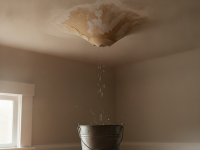
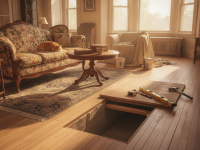
- Wear and Tear of Building Materials: Aging paint, plaster, and woodwork can deteriorate, creating fine particles that settle as dust.
- Older HVAC and Ventilation Systems: Outdated heating and cooling systems may not have proper air filtration, allowing more particles to circulate inside.
- Cracks, Gaps, and Poor Insulation: Old windows, doors, and walls often have gaps where dust from outside can enter freely.
- Historical Use of Certain Materials: Some old homes used materials prone to shedding, such as asbestos or lead-based paint, which may contribute to dust loads (ensure professional evaluation).
Practical Solutions to Reduce Excessive Dust in Old Homes
1. Improve Air Filtration and Ventilation
One of the most effective ways to reduce dust is to enhance your home’s ventilation and air filtration systems. Consider these steps:
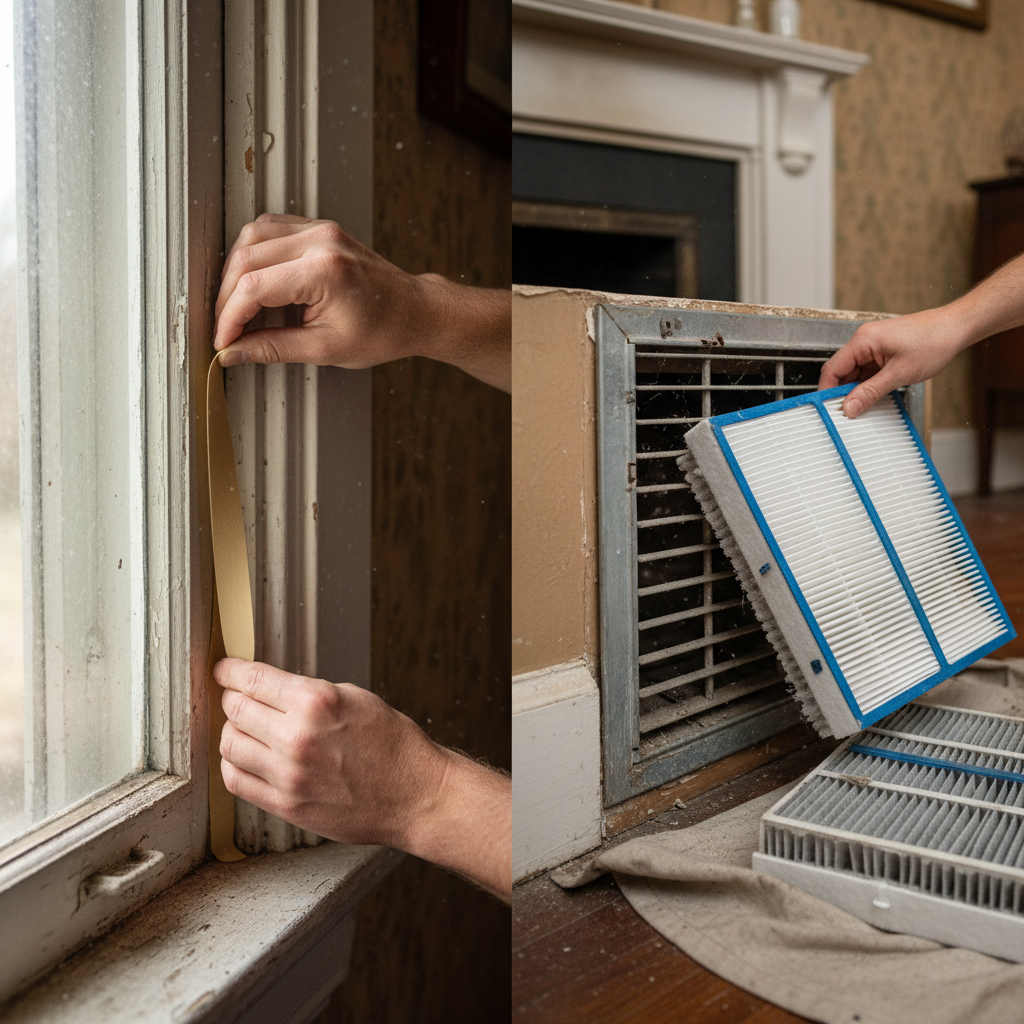
- Upgrade Your HVAC Filters: Use high-efficiency particulate air (HEPA) or MERV-rated filters designed to trap fine dust particles. Change these filters regularly to maintain effectiveness.
- Install Air Purifiers: Portable air purifiers with HEPA filters in the most commonly used rooms can help reduce airborne dust significantly.
- Consider Ventilation Improvements: If feasible, upgrade your home’s ventilation to allow fresh air while filtering out outdoor dust and allergens.
2. Seal Cracks and Gaps
Minimize the entry points for dust by sealing cracks around windows, doors, baseboards, and other openings. Weatherstripping and caulking can be inexpensive fixes that greatly reduce dust infiltration.
3. Regular and Proper Cleaning Techniques
Routine cleaning is vital, but the way you clean makes a big difference in dust management.
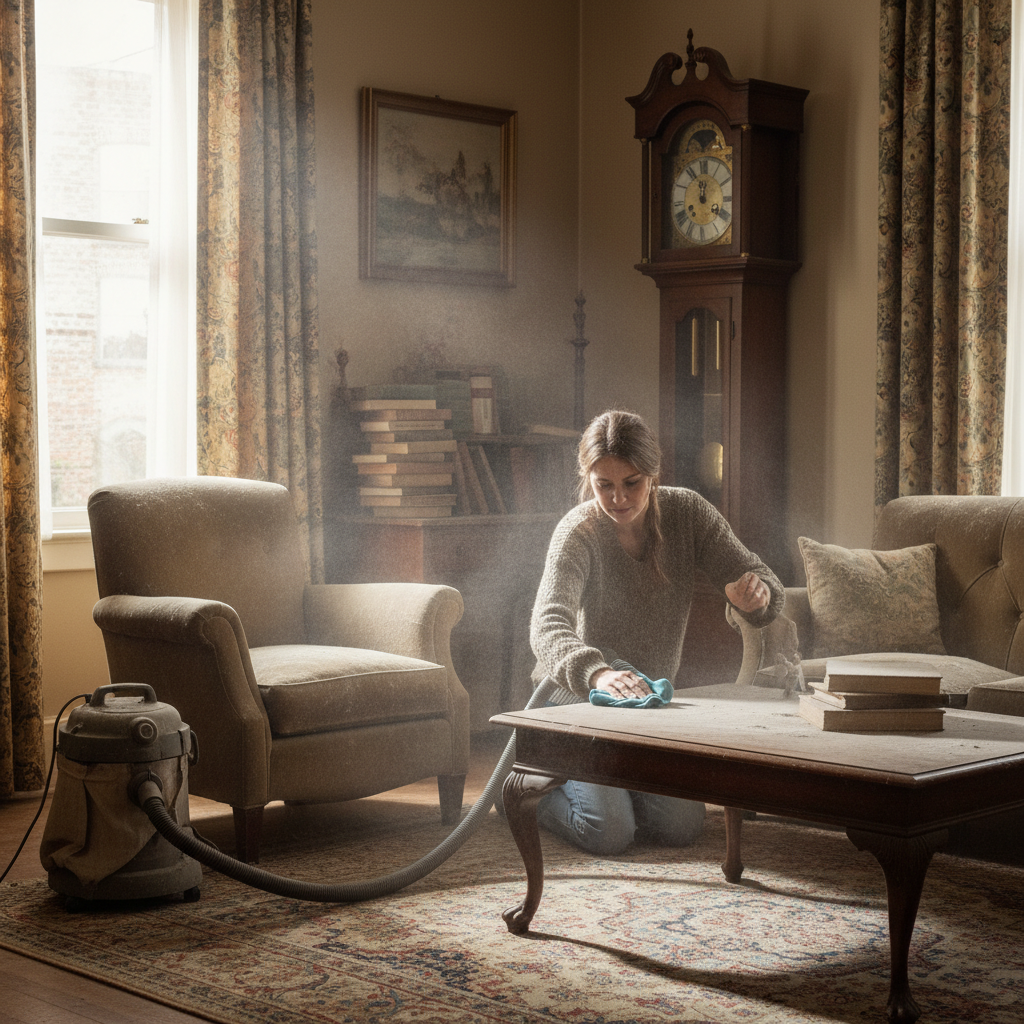
- Use Microfiber Cloths and Damp Mops: They trap dust instead of just spreading it around, making your efforts more efficient.
- Vacuum Frequently with a HEPA Vacuum Cleaner: Regular vacuuming of carpets, rugs, and upholstery helps remove dust settling deep in fabrics and flooring.
- Don’t Forget Air Filters and Ducts: Clean or replace filters in air conditioning and heating systems. Consider professional duct cleaning for accumulated dust.
4. Reduce Dust-Producing Materials
Rustic and antique décor add charm to old homes, but some materials can create dust. To mitigate this:
- Replace old, fraying rugs and old upholstery fabrics that shed fibers frequently.
- Opt for washable curtains or blinds instead of heavy drapes that trap dust.
- Invest in solid furniture with smooth surfaces rather than fabric-heavy pieces that harbor allergens.
5. Maintain Humidity Levels
Optimal indoor humidity levels between 40% and 60% keep dust particles from becoming airborne. Use humidifiers during dry seasons and dehumidifiers in excessively humid areas to maintain this balance.
6. Address Structural Maintenance and Renovations
Long-term dust control often requires addressing the underlying physical condition of the home:
- Repair damaged plaster and paint to prevent flaking particles.
- Upgrade windows to modern, sealed units to reduce outdoor dust entry.
- Consider encapsulating or safely removing harmful dust sources like asbestos (consult licensed professionals).
Additional Tips to Prevent Excessive Dust
- Encourage family members and guests to remove shoes to reduce dirt and dust brought inside.
- Regularly clean heating vents and ceiling fans to prevent dust circulation.
- Keep clutter to a minimum to reduce surfaces where dust can settle.
Frequently Asked Questions (FAQs)
Q: How often should I change HVAC filters to reduce dust?
A: For old homes prone to dust, it’s advisable to change HVAC filters every 1 to 3 months, or more frequently if you notice excessive dust or allergies.
Q: Are air purifiers really effective against dust?
A: Yes, air purifiers equipped with HEPA filters can capture dust particles as small as 0.3 microns, improving indoor air quality notably.
Q: Can I simply eliminate dust by cleaning less frequently?
A: No, reducing cleaning frequency usually worsens dust problems. However, using proper cleaning methods like damp dusting and HEPA vacuuming minimizes dust redistribution.
Conclusion: Creating a Cleaner, Dust-Controlled Environment in Your Old Home
Excessive dust in old homes is a widespread concern but with the right approach, you can regain control over your living space’s cleanliness and air quality. Combining improved ventilation, regular and effective cleaning, sealing entry points, managing humidity, and addressing maintenance ensures a significant reduction in dust accumulation. By investing time and effort into these solutions, old home owners can enjoy a fresher, more comfortable, and aesthetically pleasing environment every day.
For further trusted advice on maintaining healthy home interiors, you can visit Good Housekeeping.