How to Eliminate Excessive Dust in Old Homes: Practical Solutions for a Cleaner Living Space
Excessive dust in old homes is a common frustration for many homeowners. With aging structures, older materials, and the wear and tear that comes with time, dust can accumulate at a faster rate than in newer properties. If you find yourself constantly cleaning only to see the same layer of dust return within days, it’s essential to understand the root causes and adopt effective solutions. In this guide, you’ll discover practical ways to reduce and manage dust, ensuring a healthier and more comfortable home environment.
Why Does Excessive Dust Build Up More in Old Homes?
Old homes present unique challenges when addressing dust accumulation. Several factors contribute to this issue:

- Older building materials: Aging wood, plaster, and paint can deteriorate, creating fine particulate matter that contributes to dust.
- Worn flooring and carpets: These surfaces trap and release dust and allergens over time.
- Cracks and gaps: Older homes tend to have more structural gaps, allowing dust from outside and between rooms to enter freely.
- Outdated HVAC systems: Inefficient or dirty heating, ventilation, and air conditioning systems can circulate dust throughout the home rather than filtering it out.
- Poor ventilation: Limited airflow can cause dust to settle rather than be pushed outside.
Effective Solutions to Reduce Excessive Dust in Old Homes
1. Deep Clean with the Right Tools
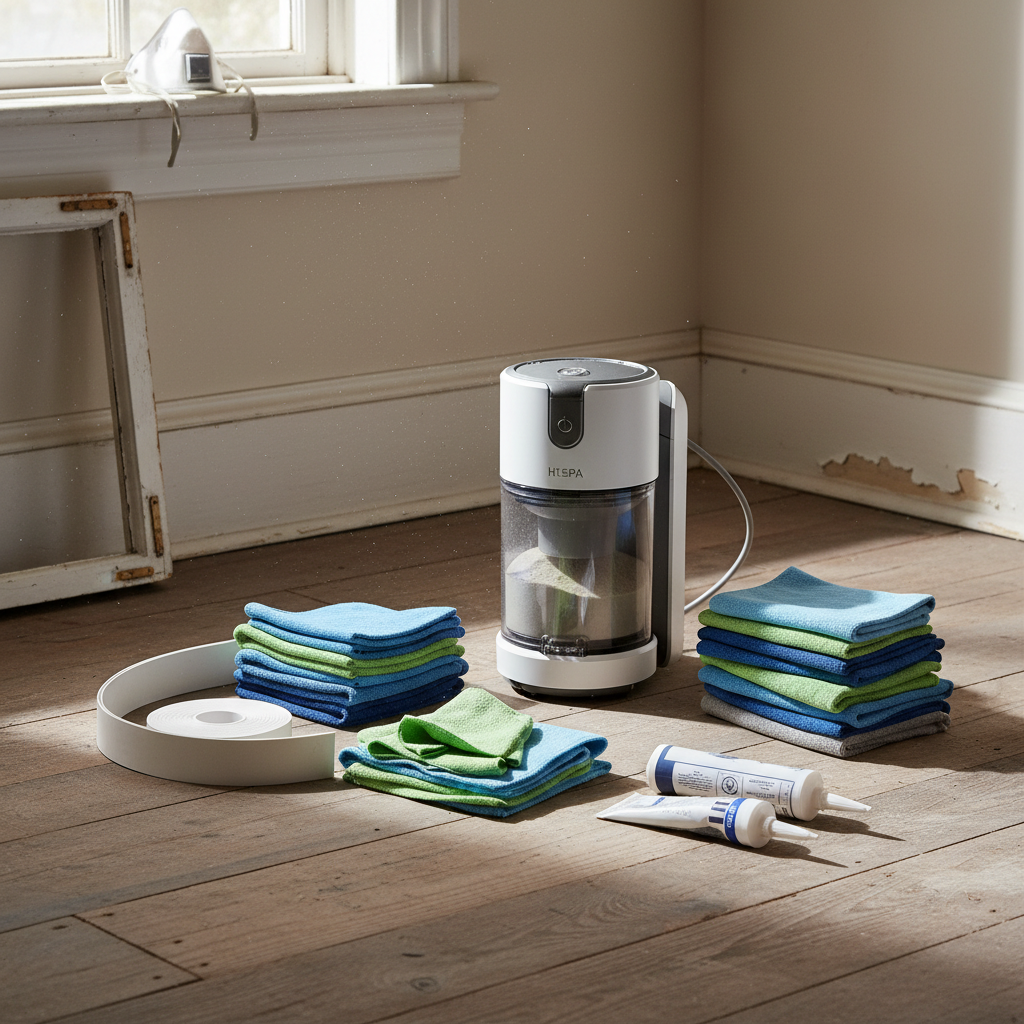
A thorough cleaning strategy is essential. Focus on using microfiber cloths and electrostatic dusters, which trap dust instead of redistributing it. Avoid dry sweeping, as that tends to send dust particles airborne.
- Vacuum regularly: Use a vacuum equipped with a HEPA filter to capture fine dust particles. Pay attention to carpets, rugs, upholstery, and curtains.
- Wash linens weekly: Dust mites accumulate in bedding, so laundering sheets, pillowcases, and blankets reduces dust build-up.
- Clean hard surfaces: Dust walls, baseboards, and window sills often where dust tends to accumulate.
2. Seal Cracks and Gaps
Inspect your home for structural gaps around windows, doors, and in walls. Use weatherstripping, caulk, or foam sealant to block these entry points. This reduces the amount of outdoor dust and debris that can enter and settle inside the house.
3. Upgrade Your HVAC and Air Filtration
An efficient heating and cooling system with a high-quality air filter makes a significant difference in dust control.:
- Replace HVAC filters regularly, ideally every 1-3 months, using HEPA or allergen-reducing filters.
- Consider installing a whole-home air purifier or standalone air purifiers in high-dust areas.
- Schedule professional HVAC cleaning to remove dust and debris from ducts that recycle dust around your home.
4. Improve Ventilation
Enhance airflow to help carry dust outside instead of letting it settle:
- Open windows when weather permits to create cross-breezes and fresh air circulation.
- Use exhaust fans in kitchens and bathrooms to reduce moisture and airborne particles.
- Install trickle vents in windows or air bricks in walls to facilitate constant, controlled airflow.
5. Replace or Maintain Flooring and Furnishings
Flooring materials can harbor dust:
- Consider hardwood or tile floors: These surfaces are easier to clean and less likely to trap dust compared to worn carpets.
- If you keep carpets: Choose low-pile styles and vacuum frequently with a HEPA vacuum.
- Wash or replace additional soft furnishings: Curtains, upholstery cushions, and pet bedding can be major dust collectors.
6. Declutter and Minimalize
Extra items and knickknacks tend to gather dust. Keeping your living space minimal and well-organized reduces surfaces where dust collects and makes cleaning easier.
Additional Tips for Managing Dust in Older Homes
- Use doormats and shoe removal policies indoors to reduce dirt tracked inside.
- Keep pets well-groomed to minimize shedding.
- Consider plants that improve indoor air quality, like spider plants or peace lilies.
- Schedule professional home inspections for mold, asbestos, or lead paint, which sometimes accompany older buildings and affect air quality.
Frequently Asked Questions About Dust in Old Homes
Q: How often should I clean to keep dust at bay in an old house?
A: Ideally, dusting and vacuuming should occur at least once a week, with deep cleaning of bedding and soft furnishings every one to two weeks.
Q: Are air purifiers really effective for dust control?
A: Yes, especially those with HEPA filters, as they trap tiny dust and allergen particles from the air, improving indoor air quality.
Q: Can I prevent dust completely in an old home?
A: While it’s impossible to eliminate dust entirely, consistent cleaning, sealing gaps, and proper air filtration can drastically reduce its presence.
Q: What is the best flooring option to reduce dust accumulation?
A: Hard flooring like hardwood, tile, or laminate tends to collect less dust than carpets and is easier to clean regularly.
Conclusion
Excessive dust in old homes can feel like an unending battle, but with intentional steps, it is manageable. Investing in proper cleaning tools, sealing gaps, upgrading HVAC systems, and improving ventilation can dramatically reduce dust and enhance your home’s comfort. For additional expert advice on maintaining a clean and healthy living environment in older homes, visit the Good Housekeeping guide on dust control.
By taking control of dust now, you’ll enjoy fresher air, fewer allergens, and a more enjoyable living space for years to come.