How to Eliminate Excessive Dust in Old Homes: Effective Solutions for a Cleaner Living Space
Excessive dust in old homes is a common challenge that many homeowners face. The unique architecture, aging materials, and less efficient ventilation systems often contribute to the accumulation of dust, making it difficult to maintain a clean and healthy environment. If you’re tired of battling constant dust buildup and want practical solutions that can significantly reduce dust in your old home, this comprehensive guide will walk you through effective strategies to keep your living space spotless and comfortable.
Why Old Homes Accumulate More Dust
Understanding the root causes of excessive dust in older homes is crucial to tackling the problem effectively. Here are some of the main reasons why old homes tend to be dustier:
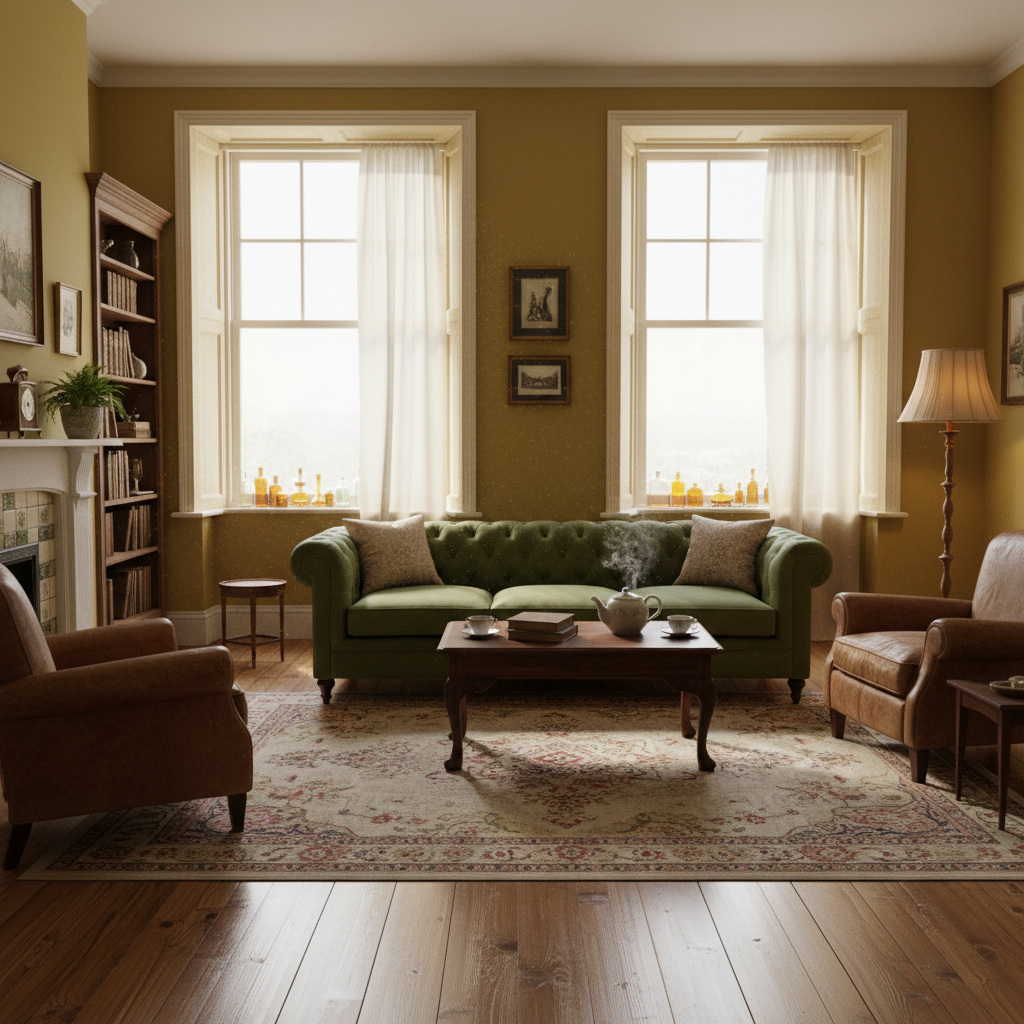
- Worn Windows and Doors: Gaps and cracks around old windows and doors allow outdoor dust and allergens to enter easily.
- Outdated Ventilation Systems: Inefficient or aging HVAC units might circulate dust rather than filter it properly.
- Old Carpets and Fabrics: Worn and outdated fabrics can trap dust particles and release them into the air constantly.
- Aging Building Materials: Plaster, wood, and other materials in old homes can deteriorate, creating dust from crumbling surfaces and insulation breakdown.
- Insufficient Sealing and Insulation: Poor insulation can lead to dust infiltration from outside and from within walls or attics.
Practical Solutions to Reduce Dust in Old Homes
1. Upgrade Window and Door Seals
One of the most effective measures you can take is to inspect and improve the sealing around your windows and doors. Weatherstripping and caulking work wonders in closing gaps where dust enters, enhancing your home’s insulation simultaneously. Consider installing storm windows if possible, which act as an additional barrier against dust and outdoor pollutants.
2. Enhance Your HVAC System with High-Quality Filters
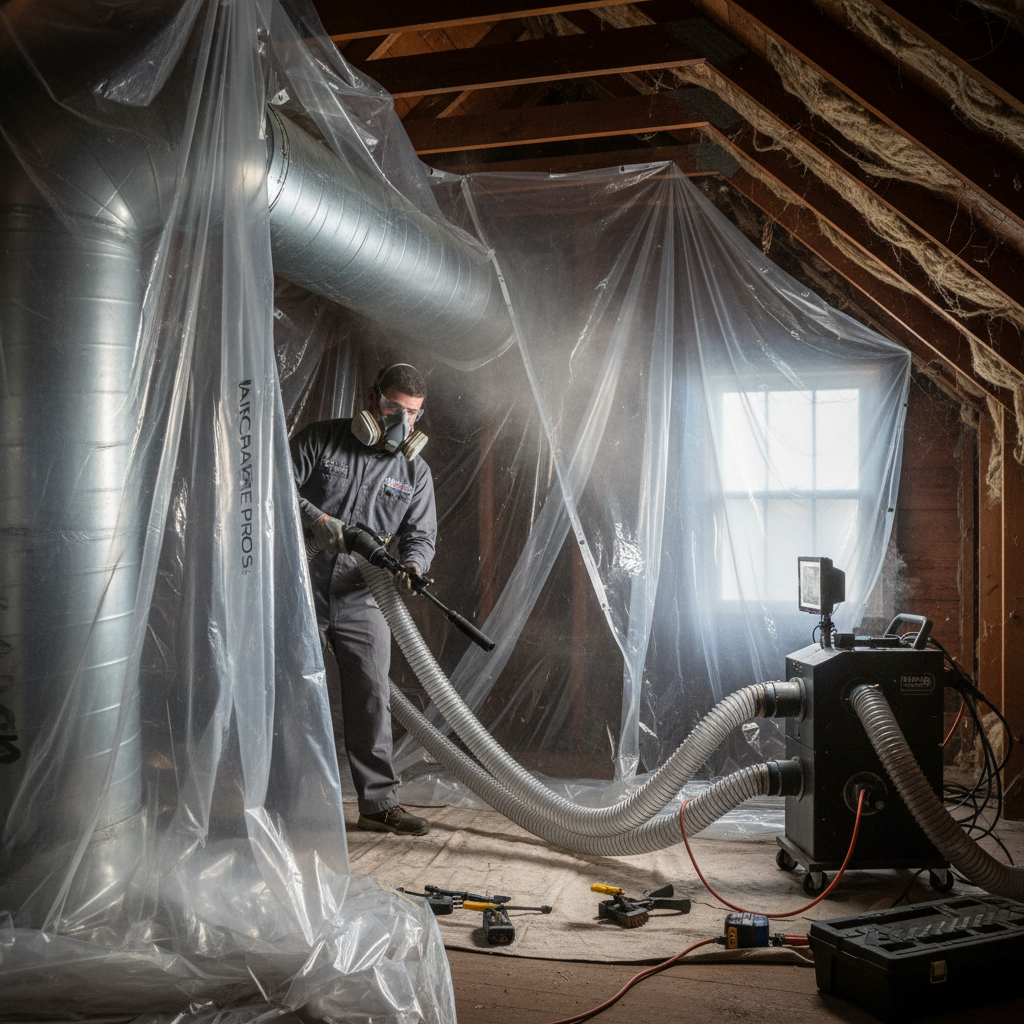
Older homes often have dated heating and cooling systems that do not adequately filter airborne dust. Upgrading your HVAC system or installing a standalone air purifier with a HEPA filter can trap fine dust particles effectively. Regularly change the filters every 1-3 months, and schedule professional duct cleaning to remove built-up dust and contaminants inside your airflow system.
3. Switch to Hard Flooring Instead of Carpets
Carpets, especially in older homes, can harbor large amounts of dust, pet dander, and allergens. Opt for hard flooring options like hardwood, laminate, or tile, which are much easier to clean and less likely to retain dust. If you prefer rugs, choose washable varieties and clean them frequently to prevent dust buildup.
4. Declutter and Use Smart Storage
Dust collects quickly on cluttered surfaces and open storage areas. To reduce dust accumulation, maintain a clutter-free home by organizing belongings in closed cabinets or storage bins. This minimizes the number of exposed surfaces where dust can settle, making cleaning easier and more efficient.
5. Integrate Regular and Thorough Cleaning Routines
Consistent cleaning is vital in combatting dust, especially in older homes. Use microfiber cloths for dusting, as they trap dust rather than spreading it around. Vacuum frequently with a vacuum cleaner that has a HEPA filter. Wash bedding, curtains, and upholstery regularly. Don’t forget hard-to-reach areas like ceiling fans, vents, and baseboards.
6. Control Indoor Humidity Levels
Maintaining optimal humidity (between 40-50%) can lessen dust circulation, as dry air causes dust to become airborne more easily. Use humidifiers or dehumidifiers based on your climate and season to achieve suitable moisture levels. This will also help prevent mold growth and deterioration of building materials.
7. Address Structural Issues Promptly
Hire a professional to inspect your home for signs of crumbling plaster, damaged insulation, or other structural issues that create dust sources inside walls or ceilings. Repairing these problems not only reduces dust but also improves your home’s safety and energy efficiency.
Additional Tips for Managing Dust in Old Homes
- Place doormats outside and inside every entrance to trap dirt and dust from shoes.
- Remove shoes when entering your home to prevent tracking dust inside.
- Use air purifiers in commonly used rooms for added filtration benefits.
- Keep pets clean and groomed regularly to reduce pet dander.
- Optimize natural ventilation by opening windows on low-dust days, but avoid during windy or dry conditions.
FAQs About Excessive Dust in Old Homes
Why does dust feel worse in older homes compared to newer ones?
Older homes typically have less airtight building envelopes, outdated ventilation, and aging materials that naturally shed dust. These factors combined lead to more airborne dust and allergens compared to newer, well-sealed homes.
Can air purifiers completely eliminate dust in an old home?
While air purifiers with HEPA filters can significantly reduce airborne dust, they should be part of a comprehensive dust control plan including sealing gaps, proper cleaning, and maintenance of HVAC systems.
Is professional duct cleaning necessary for old homes?
Yes, older HVAC systems accumulate dust and debris in ducts over time, which can reintroduce dust into your living space. Professional duct cleaning can improve air quality and system efficiency.
Are certain flooring types better than others for dust control?
Hard flooring surfaces such as hardwood, tile, or laminate are easier to keep dust-free compared to carpeting, which can trap dust deeply. Rugs that can be frequently washed are a good compromise.
How often should I clean to keep dust under control?
Vacuuming once or twice a week and dusting surfaces at least once a week is recommended for managing dust in old homes. More frequent cleaning may be needed depending on household activity and seasons.
Final Words
Tackling excessive dust in old homes requires a multi-faceted approach that combines sealing, upgrading systems, adopting smart cleaning routines, and managing humidity. By applying these practical solutions, you’ll create a healthier, more comfortable living environment while preserving the charm of your older home. For even more home cleaning and maintenance tips, check out resources from Good Housekeeping.