Why Is Your Deck Railing Becoming Loose? Understanding the Root Causes
Before diving into repairs, it’s crucial to understand why your deck railing might be losing its stability. Several factors, alone or in combination, contribute to this common problem:
Material Degradation and Wear
- Wood Rot: The most frequent culprit, especially in older decks. Moisture penetration, often due to inadequate sealing or poor drainage, can cause wood posts, balusters, and railing sections to soften and rot. Rotted wood can no longer securely hold fasteners.
- Rust and Corrosion: Metal fasteners (screws, nails, bolts) are susceptible to rust, particularly in humid climates or areas with frequent rain. Rusted fasteners lose their grip and can even break, leading to loose connections.
- UV Damage: Constant exposure to sunlight can degrade wood, composite materials, and even some plastics over time, making them brittle and less resilient to stress.
Improper Installation
- Insufficient Fasteners: If the railing posts or sections weren’t initially attached with enough screws, bolts, or connectors, they might not withstand normal use and environmental stressors.
- Incorrect Fastener Type: Using indoor-grade screws outdoors or nails instead of screws/bolts for critical connections can lead to premature failure. Deck railings require exterior-grade, corrosion-resistant fasteners.
- Weak Connections: Sometimes, posts are simply surface-mounted without proper through-bolting or blocking, making them prone to leverage and movement over time.
Weather Exposure and Environmental Factors
- Expansion and Contraction: Wood naturally expands and contracts with changes in temperature and humidity. This constant movement can gradually loosen fasteners and connections.
- Wind Uplift and Pressure: Strong winds can exert significant force on deck railings, especially if they act as a windbreak, stressing connections over time.
- Rain and Snow Accumulation: Persistent moisture can not only lead to rot but also contribute to the freeze-thaw cycle in colder climates, which can exacerbate existing cracks and loosen fasteners.
Regular Wear and Tear
- Frequent Use: Decks are high-traffic areas. Leaning on railings, children playing, and general use can put constant stress on connections, leading to gradual loosening.
- Impact or Stress: Accidental impacts (e.g., furniture bumping, falling objects) or even someone forcefully leaning against a railing can cause immediate or accelerated loosening.
Foundation and Post Issues
- Loose Deck Posts: Sometimes, the entire deck post, which forms the foundation of your railing, can become loose where it connects to the deck frame. This is a more serious structural issue.
- Settling: If the ground beneath your deck or the deck’s foundation itself settles unevenly, it can put undue stress on the railing system, leading to misalignment and looseness.
The Dangers of a Loose Deck Railing: Why You Shouldn’t Delay Repair
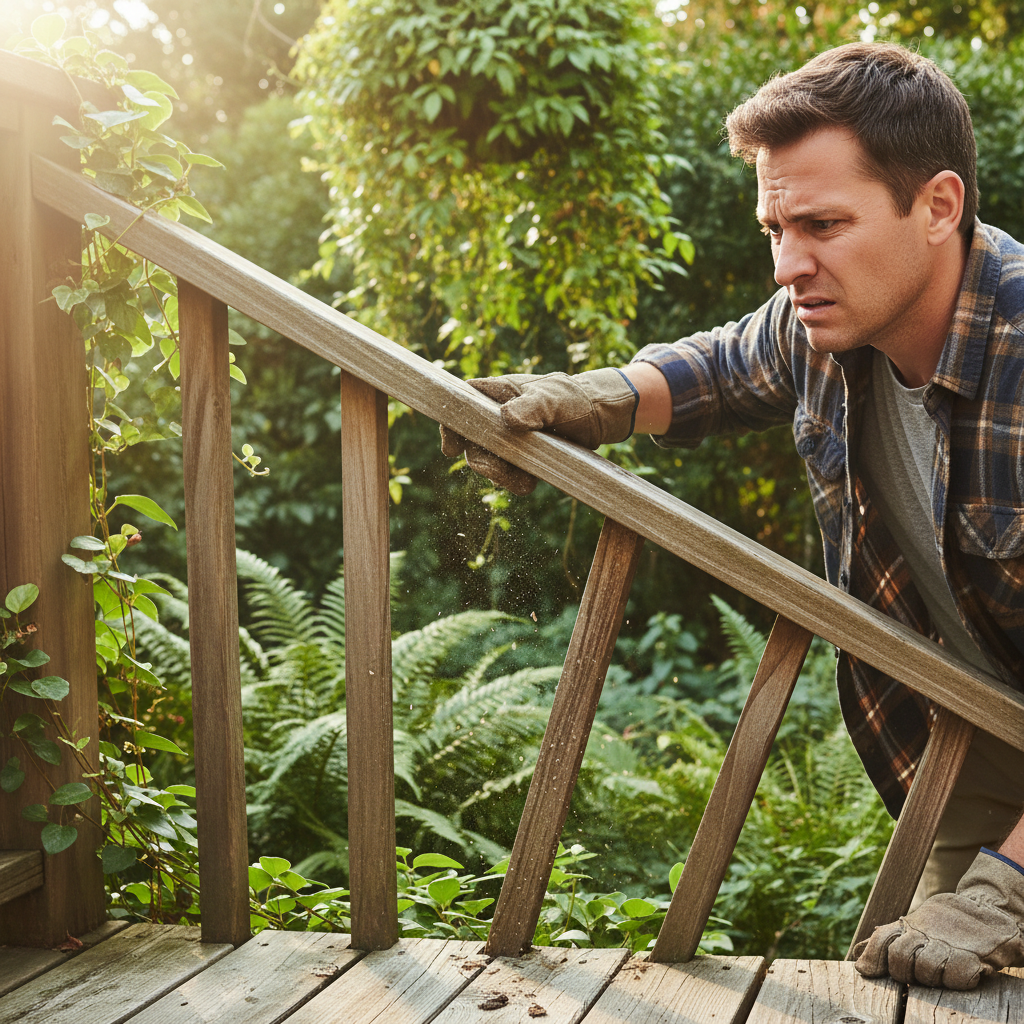
A wobbly railing is far more than an eyesore or a minor inconvenience; it’s a critical safety hazard that can lead to severe consequences. Addressing the issue promptly is not just about maintenance; it’s about protecting lives.
Falls and Serious Injuries
The primary danger of a loose deck railing is the risk of falls. A railing’s fundamental purpose is to prevent people from falling off the deck, especially children, the elderly, or anyone who might stumble. A railing that gives way can lead to:
- Severe Fractures: Broken bones, especially in arms, legs, or hips, are common in falls from even moderate heights.
- Head Injuries: Falls can result in concussions, traumatic brain injuries, or other life-threatening head trauma.
- Spinal Injuries: The impact of a fall can cause damage to the spinal cord, leading to paralysis or chronic pain.
- Fatalities: Tragically, falls from decks can, in extreme cases, be fatal.
Compromised Structural Integrity of the Deck
While a loose railing might seem like a localized problem, it can sometimes be a symptom of deeper structural issues with the deck itself. If the railing posts are loose because the deck’s rim joist or support beams are compromised, the entire deck’s stability could be at risk. Ignoring a loose railing might mean overlooking a more significant structural problem that could lead to a catastrophic deck collapse.
Code Violations and Legal Liabilities
Most local building codes have strict requirements for deck railing height, strength, and stability. A loose or damaged railing likely violates these codes. In the unfortunate event of an injury on your deck, you could face significant legal liabilities, including lawsuits and financial penalties, if it’s determined that you neglected to maintain a safe structure.
Decreased Property Value and Aesthetics
Beyond safety, a visibly loose or deteriorating deck railing detracts from your home’s curb appeal and can signal a lack of proper maintenance to potential buyers, potentially reducing your property’s value. A well-maintained deck is an asset; a neglected one is a liability.
How to Diagnose a Loose Deck Railing: A Thorough Inspection
Before you can fix the problem, you need to accurately identify the source and extent of the looseness. A systematic inspection will help you pinpoint the issue.
Visual Inspection
- Look for Visible Gaps: Check where railing posts meet the deck frame, where balusters meet the top and bottom rails, and where rail sections connect to posts. Gaps often indicate movement.
- Check for Rotted Wood: Examine all wooden components for signs of rot: discoloration (darker or lighter patches), softness to the touch (probe with a screwdriver), crumbling, or fungal growth. Pay close attention to the bottom of posts and areas where wood contacts concrete or soil.
- Inspect Fasteners: Look for rusted screws, bent nails, bolts that are protruding or have stripped heads, or missing hardware.
- Examine for Cracks or Splits: Cracks in wood near fasteners can indicate that the wood is no longer holding the fastener securely.
- Assess Overall Alignment: Stand back and look at the railing along its entire length. Are some sections sagging, leaning, or out of plumb?
The Shake Test
This is a crucial hands-on test:
- Test Each Post: Firmly grasp each deck post (the main vertical supports) near the top and try to shake it from side to side and front to back. A healthy post should have minimal to no movement.
- Test Railing Sections: Grasp the top rail between posts and apply pressure, trying to move it horizontally and vertically. Note any excessive give or wobbling.
- Test Balusters: Individually test each baluster (the vertical pickets) by gently wiggling it to ensure it’s firmly attached to the top and bottom rails.
Post-Specific Checks
If a post is loose, you need to determine where the looseness originates:
- Connection to the Deck Frame: Is the post loose where it’s bolted or screwed into the rim joist or deck ledger board? This is often the most critical connection.
- Wood Condition Around Fasteners: Is the wood around the existing bolts or screws soft or rotted, preventing them from holding?
- Post Footing (if applicable): If the post extends to the ground, is it stable there, or is the footing compromised? (Though typically, railing posts are attached to the deck structure itself).
Fastener Examination
Take a closer look at the actual fasteners:
- Tightness: Try to tighten any visible screws or bolts with a screwdriver or wrench. If they turn freely without tightening, they might be stripped, or the wood itself might be compromised.
- Type: Are the fasteners appropriate for outdoor use? Are they long enough to penetrate adequately?
Step-by-Step Guide to Fixing a Loose Deck Railing
Once you’ve diagnosed the problem, you can proceed with repairs. The specific steps will vary depending on the cause of the looseness, but here’s a general guide.
Gather Your Tools and Materials
You’ll likely need:
- Power drill/impact driver
- Drill bits (for pilot holes)
- Wrench or socket set
- Exterior-grade structural screws (e.g., 3-inch deck screws, LedgerLoks, or similar)
- Carriage bolts or lag bolts with washers and nuts (galvanized or stainless steel)
- Wood glue (exterior grade)
- Wood shims or blocking material
- Replacement wood (if rot is extensive)
- Post-to-deck connectors or post anchors
- Spirit level
- Pry bar (carefully)
- Safety glasses and work gloves
- Wood preservative/sealer
1. Tightening Existing Fasteners
This is the simplest fix and often resolves minor looseness.
- Use a drill or wrench to firmly tighten all visible screws, bolts, and nuts connecting posts to the deck, rails to posts, and balusters to rails.
- If screws spin freely, they might be stripped or the wood is compromised. Move to the next steps.
2. Reinforcing Loose Posts
This is often the most critical repair, as the post is the foundation of the railing.
- Identify the Connection: Most posts are attached to the rim joist (the outermost joist of the deck frame).
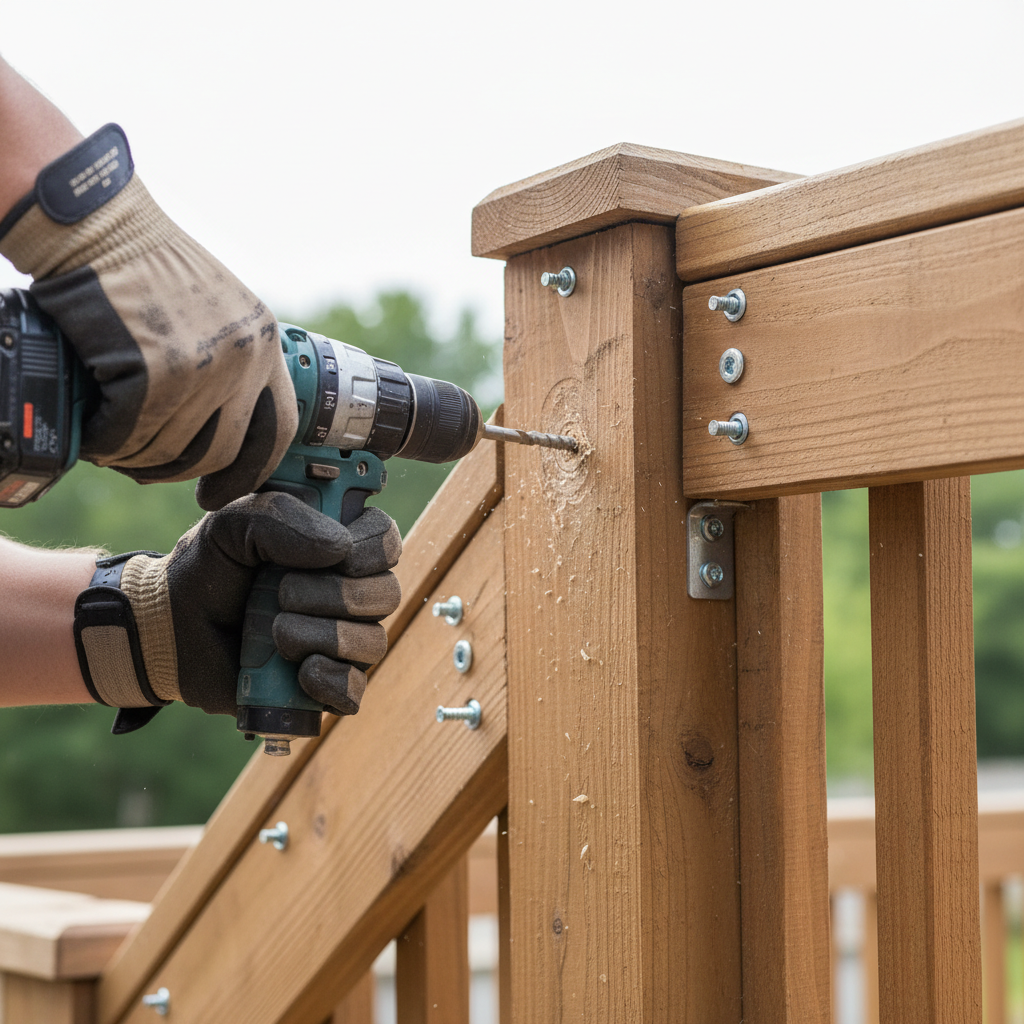
- Add Structural Screws: If the post is only slightly loose, add several long (3-4 inch) exterior-grade structural screws at an angle, driving them through the post into the rim joist. Pre-drill pilot holes to prevent splitting.
- Install Carriage or Lag Bolts: For more significant looseness, or as a more robust solution, through-bolt the post to the rim joist.
- Use a drill to bore two 1/2-inch holes through the post and the rim joist (and any blocking behind it).
- Insert galvanized or stainless steel carriage bolts (with a rounded head on the outside for aesthetics) or lag bolts.
- On the inside of the rim joist, add a washer and nut, then tighten securely with a wrench.
- If there’s no blocking, consider adding a piece of pressure-treated lumber between the joists behind the rim joist to create a stronger connection point.
- Install Post-to-Deck Connectors: Specialized metal connectors (e.g., Simpson Strong-Tie products) are designed to provide robust post-to-deck connections. These are often bolted to both the post and the deck frame, significantly increasing stability. Follow manufacturer instructions carefully.
3. Addressing Loose Railing Sections and Balusters
- Tighten Screws: If balusters or rail sections are loose, try tightening their existing screws.
- Add New Screws: If existing screws are stripped or insufficient, add new, longer exterior-grade screws, pre-drilling pilot holes. Consider adding screws at opposing angles for better grip.
- Use Wood Glue: For minor wobbles in balusters or rails that fit tightly but just need extra security, you can remove them, apply exterior-grade wood glue, and re-secure with screws. Clamp until dry if possible.
- Replace Rotted Sections: If a rail or baluster is significantly rotted, it’s best to cut out and replace the damaged section. Ensure the new wood is pressure-treated or naturally rot-resistant and properly fastened.
4. Replacing Rotted Wood or Rusted Hardware
- For Rotted Wood: If a post base, a section of railing, or a baluster is extensively rotted, it must be replaced. Cut out the rotted section precisely, fit a new piece of pressure-treated lumber, and secure it with appropriate exterior-grade fasteners. Ensure all cut ends are sealed with wood preservative.
- For Rusted Hardware: Remove all rusted screws, bolts, or connectors. Replace them with new galvanized, stainless steel, or ceramic-coated exterior-grade fasteners of the correct size and type.
5. Sealing and Protecting Your Repair
After any repairs involving wood, it’s essential to protect your work:
- Clean the Area: Remove any dirt, sawdust, or debris.
- Apply Wood Preservative: Treat any newly exposed or cut wood with an appropriate wood preservative.
- Seal or Stain: Once dry, reapply a high-quality exterior wood sealer or stain to the repaired areas, and ideally to the entire deck, to protect against moisture, UV rays, and prevent future rot.
When to Call a Professional Deck Contractor
While many loose railing issues can be fixed by a competent DIYer, there are situations where calling a professional is the safest and most prudent course of action.
Extensive Damage or Multiple Loose Sections
If a significant portion of your deck railing is loose, or if there’s widespread rot, it might indicate systemic issues that are beyond simple spot repairs. A professional can assess the overall condition of your deck and recommend a comprehensive solution, which might include partial or full railing replacement.
Structural Post Issues
If the entire main deck post (not just the railing attached to it) is wobbly where it connects to the deck frame, or if the post itself is rotted below the deck level, this is a serious structural concern. A professional will have the expertise and tools to properly reinforce or replace these critical support elements without compromising the deck’s integrity.
Lack of DIY Experience or Tools
If you’re uncomfortable using power tools, don’t have the necessary equipment, or simply lack the experience for structural repairs, it’s always better to hire a professional. Safety should be your top priority, and improper repairs can sometimes make the problem worse.
Building Code Compliance Concerns
Deck construction and railing specifications are subject to local building codes. If you’re unsure whether your repairs will meet these standards, or if you suspect your existing railing might be non-compliant, a licensed contractor can ensure that all work adheres to current regulations, potentially saving you headaches and liabilities down the road.
Signs of Overall Deck Deterioration
A loose railing can be a “canary in the coal mine” for a deck that’s nearing the end of its lifespan. If you observe other signs of significant wear, such as widespread wood rot, sagging deck boards, cracked or deteriorating support beams, or significant shifting of the deck, it’s time for a professional evaluation to determine if a full deck replacement is necessary.
Preventing Future Deck Railing Looseness: Maintenance Tips
The best way to deal with a loose deck railing is to prevent it from happening in the first place. Regular maintenance and proactive measures can significantly extend the life and safety of your deck.
Regular Inspections are Key
- Annual Check-ups: Make it a habit to thoroughly inspect your entire deck, especially the railings, at least once a year, preferably in the spring before heavy use.
- Look and Shake: Repeat the visual and shake tests described earlier. Pay attention to areas prone to moisture, such as post bottoms, connections, and shaded spots.
- Early Detection: Catching minor issues like loose screws or small areas of rot early makes repairs much simpler and prevents them from escalating into major problems.
Proper Fastener Selection and Installation
- Use Exterior-Grade Hardware: Always use fasteners specifically designed for outdoor use and treated to resist corrosion (e.g., galvanized, stainless steel, or ceramic-coated deck screws and bolts).
- Correct Size and Type: Ensure fasteners are long enough to achieve adequate penetration and are appropriate for the load they will bear. For structural connections, bolts are generally superior to screws.
- Pre-drilling: Always pre-drill pilot holes when driving screws or bolts into wood to prevent splitting, especially near edges or in dense hardwoods.
- Through-Bolting Posts: Whenever possible, through-bolt railing posts to the deck’s rim joist with carriage or lag bolts, rather than relying solely on surface screws.
Weather Protection and Sealing
- Apply Stain/Sealer Regularly: Protect your wooden deck and railings from moisture and UV damage by applying a high-quality exterior stain or sealer every 1-3 years, depending on the product and exposure. This repels water, prevents rot, and slows down sun damage.
- Maintain Coatings: Keep an eye on the condition of your deck’s finish. If it’s peeling, cracking, or showing signs of wear, it’s time to reapply.
Ensure Good Drainage
- Clear Debris: Keep your deck free of leaves, dirt, and other debris that can trap moisture against the wood, promoting rot.
- Inspect Gutters and Downspouts: Ensure that your home’s gutters and downspouts are functioning correctly and diverting water away from your deck structure.
- Avoid Standing Water: If you notice areas where water pools on your deck, address the issue. This might involve cleaning gaps between deck boards or ensuring proper slope.
Avoid Excessive Force
- Educate Users: Remind family members and guests that deck railings are safety barriers, not climbing structures or leverage points for heavy objects.
- Distribute Weight: Avoid placing heavy planters, furniture, or other items directly against railing posts, as this can put undue stress on them.
Address Rot Promptly
If you find any signs of rot, even small areas, address them immediately. Small areas can often be repaired with wood hardeners and fillers, but if left untreated, they will spread and compromise the structural integrity of your railing.
FAQs about Loose Deck Railings
Q1: How often should I inspect my deck railing?
You should perform a thorough inspection of your deck railing at least once a year, ideally in the spring. However, it’s a good practice to give it a quick visual check periodically, especially after severe weather.
Q2: Can I fix a loose railing myself?
Many minor loose railing issues, such as tightening screws or adding new fasteners, can be addressed by a DIY enthusiast. However, if the looseness is extensive, involves significant wood rot, or affects the main structural posts of the deck, it’s highly recommended to consult a professional deck contractor for safety reasons.
Q3: What type of screws should I use for deck railings?
Always use exterior-grade, corrosion-resistant fasteners for deck railings. Options include hot-dipped galvanized, stainless steel, or ceramic-coated deck screws. For critical connections like attaching posts to the deck frame, lag bolts or carriage bolts with washers and nuts are often preferred for superior strength.
Q4: Is a loose deck railing a serious safety hazard?
Absolutely. A loose deck railing poses a significant fall hazard, especially for children, the elderly, and anyone who might lean on it. It can lead to severe injuries or even fatalities. Do not delay in addressing a loose railing.
Q5: How long do deck railings typically last?
The lifespan of a deck railing depends on the material, quality of installation, and maintenance. Well-maintained wood railings can last 15-20 years or more, while composite or metal railings might last 25 years or longer. Poorly installed or neglected railings can fail much sooner.
A safe and secure deck railing is fundamental to enjoying your outdoor living space without worry. By understanding why your deck railing is becoming loose, proactively inspecting for issues, and taking prompt action to repair and maintain it, you ensure a safe environment for your family and guests. Don’t underestimate the importance of a sturdy railing – it’s a small investment in safety for years of outdoor enjoyment.