Why Your Dryer Outlet Smells Like Burning: Understanding the Root Causes
When you detect a burning smell emanating from your dryer outlet, it’s a clear indication that something is overheating. This overheating can stem from several underlying electrical or mechanical issues. Understanding these potential causes is the first step toward effective problem-solving and ensuring the safety of your home.
Overloaded Circuit or Incorrect Wiring
Dryers are high-power appliances, typically requiring a dedicated 240-volt circuit. If your dryer is plugged into an inadequately rated circuit, or if the wiring within the circuit itself is too small for the electrical load, it can lead to overheating. This often results in a burning plastic or rubber smell as the wire insulation begins to melt. Similarly, incorrect wiring during installation, such as reversed polarity or improperly connected grounds, can cause current imbalances and generate excessive heat at the outlet or within the walls.
Loose or Damaged Wiring Connections
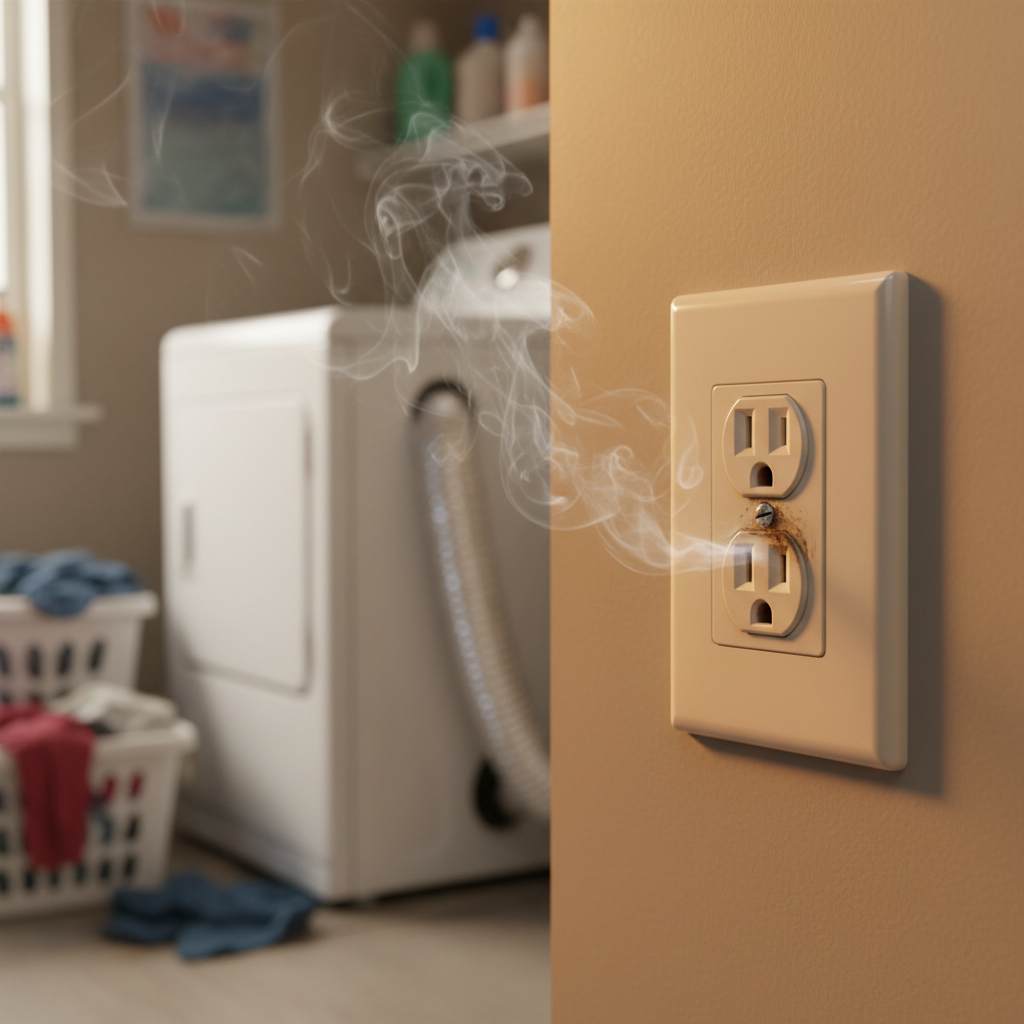
Over time, due to vibrations from the dryer, expansion and contraction from heat cycles, or improper installation, the wires connecting to the dryer outlet can become loose. A loose connection increases electrical resistance, which in turn generates heat. This localized heating can be intense enough to melt the wire insulation, the plastic components of the outlet, or even char the surrounding drywall, producing a strong burning odor. Damaged wiring, perhaps from nicks during installation or deterioration over time, can also create hot spots.
Faulty Dryer Outlet Itself
The outlet receptacle itself can be the source of the problem. Internal components within the outlet, such as the contact points that grip the dryer’s plug, can wear out, corrode, or become damaged. When these contacts lose their grip, they create a poor connection with the dryer plug. This poor connection leads to increased resistance and localized heating, causing the outlet’s plastic housing or internal wiring to overheat and emit a burning smell. Older, worn-out outlets are particularly susceptible to this issue.
Damaged Dryer Power Cord
The power cord connecting your dryer to the wall outlet is under constant stress from being plugged and unplugged, or from accidental pulling and bending. Over time, the internal wires within the cord can fray, break, or become damaged. A damaged power cord can create high-resistance points, leading to overheating at the plug end, along the cord’s length, or where it connects to the dryer. The burning smell would typically come from the cord’s insulation or the plug’s plastic casing.
Appliance Malfunction (Internal Dryer Issues)
While the smell is coming from the outlet, sometimes the root cause lies within the dryer itself, particularly at its internal electrical connections or heating elements. If the dryer’s internal wiring or heating element assembly malfunctions, it can draw excessive current or create internal hot spots. This heat can then transfer back to the power cord and the outlet, causing them to overheat and smell. Faulty motor capacitors or damaged control boards can also contribute to internal overheating.
Clogged Dryer Vent (Indirect Cause)
A severely clogged dryer vent restricts airflow, causing the dryer to work harder and run hotter to dry clothes. While the burning smell might originate from lint burning inside the dryer or the dryer’s motor overheating, this excessive heat can eventually transfer to the electrical components, including the power cord and the wall outlet, exacerbating any existing electrical weaknesses and potentially leading to a burning odor from the outlet area. A clogged vent is a well-known fire hazard on its own. For more information on preventing dryer fires, you can consult resources like Good Housekeeping’s guide on cleaning dryer vents.
Foreign Objects or Debris
Less common, but still possible, is the presence of foreign objects or debris within the outlet itself or behind it. Small pieces of insulation, dust, or even insects can become lodged in or around the electrical contacts. When current flows, these materials can heat up or even ignite, producing a burning smell. This often points to a poorly sealed electrical box or an outlet that has been compromised.
Immediate Action: What To Do When You Smell Burning
A burning smell from your dryer outlet is a critical safety issue that requires immediate attention. Your primary goal is to eliminate the source of the potential danger and prevent a fire. Do not delay action.
Prioritize Safety: Unplug and Disconnect
The very first and most crucial step is to cut off power to the dryer. If possible and safe to do so, carefully pull the dryer away from the wall and unplug it from the outlet. If you see sparks, smoke, or flames, or if you feel any heat from the cord or outlet, do NOT touch it. Proceed directly to the next step: shutting off the circuit breaker.
Check Your Circuit Breaker
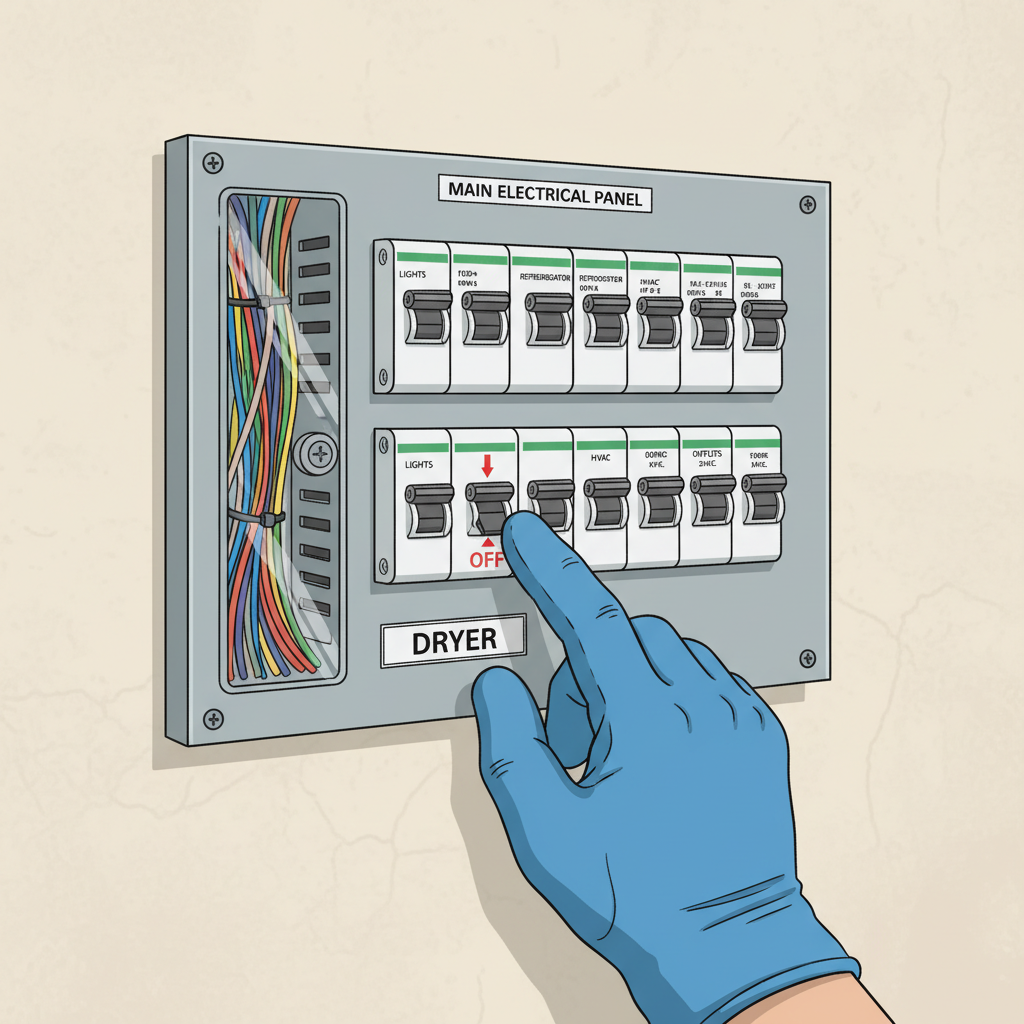
Locate your home’s main electrical panel. Identify the circuit breaker that controls the dryer outlet (it’s usually a double-pole breaker, often labeled “Dryer” or “Laundry”). Flip this breaker to the “OFF” position. This will completely de-energize the circuit, removing all power from the problematic outlet and dryer, even if the dryer is still plugged in. This is a vital safety measure that protects against electrocution and fire.
Inspect for Visible Damage (with caution)
Once the power is off, you can cautiously perform a visual inspection. Look at the dryer’s power cord, paying attention to the plug end and where it enters the dryer’s chassis. Check the wall outlet for any signs of scorching, melting, discoloration, or soot. Do not touch any damaged components directly with your bare hands. This inspection is just to gather information; do not attempt to repair anything yourself unless you are a qualified electrician.
Call a Professional Electrician (Crucial Step)
Under no circumstances should you attempt to use the dryer again or try to fix the electrical issue yourself. Electrical problems, especially those involving burning smells, are serious and require the expertise of a licensed and qualified electrician. They have the training, tools, and knowledge to safely diagnose the exact cause of the problem, whether it’s the outlet, the wiring, the breaker, or the dryer’s internal connections. An electrician will ensure repairs are made correctly and safely, adhering to all electrical codes.
The Dangers of Ignoring a Burning Smell
It’s easy to dismiss a strange smell as temporary or insignificant, but when it comes to electrical components, a burning odor is a direct warning of impending danger. Ignoring a burning smell from your dryer outlet can have catastrophic consequences for your home and family.
Electrical Fires
This is the most significant and immediate danger. The burning smell indicates overheating, which can quickly escalate. Melted insulation, arcing wires, or sustained high temperatures can ignite combustible materials nearby, such as lint, drywall, or wooden studs within your walls. Electrical fires can spread rapidly and are notoriously difficult to extinguish, leading to extensive property damage, injuries, or even fatalities.
Electrical Shock Hazard
Damaged wiring, a faulty outlet, or a compromised power cord can expose live electrical conductors. If you or a family member accidentally touch these exposed wires or a metallic part of an appliance that has become energized, it can result in a severe, potentially fatal electrical shock. Even a minor shock can cause serious internal injuries.
Appliance Damage
Persistent electrical issues will inevitably damage your dryer. Overheating can burn out internal components, fry circuit boards, or lead to a complete breakdown of the appliance. While replacing a dryer is an inconvenience and an expense, it pales in comparison to the risks of a fire.
Long-Term Wiring Degradation
Even if an immediate fire doesn’t occur, sustained overheating weakens and degrades the electrical wiring within your walls. This makes the entire electrical system more vulnerable to future failures, creating ongoing hidden hazards that could manifest at any time, often without further warning until it’s too late.
Preventative Measures: Keeping Your Dryer Outlet Safe
Once the immediate danger is handled and repairs are made, it’s crucial to implement preventative measures to ensure the safety and longevity of your dryer and electrical system. Proactive maintenance and awareness can help avoid future hazards.
Regular Professional Electrical Inspections
Consider having a licensed electrician perform a comprehensive inspection of your home’s electrical system, especially focusing on high-draw circuits like the dryer. These inspections can identify aging wiring, loose connections, faulty outlets, or overloaded circuits before they become critical safety issues. Regular checks, perhaps every 5-10 years, are a wise investment in home safety.
Proper Dryer Vent Maintenance
While not a direct electrical issue at the outlet, a clogged dryer vent is a major fire hazard that can indirectly contribute to electrical stress. Ensure your dryer vent is cleaned at least once a year, or more frequently if you use your dryer heavily. This involves removing lint from the vent hose, the vent opening on the dryer, and the exterior vent cap. A clear vent allows the dryer to operate efficiently and at safe temperatures, reducing strain on its electrical components.
Ensure Correct Outlet & Wiring Installation
When installing a new dryer or if you suspect old wiring, ensure that the dryer outlet and its dedicated circuit meet current electrical codes and are appropriately rated for the appliance’s wattage. Always use a licensed electrician for any new installations or upgrades to guarantee proper wiring, grounding, and breaker sizing. Never attempt DIY electrical work if you are not qualified.
Avoid Overloading Your Dryer
Consistently overloading your dryer with too many clothes can cause the appliance to work harder and longer, generating more heat than intended. This excessive heat can place undue stress on the dryer’s motor and heating elements, which can in turn affect the power cord and wall outlet over time. Follow the manufacturer’s guidelines for load size to ensure efficient and safe operation.
Periodically Check the Power Cord
Every few months, or if you move the dryer for cleaning, visually inspect the dryer’s power cord. Look for any signs of fraying, cracking, melting, or discoloration, particularly at the plug end and where it enters the dryer. If you notice any damage, have the cord replaced immediately by a qualified technician or electrician. Ensure the cord is not pinched or crimped behind the dryer.
Be Mindful of What Goes into the Dryer
Certain items, like those stained with flammable substances (oils, gasoline, paint thinners), should never be put in a dryer. Even after washing, residues can remain and ignite when exposed to the dryer’s heat. Additionally, foreign objects like coins, pens, or small items forgotten in pockets can fall into the dryer’s mechanisms, potentially causing electrical shorts or overheating.
When to Call an Electrician vs. a Dryer Technician
Knowing which professional to call is crucial for resolving the issue efficiently and safely. While their expertise can sometimes overlap, they specialize in different areas.
Call a Licensed Electrician if:
- The burning smell is clearly coming from the wall outlet itself.
- You see visible scorching, melting, or sparks at the outlet or the circuit breaker panel.
- The circuit breaker for the dryer frequently trips.
- You suspect issues with your home’s wiring, the outlet installation, or the electrical panel.
- You’re unsure of the exact source of the electrical burning smell.
An electrician specializes in your home’s fixed electrical system – the wiring within the walls, the outlets, the circuit breakers, and the main electrical panel. They are trained to diagnose and repair issues related to the electrical infrastructure.
Call a Dryer Appliance Technician if:
- The burning smell seems to be coming directly from inside the dryer appliance, not the outlet.
- The dryer is making unusual noises (grinding, squealing).
- The dryer isn’t heating properly, or at all.
- Clothes are taking much longer than usual to dry.
- You suspect a problem with the dryer’s motor, heating element, belt, or other internal components.
A dryer technician specializes in the internal workings of the appliance itself. They can diagnose and repair mechanical or electrical faults within the dryer unit, replace parts, and clear internal lint buildup.
In cases where the smell is directly from the outlet, an electrician is almost always the first and best call. If the electrician finds that the outlet and wiring are sound, they might then suggest calling an appliance technician to inspect the dryer’s power cord and internal electrical connections. When in doubt, start with the electrician for any burning electrical smell from a wall outlet.
Frequently Asked Questions About Dryer Outlet Burning Smells
What does an electrical burning smell indicate?
An electrical burning smell, often described as acrid, plastic-like, or rubbery, indicates that electrical components are overheating. This could be due to loose wiring, a faulty outlet, a damaged power cord, an overloaded circuit, or internal appliance malfunction. It’s a serious warning sign of potential electrical fire.
Can a burning smell from a dryer outlet go away on its own?
No, an electrical burning smell will not go away on its own, and ignoring it is extremely dangerous. The underlying electrical issue causing the overheating will persist and likely worsen, increasing the risk of an electrical fire, shock, or severe damage to your appliance and home’s wiring. Immediate action, including shutting off power and calling a professional, is essential.
How often should I have my dryer system inspected?
It’s advisable to have your dryer vent professionally cleaned and inspected at least once a year. For the electrical system, a general home electrical inspection every 5-10 years, or if you’re experiencing any electrical issues, can help identify potential problems with your dryer’s circuit, outlet, and wiring before they become dangerous.
Is it normal for a new dryer outlet to smell?
A very faint, “new” smell might be noticeable from some new electrical components as they break in, but it should dissipate quickly. A strong, persistent, or acrid burning smell from a new dryer outlet is NOT normal and indicates a problem, likely with the installation, wiring, or the outlet itself. You should immediately unplug the dryer, turn off the breaker, and call the installer or a qualified electrician.
What’s the difference between a 3-prong and 4-prong dryer outlet?
Older homes typically have 3-prong dryer outlets, which combine the neutral and ground wires into one prong. Newer homes and current electrical codes require 4-prong outlets. The fourth prong provides a separate ground wire, which is considered safer as it provides an independent path for fault currents, reducing the risk of shock. If you have an older 3-prong outlet, it’s generally recommended to upgrade to a 4-prong system when replacing your dryer or if you are renovating, though it requires professional electrical work.
Conclusion
A dryer outlet that smells like burning is an urgent warning sign that should never be underestimated or ignored. It signals a potential electrical hazard that could lead to serious property damage or endanger lives. By understanding the common causes, taking immediate safety actions like unplugging the dryer and shutting off the circuit breaker, and calling a licensed electrician, you can effectively address the problem and restore safety to your home. Moreover, incorporating preventative measures such as regular inspections and proper maintenance will go a long way in ensuring your dryer operates safely and efficiently for years to come. Prioritize safety, act swiftly, and always rely on qualified professionals for electrical repairs to protect your home and loved ones.