This comprehensive guide will delve into the world of contemporary small home design, exploring innovative strategies that maximize every square inch. From multi-functional furniture to ingenious hidden compartments, we’ll show you how to curate a home that feels spacious, organized, and perfectly aligned with a modern aesthetic, proving that big living isn’t about the size of your house, but the intelligence of its design.
Embracing the Philosophy of Modern Small Home Living
Before diving into specific design elements, it’s crucial to understand the underlying philosophy that drives modern small home living. This isn’t just about fitting more things into less space; it’s about a conscious decision to live more intentionally, prioritize functionality, and curate a home that supports a streamlined lifestyle.
The Power of Minimalism and Decluttering
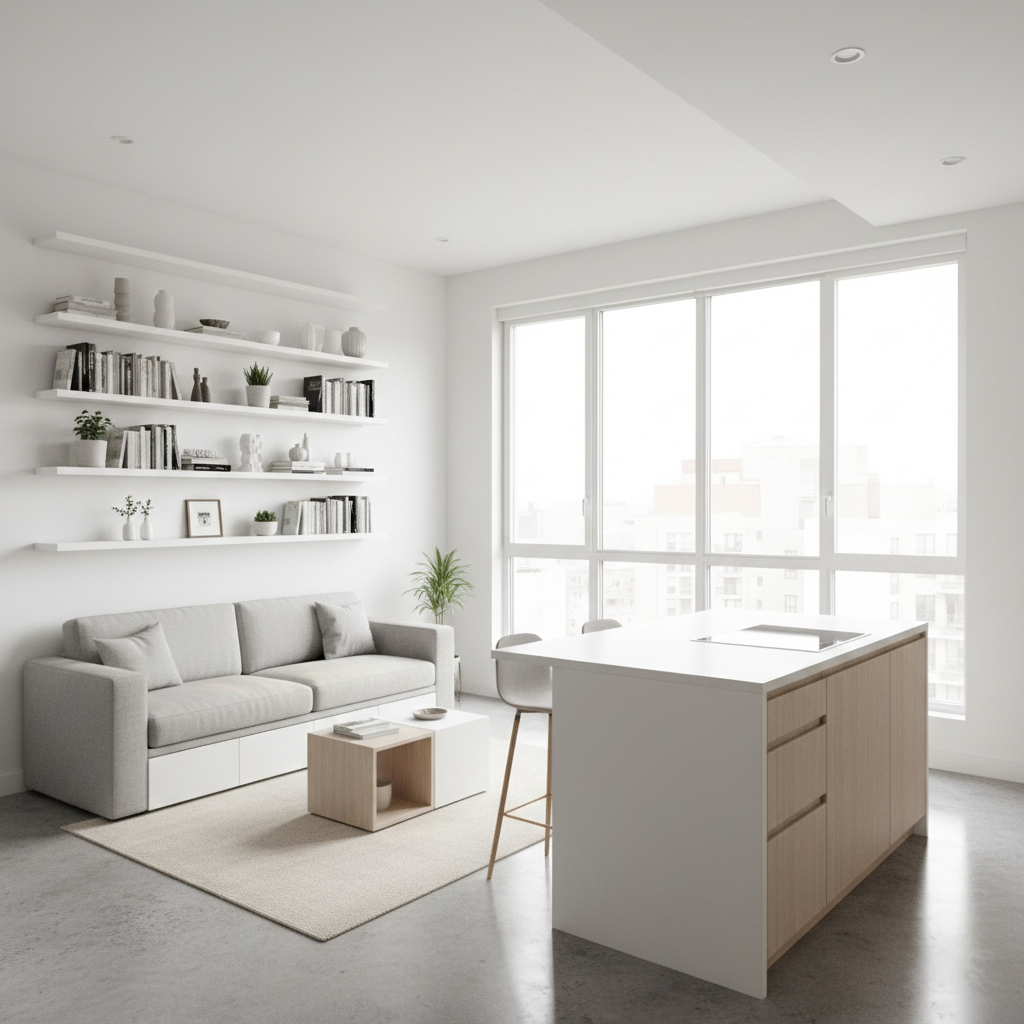
Modern design often aligns with minimalist principles – clean lines, uncluttered surfaces, and a focus on essential items. In a small home, minimalism isn’t just an aesthetic choice; it’s a practical necessity. Less clutter means less visual noise, making a space feel larger and more serene. Before you even think about storage solutions, the first and most impactful step is to declutter. Be ruthless in evaluating your possessions and only keep what truly adds value or joy to your life. This foundational step will make all subsequent design and storage efforts infinitely more effective.
Functionality as the Guiding Principle
Every item and every design choice in a small home should serve a purpose. Multi-functional pieces are highly valued, as are layouts that allow for various activities within the same zone. Think about how each area of your home can adapt to different needs throughout the day, ensuring maximum utility from your limited square footage.
Open-Plan Living: Expanding Visual Space
Modern small homes frequently utilize open-plan layouts to eliminate restrictive walls, creating a seamless flow between living, dining, and kitchen areas. This not only fosters a sense of connectedness but also visually expands the space, allowing natural light to penetrate deeper into the home. While not always feasible for structural reasons, where possible, an open concept is a cornerstone of small modern design.
Smart Storage Solutions: The Heart of Small Home Design
Intelligent storage is arguably the most critical component of successful modern small home design. It’s not about having more storage units; it’s about smarter, more integrated, and often hidden ways to keep your belongings organized and out of sight.
1. Maximize Vertical Space: Go Up!
When horizontal space is limited, the only way to go is up. Vertical storage is a game-changer for small homes.
- Floor-to-Ceiling Shelving: Install custom or modular shelving units that extend all the way to the ceiling. Use the highest shelves for seasonal items or things you don’t access frequently.
- Wall-Mounted Storage: Floating shelves, wall-mounted cabinets, and pegboards free up valuable floor space. In kitchens, wall-mounted magnetic knife strips and spice racks are brilliant.
- Tall, Narrow Bookcases: Opt for slender, high bookcases over wide, short ones to utilize wall height without consuming too much floor area.
2. Embrace Multi-functional Furniture
Furniture that serves more than one purpose is an absolute essential for modern small living.
- Storage Ottomans and Benches: These pieces offer comfortable seating while concealing blankets, books, or extra linens.
- Sofa Beds or Daybeds: Perfect for guest rooms or studio apartments, these transform from seating to sleeping arrangements effortlessly.
- Expandable or Drop-Leaf Tables: A dining table that can extend for guests or fold down to a console for everyday use is incredibly practical.
- Modular Sectionals: Sofas that can be reconfigured or have integrated storage are ideal for dynamic small living rooms.
- Coffee Tables with Storage: Look for coffee tables with drawers, lift-tops, or hidden compartments.
3. Discover Hidden Storage Opportunities
The beauty of smart storage often lies in its ability to disappear.
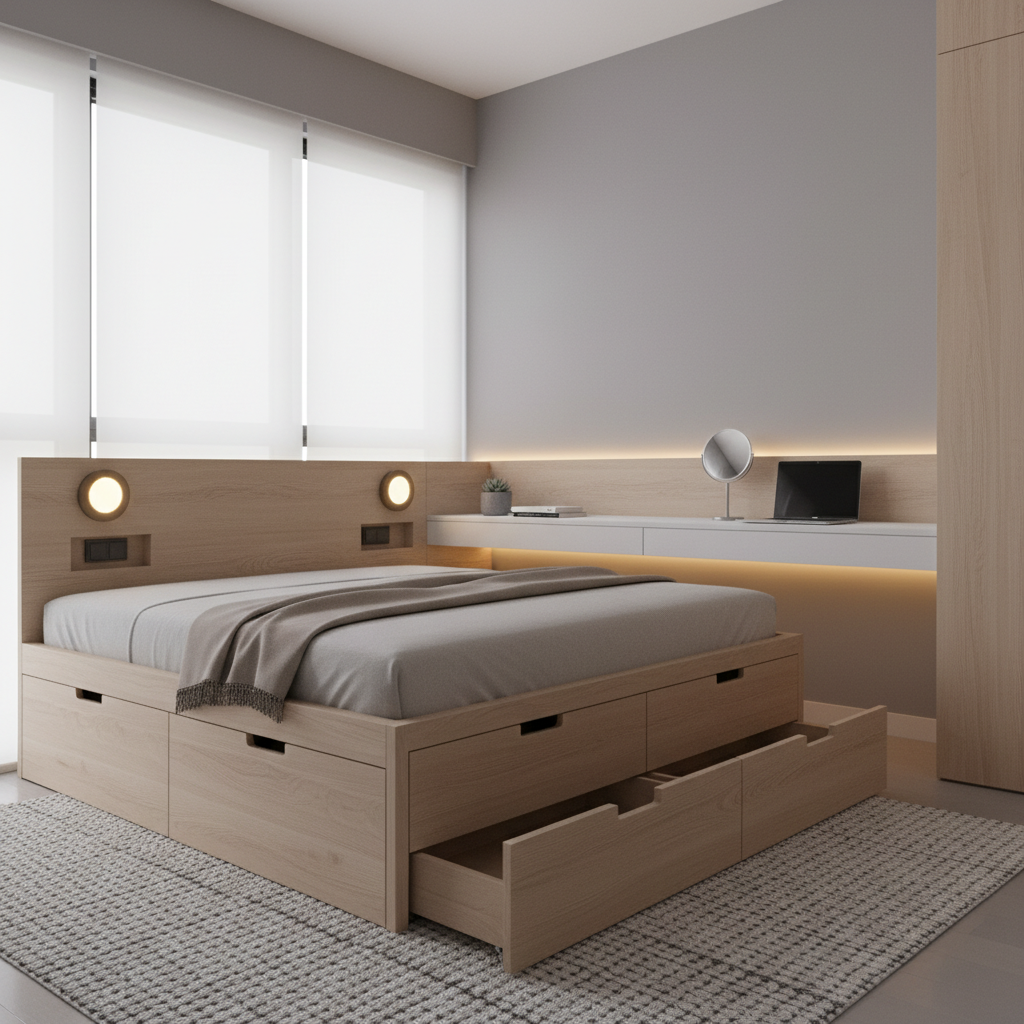
- Under-Bed Storage: Invest in a bed frame with built-in drawers or use storage bins specifically designed to slide under the bed.
- Built-In Cabinetry: Custom built-ins can transform awkward nooks and crannies into functional storage. Think around windows, above doorways, or flanking a fireplace.
- Staircase Drawers/Shelving: If you have stairs, the space underneath or within the risers can be converted into drawers or cubbies.
- Kick-Drawer Storage: The toe-kick space under kitchen and bathroom cabinets can be outfitted with shallow drawers for trays, cutting boards, or pet bowls.
- Storage Behind Mirrors or Art: Medicine cabinets are a classic example, but you can also create custom panels behind wall art for discreet storage.
4. Intelligent Closet and Pantry Organization
Even small closets and pantries can become highly efficient with the right strategies.
- Drawer Dividers and Organizers: Keep items neat and easily accessible.
- Pull-Out Shelves and Baskets: Maximize accessibility to items stored deep within cabinets.
- Tiered Shelving and Risers: Create levels within cabinets to double or triple storage capacity for cans, spices, or dinnerware.
- Door-Mounted Storage: Over-the-door shoe racks, spice racks, or hooks can provide significant extra storage without taking up internal space.
- Vacuum-Seal Bags: Compress bulky seasonal clothing or bedding to save space.
5. Optimize Every Room
Let’s look at specific applications of smart storage and design principles in different areas of your small home.
Kitchen
- Island with Storage: A kitchen island can serve as prep space, dining area, and offer extensive drawers or open shelving.
- Pegboards for Utensils: Keep often-used kitchen tools within reach but off the counter.
- Corner Drawers/Lazy Susans: Utilize awkward corner cabinet spaces effectively.
- Roll-Out Pantries: Narrow pull-out units are perfect for storing spices, oils, or canned goods in tight spaces.
- Stackable Cookware: Invest in pots and pans designed to nest neatly together.
Living Room
- Floating Media Console: Keeps electronics tidy and off the floor, making the room feel more open.
- Wall-Mounted Shelving with Bins: Ideal for displaying decor while concealing clutter in attractive bins.
- Nesting Tables: A set of tables that tuck into one another, providing flexibility for entertaining.
Bedroom
- Platform Bed with Storage: The ultimate space-saver for bedding, clothes, or books.
- Wall-Mounted Nightstands: Free up floor space and maintain a clean aesthetic.
- Built-In Wardrobes: Custom wardrobes can maximize storage up to the ceiling and integrate seamlessly into the room’s design.
- Headboards with Storage: Some modern headboards come with shelves or compartments.
Bathroom
- Floating Vanity: Creates an illusion of more space by exposing the floor underneath.
- Over-the-Toilet Storage: Utilize this often-wasted vertical space for toiletries and towels.
- Shower Niche: Built-in shelving in the shower for shampoo and soap avoids bulky caddies.
- Slim Rolling Carts: Perfect for tucking into small gaps for extra storage.
Entryway
- Narrow Console Table with Drawers: A place for keys, mail, and some hidden storage.
- Wall-Mounted Coat Rack/Hooks: Keep outerwear off the floor.
- Storage Bench: A spot to sit and put on shoes, with hidden storage for shoes or bags.
Design Elements that Enhance Small Spaces
Beyond storage, specific design choices can dramatically impact how spacious and modern a small home feels.
1. Light and Bright Color Palettes
Light colors – whites, creams, light greys, and pastels – reflect light, making rooms feel larger and more open. Use darker colors sparingly as accents. Painting walls and ceilings the same light color can blur boundaries, making the room feel taller. For more tips on enhancing your home’s appearance, Better Homes & Gardens offers excellent advice on paint colors for small spaces.
2. Strategic Lighting
Good lighting is crucial. Maximize natural light with sheer curtains or blinds that can be pulled back completely. Supplement with layered artificial lighting:
- Recessed Lighting: Provides ambient light without taking up visual space.
- Task Lighting: Under-cabinet lights in the kitchen, reading lamps by a sofa.
- Accent Lighting: To highlight artwork or create mood.
- Wall-Mounted Sconces: Free up floor and table space.
3. Mirrors: The Illusion of Space
Strategically placed mirrors can create the illusion of depth and reflect light, instantly making a room feel larger and brighter. A large mirror leaning against a wall or a gallery wall of smaller mirrors can be highly effective.
4. Furniture Scale and Placement
- Proportionate Pieces: Choose furniture that fits the scale of the room. Oversized pieces will overwhelm.
- Leggy Furniture: Pieces with exposed legs allow light to pass underneath, making them appear lighter and less bulky, thus contributing to an airy feel.
- Wall-Mounted Items: As mentioned, these free up floor space.
- Clear Furniture: Acrylic or glass tables and chairs are visually unobtrusive, allowing your eye to see through them, which creates a sense of openness.
5. Consistency in Design
Maintaining a consistent aesthetic, color scheme, and material palette throughout a small home creates a cohesive flow, preventing the space from feeling choppy or disjointed. This contributes to a sense of expansiveness.
6. Utilizing Awkward Spaces
Every nook and cranny has potential:
- Window Sills: Can become narrow shelves for small plants or decor.
- Corner Shelves: Soften sharp corners while adding storage.
- Space Above Doors: A narrow shelf can hold books or display items.
FAQs About Modern Small Home Design and Smart Storage
Q1: What defines “modern” in small home design?
Modern small home design typically emphasizes clean lines, open layouts, natural light, a minimalist aesthetic, and high functionality. It prioritizes thoughtful space utilization, smart storage solutions, and often incorporates neutral color palettes with strategic pops of color and texture.
Q2: How can I make my small apartment feel more spacious without major renovations?
Focus on decluttering, using light paint colors, maximizing natural light, placing mirrors strategically, and incorporating multi-functional furniture. Embrace vertical storage, use furniture with exposed legs, and maintain a consistent color scheme throughout your living areas. Good lighting is also key to expanding a space visually.
Q3: Are open shelves a good idea for small spaces?
Open shelves can be great for small spaces as they don’t block light or feel as heavy as closed cabinets, contributing to an airy feel. However, they require careful styling and consistent organization. They work best for beautifully curated items, books, or frequently used kitchenware. For items that tend to clutter, closed storage is often preferable to maintain a tidy appearance.
Q4: What are the most common mistakes people make when designing a small home?
Common mistakes include overcrowding the space with too much furniture, choosing oversized furniture, neglecting vertical storage, not decluttering first, using too many dark colors, and failing to plan for multi-functional use of areas. A lack of proper lighting can also make a small space feel cramped and dull.
Q5: How do I choose the right furniture for a small home?
Look for furniture that is proportionate to the room, offers multi-functional capabilities (e.g., storage ottomans, sofa beds), and has a visually light footprint (e.g., exposed legs, glass or acrylic materials). Modular pieces are also excellent as they can be reconfigured to suit different needs.
Conclusion: Living Large in a Small Footprint
Designing a modern small home with smart storage is an art form, a thoughtful blend of aesthetics and practicality. It’s about making conscious choices that enhance your daily life, rather than being limited by square footage. By integrating ingenious storage solutions, embracing multi-functional pieces, and applying intelligent design principles, you can create a home that not only looks sleek and contemporary but also functions flawlessly for your unique lifestyle.
Remember, the goal isn’t just to fit everything in, but to create an environment that feels expansive, organized, and truly reflective of modern living. With these modern home design ideas for small homes smart storage, you’re well-equipped to transform your compact dwelling into a highly efficient and beautiful sanctuary.