The Science Behind the Stink: Why Your Shower Curtain Gets Mildewy
Before diving into solutions, understanding the enemy is key. Mildew, a type of mold, is a common fungus that loves damp, warm, and dark environments. Your shower curtain provides the perfect breeding ground:
- Constant Moisture Exposure: Every shower douses the curtain in water, leaving it damp for extended periods.
- Poor Ventilation: Many bathrooms lack adequate air circulation, trapping humidity and preventing curtains from drying fully.
- Soap Scum and Body Oils: These residues create a nutrient source for mildew to feed on.
- Material Type: Certain materials are more porous or less resistant to mildew growth than others.
The “smell” you detect is actually due to volatile organic compounds (VOCs) released by the growing mildew colonies. These compounds are what give mildew its distinctive earthy, musty, and often unpleasant odor.
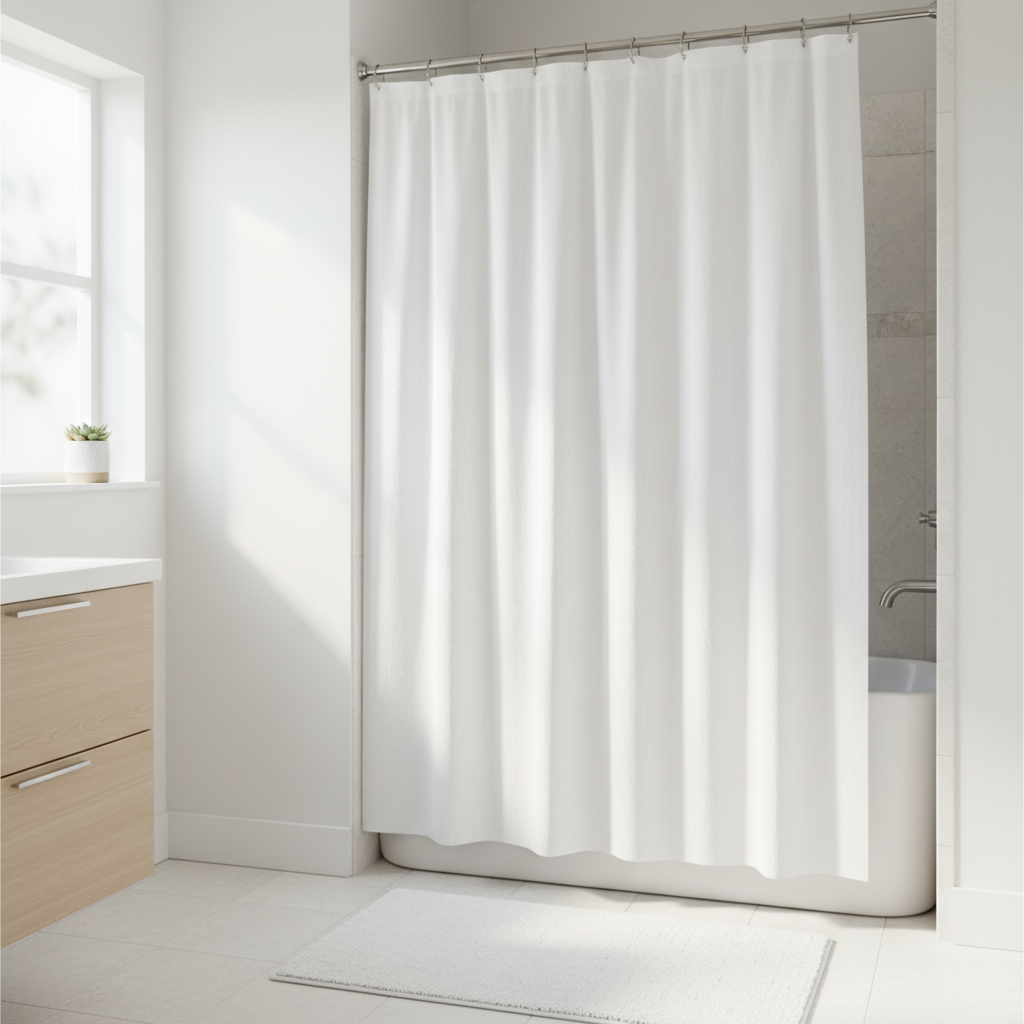
Immediate Action: Getting Rid of Existing Mildew and Its Odor
If your shower curtain is already emitting that tell-tale mildew smell, it’s time for an intervention. The good news is that most shower curtains can be cleaned effectively.
Washing Machine Methods: For Fabric and Some Vinyl Curtains
Many fabric shower curtains and even some vinyl liners can be safely cleaned in your washing machine. Always check the care label first!
Steps for Machine Washing:
- Remove the Curtain: Take down the curtain and its liner (if separate) from the hooks.
- Pre-Treat (Optional but Recommended): For heavy mildew, spray affected areas with a white vinegar solution (equal parts vinegar and water) and let sit for 15-30 minutes.
- Load the Washer: Place the shower curtain in the washing machine. For added scrubbing power and to help distribute cleaning agents, you can toss in a few old towels.
- Add Cleaning Agents:
- Detergent: Use your regular laundry detergent.
- White Vinegar: Add 1/2 to 1 cup of white vinegar to the detergent dispenser or directly into the wash cycle. Vinegar is a natural deodorizer and a mild disinfectant that helps break down mildew.
- Baking Soda: For extra deodorizing power, add 1/2 cup of baking soda directly to the wash tub with the curtain.
- Bleach (Caution!): For white or light-colored fabric curtains with severe mildew, a small amount of bleach (1/2 cup) can be used. *Never mix bleach with vinegar or ammonia-based cleaners, as this creates toxic fumes.* Ensure your curtain material is bleach-safe.
- Select Cycle: Choose a gentle cycle with warm or hot water (again, check the care label). Hot water is more effective at killing mildew.
- Rinse and Spin: Allow the machine to complete its cycles.
- Drying:
- Fabric Curtains: Tumble dry on low heat or, ideally, hang it back up on the shower rod to air dry completely. Ensure good ventilation.
- Vinyl/PEVA Liners: *Do NOT put vinyl or PEVA liners in the dryer.* The heat can melt or damage them. Hang them immediately over the shower rod or a clothesline to air dry completely. Use a fan to speed up the process if possible.
Hand-Cleaning Methods: For Delicate Materials or Spot Treatment
If your curtain isn’t machine washable, or if you prefer a more hands-on approach, hand-cleaning is effective.
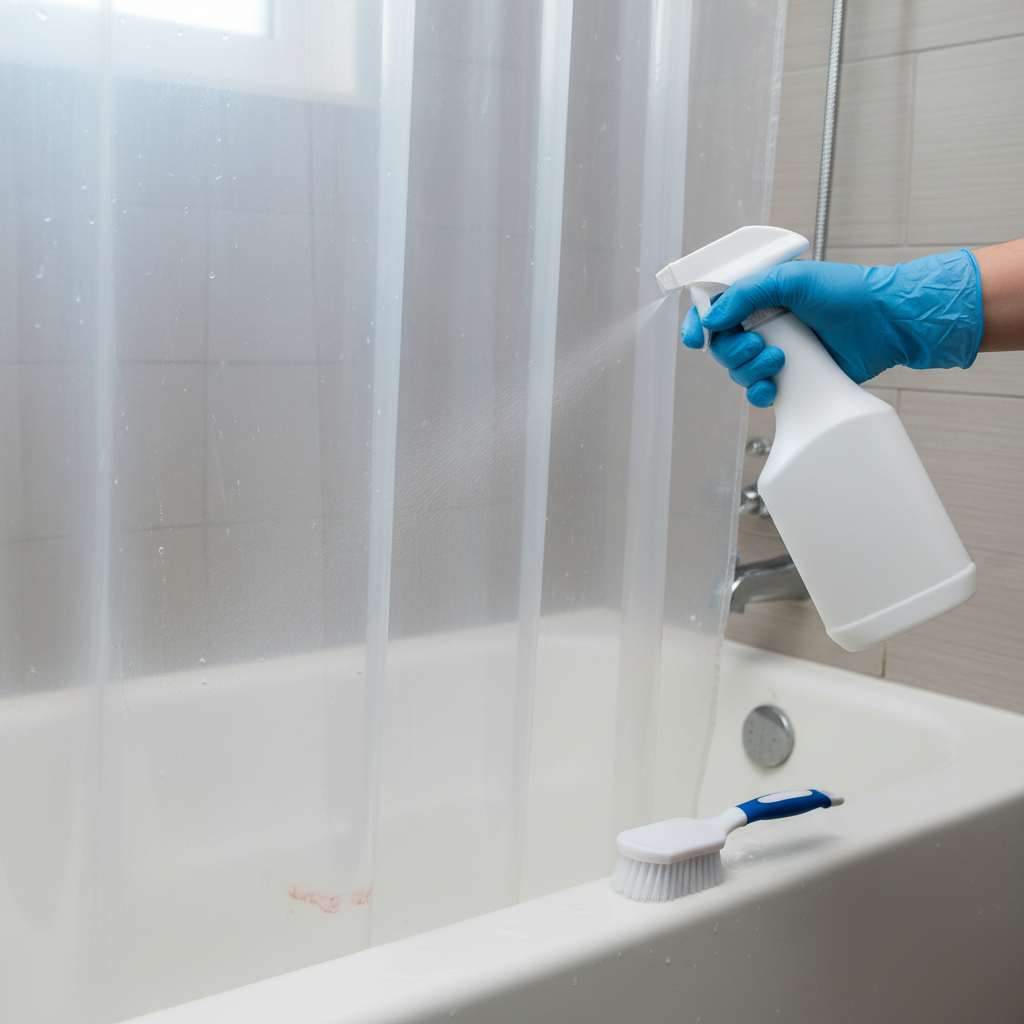
Vinegar and Baking Soda Paste:
- Create a Paste: Mix baking soda with just enough white vinegar to form a thick paste.
- Apply: Spread the paste over the mildewed areas.
- Scrub: Let it sit for 15-30 minutes, then scrub gently with a soft brush or sponge.
- Rinse: Rinse thoroughly with warm water.
- Dry: Hang immediately to air dry completely.
Hydrogen Peroxide:
Hydrogen peroxide is another effective, non-toxic option. It’s a natural bleach alternative.
- Spray: Spray 3% hydrogen peroxide directly onto the mildewed spots.
- Sit: Let it sit for 10-15 minutes.
- Scrub (Optional): Lightly scrub if needed.
- Rinse: Rinse well with water.
- Dry: Air dry completely.
Don’t Forget the Rings and Rod!
Mildew spores can also cling to your shower curtain rings and the shower rod itself. Wipe them down with a multi-purpose cleaner, a vinegar solution, or even a disinfectant wipe to prevent cross-contamination and ensure a fully clean environment.
Long-Term Prevention: Stopping Mildew From Coming Back
Cleaning is only half the battle. To truly prevent your shower curtain attracting mildew smell, you need a proactive prevention strategy.
1. Improve Bathroom Ventilation
This is perhaps the most crucial step. Mildew thrives in humidity.
- Use the Exhaust Fan: Turn on your bathroom exhaust fan before you shower and leave it running for at least 15-30 minutes *after* your shower.
- Open Windows: If you have a window in your bathroom, open it slightly during and after your shower to allow moist air to escape.
- Keep Door Ajar: If no fan or window is available, leaving the bathroom door slightly ajar can help reduce humidity buildup.
- Dehumidifier: For persistently humid bathrooms, a small dehumidifier can be a game-changer.
2. Choose the Right Shower Curtain Material
The material of your shower curtain plays a significant role in its susceptibility to mildew.
- Fabric Curtains: Often made from cotton, linen, or polyester. Polyester is generally more mildew-resistant than natural fibers because it absorbs less water. Look for “water-repellent” or “mildew-resistant” labels. Fabric curtains *always* need a liner.
- Vinyl/PEVA Liners: These are very common and affordable. PEVA (polyethylene vinyl acetate) is a better choice than PVC vinyl as it’s typically PVC-free and more environmentally friendly. They are waterproof but can still develop mildew if not properly dried.
- Hemp or Linen: While natural and beautiful, these materials are highly absorbent and require excellent ventilation and very frequent cleaning to avoid mildew.
- Nylon: Similar to polyester, nylon is durable and relatively quick-drying, making it a good choice.
Consider using a fabric shower curtain for aesthetics and a separate PEVA or vinyl liner for water protection. This allows you to easily clean or replace the less expensive liner more frequently.
3. Dry Your Curtain After Every Use
This simple habit can drastically reduce mildew growth.
- Spread it Out: After your shower, fully extend the shower curtain and liner across the rod. Do not leave it bunched up, as this traps moisture in the folds.
- Squeegee (Optional): Some people like to quickly squeegee excess water off the liner.
- Give it a Shake: A quick shake can dislodge water droplets.
- Allow Airflow: Ensure the curtain isn’t pressed against the wall or tub, allowing air to circulate around it.
4. Regular Cleaning Schedule
Consistency is key to preventing that dreaded mildew smell from returning.
- Weekly Wipes: Once a week, quickly spray the bottom portion of your liner with a diluted white vinegar solution (1:1 water to vinegar) or an all-purpose bathroom cleaner. Let it sit for a few minutes, then wipe down with a sponge or cloth and rinse.
- Monthly Wash: Machine wash your fabric curtain and liner (if machine-washable) once a month using the methods described above.
- Spot Clean: Address any tiny mildew spots as soon as they appear to prevent them from spreading.
5. Natural Mildew Inhibitors
Certain natural products can help deter mildew growth.
- Tea Tree Oil: Known for its antifungal properties, a few drops of tea tree oil mixed with water in a spray bottle can be misted onto the curtain periodically. *Do not rinse.* Be aware of the strong scent, and test on an inconspicuous area first.
- Essential Oils: Eucalyptus or peppermint oil also have mild antifungal properties and can leave a pleasant scent.
6. Consider Shower Curtain Weights or Magnets
A liner that clings to the tub can prevent water from escaping, but also prevent air from circulating. If your liner is constantly suctioned to the tub, it might be trapping moisture. Some liners come with weighted hems or magnets to help them hang properly without clinging excessively.
Dealing with Stubborn Mildew Smells
Sometimes, even after cleaning, a faint mildew smell can linger. Here’s what else to try:
- Sunlight: UV rays from sunlight are natural disinfectants. If possible, hang your cleaned curtain outside on a sunny day for a few hours. This can be incredibly effective at killing lingering spores and odors.
- Odor Absorbers: Place an open box of baking soda, a bowl of white vinegar, or activated charcoal near the shower area. These can absorb ambient odors in the bathroom.
- Air Fresheners/Diffusers: While not a solution for the mildew itself, a natural air freshener or essential oil diffuser can help keep your bathroom smelling fresh between deep cleans.
When to Replace Your Shower Curtain
Despite your best efforts, some shower curtains reach a point of no return. If your curtain:
- Has extensive, deeply embedded black mold stains that won’t come out.
- Is torn, ripped, or damaged.
- Is old and has a persistent, embedded odor even after cleaning.
It’s time to replace it. Liners, in particular, are relatively inexpensive and should be replaced every 6-12 months, or sooner if visible mildew becomes difficult to remove. For more detailed tips on how to clean a shower curtain and liner effectively, Good Housekeeping offers excellent advice on cleaning various types of shower curtains and liners, emphasizing methods to tackle tough mildew.
Conclusion: A Fresh Bathroom is Within Reach
A shower curtain attracting mildew smell is a common household annoyance, but it’s entirely preventable and treatable. By understanding the causes, implementing regular cleaning routines, and adopting simple habits like proper ventilation and drying, you can ensure your bathroom remains a fresh, inviting space. Say goodbye to musty odors and hello to a consistently clean and hygienic shower experience!