The Culprit Behind the Stink: Why Shower Curtains Attract Mildew Smell
Understanding why shower curtains are a prime breeding ground for mildew is the first step toward effective prevention and removal. Several factors converge to create the perfect storm for these unwelcome guests.
Constant Moisture and Humidity
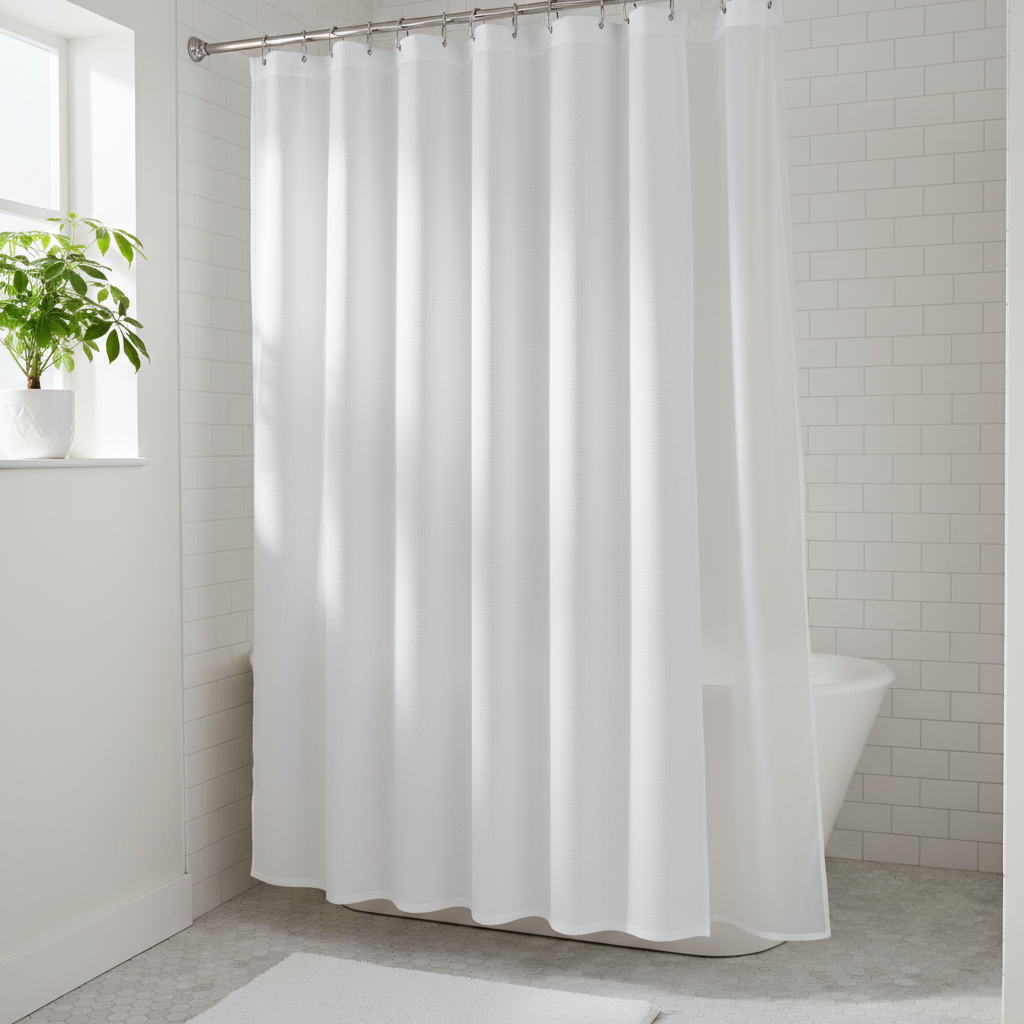
The primary reason for mildew growth is, unsurprisingly, moisture. Every shower you take saturates the curtain with water droplets, and the steam fills the bathroom with humidity. If this moisture isn’t properly dried or ventilated, it lingers, providing a continuous water source for mildew spores to germinate and flourish. The folds and creases of a shower curtain are especially susceptible, as water can pool and remain trapped.
Lack of Air Circulation
Bathrooms are often small, enclosed spaces. When combined with a lack of proper ventilation—whether from an inadequate exhaust fan, closed windows, or simply not allowing enough time for air to move—the humidity becomes trapped. Stagnant, moist air is an ideal environment for mildew, as fresh air circulation helps to dry surfaces and disperse spores.
Fabric Type Matters
The material of your shower curtain plays a significant role. Fabric curtains (like cotton or linen) can absorb and retain moisture more readily than synthetic options, making them more prone to mildew if not dried quickly. While many synthetic curtains are designed to be water-repellent, even they can develop mildew on their surface if conditions are right, especially on the inner liner which takes the direct brunt of water.
Soap Scum and Body Oils
It’s not just water. Soap scum, body oils, dead skin cells, and shampoo residue can accumulate on your shower curtain. This organic matter acts as a food source for mildew and bacteria, encouraging faster and more robust growth. The more grime present, the easier it is for mildew to take hold and emit its characteristic musty odor.
Proactive Prevention: Stop Mildew Before It Starts
The best defense against a shower curtain attracting mildew smell is a strong offense. Implementing a few simple habits and making smart choices can drastically reduce mildew growth.
Air It Out! Ventilation is Key
This is perhaps the most critical step. After every shower, ensure your bathroom has adequate ventilation. Turn on the exhaust fan and let it run for at least 15-20 minutes after you’re done, or even longer if your bathroom is particularly prone to humidity. If you have a window, open it wide to allow fresh air to circulate and help dry out the space. For more expert tips on maintaining a healthy bathroom environment, Good Housekeeping offers valuable advice on keeping your bathroom spotless and mildew-free, which includes excellent ventilation strategies.
Extend and Dry
Don’t leave your shower curtain bunched up after showering. Extend it fully across the rod. This allows the fabric or liner to dry evenly and quickly, preventing water from pooling in the folds where mildew loves to hide. If your curtain has a fabric outer layer and a liner, ensure both are fully extended.
Regular Cleaning Routine
Consistency is key. Regularly wiping down your shower curtain and liner can prevent the buildup of soap scum and mildew spores. For vinyl or PEVA liners, a quick wipe with a damp cloth or sponge can go a long way. Fabric curtains will benefit from more frequent washing, as detailed below.
Choosing the Right Curtain Material
- PEVA/EVA vs. Fabric: Polyethylene Vinyl Acetate (PEVA) and Ethylene Vinyl Acetate (EVA) liners are excellent choices for mildew resistance. They are naturally water-repellent and less porous than fabric, making it harder for mildew to cling and grow. Fabric curtains, while often more aesthetically pleasing, require more diligent care.
- Water-repellent Coatings: Look for fabric shower curtains that are treated with water-repellent or mildew-resistant coatings. These treatments help water bead off, reducing moisture retention.
The Liner vs. Curtain Debate
It’s often the liner, not the decorative outer curtain, that bears the brunt of the water and is most prone to mildew. Many people opt for a separate liner made of mildew-resistant PEVA or a washable fabric, allowing them to clean or replace the liner more frequently without having to deal with the entire curtain. This strategy is highly effective.
Consider a Mildew-Resistant Liner
If your existing liner is a mildew magnet, consider upgrading to one specifically marketed as “mildew-resistant” or “anti-microbial.” These liners are often treated with special agents that inhibit fungal growth, providing an extra layer of protection against the dreaded musty smell.
Banishing the Mildew Smell: Cleaning Your Shower Curtain Effectively
If your shower curtain is already attracting mildew smell, don’t despair! Most curtains can be salvaged with a thorough cleaning. The method depends on the material.
Washing Fabric Shower Curtains
Fabric shower curtains are usually machine washable, which makes cleaning them relatively easy.
-
Machine Washing Instructions:
- Remove the curtain from the rod.
- Check the care label for specific instructions. Most fabric curtains can be washed in warm water on a gentle cycle.
- Add your regular laundry detergent. For an extra boost against mildew and odors, add ½ cup of baking soda to the wash cycle and/or ½ cup of white vinegar to the rinse cycle. The baking soda helps absorb odors, while vinegar acts as a natural disinfectant and mildew killer.
- To aid in scrubbing power, you can even toss in a couple of old bath towels with the curtain. Their friction can help dislodge mildew and soap scum.
-
Drying Tips:
- Hang fabric curtains to air dry immediately after washing. Draping them over a shower rod or clothesline is ideal.
- If using a dryer, tumble dry on a low setting or air-only cycle, removing it while still slightly damp to prevent wrinkles and allow for final air drying. Over-drying can damage the fabric or its water-repellent coating.
Cleaning Vinyl/PEVA Shower Curtains
Vinyl and PEVA curtains are generally not machine washable, but they are easy to clean by hand.
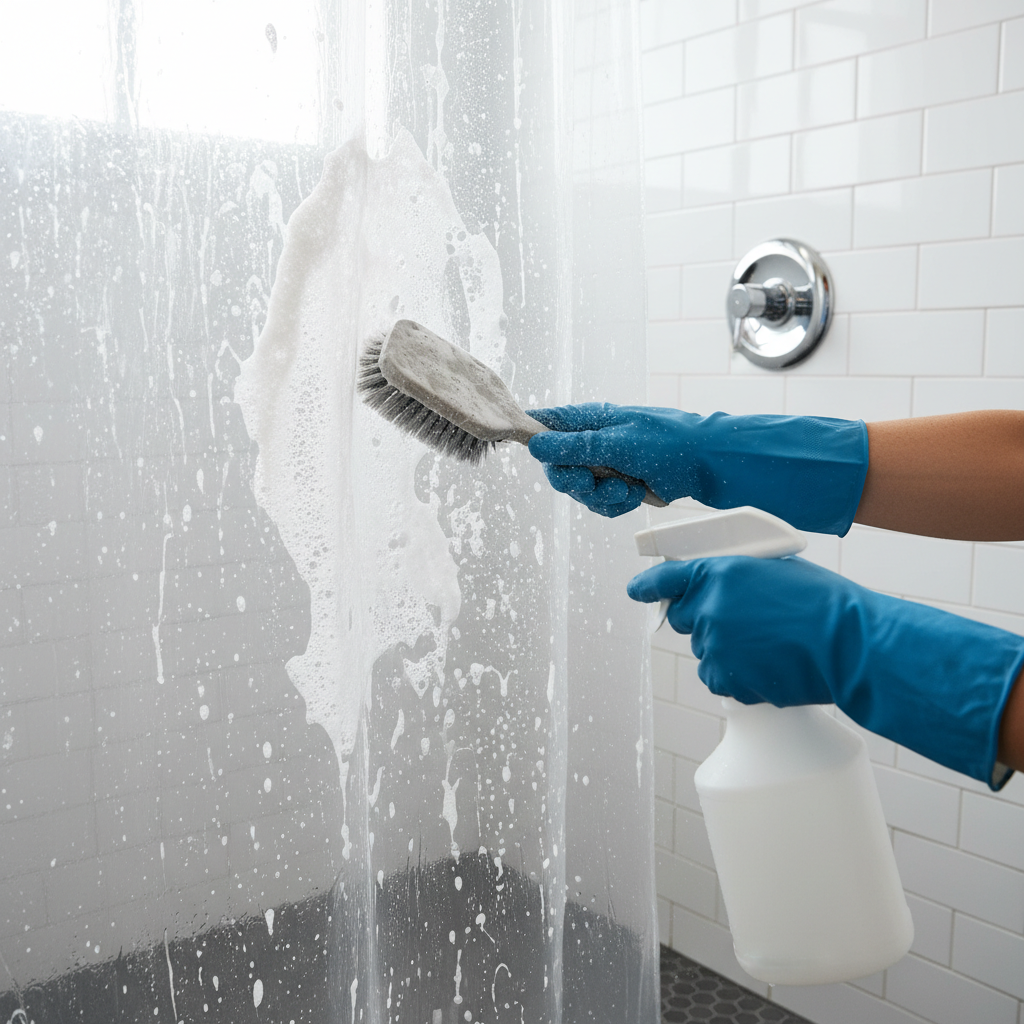
- Spot Cleaning: For small mildew spots, mix equal parts white vinegar and water in a spray bottle. Spray the affected areas, let it sit for a few minutes, then scrub gently with a sponge or soft brush. Rinse thoroughly.
-
Shower Cleaning Method: If your liner is heavily soiled, you can clean it while it’s still hanging in the shower.
- Spray the entire liner with your vinegar and water solution, or a commercial bathroom cleaner specifically designed for mildew.
- Allow it to sit for 10-15 minutes.
- Use a sponge or a soft-bristled brush to scrub down the liner, paying extra attention to the bottom and creases.
- Rinse thoroughly with warm water from your showerhead.
-
Soaking Options: For a deeper clean, especially if the mildew is persistent, you can soak the liner in a bathtub.
- Fill the tub with warm water.
- Add 1 cup of white vinegar and ½ cup of baking soda (allow it to fizz). Alternatively, you can use a small amount of laundry detergent or a mild bleach solution (1/4 cup bleach per gallon of water – use with caution and ensure good ventilation).
- Submerge the liner and let it soak for an hour or two.
- Scrub any remaining spots, then rinse thoroughly and hang to dry.
Deep Cleaning and Stain Removal
For stubborn mildew stains and odors, stronger solutions might be needed. Always test on an inconspicuous area first.
- Bleach (Use with Caution): For white or light-colored plastic liners, a diluted bleach solution (1/4 cup bleach per gallon of water) can be very effective. Spray it on, let it sit for 10-15 minutes, scrub, and rinse extremely well. Ensure excellent ventilation and wear gloves. Never mix bleach with vinegar or ammonia.
- Hydrogen Peroxide: A safer alternative to bleach for many surfaces. Spray 3% hydrogen peroxide directly onto mildew spots, let it sit for 10 minutes, then scrub and rinse. It’s effective at killing mildew and sanitizing.
- Borax: This natural mineral powder is a powerful cleaning booster and mildew inhibitor. Add ½ cup of borax to your washing machine for fabric curtains, or create a paste with water to scrub vinyl liners. Rinse thoroughly.
Smart Choices: Selecting Shower Curtains and Liners for a Fresher Bathroom
Beyond cleaning, making informed purchasing decisions can greatly impact your battle against mildew.
Material Matters Revisited
When buying new, prioritize materials known for their mildew resistance. PEVA, EVA, or even nylon and polyester with water-resistant treatments are excellent choices for liners. If you love the look of a fabric outer curtain, ensure it’s easily washable and paired with a high-quality, mildew-resistant liner.
Breathable Designs
Some shower curtains and liners feature mesh tops or breathable panels. These designs allow air to circulate more freely, helping to dry the curtain faster and reduce humidity buildup within the shower enclosure.
Magnetic or Weighted Hems
Liners with magnetic or weighted hems help keep the curtain close to the tub, preventing water from escaping and reducing puddles. This also helps the liner hang straight and dry more effectively, minimizing folds where mildew can hide.
Proper Sizing for Better Airflow
Ensure your shower curtain and liner are the correct size for your shower opening. A curtain that’s too long and bunches on the floor of the tub will trap moisture and encourage mildew. It should just skim the inside of the tub or shower pan, allowing water to drain properly.
Beyond the Curtain: Holistic Bathroom Mildew Prevention
A mildew-free shower curtain is part of a larger strategy for a fresh bathroom. Addressing overall bathroom humidity and cleanliness will help prevent mildew from returning to your curtain and other surfaces.
Exhaust Fan Usage
Reiterate the importance: always use your exhaust fan during and after showers. If you don’t have one, consider installing one, as it’s crucial for humidity control. If your fan seems ineffective, it might need cleaning or replacement.
Dehumidifiers
For bathrooms with persistent high humidity, even with good ventilation, a small dehumidifier can be a game-changer. It actively removes moisture from the air, creating an environment less hospitable to mildew.
Wiping Down Surfaces
After showering, take a minute to quickly wipe down the shower walls, doors, and ledges with a squeegee or a towel. Removing standing water from these surfaces reduces the overall moisture in the room and lessens the burden on your shower curtain.
Regular Grout and Tile Cleaning
Mildew can also grow in grout lines and on tiles, contributing to the overall musty smell in your bathroom. Incorporate regular scrubbing of these surfaces into your cleaning routine to keep the entire space fresh.
Frequently Asked Questions About Shower Curtain Mildew
Can I really prevent mildew entirely?
While it’s difficult to prevent every single spore from ever appearing, consistent ventilation, proper drying, and regular cleaning can dramatically reduce and virtually eliminate noticeable mildew growth and odor on your shower curtain.
How often should I wash my shower curtain?
For fabric curtains, aim for every 2-4 weeks, depending on shower frequency and humidity levels. For vinyl/PEVA liners, a weekly wipe-down is great, with a deeper clean or soak once a month. If you notice a smell or visible spots, clean it immediately.
Is it better to have a fabric or plastic shower curtain for mildew prevention?
A plastic (PEVA/EVA) liner is generally more mildew-resistant and easier to clean than a fabric one. If you prefer the aesthetic of a fabric curtain, always pair it with a separate, easy-to-clean plastic or treated fabric liner.
What about curved shower rods? Do they help?
Yes, curved shower rods can help! By creating more space within the shower, they prevent the curtain from clinging to you (and the shower wall), allowing better airflow around the curtain itself, which aids in faster drying and reduces mildew growth.
Is the mildew smell harmful?
While a musty mildew smell is unpleasant, for most healthy individuals, it’s more of an aesthetic issue. However, prolonged exposure to high concentrations of mold and mildew can trigger allergies, asthma symptoms, and respiratory irritation in sensitive individuals. It’s always best to address mildew promptly for both comfort and health.
Conclusion
A musty shower curtain attracting mildew smell doesn’t have to be a permanent fixture in your bathroom. By understanding the causes, adopting proactive habits like proper ventilation and drying, and implementing effective cleaning strategies, you can easily banish mildew and keep your shower curtain, and your entire bathroom, smelling fresh and clean. Embrace these simple changes, and you’ll enjoy a healthier, more pleasant bathing experience every single day.