Why Your Shower Curtain Becomes a Mildew Magnet
Before we can tackle the solution, it’s essential to understand the root causes. Several factors contribute to your shower curtain becoming a haven for mildew.
Excessive Humidity and Moisture
The primary culprit is, unsurprisingly, moisture. Every shower you take fills the bathroom with warm, humid air. When this moisture settles on surfaces, especially one as large and frequently wet as a shower curtain, it creates the ideal breeding ground for mildew. If the bathroom isn’t adequately dried out after use, the moisture lingers, giving mildew ample time to grow.

Poor Ventilation
A lack of proper airflow exasperates the humidity problem. Bathrooms without exhaust fans, or with fans that aren’t used consistently, trap moist air. This stagnant, damp environment is precisely what mildew spores need to flourish and start producing that unpleasant, earthy scent.
Soap Scum and Body Oils
While often overlooked, the residue left behind from soaps, shampoos, conditioners, and body washes also plays a role. These organic materials, along with shed skin cells, accumulate on the shower curtain, providing a nutrient source for mildew and bacteria to feed on. This buildup acts like a buffet, encouraging faster and more aggressive growth.
Fabric Type and Material
The material of your shower curtain can significantly impact its susceptibility to mildew. Certain fabrics, especially cotton or other natural fibers, are more absorbent and take longer to dry, making them more prone to mildew growth. Vinyl or PEVA liners, while often water-resistant, can still develop mildew if not properly maintained, especially in their folds and creases.
Infrequent Cleaning
Perhaps the most straightforward reason is simply not cleaning your shower curtain often enough. Just like any other surface in your bathroom, your shower curtain requires regular attention to prevent the accumulation of moisture, soap scum, and, consequently, mildew.
Signs You Have a Mildew Problem on Your Shower Curtain
Beyond the obvious smell, there are other indicators that your shower curtain is attracting mildew.
- Distinctive Musty/Earthy Odor: This is usually the first and most noticeable sign. It’s a damp, stale smell that permeates the bathroom.
- Visible Spots: Look for small, black, gray, brown, pink, or even orange spots or splotches, especially along the bottom edge, creases, or folds of the curtain. These are colonies of mildew and bacteria.
- Slimy or Soapy Feel: If your curtain feels slick or coated even after rinsing, it could be a combination of soap scum and early mildew growth.
Immediate Solutions: How to Get Rid of Existing Mildew Smell
If your shower curtain is already emitting that tell-tale odor, it’s time for a deep clean. The method will depend on the material of your curtain.
Washing Machine Method (for Fabric Shower Curtains and Liners)
Most fabric shower curtains (polyester, nylon, cotton blends) and some fabric liners can be machine washed. Always check the care label first!
- Pre-treatment (Optional but Recommended): If there are visible mildew spots, gently scrub the affected areas with a brush and a solution of equal parts white vinegar and water, or a mild detergent. Let it sit for 15-30 minutes.
- Load the Washer: Place the shower curtain (and its fabric liner, if applicable) into the washing machine. For added scrubbing power and to prevent stretching, add a couple of bath towels to the load.
- Add Cleaning Agents:
- For a powerful clean against mildew: Add 1/2 to 1 cup of white vinegar to the detergent dispenser or directly into the wash cycle.
- Alternatively, or for extra brightening: Add 1/2 cup of baking soda directly into the drum with the curtain.
- Use your regular laundry detergent, but avoid fabric softener, as it can leave a residue that attracts more grime.
- Wash Cycle: Use a warm water cycle (if safe for the fabric, again, check the label) on a gentle or delicate setting. Cold water may not be as effective against mildew spores.
- Drying: This is crucial! Hang the curtain immediately to air dry. If your fabric curtain is dryer-safe, tumble dry on a low-heat setting or air-fluff. Never put a plastic or vinyl liner in the dryer! Ensure it is completely dry before rehanging to prevent immediate re-growth of mildew.
Hand-Washing Method (for Vinyl, PEVA, or Delicate Curtains)
For plastic liners or curtains not suitable for machine washing, a good old-fashioned hand scrub is best.
- Prepare Your Cleaning Solution:
- Vinegar Solution: Mix equal parts white vinegar and warm water in a spray bottle or bucket. This is excellent for general cleaning and mildew.
- Bleach Alternative: For tough mildew stains on white or light-colored curtains, you can use a solution of 1/4 cup bleach per gallon of water. Always test on an inconspicuous spot first and ensure good ventilation. Never mix bleach with vinegar or ammonia.
- Dish Soap: For general grime and soap scum, a few squirts of dish soap in warm water works wonders.
- Lay Flat or Hang: Lay the curtain flat in a bathtub or on a protected surface, or hang it inside the shower.
- Scrub Away: Spray or apply your chosen solution to both sides of the curtain. Use a soft brush, sponge, or microfiber cloth to scrub away visible mildew and soap scum, paying extra attention to the bottom edge and creases.
- Rinse Thoroughly: Rinse the curtain completely with clean water, ensuring no cleaning solution residue remains.
- Dry Completely: Hang the curtain back in the shower or on a clothesline in a well-ventilated area to air dry. Make sure it’s completely dry before you let it gather into folds again.
For stubborn mildew that won’t budge, consider soaking the curtain in a bathtub filled with warm water and a cup of borax or oxygen bleach (follow product instructions) for a few hours before scrubbing and rinsing.
Long-Term Prevention: Keeping Mildew Away from Your Shower Curtain
Cleaning existing mildew is a temporary fix if you don’t address the underlying causes. Here’s how to stop your shower curtain attracting mildew smell in the future.
1. Improve Bathroom Ventilation
This is arguably the most critical step.
- Use Your Exhaust Fan: Turn on your bathroom exhaust fan before you step into the shower and let it run for at least 15-20 minutes after you’re done. This helps remove humid air from the room.
- Open Windows and Doors: If you don’t have an exhaust fan, or even if you do, crack open a window or leave the bathroom door ajar during and after showering to allow moisture to escape and fresh air to circulate.
- Consider a Dehumidifier: In particularly humid climates or bathrooms, a small dehumidifier can work wonders in reducing overall moisture levels.
2. Establish a Regular Cleaning Schedule
Consistency is key to preventing mildew.
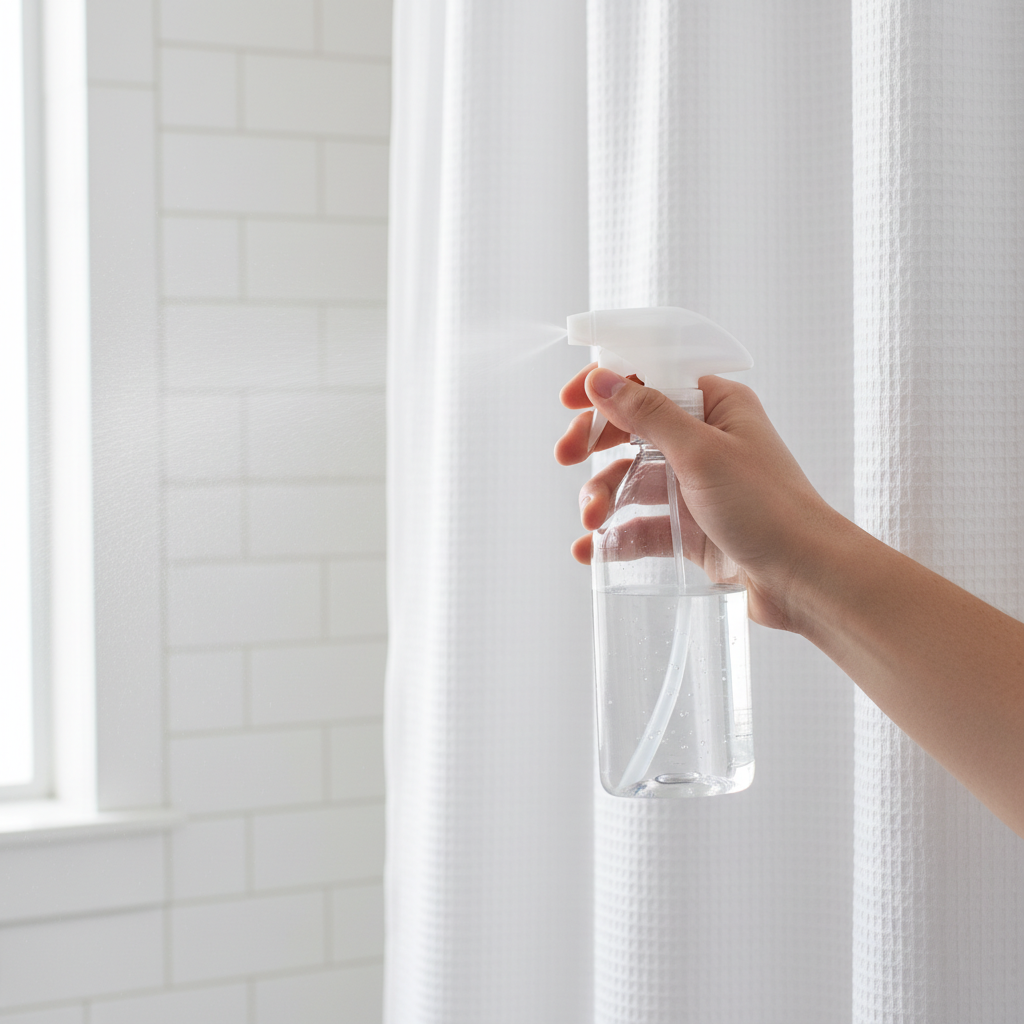
- Weekly Wipe-Down: Once a week, quickly spray your shower curtain with a mixture of equal parts white vinegar and water. Wipe it down with a sponge or cloth, focusing on the bottom edge and any folds. This simple habit disrupts mildew growth before it can establish itself.
- Monthly Wash: Aim to machine wash or hand-scrub your shower curtain (and liner) at least once a month, following the methods described above. If your bathroom is heavily used or prone to humidity, you might need to do this more frequently.
3. Choose the Right Shower Curtain Material
Your choice of curtain can make a difference.
- Mildew-Resistant Materials: Look for shower curtains and liners made from materials labeled “mildew-resistant” or “anti-bacterial.” Polyester, nylon, PEVA, and EVA are generally less prone to mildew than natural fabrics because they are less absorbent and dry faster.
- Breathable Options: While not directly mildew-proof, some woven fabrics are designed to dry quickly. Consider using a fabric outer curtain for aesthetics and a functional, easy-to-clean liner on the inside.
- Magnetic or Weighted Bottoms: Curtains with magnets or weights at the bottom help them hang flat and prevent them from clinging and forming moisture-trapping folds.
4. Adopt Post-Shower Habits
Simple actions after each shower can significantly reduce moisture.
- Spread Out the Curtain: Instead of leaving your shower curtain bunched up, spread it out fully along the rod after each shower. This allows it to air dry more quickly and prevents moisture from getting trapped in the folds.
- Wipe Down Excess Moisture: If you have a plastic or vinyl liner, a quick wipe down with a towel after your shower can remove standing water and accelerate drying.
- Use a Squeegee: If you have tiled walls or a glass shower door, squeegeeing them after each use reduces the amount of standing water and overall humidity in the shower area, benefiting the curtain too.
5. Natural Remedies for Daily Maintenance
Incorporate natural, non-toxic solutions into your routine.
- Vinegar Spray: Keep a spray bottle filled with a 1:1 mixture of white vinegar and water in your bathroom. After your shower, give the curtain a light misting, especially the bottom half. Vinegar is a mild acid that inhibits mildew growth and neutralizes odors.
- Tea Tree Oil Spray: Tea tree oil is a natural anti-fungal. Add about 10-15 drops of pure tea tree oil to a cup of water in a spray bottle. Shake well before each use and mist your curtain regularly. Be aware that tea tree oil has a distinct scent, but it dissipates quickly. Always perform a patch test on an inconspicuous area first, as essential oils can sometimes stain certain fabrics.
When to Replace Your Shower Curtain
Despite your best efforts, sometimes a shower curtain is simply past its prime. Here are signs it’s time for a replacement:
- Persistent Stains and Odors: If deep cleaning doesn’t remove all the mildew stains or the musty smell returns almost immediately, it’s a sign the mildew has deeply embedded itself into the material.
- Tears or Damage: Rips, holes, or fraying in the curtain not only look unsightly but also create more surfaces and areas for mildew to take hold.
- Material Degradation: Over time, especially with frequent washing and exposure to water, the material can break down, becoming less effective at repelling water and more susceptible to mildew.
Generally, a shower curtain liner should be replaced every 6-12 months, and a main shower curtain every 1-2 years, depending on quality, usage, and maintenance. Regular replacement is a small price to pay for a consistently fresh and hygienic bathroom environment. According to Good Housekeeping, frequent cleaning is the best defense against grime and mildew, but replacement is inevitable for liners.
Frequently Asked Questions About Shower Curtain Mildew
Q1: What’s the difference between mildew and mold?
A: Mildew is a specific type of mold that usually grows flat on surfaces. It often appears as white, gray, or yellowish patches and typically has a powdery or downy texture. Mold, in general, can be fuzzier, slimier, or appear in various colors (black, green, blue) and can penetrate deeper into surfaces, potentially causing more structural damage and health issues. While often used interchangeably in everyday language, the term “mildew” is usually applied to the superficial growth found on shower curtains.
Q2: Can I use bleach on my shower curtain?
A: It depends on the material. Bleach is very effective at killing mildew and removing stains, but it can damage or discolor certain fabrics and plastics. Always check the care label on your curtain first. If it’s a white vinyl or PEVA liner, a diluted bleach solution (1/4 cup bleach per gallon of water) can be used, but ensure good ventilation and rinse thoroughly. Never use bleach on colored fabrics unless specifically stated as color-safe bleach, and never mix it with other cleaners like vinegar or ammonia.
Q3: How often should I clean my shower curtain?
A: For optimal freshness and mildew prevention, aim for a quick wipe-down with a vinegar solution weekly and a more thorough machine or hand wash monthly. If your bathroom is very humid or experiences heavy usage, you might need to increase the frequency.
Q4: Are all shower curtains mildew-resistant?
A: No. While many modern shower curtains and liners are marketed as “mildew-resistant” or “anti-bacterial,” this doesn’t mean they’re entirely mildew-proof. It means they are made from materials or treated with coatings that inhibit mildew growth to a greater degree than untreated fabrics. Regular cleaning and proper ventilation are still essential, even with these products.
Q5: What kind of cleaner is best for mildew on shower curtains?
A: For general mildew and maintenance, white vinegar is an excellent, safe, and effective natural choice. For tougher stains on white curtains, a diluted bleach solution (if safe for the material) or oxygen bleach can be very effective. Commercial mildew removers are also available, but always check their ingredients and ensure they are safe for your specific shower curtain material.
Conclusion
A shower curtain attracting mildew smell can quickly detract from the comfort and cleanliness of your bathroom. By understanding the reasons behind mildew growth and implementing a few simple cleaning and prevention strategies, you can easily banish that musty odor for good. From ensuring proper ventilation to adopting smart post-shower habits and choosing the right materials, a fresh-smelling, mildew-free bathroom is well within your reach. Embrace these tips, and enjoy a consistently clean and inviting space every time you step in.