Understanding the Enemy: Why Mildew Loves Your Shower Curtain
Before diving into solutions, it’s essential to understand why your shower curtain becomes such a magnet for mildew. Mildew, a type of fungus, thrives in specific conditions that are inherently present in most bathrooms, especially around the shower area.
Humidity and Moisture: The Prime Suspects
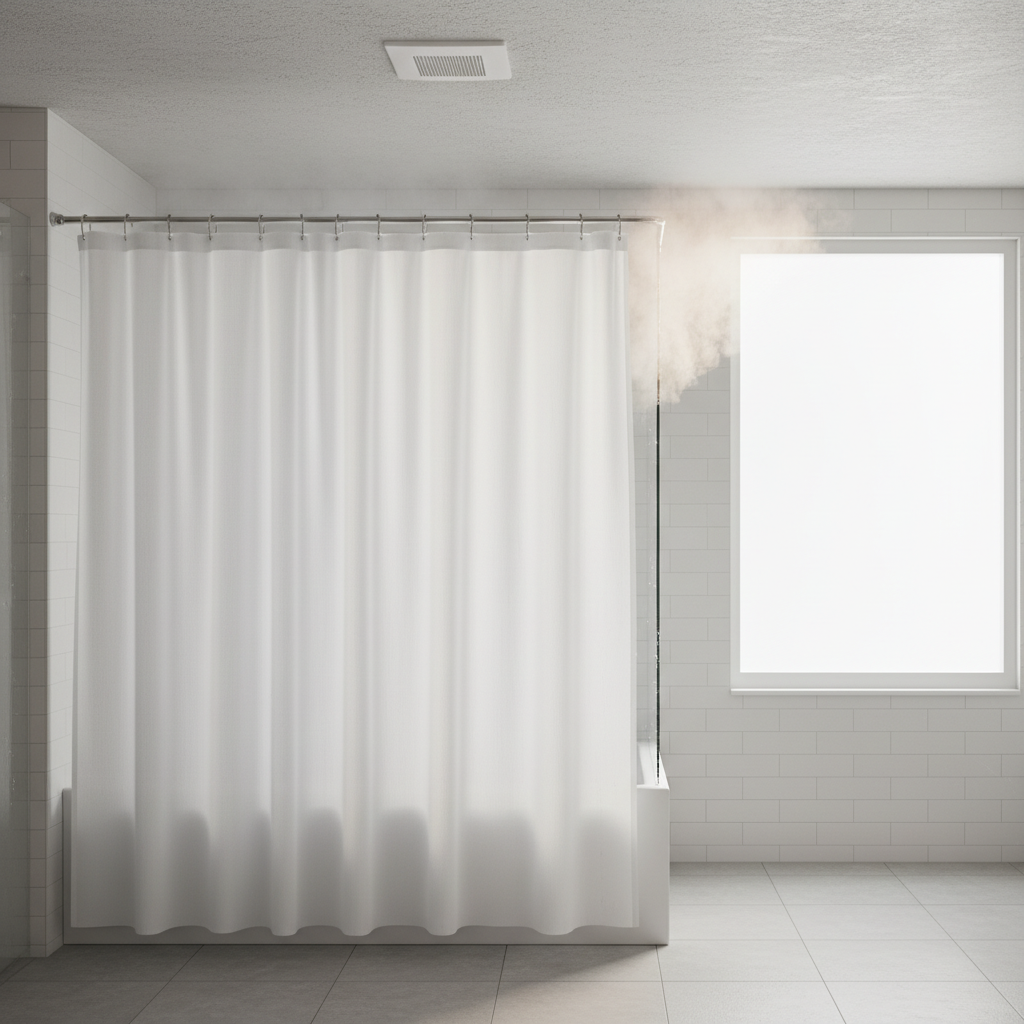
The shower itself is the primary source of moisture. Every time you take a hot shower, the bathroom fills with steam and water droplets. Shower curtains, designed to keep water inside the tub, naturally become saturated. If not allowed to dry properly, this constant dampness creates an ideal environment for mildew spores, which are microscopic and ever-present in the air, to settle and multiply.
Lack of Ventilation: A Stagnant Breeding Ground
Poor ventilation is a major contributor to lingering moisture. Bathrooms often lack adequate airflow, especially if they don’t have an exhaust fan or if windows are kept closed. Without proper air circulation, the humid air remains trapped, preventing your shower curtain and other surfaces from drying completely. This stagnant, damp environment is precisely what mildew needs to flourish, leading to that tell-tale mildew smell.
Soap Scum and Body Oils: An Unwitting Food Source
It might surprise you, but the very residues from your cleaning routine can feed mildew. Soap scum, shampoo residue, and body oils that splash onto your shower curtain provide an organic food source for mildew and mold spores. These deposits create a nutrient-rich film that accelerates their growth, making a visibly dirty curtain even more prone to developing an odor.
Fabric Types: Not All Curtains Are Created Equal
The material of your shower curtain also plays a significant role. Some materials, particularly porous fabrics, tend to absorb and retain moisture more readily than others. Vinyl (PEVA/EVA) curtains, while water-resistant, can still develop mildew on their surface, especially in the folds. Fabric curtains (polyester, cotton, hemp) are often more absorbent and can be harder to dry thoroughly, increasing their susceptibility to mildew and its accompanying smell if not cared for properly.
Spotting the Signs: Beyond Just the Smell
While the musty odor is often the first indicator, there are other tell-tale signs that your shower curtain is attracting mildew.
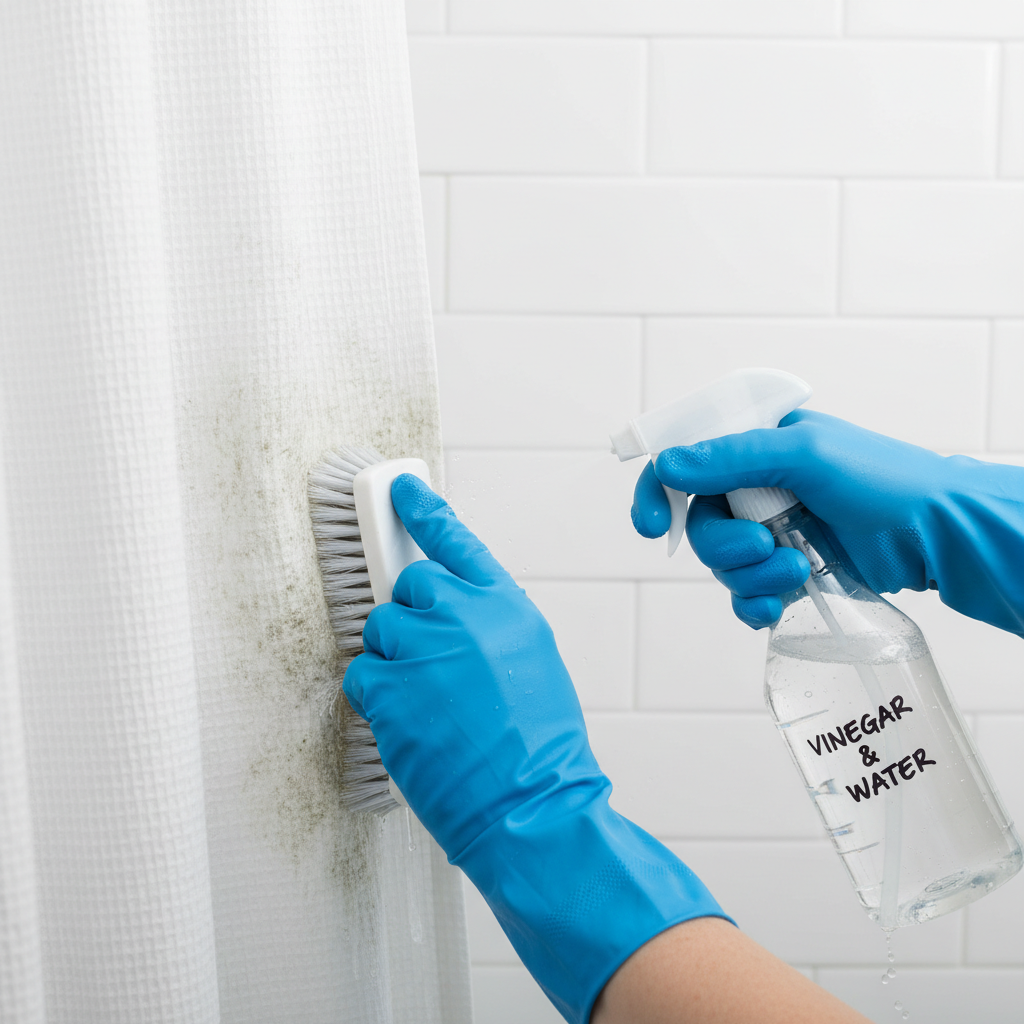
- Visible Mold or Mildew Spots: These typically appear as black, pink, orange, or green spots, often concentrated along the bottom edge or in the folds of the curtain.
- Discoloration: Beyond distinct spots, you might notice a general dinginess or a change in color, particularly on lighter-colored curtains.
- Slimy or Soapy Texture: The curtain might feel slippery or sticky to the touch, indicating a build-up of soap scum and early stages of mildew growth.
Immediate Action: How to Clean a Mildewy Shower Curtain (Right Now!)
Once you’ve identified that your shower curtain is attracting mildew smell, it’s time to take immediate action. The cleaning method will depend on the material of your curtain.
Washing Machine Method (for Fabric Curtains and Liners)
Most fabric shower curtains and liners (polyester, nylon, cotton) are machine washable. This is often the easiest and most effective way to tackle mildew and eliminate the smell.
- Remove the Curtain: Take the curtain off its hooks.
- Add to Washing Machine: Place the fabric curtain in your washing machine. For extra scrubbing power, you can add a few old towels to the load. These will act as gentle scrubbers.
- Add Cleaner:
- White Vinegar: Add 1 cup of white vinegar to the detergent dispenser along with your regular laundry detergent. Vinegar is a natural disinfectant and deodorizer.
- Baking Soda: For stubborn odors, you can add 1/2 cup of baking soda directly into the wash drum.
- Bleach (Use with Caution): For white or light-colored curtains heavily affected by mildew, you can use 1/2 cup of bleach in the bleach dispenser. *Always check the care label first, and never mix bleach with vinegar, as it can create toxic chlorine gas.*
- Wash Cycle: Wash on a warm or hot water cycle (again, check the care label for temperature recommendations).
- Rinse and Dry: After the wash cycle, hang the curtain immediately to air dry. Do NOT put it in the dryer unless the care label explicitly permits it on a low setting, as high heat can damage the material or cause shrinkage. Air drying in a well-ventilated area is best.
Hand-Washing or Scrubbing (for Vinyl/PEVA/EVA Curtains and Heavy Mildew)
Vinyl or PEVA curtains are generally not machine washable, but they are easy to clean by hand.
- Lay Flat: Lay the curtain flat in the bathtub or on a clean floor.
- Create a Cleaning Solution:
- Vinegar & Water: Mix equal parts white vinegar and warm water in a spray bottle.
- Baking Soda Paste: For tough spots, mix baking soda with a little water to form a paste.
- Mild Dish Soap: A few drops of mild dish soap can also be added to the vinegar solution.
- Scrub: Spray the solution onto the mildewed areas and let it sit for 5-10 minutes. Use a soft brush or sponge to scrub away the mildew and soap scum. For stubborn black spots, the baking soda paste can be very effective.
- Rinse Thoroughly: Rinse the curtain completely with clean water until all soap and residue are gone.
- Dry: Hang the curtain back up in the shower and spread it out as much as possible to air dry. Ensure good ventilation in the bathroom.
For more detailed insights on effective mold and mildew removal, you can refer to expert advice from sources like Good Housekeeping on cleaning mold and mildew.
Preventative Measures: Stopping Mildew Before It Starts
Cleaning a mildewed shower curtain is one thing, but preventing it from happening again is key to maintaining a fresh-smelling bathroom. These proactive steps can significantly reduce the chances of your shower curtain attracting mildew smell.
Ventilation is Key: Airflow is Your Best Friend
This is arguably the most critical step. After every shower:
- Run the Exhaust Fan: Turn on your bathroom exhaust fan during your shower and leave it running for at least 15-30 minutes afterward to pull out humid air.
- Open Windows/Doors: If you don’t have a fan, or even if you do, crack open a window or the bathroom door to allow moist air to escape and fresh air to circulate.
Spread Out the Curtain After Use
When you finish showering, make sure to fully extend your shower curtain. Don’t leave it bunched up at one end. Spreading it out allows air to circulate around both sides, helping it dry faster and preventing moisture from getting trapped in the folds.
Regular Cleaning Schedule
Even with good ventilation, a shower curtain will benefit from regular cleaning. Aim to wash fabric curtains or wipe down vinyl curtains every 2-4 weeks, or more frequently if you live in a humid climate or notice early signs of mildew. A quick wipe-down with a vinegar and water solution can work wonders between deeper cleans.
Choosing the Right Shower Curtain Material
When purchasing a new shower curtain, consider materials known for their mildew resistance or ease of cleaning:
- PEVA/EVA: These are popular vinyl alternatives that are chlorine-free, often less odorous, and easy to wipe clean.
- Nylon or Polyester: Many fabric liners are made from these materials because they are quick-drying and machine washable. Look for ones marketed as “mildew resistant.”
- Microfiber: This synthetic fabric is also fast-drying and easy to clean.
Also, consider using a separate shower liner that can be easily removed and washed, protecting your decorative outer curtain.
Drying the Curtain Effectively
Beyond spreading it out, consider these tips:
- Squeegee It: For vinyl liners, a quick pass with a shower squeegee after each shower can remove excess water, drastically speeding up drying time.
- Keep it Off the Floor: Ensure your shower curtain is not pooling on the floor of the tub or shower pan. This traps water and encourages mildew growth.
Humidity Control in the Bathroom
Beyond immediate post-shower ventilation, think about overall humidity control:
- Dehumidifier: In particularly damp climates or bathrooms without good ventilation, a small bathroom dehumidifier can make a significant difference.
- Wipe Down Surfaces: Regularly wipe down shower walls, glass doors, and other surfaces to remove standing water.
Beyond the Curtain: Addressing Bathroom Humidity
A mildewy shower curtain is often a symptom of a larger issue: excessive bathroom humidity. Addressing the root cause will benefit your entire bathroom, protecting grout, paint, and other surfaces from mold and mildew.
- Check Your Exhaust Fan: Ensure your exhaust fan is appropriately sized for your bathroom and working efficiently. Test if it can effectively clear steam by holding a piece of tissue paper up to it – it should hold the tissue.
- Consider a Timer Switch: Install a timer switch for your exhaust fan so it automatically runs for a set period after your shower, even if you forget to leave it on.
- Seal Leaks: Check for any leaks around your shower, tub, or sink that could be introducing unwanted moisture into walls or under flooring.
- Declutter: Reducing clutter on countertops and in the shower allows for better air circulation and fewer surfaces for moisture to collect.
When to Replace: Knowing When to Let Go
While cleaning can work wonders, there comes a time when replacing your shower curtain or liner is the best solution. Consider replacement if:
- Severe Staining or Damage: If the mildew stains are deeply embedded and won’t come out even after multiple cleaning attempts, or if the material is torn or damaged.
- Persistent Smell: If the mildew smell returns very quickly after cleaning, it might indicate that the spores have become deeply ingrained in the material.
- Health Concerns: For individuals with allergies or respiratory sensitivities, a severely mildewed curtain can exacerbate symptoms. In these cases, it’s safer to replace it promptly.
As a general rule, shower liners should be replaced every 6-12 months, while decorative outer curtains can last longer with proper care.
DIY Mildew-Fighting Solutions: Natural & Effective
For those who prefer natural cleaning methods, several household items are powerful mildew fighters.
White Vinegar: The All-Purpose Hero
White vinegar is acidic, which makes it excellent for killing mildew and dissolving soap scum. It’s also a natural deodorizer.
- For Washing: As mentioned, add 1 cup to your washing machine cycle for fabric curtains.
- For Spraying: Mix equal parts white vinegar and water in a spray bottle. Spray directly onto affected areas of vinyl or fabric curtains, let sit for 10-15 minutes, then scrub and rinse.
- For Prevention: Keep a spray bottle of diluted vinegar (1:1 vinegar to water) in your shower. After each shower, give the curtain a quick spritz, especially the bottom edge. No need to rinse if diluted.
Baking Soda: The Mild Abrasive and Odor Absorber
Baking soda is an alkaline substance that can kill mildew and is fantastic at absorbing odors. Its mild abrasive quality also helps scrub away grime.
- As a Paste: Mix baking soda with a small amount of water to create a thick paste. Apply this paste directly to stubborn mildew spots, let it sit for 15-30 minutes, then scrub with a brush and rinse thoroughly.
- In the Wash: Add 1/2 cup of baking soda directly to the washing machine drum along with your detergent for an extra cleaning and deodorizing boost.
Tea Tree Oil: A Potent Natural Antifungal
Tea tree oil is a natural antifungal and antibacterial agent, making it effective against mildew. It has a strong scent, but it dissipates quickly.
- Spray Solution: Mix 1-2 teaspoons of tea tree oil with 2 cups of water in a spray bottle. Shake well before each use. Spray onto the mildewed shower curtain and let it air dry. Do not rinse, as the oil needs to remain on the surface to work. Test in an inconspicuous area first, as some essential oils can stain certain fabrics.
Choosing the Best Shower Curtain Materials to Resist Mildew
Making an informed choice about your shower curtain material can drastically reduce your battle with mildew. Here’s a closer look at common options:
- PEVA/EVA (Polyethylene Vinyl Acetate / Ethylene Vinyl Acetate): These materials are excellent choices for shower liners. They are waterproof, often labeled as “PVC-free” or “chlorine-free,” and less likely to emit strong chemical odors compared to traditional vinyl. They are also very easy to wipe clean, making regular maintenance a breeze. Look for thicker gauges for better durability.
- Nylon: Often used for fabric liners, nylon is naturally water-resistant and quick-drying. Many nylon liners are treated with mildew-resistant coatings. They are typically machine washable, which simplifies cleaning when mildew does try to form.
- Polyester: Similar to nylon, polyester fabric curtains and liners are popular for their durability and ease of care. They are often treated with a water-repellent finish. Like nylon, polyester is machine washable and dries relatively quickly, making it a good candidate for keeping mildew at bay.
- Hemp and Linen: While less common for liners due to their absorbency, decorative outer curtains made from natural fibers like hemp or linen can be beautiful. However, if used as the primary water barrier, they would be much more prone to mildew if not dried perfectly after every single use. If you love the look of natural fibers, pair them with a synthetic, mildew-resistant liner.
When selecting any shower curtain, prioritize options that explicitly state “mildew resistant” or “anti-mildew.” Also, consider how easily the material can be cleaned. A curtain that can be tossed into the washing machine will be much easier to maintain than one that requires specialized cleaning.
Advanced Tips for a Mildew-Free Bathroom
Beyond the basics, here are a few more strategies to keep your entire bathroom, and especially your shower curtain, fresh and mildew-free:
- Shower Squeegee Routine: Make using a shower squeegee on your tiles and glass doors part of your post-shower routine. Less standing water on surfaces means less ambient moisture for your curtain to absorb.
- Grout Maintenance: Grout is porous and can harbor mold and mildew. Keep your grout clean and consider resealing it periodically to make it more water-resistant.
- Check for Leaks: Even small, hidden leaks in your plumbing can contribute to persistent dampness and higher humidity levels in the bathroom, creating a perfect environment for mold and mildew to thrive throughout the space.
- Air Circulation Hacks: If you don’t have an exhaust fan or window, consider adding a small, oscillating fan to the bathroom and running it for a short period after showering to help circulate air. Keep the bathroom door open whenever possible.
- Shower Curtain Rings: Opt for rust-resistant shower curtain rings, as rust can also contribute to stains and provide another surface for grime to build up.
By understanding why your shower curtain attracts mildew, taking swift action when it appears, and implementing consistent preventative measures, you can say goodbye to that musty smell and enjoy a truly fresh and clean bathroom environment. A little effort goes a long way in maintaining a healthy and pleasant home.
FAQs About Shower Curtains and Mildew
How often should I clean my shower curtain?
For fabric shower curtains and liners, aim to wash them every 2-4 weeks. Vinyl or PEVA liners should be wiped down weekly and given a deeper scrub every 2-4 weeks. If you live in a particularly humid climate or take frequent showers, you might need to clean them more often.
Can I put a vinyl shower curtain in the washing machine?
Most vinyl (PEVA/EVA) shower curtains are NOT machine washable. The heat and agitation of a washing machine can damage the material, causing it to tear, wrinkle, or become misshapen. It’s best to hand-wash or scrub vinyl curtains in the tub or shower.
What’s the best natural remedy for mildew smell?
White vinegar is highly effective. You can add 1 cup to your fabric curtain’s washing cycle, or mix equal parts vinegar and water in a spray bottle to clean vinyl curtains or spritz on fabric ones after each use for prevention. Baking soda also works well for absorbing odors and scrubbing away mildew.
Why does my shower curtain still smell after cleaning?
If the smell persists after cleaning, it could be due to several reasons:
- The mildew spores are deeply embedded and require a more aggressive cleaning method (e.g., using a bleach solution if safe for the fabric).
- The curtain wasn’t dried thoroughly after cleaning, allowing mildew to quickly return.
- The overall bathroom humidity issue hasn’t been addressed, leading to rapid re-growth.
- It might be time to replace the curtain if the mildew is too extensive.
How can I improve ventilation in my bathroom?
To improve ventilation, always run your exhaust fan during and for 15-30 minutes after showers. If you don’t have a fan, open a window or the bathroom door during and after showering to allow steam and moisture to escape. You can also consider adding a small dehumidifier to the bathroom, especially in damp environments.