The Root of the Problem: Why Your Shower Curtain Attracts Mildew
Understanding why mildew takes hold is the first step toward preventing it. It’s not just about a dirty shower curtain; it’s a combination of environmental factors and material properties that create the ideal conditions for fungal growth.
The Science Behind Mildew
Mildew is a form of fungus, specifically a type of mold, that often appears as a gray, white, or black powdery or fuzzy growth on surfaces. Its spores are ubiquitous, meaning they are present almost everywhere, floating in the air. When these spores land on a damp surface with an organic food source and a suitable temperature, they germinate and begin to grow. Your shower curtain, constantly exposed to moisture, soap scum (an organic food source), and body oils, becomes an irresistible buffet for these microscopic invaders.
Common Culprits: Humidity, Soap Scum, and Poor Ventilation
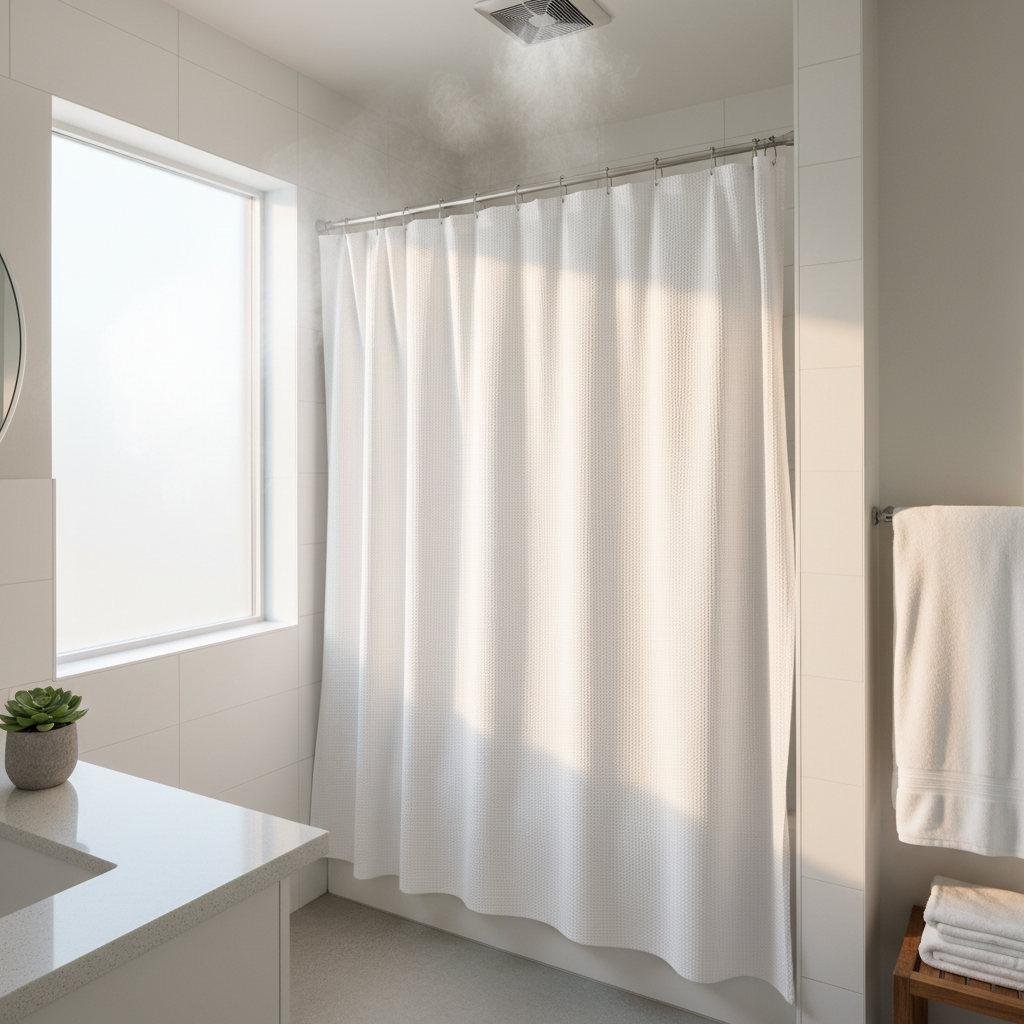
- High Humidity: This is the primary driver. Every time you shower, hot water creates steam, significantly increasing the humidity level in your bathroom. Without proper ventilation, this moisture lingers, keeping your shower curtain perpetually damp.
- Soap Scum and Residue: The suds, body oils, and mineral deposits from hard water that accumulate on your shower curtain aren’t just unsightly; they serve as a rich food source for mildew. This organic material feeds the spores, encouraging their rapid growth.
- Lack of Air Circulation: A closed-off bathroom, especially one without an exhaust fan or a window, traps moisture. This stagnant, damp air prevents the shower curtain from drying thoroughly between uses, creating a continuous environment conducive to mildew growth.
- Curtain Material: Some materials are more prone to mildew than others. Plastic (vinyl, PEVA) curtains, while waterproof, can sometimes lack breathability and provide an easy surface for spores to cling to. Fabric curtains, if not dried properly, can absorb and retain moisture, leading to mildew deep within their fibers.
More Than Just a Smell: Health Implications of Mildew
While the musty odor is unpleasant enough, mildew can pose potential health risks, especially for individuals with sensitivities or respiratory conditions. Prolonged exposure to mildew spores can lead to:
- Respiratory Issues: Mildew spores can irritate the respiratory tract, leading to symptoms like coughing, wheezing, shortness of breath, and nasal congestion. This is particularly problematic for those with asthma, allergies, or chronic obstructive pulmonary disease (COPD).
- Allergic Reactions: Many people are allergic to mold and mildew. Exposure can trigger allergic rhinitis, causing sneezing, runny nose, itchy eyes, and skin rashes.
- Headaches and Fatigue: Some individuals report experiencing headaches, fatigue, and general malaise when living in environments with significant mold or mildew growth.
- Skin Irritation: Direct contact with mildew can sometimes lead to skin irritation or rashes in sensitive individuals.
Addressing the mildew smell isn’t just about aesthetics; it’s about creating a healthier living environment for you and your family.
Proactive Prevention: Keeping Mildew at Bay
The best offense is a good defense. Implementing these preventive measures will significantly reduce the chances of your shower curtain attracting mildew smell in the first place.
Optimize Bathroom Ventilation
This is arguably the most crucial step. Effective ventilation removes moist air from the bathroom, allowing surfaces to dry out.
- Use Your Exhaust Fan: Turn on your bathroom exhaust fan before you step into the shower and let it run for at least 15-30 minutes after you’re done. This pulls moist air out of the room. Ensure your fan is properly sized for your bathroom’s square footage.
- Open a Window: If you have a window in your bathroom, open it slightly during and after your shower. Cross-ventilation can be highly effective.
- Leave the Door Ajar: If you don’t have an exhaust fan or a window, leave the bathroom door open a crack after showering to allow moisture to dissipate into other areas of your home (assuming those areas are well-ventilated).
Choose the Right Shower Curtain Material
The material of your shower curtain plays a significant role in mildew resistance.
- Fabric Curtains: Look for cotton, linen, or hemp curtains. While they absorb water, they are often machine washable, making them easier to clean regularly. Choose a fabric that dries quickly.
- PEVA/EVA Curtains: These are popular alternatives to traditional PVC vinyl, as they are often touted as being “chlorine-free” and more eco-friendly. They are waterproof and generally easy to wipe down. Some even have anti-mildew treatments.
- Nylon or Polyester: These synthetic fabrics are often quick-drying and more resistant to mildew than natural fibers, especially if treated.
- Consider a Separate Liner: Using a dedicated shower liner (often made of PEVA or vinyl) alongside a decorative fabric outer curtain is a smart strategy. The liner takes the brunt of the water and is easier and cheaper to replace or clean frequently.
Daily Drying Habits
A few seconds of effort after each shower can make a world of difference.
- Extend the Curtain: After showering, fully extend the curtain along the rod. Don’t leave it bunched up, as this traps moisture in the folds.
- Air Dry: Allow the curtain to air dry completely. If using a fabric curtain, you might gently shake it to help release trapped water.
- Wipe Down Plastic Liners: For plastic or PEVA liners, a quick swipe with a towel can remove excess water, especially from the bottom where mildew tends to accumulate first.
Regular Maintenance is Key
Consistent cleaning is essential to prevent mildew from establishing a foothold.
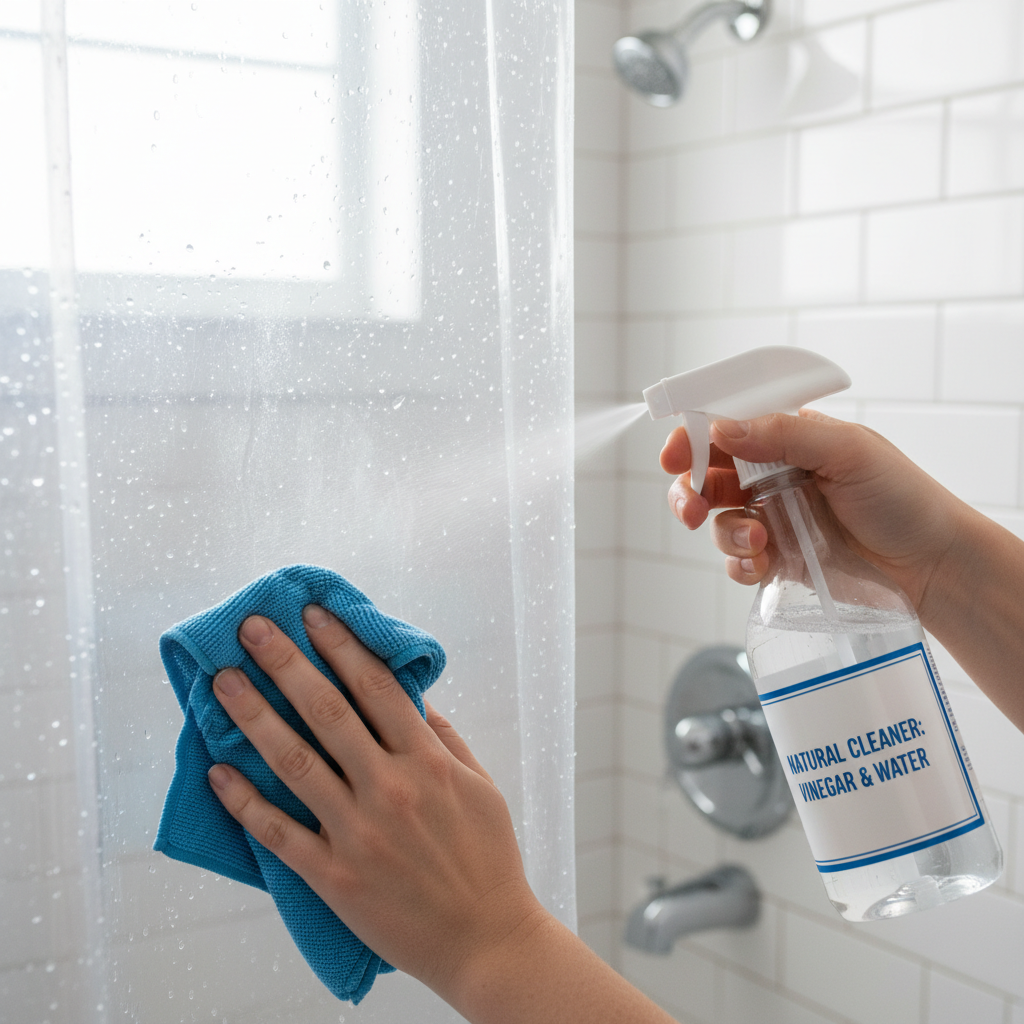
- Weekly Wipe-Down: For plastic or PEVA liners, a quick wipe with an all-purpose bathroom cleaner or a diluted vinegar solution once a week can keep scum and mildew at bay.
- Monthly Wash: Fabric shower curtains should be washed at least once a month, or more frequently if your bathroom is particularly humid.
- Inspect Regularly: Keep an eye on the bottom of your curtain and liner for any early signs of pink or black spots. Catching mildew early makes it much easier to remove.
Banishing the Mildew Smell: Effective Cleaning Methods
If your shower curtain is already attracting mildew smell, it’s time for a deep clean. The method you choose will depend on the material of your curtain.
Pre-Treatment Steps
Before any major cleaning, remove the curtain from the rod. For visible mildew, consider a preliminary scrub.
- For Fabric: If there are visible mildew spots, pre-treat them with a stain remover or a paste of baking soda and a little water. Let it sit for 15-30 minutes.
- For Plastic/PEVA: Mix equal parts white vinegar and water in a spray bottle. Spray the mildewed areas thoroughly and let it sit for at least 15 minutes.
Machine Washing Fabric Shower Curtains
Most fabric shower curtains are machine washable, making this the easiest and most effective cleaning method. Always check the care label first.
- Load the Washer: Place your fabric shower curtain into the washing machine. For added scrubbing power, you can toss in a few bath towels. The towels will help agitate the curtain and dislodge mildew and soap scum.
- Add Detergent and Boosters: Add your regular laundry detergent. For extra mildew-fighting power, add one cup of white vinegar or ½ cup of baking soda directly to the wash cycle. You can also add 1/2 cup of borax.
- Select Cycle: Wash on a warm or hot water cycle (if the fabric allows) with a gentle or regular setting.
- Dry Properly: Air dry your fabric curtain by hanging it back on the shower rod or on a clothesline. Avoid putting it in the dryer unless the care label specifically permits it, as high heat can damage some fabrics or cause shrinkage. Ensure it’s completely dry before re-hanging.
Hand Washing Vinyl and PEVA Curtains
While some sources suggest machine washing plastic liners, it can often damage them or cause creasing. Hand washing is generally safer and more effective for these materials.
- Prepare Your Tub: Fill your bathtub with warm water.
- Add Cleaning Agents: Add about 1/2 cup of baking soda and 1/2 cup of white vinegar to the water. You can also add a few drops of mild dish soap.
- Submerge and Soak: Submerge the entire shower curtain in the solution. Let it soak for at least 30 minutes, or longer for heavily mildewed curtains.
- Scrub Gently: Using a soft brush or a sponge, gently scrub any visible mildew spots. Pay extra attention to the bottom edge.
- Rinse Thoroughly: Drain the tub and rinse the curtain thoroughly with clean water until all soap and residue are gone.
- Air Dry: Hang the curtain back on its rod or a clothesline and allow it to air dry completely. You can also wipe it down with a clean towel to speed up the process.
Powerful DIY Cleaning Solutions
For stubborn mildew stains and smells, these household staples are incredibly effective.
White Vinegar Solution
White vinegar is a natural disinfectant and deodorizer, excellent for breaking down soap scum and killing mildew.
- For Spot Treatment: Mix equal parts white vinegar and water in a spray bottle. Spray directly onto mildew spots, let it sit for 15-30 minutes, then scrub and rinse.
- As a Soaking Agent: For tougher jobs, soak the curtain in a tub filled with warm water and 2-3 cups of white vinegar for an hour before scrubbing and rinsing.
Baking Soda Boost
Baking soda is a mild abrasive and a powerful deodorizer.
- For Fabric Curtains: Add 1/2 cup of baking soda to your washing machine along with detergent.
- For Spot Cleaning: Create a paste with baking soda and a small amount of water. Apply it to mildew spots, let it sit, then scrub with a brush.
Bleach (Use with Caution!)
Bleach is highly effective at killing mildew and removing stains, but it must be used carefully and is not suitable for all curtain types (especially colored fabrics or those with delicate finishes). Always test on an inconspicuous area first.
- Diluted Solution: Mix 1/2 cup of bleach with a gallon of water.
- For White Fabric Curtains: Add the diluted bleach to the wash cycle (after the detergent has dissolved) or soak the curtain in the solution for no more than 30 minutes.
- For Vinyl/PEVA (White Only): Spray the diluted bleach solution onto mildewed areas, let it sit for a few minutes (no more than 5-10), then scrub and rinse thoroughly. Never leave bleach on for extended periods, as it can degrade the plastic.
Important Safety Note: NEVER mix bleach with vinegar or ammonia. The combination produces dangerous toxic fumes. Ensure good ventilation when using bleach.
For more detailed information on cleaning different types of shower curtains, you can refer to helpful guides like the one from Good Housekeeping, which offers additional tips for tackling stubborn stains and keeping your curtain pristine.
Borax Power
Borax is a natural mineral that acts as a powerful cleaner, deodorizer, and fungicide.
- In the Wash: Add 1/2 cup of borax to your washing machine along with detergent for fabric curtains.
- As a Pre-Soak: Dissolve 1/2 cup of borax in a gallon of warm water. Soak the curtain for a few hours or overnight before washing or scrubbing.
Advanced Tips for a Mildew-Free Bathroom
Beyond cleaning the curtain itself, optimizing your entire bathroom environment can help prevent recurring mildew issues.
Invest in a Shower Liner
As mentioned, a separate liner is a game-changer. It shields your decorative curtain from water and soap scum, making both easier to maintain. Choose a PEVA liner that is easy to wipe down or machine wash.
Keep Your Entire Bathroom Clean
Mildew doesn’t just stick to shower curtains. It can grow on grout, tile, caulk, and even ceilings. Regularly clean all bathroom surfaces to prevent spores from spreading to your curtain. Use a bathroom cleaner with mold and mildew inhibitors.
Air Circulation Beyond the Shower
Consider placing a small fan in your bathroom on high-humidity days, especially if you lack an effective exhaust fan or window. A dehumidifier can also be a good investment in extremely humid climates or bathrooms.
When to Say Goodbye: Replacing Your Shower Curtain
Even with the best cleaning efforts, there comes a time when replacement is the most practical solution.
- Persistent Stains: If mildew stains are deeply embedded and won’t come out even after aggressive cleaning, it’s time for a new curtain.
- Damage: Tears, rips, or brittle plastic liners are signs of wear and tear that compromise the curtain’s effectiveness and appearance.
- Overwhelming Odor: If the mildew smell persists despite thorough cleaning, it might indicate that the mildew has permeated the material too deeply.
- Health Concerns: If anyone in your household is experiencing heightened allergic reactions or respiratory issues that you suspect are related to the mildew, replacing the curtain (and addressing the root cause) is imperative.
Generally, a good quality shower liner should last 6-12 months, while a decorative fabric curtain can last several years with proper care.
Frequently Asked Questions (FAQs)
Can I really put a plastic shower curtain in the washing machine?
While some plastic (vinyl, PEVA) shower curtains might state they are machine washable, it’s often better to hand wash them. Machine washing can cause them to crease, tear, or even melt if the water is too hot. If you do machine wash, use a cold, gentle cycle, and add a few towels for cushioning. ALWAYS air dry.
How often should I clean my shower curtain?
For plastic liners, a weekly wipe-down is recommended, with a more thorough wash every 2-4 weeks. Fabric shower curtains should be machine washed at least once a month, or more frequently in very humid environments or if you notice any early signs of mildew.
What’s the best material for a mildew-resistant shower curtain?
Nylon, polyester, and PEVA/EVA are generally good choices for mildew resistance because they dry quickly and don’t absorb much moisture. Some even come with anti-mildew treatments. Breathable fabrics like hemp or treated cotton can also work well if properly aired and cleaned.
Does opening a window prevent mildew?
Yes, opening a window is an excellent way to improve ventilation and reduce humidity in your bathroom, which directly helps prevent mildew growth. Combine it with using an exhaust fan for the best results.
Is the mildew smell harmful to breathe?
While the smell itself isn’t directly harmful, it indicates the presence of mildew spores in the air. For sensitive individuals, those with allergies, asthma, or compromised immune systems, inhaling these spores can lead to respiratory issues, allergic reactions, and other health problems. It’s always best to address mildew promptly.
Conclusion: Embrace a Fresh-Smelling Bathroom
A fresh, clean bathroom contributes significantly to a more pleasant home environment. By understanding why your shower curtain attracts mildew smell and consistently applying the preventive measures and cleaning techniques outlined in this guide, you can confidently banish that musty odor for good. From optimizing ventilation to choosing the right materials and establishing a regular cleaning routine, you now have all the tools to ensure your shower curtain remains a pristine and welcoming fixture, not a breeding ground for unwanted fungal guests. Say goodbye to the funk and hello to a refreshingly clean shower experience every time!