Embrace the Small: A Mindset Shift for Design Success
Before diving into specific techniques, it’s crucial to shift your perspective. Instead of viewing your small living room as a limitation, see it as a design challenge with rewarding outcomes. A well-designed small space can be more intimate, easier to maintain, and often more cost-effective than a large one. The goal is not to cram everything in, but to curate thoughtfully, ensuring every item serves a purpose and contributes to the overall aesthetic.
Strategic Furniture Selection: Size, Scale, and Functionality
The furniture you choose is perhaps the most critical element in small living room design. Incorrectly sized or overly bulky pieces can quickly overwhelm a space, making it feel cramped and uncomfortable.
Multi-functional Pieces: The Small Space Superhero
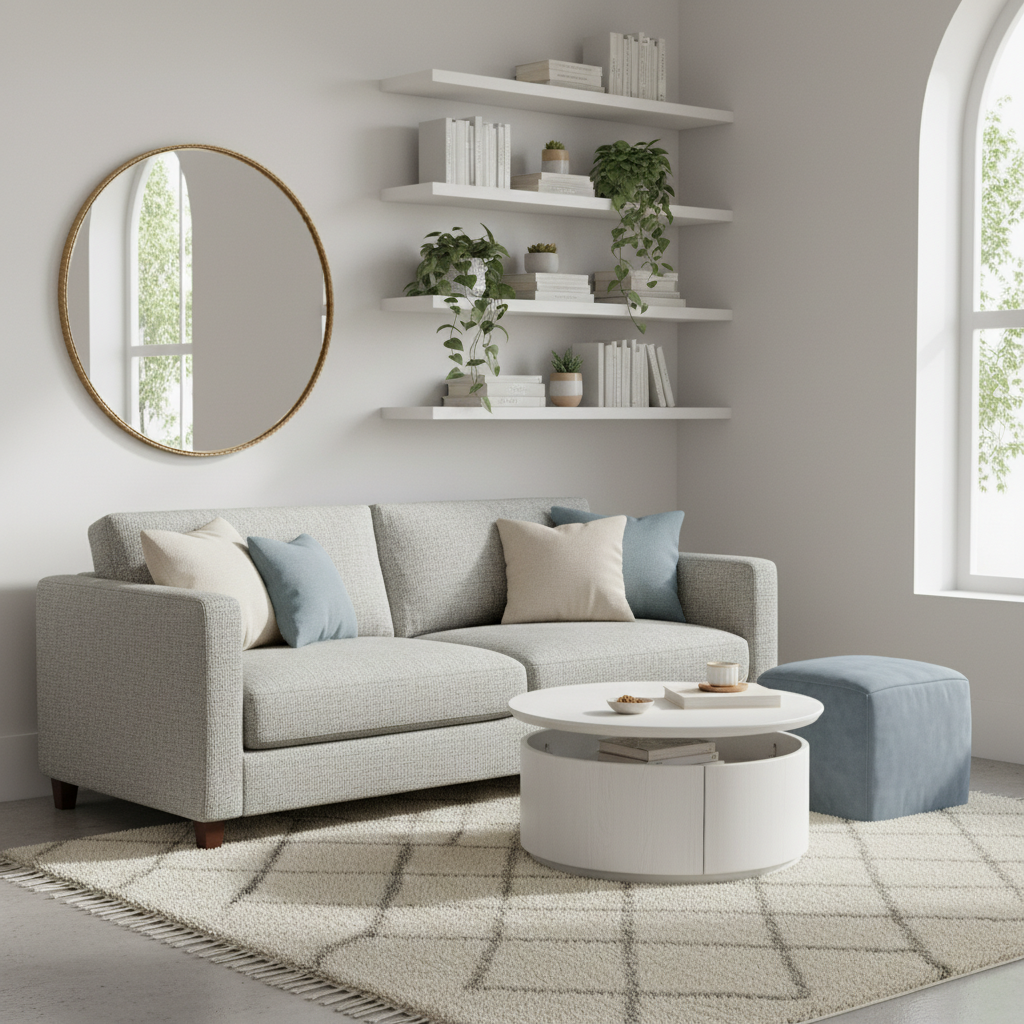
Every item in a small living room should ideally serve more than one purpose. This is where multi-functional furniture shines:
- Ottomans with Storage: These can act as a footrest, extra seating, and a discreet storage unit for blankets, remotes, or magazines.
- Sofa Beds or Daybeds: Perfect for accommodating overnight guests without dedicating an entire room.
- Nesting Tables: A set of tables that tuck into each other provides versatile surface area when needed and saves space when not.
- Coffee Tables with Lift-Tops or Storage: Offers a place for drinks, an impromptu workspace, and hidden storage.
- Console Tables: A narrow console table behind a sofa can serve as a display area, a small workspace, or even a bar.
Scaled-Down Furniture: Proportionality is Key
Resist the urge to buy oversized furniture, no matter how appealing it looks in a large showroom. Instead, opt for pieces that are appropriately scaled for your room:
- Apartment-Sized Sofas or Loveseats: These are specifically designed for smaller footprints. Measure your space carefully before purchasing.
- Armless Chairs: Chairs without arms take up significantly less visual and physical space.
- Slim Profiles: Look for furniture with slender legs, thin arms, and overall minimalist designs. These allow more floor space to be visible, creating an illusion of openness.
Leggy Furniture: Creating Visual Flow
Choose furniture pieces that have visible legs rather than solid bases. When you can see the floor underneath, it makes the room feel airier and more spacious. This applies to sofas, armchairs, and side tables.
Optimizing Your Layout: Pathways and Zones
Effective layout is paramount in small living rooms. The goal is to maximize seating and functionality while maintaining clear pathways for movement. These home design ideas for small living rooms layout tips focus on strategic placement.
The “Floating” Layout: When to Pull Away from Walls
While often advised to push furniture against walls in small spaces, sometimes floating a sofa or chairs away from the wall can actually create a more cohesive and spacious feel, especially if you have a tight room with multiple doorways. This also allows you to place a narrow console table behind the sofa for added utility.
Corner Arrangements: Maximizing Awkward Spaces
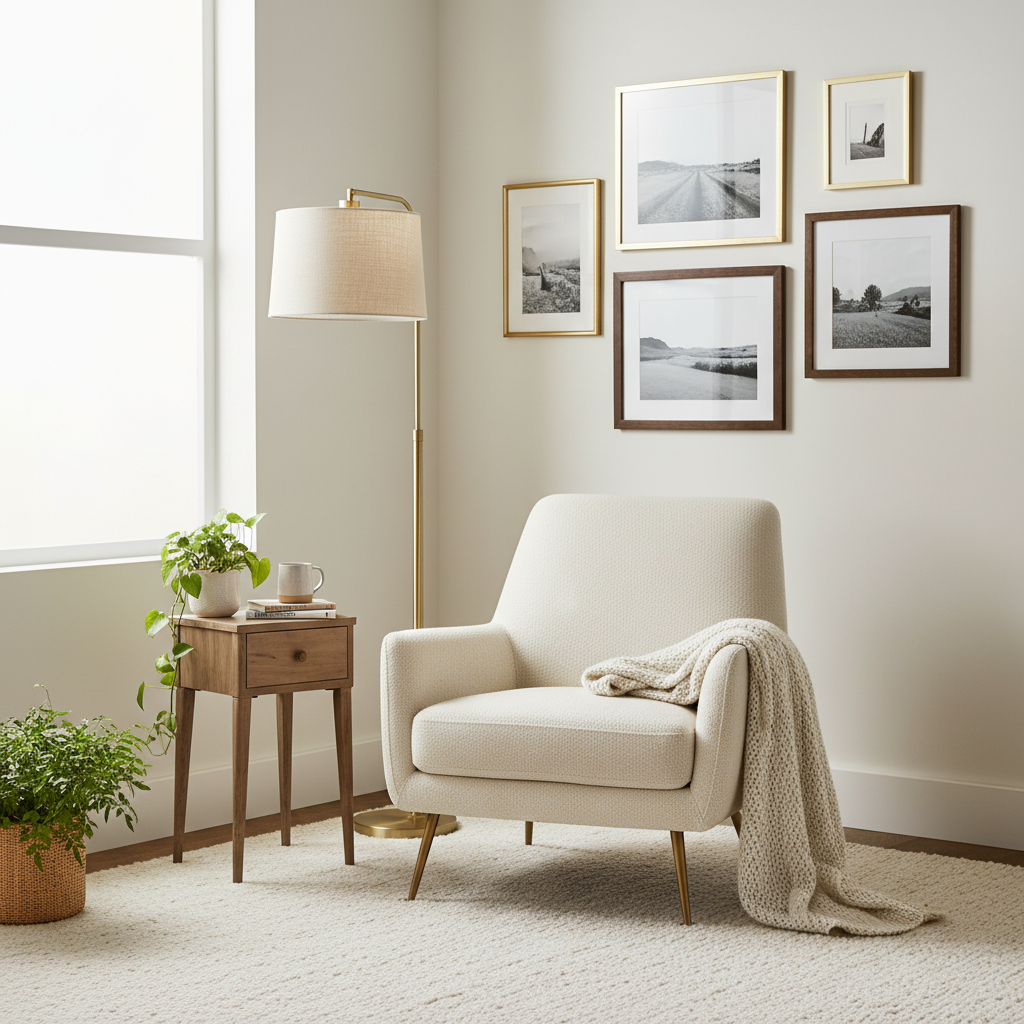
Corners are often underutilized. A small sectional sofa designed for corners can be incredibly efficient, providing ample seating without taking up excessive linear wall space. Alternatively, a comfortable armchair with a floor lamp and a small side table can create a cozy reading nook in a corner.
Defining Zones: Even in an Open Concept
If your living room is part of an open-concept space, defining zones is crucial. Use area rugs to visually delineate the living area from a dining or entry space. Small bookcases or console tables can also act as subtle room dividers without blocking light or flow.
Maintain Clear Pathways
Always ensure there’s enough room to walk comfortably around furniture. A good rule of thumb is at least 18-24 inches for major pathways and 12-18 inches between furniture pieces (like a sofa and coffee table).
Vertical Space: Looking Up for Storage and Style
When floor space is limited, the only way to go is up! Utilizing vertical space is a cornerstone of effective small space design.
Wall-Mounted Shelving: Functional & Decorative
Floating shelves are invaluable for displaying books, decorative items, and even small plants without encroaching on precious floor area. Install them above your sofa, television, or in empty corners.
Tall, Narrow Bookcases: Slim but Mighty
Instead of wide, sprawling bookshelves, opt for tall, narrow units. These provide significant storage while taking up minimal floor space. Make sure to anchor them securely to the wall for safety.
Gallery Walls: Art That Elevates
A well-curated gallery wall draws the eye upwards, making ceilings appear higher and the room feel grander. Mix photos, artwork, and even small mirrors for an interesting display. Ensure the scale of your art isn’t overwhelming for the wall it’s on.
Illusion of Space: Light, Color, and Mirrors
Beyond furniture and layout, strategic use of light, color, and reflective surfaces can dramatically impact how spacious your living room feels.
Light Color Palettes: The Expansive Effect
Lighter colors – whites, creams, light grays, and pastels – reflect light, making walls recede and rooms feel larger and airier. This doesn’t mean your room has to be bland; you can introduce pops of color through accessories and textiles.
- Monochromatic Schemes: Using varying shades of a single light color can create a sophisticated and cohesive look that helps blend elements and expand the perceived space.
- Ceiling and Trim: Painting ceilings a lighter color than the walls, or even a brilliant white, can make them appear higher. Matching trim to wall color can also create a seamless, expansive feel.
Strategic Lighting: Brighten and Broaden
Good lighting is crucial. A dimly lit room will always feel smaller and more enclosed.
- Layered Lighting: Combine ambient lighting (overhead fixtures), task lighting (reading lamps), and accent lighting (spotlights on artwork) to create depth and warmth.
- Sconces and Floor Lamps: Wall sconces free up table space, while tall, slender floor lamps provide ample light without a large footprint.
- Natural Light: Maximize natural light by keeping windows unobstructed. Use sheer curtains or blinds that can be fully opened during the day.
The Power of Mirrors: Reflecting Space and Light
Mirrors are a small living room’s best friend. Strategically placed, they can:
- Reflect Views: Position a large mirror opposite a window to reflect the outdoor view, essentially “adding” another window to the room.
- Amplify Light: Place mirrors where they can catch and reflect light, making the room brighter.
- Create Depth: A large mirror on a wall can make the room appear twice its size. Consider a leaning floor mirror for a modern touch.
Smart Storage Solutions: Every Inch Counts
Clutter is the enemy of small spaces. Integrating smart storage solutions is essential for maintaining an organized and serene living room.
Under-Furniture Storage: Hidden Potential
Look for furniture that offers storage underneath, or utilize decorative storage bins and baskets that can slide beneath your coffee table, console, or even your sofa.
Built-ins and Custom Cabinetry: Seamless Integration
If your budget allows, built-in shelving or cabinetry can be a game-changer. These blend seamlessly with your walls, offering maximum storage without jutting out and eating into precious floor space.
Ottomans and Benches with Storage: Dual Purpose Heroes
As mentioned before, storage ottomans are fantastic. A bench with hidden storage can also serve as extra seating or a coffee table substitute.
Decluttering: The Golden Rule for Small Spaces
Even with the best home design ideas for small living rooms layout tips, clutter will undo all your efforts. Regularly decluttering is not just a suggestion; it’s a necessity.
- One In, One Out Rule: When you bring a new item into your living room, remove an old one.
- Categorize and Store: Group similar items together and store them neatly.
- Embrace Minimalism: Not necessarily a stark aesthetic, but a mindset that values quality over quantity and intentionality over accumulation.
Personal Touches: Adding Warmth Without Overwhelming
While functionality and space-saving are priorities, your small living room should still reflect your personality. Here’s how to add warmth and character without making the space feel cramped:
- Textiles: Introduce texture and color with throw pillows, blankets, and an area rug. These add warmth and can define zones.
- Curated Decor: Choose a few meaningful decorative items rather than many small knick-knacks. A statement piece of art or a striking vase can have a greater impact.
- Plants: Small to medium-sized houseplants can bring life and freshness into a room. Opt for tall, slender plants or hanging plants to draw the eye upwards.
- Personal Photos: A well-arranged gallery wall (as mentioned above) is a great way to display memories without taking up surface space.
Frequently Asked Questions About Small Living Room Design
How do I make a small living room look bigger?
To make a small living room look bigger, focus on light colors, maximize natural and artificial lighting, use mirrors strategically, choose scaled-down furniture with visible legs, utilize vertical space with shelves, and keep the space decluttered. Creating clear pathways and multi-functional furniture also helps.
What type of furniture is best for a small living room?
The best furniture for a small living room is multi-functional (e.g., storage ottomans, sofa beds), scaled appropriately for the space (apartment-sized sofas, armless chairs), and has a light, airy design (visible legs, slim profiles). Prioritize pieces that offer storage or serve multiple purposes.
Should a rug be smaller or larger in a small living room?
Generally, a rug should be large enough to at least have the front two legs of your main seating furniture (like a sofa) on it. A rug that is too small can make the room feel disjointed and even smaller. A larger rug that nearly fills the seating area can actually make the room feel more expansive and cohesive by visually defining the space.
How do I arrange furniture in a small living room with a TV?
Position your TV on the longest wall if possible, or wall-mount it to save space. Arrange seating to face the TV comfortably, ensuring there’s enough space for movement. Consider a wall-mounted TV console or a slim media unit with hidden storage to keep electronics tidy. If space is very limited, a projector can be an innovative alternative.
What colors make a small living room feel cozier without making it smaller?
While light colors expand space, you can still create coziness. Use warm, light neutrals like greige, warm off-whites, or soft pastels. For more color, consider deep but muted tones on one accent wall, or introduce richer hues through textiles like throws and pillows. The key is balance and avoiding overly dark or saturated colors on all walls, which can absorb light.
Conclusion: Your Small Living Room, Reimagined
Designing a small living room is an art form that blends practicality with personal style. By thoughtfully applying these home design ideas for small living rooms layout tips—from smart furniture choices and strategic layouts to clever lighting and diligent decluttering—you can transform a compact area into a highly functional, beautiful, and supremely comfortable sanctuary. Embrace the challenge, trust your instincts, and enjoy the process of creating a small space that lives large.