It’s a common household dilemma: you walk into your living room downstairs, and it’s comfortably cool, but as soon as you ascend the stairs, you’re hit with a wave of oppressive heat. If your upstairs rooms are hotter than downstairs, you’re not alone. This temperature imbalance is a pervasive issue for many homeowners, leading to uncomfortable nights, higher energy bills, and a general sense of frustration. Understanding why this happens is the first step toward finding effective and lasting solutions. From the fundamental principles of physics to structural nuances and HVAC inefficiencies, several factors conspire to turn your upper floor into a sauna. This comprehensive guide will delve into the science behind the heat discrepancy, identify the common culprits, and provide practical, actionable strategies to transform your upstairs into a cool, comfortable sanctuary.
The Science Behind the Heat Discrepancy (Why Heat Rises)
The primary reason your upstairs is hotter isn’t a mystery; it’s basic physics. Heat naturally moves from warmer areas to cooler areas, and several mechanisms facilitate this transfer within your home, leading to the pronounced temperature difference between floors.
Convection and the “Stack Effect”
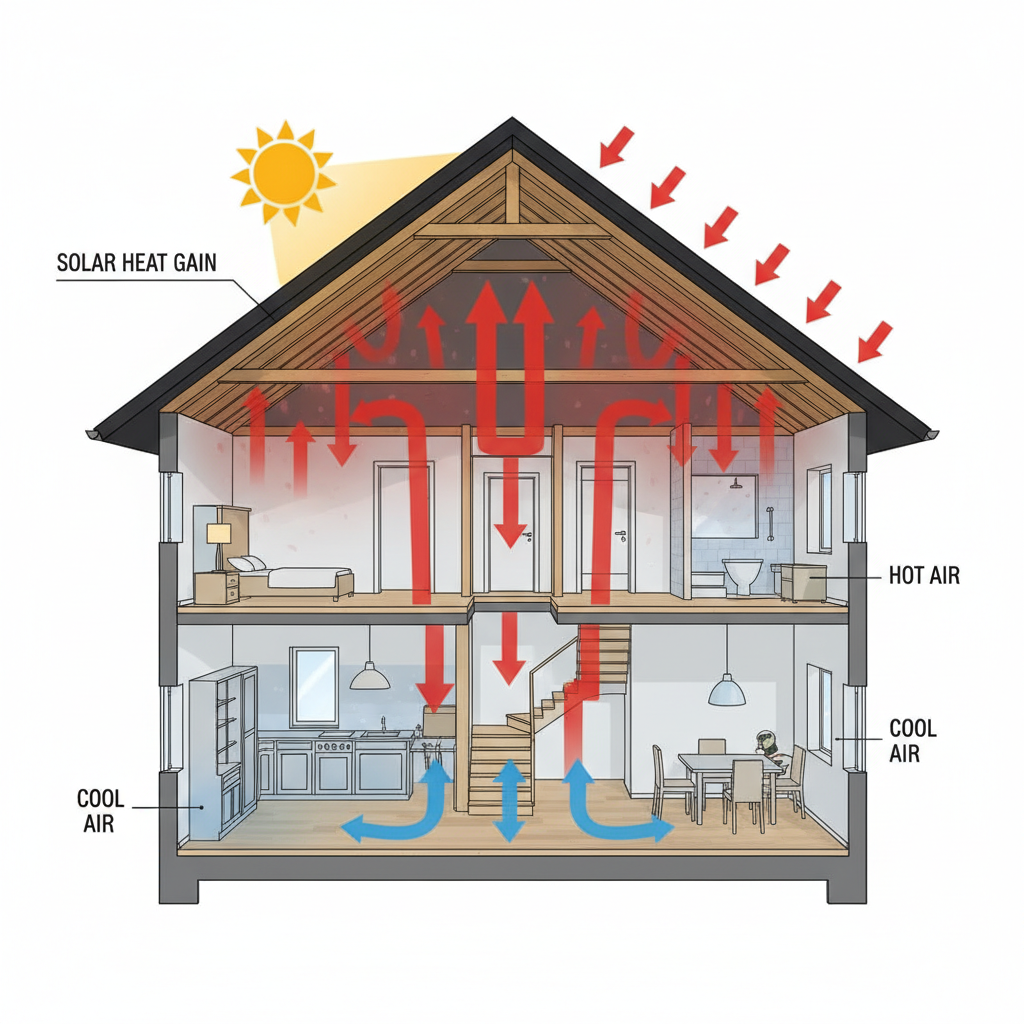
At the heart of the “heat rises” phenomenon is convection. Hot air is less dense than cool air, causing it to rise. Imagine a balloon filled with hot air – it floats. Similarly, warm air generated from downstairs appliances, body heat, or even sunlight entering windows naturally ascends through your home’s interior spaces. This rising warm air accumulates on the upper floors, pushing cooler air downwards, creating a constant circulation. This process, amplified by temperature differences between indoor and outdoor air, is known as the “stack effect.” In winter, warm indoor air rises and escapes through leaks in the attic or roof, drawing cold outdoor air in through lower-level leaks. In summer, the reverse can happen, with hot attic air pulling conditioned air upwards and out, while drawing in hot outdoor air downstairs.
Heat Transfer: Conduction, Convection, and Radiation
- Conduction: Heat transfers directly through solid materials. Your roof, for instance, absorbs solar radiation, heats up, and conducts that heat downwards through your attic insulation (or lack thereof) into your upstairs ceilings and walls.
- Convection: As explained, this involves the movement of fluids (like air). Warm air rises, creating air currents that distribute heat unevenly throughout your home.
- Radiation: Heat transfers through electromagnetic waves. Sunlight streaming through an upstairs window directly heats surfaces like furniture and floors, which then radiate that heat back into the room. Your roof, superheated by the sun, also radiates heat downwards into your attic and subsequently into your living spaces below.
All three forms of heat transfer work in concert to make your upstairs significantly warmer, especially during warmer months.
Common Culprits: Factors Making Upstairs Rooms Hotter
While the laws of physics are unavoidable, many structural and system-related factors exacerbate the problem of an overly hot upstairs. Identifying these specific issues in your home is crucial for implementing effective solutions.
Poor Insulation (Attic, Walls, Windows)
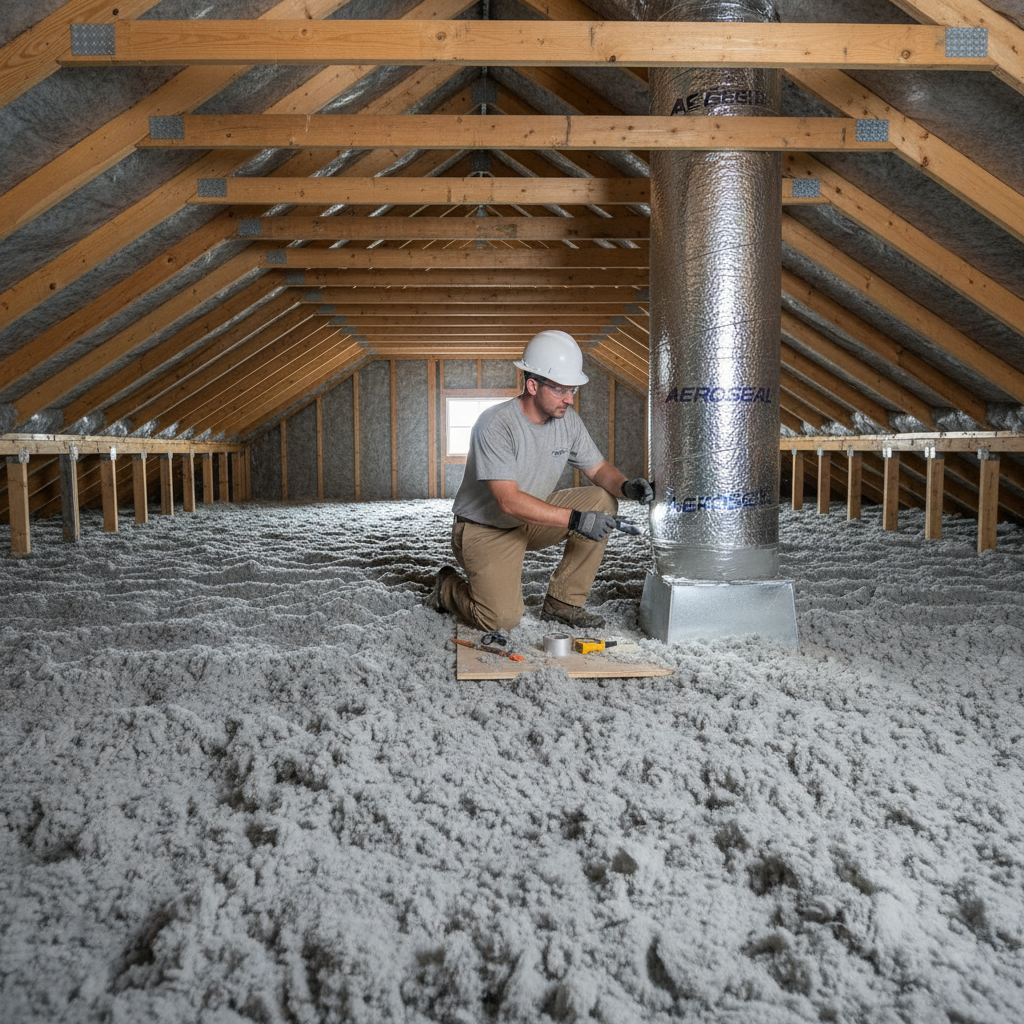
The most significant contributor to upstairs heat is often inadequate insulation, particularly in the attic. Your attic acts as a buffer between your living space and the outdoor elements. If it’s poorly insulated, the intense heat absorbed by your roof on a sunny day radiates directly into your upstairs ceiling. Similarly, poorly insulated walls and windows on the upper floor allow more heat to penetrate from outside.
- Attic Insulation: Many older homes lack sufficient attic insulation by modern standards. Even newer homes might have insulation that has settled, been damaged, or is improperly installed, creating thermal bridges where heat can easily pass.
- Wall Insulation: Exterior walls on the upper level, especially those facing the sun, can absorb and transfer a substantial amount of heat if not properly insulated.
- Window Insulation: Single-pane windows or old, inefficient double-pane windows offer minimal resistance to heat transfer, allowing solar gain to bake your upstairs rooms.
Direct Sun Exposure and Solar Gain (Windows, Roof)
The sun is a powerful heat source. Upper floors typically have more direct exposure to sunlight throughout the day, particularly on the roof and south or west-facing windows. This direct exposure leads to:
- Solar Radiation Through Windows: Sunlight passing through glass windows directly heats the air and surfaces inside, turning rooms into miniature greenhouses.
- Roof Absorption: Your roof directly absorbs solar radiation, especially if it’s dark-colored. This heat then transfers into the attic and eventually into the upstairs rooms.
Inefficient HVAC Systems and Ductwork Issues
Your heating, ventilation, and air conditioning (HVAC) system is designed to maintain consistent temperatures, but it can struggle with a hot upstairs if not properly designed or maintained.
- Imbalanced Airflow: Many HVAC systems are not adequately balanced to distribute conditioned air evenly between floors. The lower floors might get too much cool air, while the upper floors get too little.
- Leaky or Uninsulated Ducts: Ductwork running through unconditioned spaces like attics can lose a significant amount of cool air before it even reaches your upstairs vents. Leaks in the ducts allow conditioned air to escape and hot attic air to enter the system.
- Undersized Unit: If your AC unit is too small for your home’s square footage and heat load, it will simply struggle to cool the entire house, especially the hardest-to-reach upstairs.
- Poor Thermostat Placement: If the main thermostat is downstairs, it will satisfy the downstairs temperature quickly, potentially turning off the AC before the upstairs has adequately cooled.
Air Leaks and Poor Sealing
Your home is not a sealed box. Numerous small openings can allow hot air to infiltrate your upstairs rooms.
- Attic Bypasses: Gaps around plumbing stacks, electrical wiring, recessed lighting, and unsealed attic hatches can act as chimneys, allowing hot attic air to seep directly into your living spaces.
- Window and Door Gaps: Gaps around windows and doors on the upper floor let in hot outdoor air.
- Wall Cavities: Unsealed gaps behind baseboards or electrical outlets can create pathways for air movement within walls.
Internal Heat Sources
Heat generated within your home also contributes to the upstairs temperature, as it naturally rises.
- Appliances: Ovens, clothes dryers, refrigerators, and even electronics generate heat.
- Lighting: Incandescent bulbs, in particular, produce a lot of heat.
- Human Activity: People generate body heat, and a bustling household contributes to the overall thermal load.
Roof Materials and Dark Colors
The material and color of your roof play a significant role. Dark-colored roofs absorb more solar radiation than lighter ones, leading to higher surface temperatures and more heat transfer into the attic and rooms below.
Practical Solutions to Cool Down Your Upstairs
Addressing the problem of a hot upstairs requires a multi-faceted approach. By tackling several of the issues outlined above, you can significantly improve comfort and reduce energy consumption.
Improve Insulation (Attic, Walls)
This is often the most impactful solution.
- Attic Insulation Upgrade: Ensure your attic has adequate insulation (check your local recommended R-value). Adding blown-in cellulose or fiberglass can create a significant barrier against heat transfer from the roof. Make sure insulation covers the entire attic floor, without blocking soffit vents.
- Seal Attic Air Leaks: Before adding insulation, seal any air leaks between your living space and the attic. Use caulk, expanding foam, and weatherstripping around pipes, wires, light fixtures, and the attic hatch.
- Wall Insulation: For severe cases, consider having insulation blown into wall cavities, especially on sun-facing walls. This is a more involved project but can make a big difference.
Optimize Ventilation (Attic Fans, Ridge Vents)
Proper attic ventilation is crucial for expelling trapped heat before it can radiate into your living spaces.
- Attic Fans: Install an attic fan (either electric or solar-powered) to draw hot air out of the attic. Ensure you have adequate intake vents (soffit vents) for the fan to work effectively.
- Ridge and Soffit Vents: A well-designed passive ventilation system, consisting of continuous ridge vents at the roof peak and soffit vents under the eaves, allows hot air to escape naturally while drawing in cooler outside air. This creates a continuous airflow that helps keep the attic cooler.
Address Windows and Solar Gain (Blinds, Curtains, Window Films)
Controlling sunlight entry is key to reducing solar gain.
- High-Quality Window Treatments: Install thermal curtains, cellular shades, or reflective blinds on upstairs windows, especially those facing south or west. Keep them closed during the hottest parts of the day.
- Window Films: Apply reflective or low-emissivity (low-e) window films to block UV rays and radiant heat without significantly impacting natural light.
- Upgrade Windows: If budget allows, replacing old, single-pane windows with energy-efficient, double-pane, low-e windows can drastically reduce heat transfer.
Enhance Your HVAC System (Zoning, Maintenance, Duct Sealing)
Make sure your cooling system is working optimally and efficiently.
- HVAC Maintenance: Schedule annual professional HVAC tune-ups. Clean filters, clear coils, and ensure refrigerant levels are correct.
- Duct Sealing and Insulation: Have your ductwork inspected for leaks and sealed with mastic sealant or professional-grade metallic tape. Insulate ducts running through unconditioned spaces like attics or crawl spaces. This prevents conditioned air from being lost and reduces the load on your AC.
- Zoning System: Consider installing a zoned HVAC system. This allows you to control the temperature in different areas (zones) of your home independently, sending more cool air to the upstairs when needed.
- Supplementary AC: For persistent hot spots, a ductless mini-split AC unit can provide targeted cooling to specific rooms without overcooling other areas.
- Adjust Air Vents: Partially close vents downstairs to redirect more cool air upstairs, but be careful not to close too many, as this can strain your system.
Seal Air Leaks (Weatherstripping, Caulk)
Prevent hot air from sneaking in and cool air from escaping.
- Weatherstrip Doors and Windows: Apply new weatherstripping to all upstairs windows and doors.
- Caulk Cracks and Gaps: Seal any visible cracks or gaps around window frames, baseboards, and where walls meet the ceiling.
- Electrical Outlets: Use foam gaskets behind electrical outlet and light switch plates on exterior walls to block drafts.
Utilize Ceiling Fans Correctly
Ceiling fans don’t cool the air, but they create a wind-chill effect on your skin, making you feel cooler. Ensure they are running counter-clockwise in the summer to push air down. Turn them off when you leave the room to save energy.
Smart Thermostats and Temperature Control
A smart thermostat can help manage temperature imbalances. Some models offer remote sensors that can be placed in hot upstairs rooms, allowing the system to respond to the actual temperature where it’s needed most. You can also program setbacks during the day when the house is empty.
For more expert advice on maintaining a comfortable home and understanding energy efficiency, Better Homes & Gardens offers a wealth of practical tips and resources.
Landscaping for Shade
Strategic landscaping can provide natural shade. Plant deciduous trees or tall shrubs on the south and west sides of your home to block direct sunlight during the summer. In winter, when the leaves fall, they’ll allow sunlight to warm your home.
Light-Colored Roofing
If you’re due for a roof replacement, consider light-colored or “cool roof” materials. These reflect more sunlight and absorb less heat, significantly reducing the temperature of your attic and the rooms below.
Strategic Internal Heat Management
Minimize heat generation within your home.
- Use Appliances Wisely: Run heat-generating appliances like dishwashers and clothes dryers during cooler evening hours.
- Switch to LED Lighting: Replace old incandescent bulbs with energy-efficient LED bulbs, which produce very little heat.
- Ventilate Cooking Areas: Use kitchen and bathroom exhaust fans to remove heat and humidity.
When to Call a Professional
While many solutions can be DIY projects, some situations warrant professional expertise. If you’ve tried several of these tips and your upstairs remains uncomfortably hot, it might be time to call in a specialist.
- HVAC Professional: An HVAC technician can perform a comprehensive inspection of your system, check refrigerant levels, assess ductwork integrity, balance airflow, and determine if your unit is properly sized for your home. They can also advise on zoning systems or mini-split installations.
- Energy Auditor: A professional energy audit can pinpoint hidden air leaks, assess insulation levels with specialized equipment, and provide a prioritized list of energy-saving upgrades specific to your home’s unique thermal envelope. This can uncover issues you might miss.
- Insulation Contractor: For significant insulation upgrades, particularly in the attic or walls, a professional insulation contractor can ensure proper material selection, installation, and air sealing.
FAQs
Why is my upstairs so much hotter than downstairs even with AC?
Even with AC, your upstairs can be hotter due to several reasons working in combination. The primary culprits include poor attic insulation allowing radiant heat from the roof, insufficient attic ventilation trapping hot air, leaky or uninsulated ductwork losing cool air before it reaches upstairs vents, significant solar gain from unshaded windows, and an HVAC system that isn’t balanced to distribute cool air effectively to the upper floor. Heat naturally rises, so any heat sources within the home will also accumulate upstairs.
Does opening windows downstairs help cool upstairs?
Opening windows downstairs can help create a cross-breeze and allow some heat to escape, but it’s generally not an effective strategy for significantly cooling a hot upstairs, especially during hot weather. If the outdoor air is cooler than your indoor air (e.g., at night), opening windows downstairs and upstairs can create a “chimney effect” allowing hot air to exit the upper windows while drawing in cooler air from below. However, during hot days, opening windows simply lets more hot air into your home, overwhelming any potential benefit.
How much hotter can upstairs be?
It’s not uncommon for upstairs rooms to be 5 to 15 degrees Fahrenheit warmer than downstairs rooms, especially during the peak heat of summer. In extreme cases, and particularly in homes with poor insulation and ventilation, the temperature difference can be even greater. This significant temperature differential highlights the need for targeted solutions to balance the temperature throughout your home.
Is it normal for upstairs to be warmer than downstairs?
Yes, to a certain extent, it is normal for upstairs rooms to be somewhat warmer than downstairs due to the natural phenomenon of heat rising (convection) and greater exposure to solar radiation. However, if the temperature difference is significant (more than a few degrees and noticeably uncomfortable), it indicates that there are underlying issues with insulation, ventilation, HVAC efficiency, or air sealing that can and should be addressed to improve comfort and energy efficiency.
Conclusion
Living with a perpetually hot upstairs doesn’t have to be your reality. By understanding the fundamental principles of heat transfer and identifying the specific weaknesses in your home’s thermal envelope and HVAC system, you can implement a series of effective strategies to achieve a more balanced and comfortable indoor environment. From upgrading your attic insulation and sealing air leaks to optimizing your HVAC system and controlling solar gain through windows, each step contributes to a cooler, more energy-efficient home. While some solutions might require a professional touch, many can be tackled with a DIY spirit, ultimately leading to significant improvements in comfort, lower energy bills, and a happier household. Take control of your home’s climate and transform those sweltering upper rooms into inviting havens of cool comfort.