What Causes a Porch Roof to Sag? Understanding the Root of the Problem
A porch roof doesn’t just sag overnight without reason. Typically, it’s the cumulative effect of various factors putting undue stress on the structure. Pinpointing the exact cause is crucial for effective and lasting repairs.
Water Damage and Rot
This is arguably the most common culprit behind a sagging porch roof. Water is relentlessly destructive, especially to wood. Leaks from compromised roofing materials (missing shingles, cracked flashing), clogged gutters causing water overflow, or improper drainage can allow moisture to penetrate the roof deck and supporting beams. Over time, this constant dampness leads to:
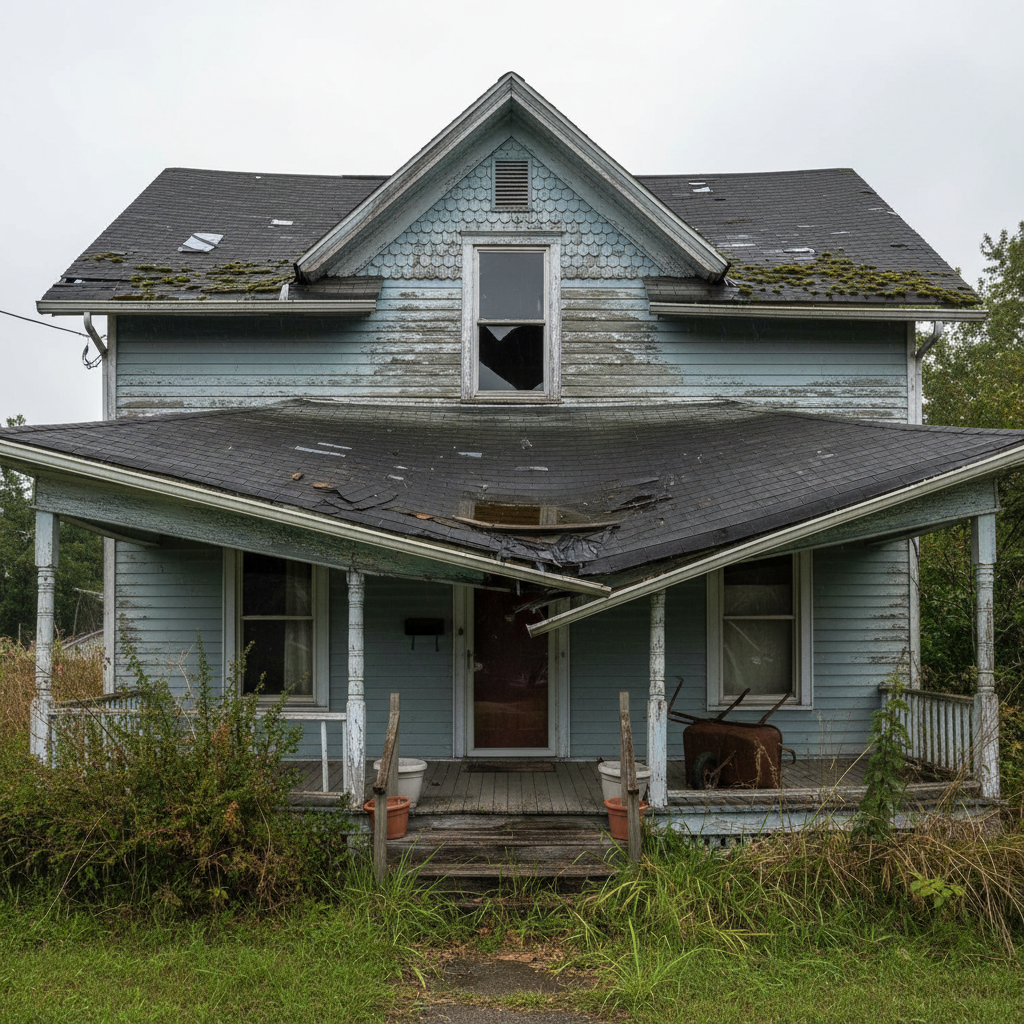
- Wood rot, weakening the structural integrity of rafters, joists, and support posts.
- Mold and mildew growth, further degrading materials.
- Rusting of metal fasteners, reducing their holding power.
Structural Fatigue and Age
Even perfectly installed porch roofs have a lifespan. Materials naturally degrade over decades due to exposure to UV rays, temperature fluctuations, and the constant stress of supporting weight. Wood can lose its rigidity, and fasteners can loosen. Older homes are particularly susceptible to this, as their original construction materials may not have been designed to withstand modern environmental stressors or simply reached the end of their service life.
Foundation or Support Post Issues
A porch roof is only as strong as its supports. If the foundation beneath the porch begins to settle unevenly, or if the support posts (whether wood, brick, or concrete) start to deteriorate, shift, or crack, the entire structure above will follow suit. Common issues include:
- Sinking soil due to poor drainage or erosion.
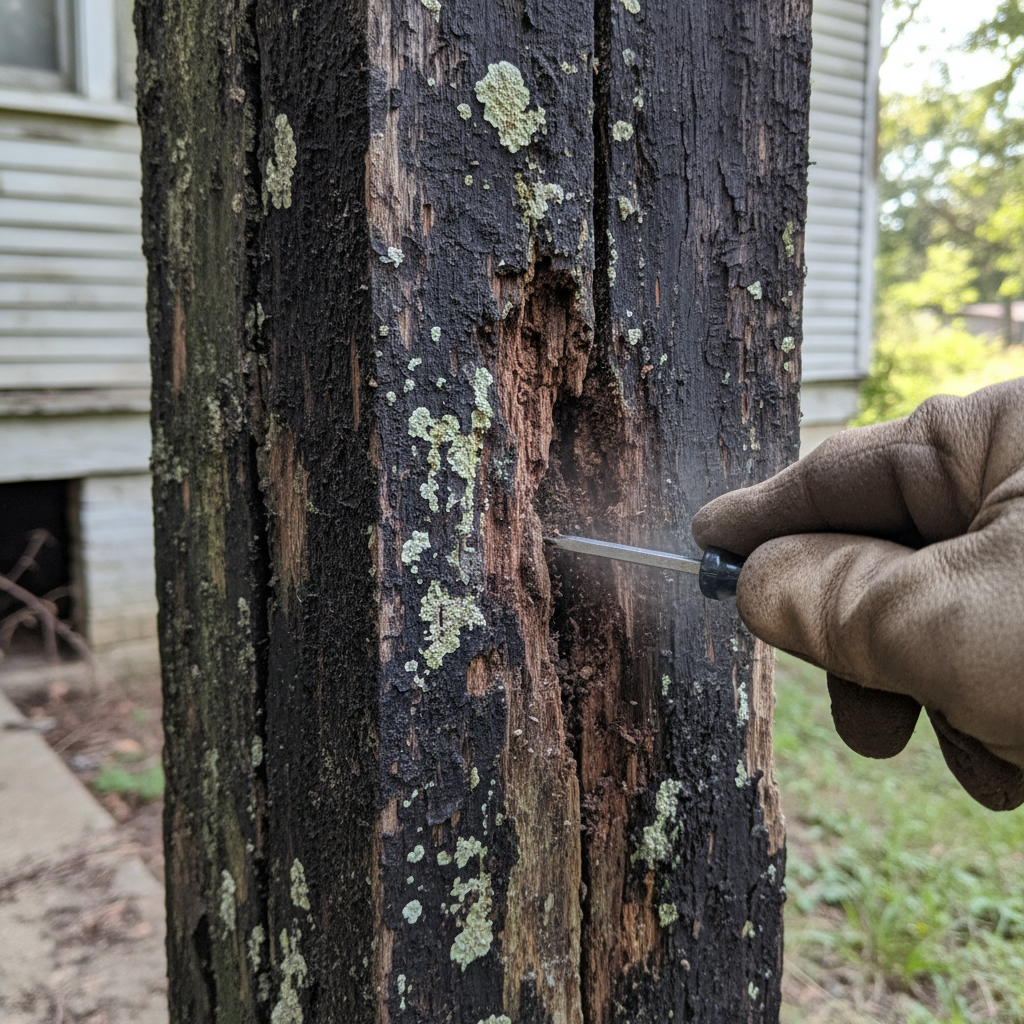
- Rotting wood posts where they meet the ground or are exposed to moisture.
- Cracked concrete bases or piers.
Improper Original Construction
Unfortunately, some porch roofs are destined to sag from the day they are built due to design flaws or poor craftsmanship. This could include:
- Using undersized lumber for rafters or beams, meaning they can’t adequately support the roof’s weight.
- Insufficient bracing or inadequate connections between structural components.
- Lack of proper pitch, leading to standing water on the roof.
- Failure to account for local snow loads or wind forces during design.
Excessive Weight Load
Roofs are designed to bear a certain amount of weight, primarily from the roofing materials themselves, and anticipated environmental factors like snow. However, if a porch roof is subjected to excessive, unanticipated weight, it can sag. This might include:
- Heavy accumulations of snow or ice that are not cleared promptly.
- Piles of leaves, branches, or other debris that collect and retain moisture.
- Installation of heavier roofing materials than the structure was designed for (e.g., switching from lightweight asphalt shingles to heavy tile without structural reinforcement).
Pest Infestation
While often overlooked, pests like termites, carpenter ants, and powderpost beetles can severely compromise the wooden components of a porch roof. These pests tunnel through and consume wood, creating hollows and weakening beams, rafters, and posts from the inside out, often making the damage invisible until it’s critical.
Is Your Porch Roof Sagging? Signs to Look For
Catching a sagging porch roof early can save you significant time, money, and stress. Regular visual inspections are key.
Visible Bowing or Dipping
This is the most obvious and definitive sign. Stand back from your porch and look along the roofline. Does it appear straight and level, or do you notice a noticeable dip or curve in the middle or along one side? Even a slight deviation from a straight line can indicate a problem.
Cracks in Walls or Ceilings
If your porch roof is attached directly to your home, a sag can put stress on the main structure. Look for hairline cracks or larger fissures appearing in the interior or exterior walls and ceilings adjacent to the porch, particularly above doors or windows.
Misaligned Doors or Windows
When the structural integrity of the porch or the connecting part of the house is compromised, door and window frames can shift. You might notice doors or windows becoming difficult to open or close, sticking, or showing gaps around their frames.
Water Stains and Leaks
Often accompanying or preceding a visible sag, water stains on the porch ceiling, walls, or even the main house wall are clear indicators of a leak. Drips, puddles, or a persistent damp smell can also signal water ingress that is likely contributing to the problem.
Soft Spots or Deteriorated Wood
Carefully (and safely) inspect the accessible wooden components of your porch roof – the rafters, joists, and support posts. Use a screwdriver or awl to gently probe the wood. If it feels soft, spongy, or crumbles easily, you have significant rot or pest damage.
Why a Sagging Porch Roof is More Than Just an Eyesore: Safety and Value Concerns
While the aesthetic impact of a sagging porch roof is undeniable, the implications extend far beyond cosmetics. It poses serious risks to your property and safety.
Structural Collapse Risk
This is the most critical danger. A severely sagging porch roof indicates a loss of structural integrity. Under the right conditions – heavy snow, strong winds, or simply more time – the roof could suddenly collapse, leading to severe injury or even fatalities to anyone underneath it.
Water Damage to the Home
A sagging roof often means that water is pooling or not draining correctly. This can lead to persistent leaks that damage the porch itself and then extend to the main house structure, causing rot, mold, and costly damage to walls, insulation, and interior finishes.
Decreased Property Value
No potential homebuyer wants to see a visibly damaged porch roof. It’s a massive red flag that suggests neglect and potentially expensive repairs. A sagging porch roof can significantly detract from your home’s curb appeal and market value, making it harder to sell and diminishing your investment.
Pest Entry Points
Structural shifts and wood deterioration create gaps, cracks, and weakened areas that are perfect entry points for pests. Rodents, insects, and other unwanted critters can then find their way into your porch structure and even your main home, causing further damage and potential health hazards.
How to Fix a Sagging Porch Roof: DIY vs. Professional Intervention
Addressing a sagging porch roof requires careful consideration and, in most cases, professional expertise. Safety should always be your paramount concern.
Initial Assessment and Safety First
Before attempting any repair, assess the extent of the sag and the apparent damage. If the sag is severe, or if you suspect extensive structural compromise, do not attempt to repair it yourself. Keep people away from the porch and immediately contact a professional. If you decide to proceed with minor repairs, ensure you have appropriate safety gear, including sturdy ladders, gloves, eye protection, and potentially a hard hat.
DIY Repairs: When is it Possible?
DIY fixes for a sagging porch roof are generally limited to very minor, cosmetic issues or preventive maintenance. If the sag is truly minor and you’ve definitively identified the cause as something simple like a few loose shingles or clogged gutters, you might be able to manage it. However, any indication of structural compromise, rotting load-bearing wood, or significant bowing warrants professional help. Trying to fix a structural sag without proper knowledge, tools, and experience can be incredibly dangerous and lead to further damage.
When to Call a Professional
For most instances of a sagging porch roof, especially when the sag is noticeable, or the cause is unclear, calling a qualified professional is not just recommended, it’s essential. This includes:
- Significant Sag: Any visible dip or curve that goes beyond a slight imperfection.
- Structural Damage: Rotting beams, cracked posts, or issues with the foundation.
- Uncertainty: If you’re unsure about the cause, the extent of the damage, or how to properly repair it.
- Specialized Expertise: Professionals have the knowledge of building codes, structural engineering principles, and the right tools (like temporary shoring equipment) to safely and effectively address the problem.
Look for experienced roofing contractors, structural engineers, or general contractors specializing in exterior repairs. Obtain multiple quotes and check references.
The Repair Process (General Steps Professionals Might Take)
While every situation is unique, a professional repair typically involves the following stages:
- Temporary Shoring: The first and most critical step is to safely support the sagging roof structure temporarily to prevent further collapse and allow for safe working conditions.
- Removing Damaged Material: Roofing materials (shingles, sheathing) and any rotted or damaged structural wood (rafters, joists, beams) will be carefully removed.
- Repairing or Replacing Supports: Compromised load-bearing elements will be repaired or, more commonly, replaced with new, properly sized lumber. This might involve sistering new rafters to old ones or installing entirely new beams and posts.
- Addressing Water Issues: The underlying cause of water damage will be fixed. This could mean repairing or replacing flashing, sealing leaks, repairing gutters, or improving drainage.
- Rebuilding and Finishing: Once the structural integrity is restored, new sheathing and roofing materials will be installed, followed by any necessary trim, soffits, or fascia. The goal is to return the porch roof to its original level and ensure it’s structurally sound and watertight.
Preventing Porch Roof Sagging: Proactive Maintenance Tips
An ounce of prevention is worth a pound of cure, especially when it comes to your home’s structural health. Proactive maintenance can significantly extend the life of your porch roof and prevent costly repairs.
Regular Inspections
Make it a habit to visually inspect your porch roof and its supporting structure at least twice a year (spring and fall) and after any severe weather events. Look for the signs mentioned earlier: dips, cracks, water stains, loose shingles, or damaged gutters. Don’t forget to inspect the support posts and their bases for signs of rot, shifting, or damage.
Gutter and Downspout Maintenance
Ensure your gutters and downspouts are always clean, free of debris, and properly aligned. Clogged gutters cause water to overflow, saturating the porch structure and foundation. Ensure downspouts direct water at least several feet away from the porch and home’s foundation.
Address Leaks Promptly
Don’t delay in repairing any visible leaks on your porch roof. Even a small leak can lead to significant water damage and rot over time. Replace missing or damaged shingles, repair flashing around chimneys or walls, and seal any cracks immediately.
Trim Overhanging Branches
Trees overhanging your porch can drop leaves, branches, and other debris that can clog gutters or accumulate on the roof, adding weight and moisture. Trim branches to keep them clear of the roofline.
Clear Snow and Debris
During winter, heavy snow and ice accumulations can put immense stress on your porch roof. Safely remove excessive snow buildup using a roof rake, taking care not to damage the roofing materials. Similarly, clear any piles of wet leaves or other debris that can accumulate and hold moisture.
Ensure Proper Ventilation
Good ventilation in the attic space above the porch (if applicable) helps prevent moisture buildup, which can lead to wood rot and material degradation. Ensure soffit and ridge vents are clear and unobstructed.
Reinforce or Replace Weakened Posts/Beams
If you notice any support posts or beams showing early signs of wear, rot, or weakness, address them proactively. This might involve applying wood preservatives, reinforcing them with sistering, or replacing them before they become a critical structural issue. For more general roof maintenance, consulting resources like Martha Stewart’s “Roof Maintenance Checklist” can provide excellent guidance on keeping your entire roof system in top shape.
FAQs About Porch Roof Sagging
Q: How much does it cost to fix a sagging porch roof?
A: The cost to fix a sagging porch roof varies widely depending on the extent of the damage, the cause, the materials needed, and local labor rates. Minor repairs for water damage might range from a few hundred to a couple of thousand dollars. However, if the issue involves significant structural reconstruction, replacing load-bearing beams, or foundation work, costs can quickly escalate into several thousands, from $5,000 to $15,000 or more for major overhauls.
Q: Can I live in a house with a sagging porch roof?
A: If the sagging porch roof is structurally connected to your main house and the sag is significant, it can pose a safety risk to the entire structure. While a minor, non-structural sag on an isolated porch might not immediately endanger your living space, it indicates a problem that needs attention. It’s always best to have a professional assess the situation to determine the risk level. Ignoring it can lead to further damage to your home and potential collapse.
Q: What’s the difference between a sagging and a bowed roof?
A: The terms are often used interchangeably, but “sagging” typically refers to a downward dip or curve in the middle of a roof section, often caused by weight, water damage, or structural failure. “Bowed” can sometimes refer to a more generalized curve, which might be upward or downward, and could also relate to issues like truss uplift or rafters bowing due to improper spanning or moisture. For practical purposes, both indicate structural stress and require inspection.
Q: How long does a porch roof typically last?
A: The lifespan of a porch roof depends heavily on its construction materials, quality of installation, and maintenance. Asphalt shingle roofs might last 20-30 years, while metal or tile roofs can last 50+ years. The underlying structural wood components (rafters, beams, posts) should last much longer, often 50-100 years or more, if kept dry and free from pests. Poor maintenance, water damage, or improper construction will significantly shorten its lifespan.
Q: Do I need a permit to repair my porch roof?
A: For significant structural repairs or complete roof replacement, yes, you will almost certainly need a building permit from your local municipality. Minor cosmetic repairs, like replacing a few shingles, usually don’t require one. However, it’s always best to check with your local building department before starting any substantial work. Professionals will typically handle the permit process for you.
Conclusion
A porch roof sagging is more than an aesthetic imperfection; it’s a structural warning sign that demands immediate attention. Understanding the potential causes, recognizing the early indicators, and acting decisively can prevent minor issues from escalating into major safety hazards and costly repairs. While minor fixes might be within the realm of a DIY enthusiast, structural issues almost always require the expertise of a professional. By committing to regular inspections and proactive maintenance, you can ensure your porch remains a beautiful, safe, and welcoming entryway to your home for years to come.