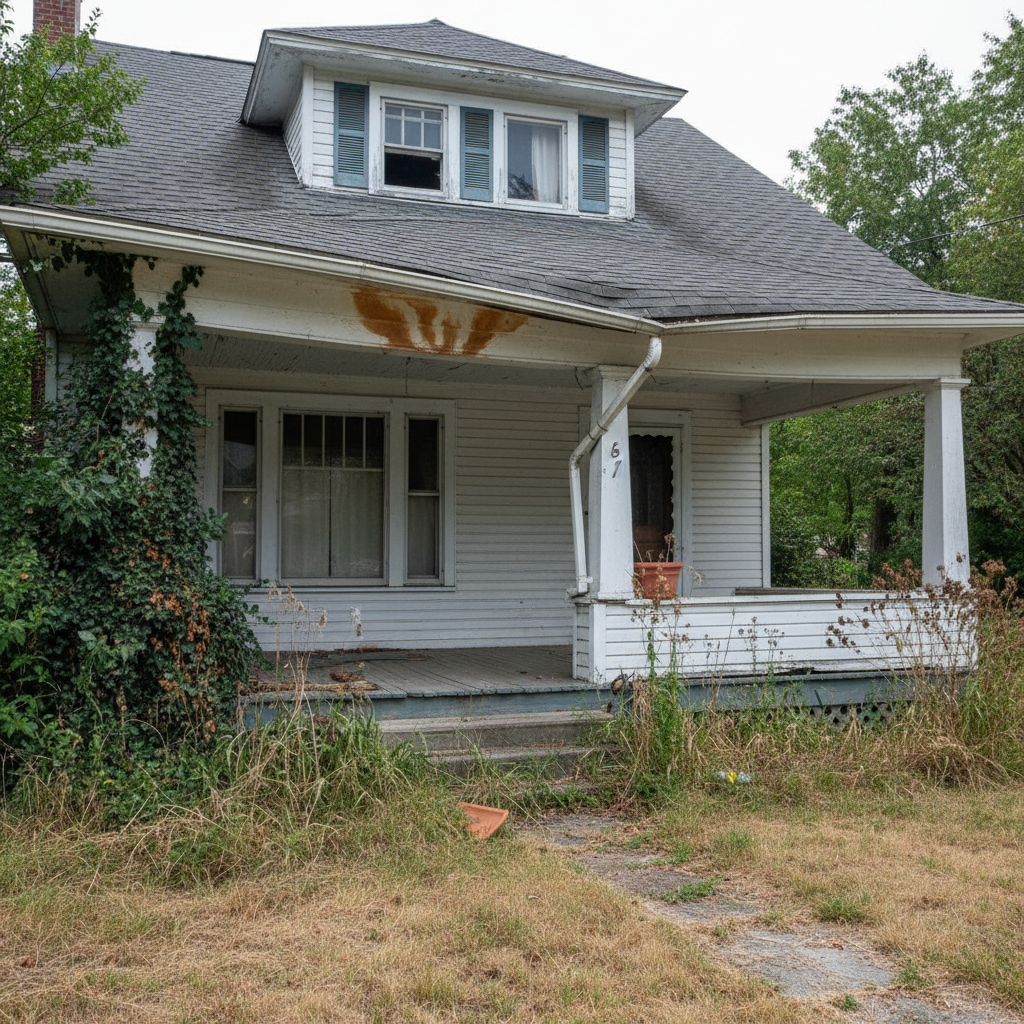
There’s nothing quite like relaxing on your porch, enjoying the fresh air and the view. It’s a cherished space for many homeowners, an extension of your living area that adds charm and curb appeal. However, discovering your porch roof sagging can quickly turn that tranquil feeling into one of concern and urgency. A sagging porch roof isn’t just an aesthetic issue; it’s a critical structural problem that could indicate serious underlying damage and pose significant safety risks. Understanding why your porch roof might be dipping, how to identify the signs, and what steps to take for repair and prevention is crucial for maintaining the safety, value, and beauty of your home. This guide will walk you through everything you need to know about tackling a sagging porch roof head-on.
Why is Your Porch Roof Sagging? Common Causes Explained
A variety of factors can contribute to a porch roof sagging, from environmental conditions to structural deficiencies. Identifying the root cause is the first step toward finding an effective and lasting solution.
Water Damage and Rot
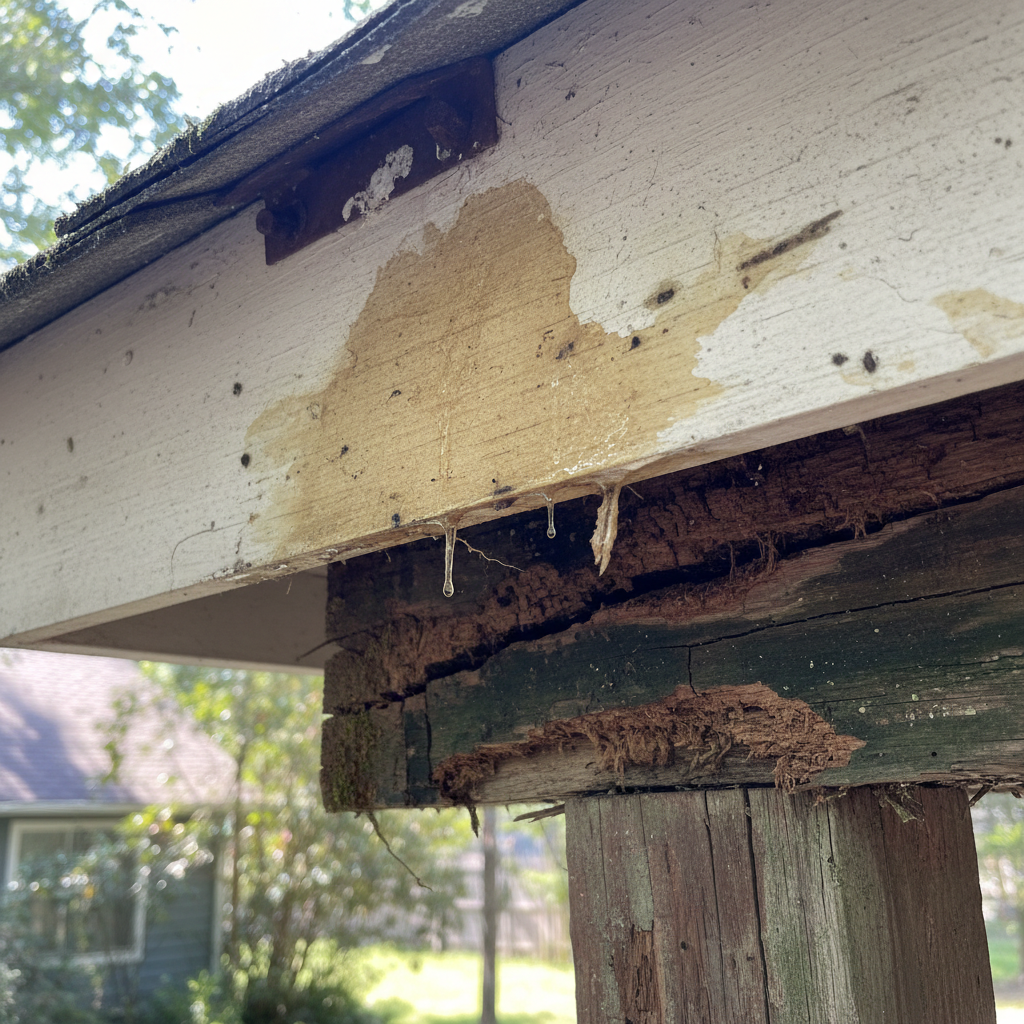
This is arguably the most common culprit. Constant exposure to moisture from rain, snow, or even high humidity can lead to wood rot in the structural components of your porch roof, such as rafters, joists, and support posts. Leaky gutters, damaged shingles, or inadequate flashing allow water to penetrate the roof structure, weakening the wood over time until it can no longer support its own weight, leading to a visible sag.
Foundation Issues or Settling
The foundation supporting your porch, whether it’s a concrete slab, footings, or piers, can settle over time due to soil movement, poor drainage, or improper construction. When the foundation settles unevenly, it can cause the porch structure to shift and the roof above to sag. This is often evident by cracks in the porch floor or walls, in addition to the roof itself.
Inadequate Framing or Support
Sometimes, a porch roof was simply not built with sufficient structural support from the start. This could be due to undersized lumber, too few support beams, or improper fastening techniques. Over time, gravity and the constant stress of supporting the roof’s weight can expose these initial design or construction flaws, resulting in a sag.
Overloading (e.g., Heavy Snow)
While most roofs are designed to withstand certain loads, extreme weather conditions can sometimes exceed these limits. Heavy snowfall accumulating on a porch roof can place immense stress on its structure. If the porch wasn’t designed for such heavy loads, or if the snow isn’t promptly removed, it can cause immediate or gradual sagging. Similarly, if anything heavy has been stored on the roof (which is generally not advisable), it could contribute to the problem.
Pest Infestations
Termites, carpenter ants, and other wood-boring insects can wreak havoc on wooden structures. These pests tunnel through and consume the wood, compromising its integrity. If a critical beam or joist supporting your porch roof becomes infested, its ability to bear weight will be severely diminished, leading to a sag.
Age and Wear
Even a well-built porch roof has a lifespan. Over decades, constant exposure to the elements, temperature fluctuations, and the natural aging of materials can weaken the structure. Wood can dry out and become brittle, fasteners can corrode, and the overall rigidity of the roof can diminish, eventually resulting in a sag.
Identifying a Sagging Porch Roof: Signs to Look For
Catching a sagging porch roof early can save you significant time, money, and potential hazards. Regularly inspect your porch for these tell-tale signs:
Visible Dip or Curve
The most obvious sign is a noticeable downward curve or dip in the roofline. Stand at a distance and look along the roof’s edge. Even a slight deviation from a straight line warrants further investigation. Use a long level or a string line stretched across the roof to confirm the sag.
Cracks in Walls or Ceilings
If your porch roof is attached to your home, a sag can transfer stress to the main house structure. Look for cracks appearing in the exterior walls near the porch attachment points or in the ceiling of the room directly beneath the porch roof (if applicable). These cracks indicate structural movement.
Misaligned Gutters or Fascia
The fascia board runs along the edge of the roof, and gutters are attached to it. If the roof sags, these components will often follow suit. Look for gutters that are pulling away from the roof, or fascia boards that appear crooked or uneven. Water pooling in specific sections of the gutter can also be an indicator.
Sticking Doors or Windows
While less common, if the porch structure is shifting due to a sagging roof, it can affect the alignment of doors or windows located in adjacent walls. If a door leading to your porch suddenly becomes difficult to open or close, or a nearby window jams, it could be a secondary symptom.
Visible Rot or Mold
Inspect any exposed wooden components of your porch roof – rafters, beams, posts. Look for signs of rot, such as soft or crumbling wood, discoloration (dark spots), or a musty odor. Mold growth, while often a surface issue, can indicate underlying moisture problems that contribute to structural decay.
Leaks
Any signs of water leaks, stains on the porch ceiling, or dripping water during rain are clear indicators that water is penetrating the roof structure. This moisture is likely weakening the wood and contributing to or exacerbating the sag.
The Dangers of a Sagging Porch Roof
Ignoring a sagging porch roof is not an option. The potential consequences range from minor inconveniences to severe safety hazards.
Structural Collapse Risk
This is the most critical danger. A severely sagging roof is one whose structural integrity has been compromised. Under certain conditions – heavy snow, strong winds, or even just continued degradation – the roof could suddenly collapse, posing a significant threat to anyone underneath it and causing extensive damage to your home.
Water Infiltration and Further Damage
A sagging roof creates pockets where water can collect, leading to more leaks and accelerated rot. This can spread beyond the porch roof itself, affecting the exterior walls of your home, the main foundation, and even interior finishes, leading to costly repairs for mold remediation, plaster repair, and more.
Decreased Property Value
A visible sag instantly detracts from your home’s curb appeal and signals a major problem to potential buyers. It can significantly reduce your property value and make it difficult to sell your home until the issue is addressed. Most home inspectors will flag a sagging roof as a critical repair item.
Pest Entry Points
Gaps and compromised structural elements created by a sagging roof can become easy entry points for pests like rodents, birds, and insects. These uninvited guests can further damage your home and introduce health hazards.
What to Do When You Discover Your Porch Roof is Sagging
If you’ve identified a sag in your porch roof, it’s time to act decisively and responsibly.
Assess the Severity
While not a substitute for professional assessment, try to gauge the severity. Is it a slight dip, or a significant, visible curve? Are there accompanying cracks or severe rot? The more pronounced the sag and the more secondary damage you observe, the more urgent the situation.
Call a Professional
For any significant sag, your immediate next step should be to contact a qualified professional. This might include a general contractor specializing in structural repairs, a roofing contractor, or, for more severe cases, a structural engineer. A structural engineer can provide an expert assessment of the underlying issues and recommend the safest and most effective repair solutions. They can also provide stamped drawings necessary for permits. Look for contractors with experience in porch and deck repair.
Temporary Support Measures (if safe)
If the sag is severe and you’re concerned about immediate collapse, and only if it’s safe to do so, you might consider temporary shoring. This involves using adjustable support posts (ACRO props) to prop up the sagging area. **However, this should only be done if you are absolutely confident in your ability to do it safely, or preferably under the guidance of a professional. Improper shoring can be dangerous.** If in doubt, clear the area and await professional assistance.
Repairing a Sagging Porch Roof: Options and Solutions
The repair strategy for a sagging porch roof depends entirely on the cause and extent of the damage. A professional assessment is critical to determine the best course of action.
Minor Repairs: Addressing Surface Issues
If the sag is very minor and caused by superficial water damage or isolated rot on non-structural elements, simpler repairs might suffice. This could involve replacing a few damaged shingles, repairing flashing, or treating small areas of rot with wood hardener and filler. However, always ensure no structural components are compromised.
Structural Reinforcement: Adding Support Beams
In cases where the original framing was inadequate or has weakened, reinforcing the existing structure is often necessary. This might involve adding new rafters, joists, or cross-bracing to distribute weight more effectively. Sometimes, adding an extra support post or a stronger header beam can significantly improve stability.
Replacing Damaged Components: Rafters, Joists, Posts
If wood rot, pest damage, or severe splitting has compromised structural members like rafters, joists, or support posts, these components will need to be replaced entirely. This is a complex process that often requires temporarily supporting the roof while the damaged parts are carefully removed and new, appropriately sized lumber is installed.
Foundation Repair (if applicable)
If the sag stems from foundation settlement, the underlying foundation issues must be addressed first. This could involve underpinning, pier and beam repair, or soil stabilization techniques. Once the foundation is stable, the porch structure can then be leveled and repaired.
Professional vs. DIY: Making the Right Choice
While some very minor, non-structural repairs might be suitable for an experienced DIYer, fixing a sagging porch roof is generally best left to professionals. Structural repairs require specific knowledge of building codes, load-bearing capacities, and safe construction practices. Mistakes can lead to further damage, safety hazards, and even legal liabilities. A qualified contractor or structural engineer will ensure the repair is done correctly, safely, and up to code, often providing warranties for their work.
Preventing Porch Roof Sagging: Proactive Maintenance
Once your porch roof is repaired, or if you want to prevent future issues, proactive maintenance is key. Regular care can significantly extend the life of your porch and prevent costly structural problems.
Regular Inspections
Make it a habit to inspect your porch roof at least twice a year, ideally in spring and fall. Look for any of the signs mentioned earlier: visible dips, loose shingles, cracks, signs of rot, or pest activity. Early detection allows for minor repairs before they escalate into major problems.
Gutter Maintenance
Clean your gutters regularly to ensure proper drainage. Clogged gutters cause water to back up and overflow, often directly onto the fascia and roof structure, leading to water damage and rot. Ensure downspouts direct water away from the porch foundation.
Pest Control
Be vigilant for signs of wood-boring insects. Keep wood components painted or sealed to deter pests. If you suspect an infestation, call a pest control professional immediately to mitigate damage before it compromises structural integrity.
Proper Drainage
Ensure that landscaping around your porch slopes away from the foundation to prevent water from pooling. Consider adding French drains if you have chronic standing water issues near the porch base.
Sealing and Painting
Keep all exposed wooden elements of your porch roof structure properly sealed and painted. This protective barrier helps to repel moisture and protects the wood from UV damage and rot. For more tips on general home maintenance, Better Homes & Gardens offers valuable seasonal checklists to keep your property in top shape.
Snow Removal
In regions with heavy snowfall, carefully remove snow from your porch roof after significant accumulation. Use a roof rake to pull snow off without damaging shingles. Be mindful not to overload the roof during this process.
Frequently Asked Questions About Porch Roof Sagging
How much does it cost to fix a sagging porch roof?
The cost varies greatly depending on the cause and extent of the sag. Minor repairs for surface water damage might range from a few hundred dollars. However, if structural components (rafters, beams, posts) need replacement or reinforcement, or if foundation work is required, costs can quickly escalate to several thousands or even tens of thousands of dollars. Always get multiple quotes from qualified professionals.
Can I fix a sagging porch roof myself?
While minor cosmetic fixes or basic gutter cleaning can be DIY tasks, significant sagging of a porch roof almost always indicates a structural problem. These repairs are complex, require specialized knowledge, and can be dangerous if not done correctly. It is highly recommended to consult and hire a professional contractor or structural engineer for any substantial sagging issue to ensure safety and code compliance.
How can I tell if my porch roof is structurally sound?
A structurally sound porch roof will have a straight, even roofline, with no visible dips, cracks, or signs of water damage or rot on its supporting elements. The posts and beams should be plumb and level, and the foundation should show no signs of cracking or settling. Regular professional inspections can also provide peace of mind.
What’s the difference between a minor sag and a serious structural issue?
A minor sag might be a slight, barely perceptible dip caused by superficial issues or very slight settling over many years, with no accompanying cracks or severe rot. A serious structural issue involves a noticeable, often progressive, dip that is accompanied by significant cracks in walls, widespread rot, misaligned components, or evidence of foundation movement. When in doubt, always err on the side of caution and consult a structural professional.
Conclusion
A sagging porch roof is more than just an eyesore; it’s a structural warning sign that demands immediate attention. From the insidious creep of water damage and rot to the more immediate threat of inadequate support or overloading, understanding the causes is the first step toward effective remediation. By being vigilant for the tell-tale signs, seeking professional help promptly, and committing to proactive maintenance, you can ensure your porch remains a safe, beautiful, and valuable extension of your home for years to come. Don’t let a dip turn into a disaster – address your sagging porch roof today.