What Causes a Porch Roof to Sag?
Understanding the root cause of a sagging porch roof is the first critical step toward a lasting solution. Various factors, often working in combination, can contribute to this concerning structural issue.
Water Damage and Rot
Water is arguably the greatest enemy of any wooden structure, and your porch roof is no exception. Leaky gutters, missing shingles, or poor flashing can allow water to penetrate the roofing materials, saturating the wooden joists, beams, and support posts. Over time, this constant exposure to moisture leads to wood rot, weakening the structural integrity of the components. As the wood deteriorates, it loses its ability to support weight, causing the roof to sag.
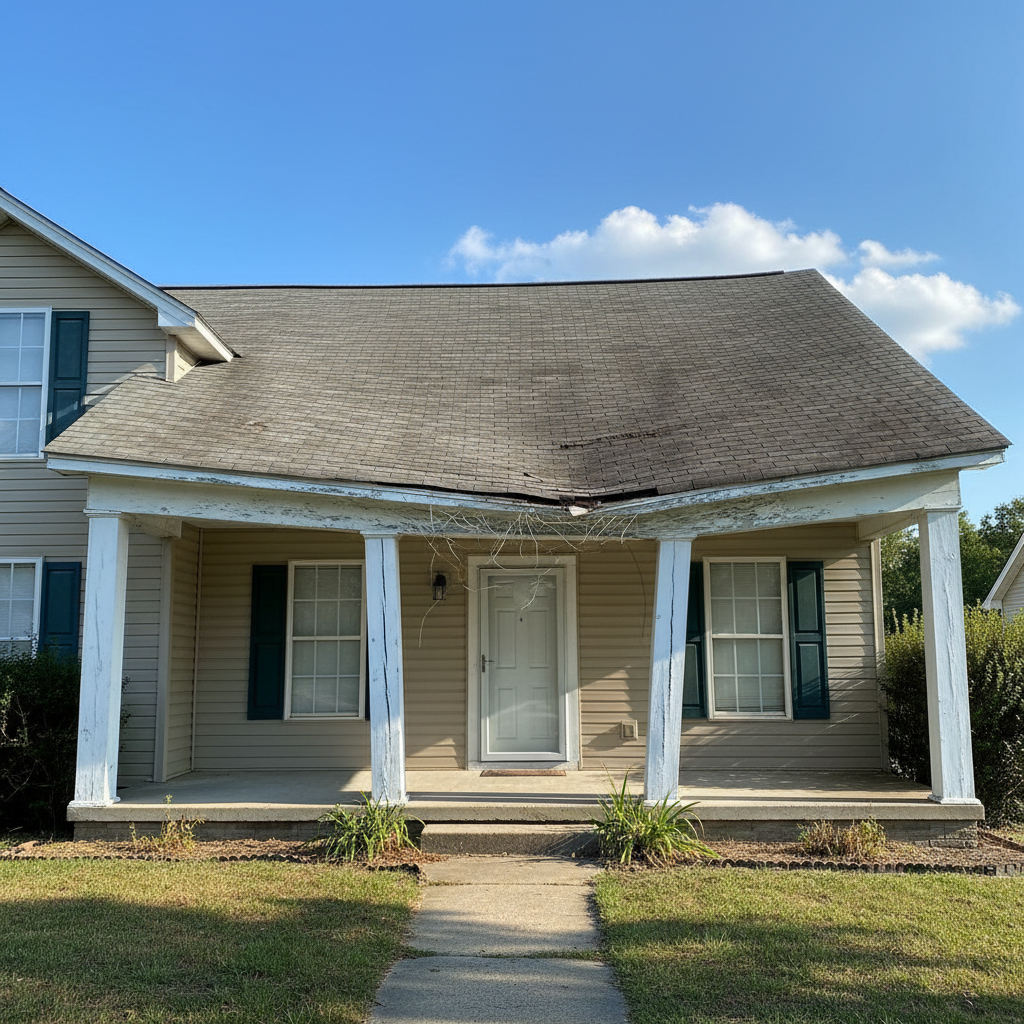
- Leaky Roof Covering: Compromised shingles, tiles, or metal roofing can allow water to seep through.
- Clogged or Damaged Gutters: When gutters don’t properly divert water away, it can pool on the roof or against fascia boards, leading to saturation.
- Poor Flashing: Inadequate or deteriorated flashing around walls, chimneys, or where the porch roof meets the house can be a major entry point for water.
- Ice Dams: In colder climates, ice dams can form, preventing melting snow from draining, forcing water under roofing materials, and causing significant damage.
Pest Infestations
Certain pests can wreak havoc on the wooden components of your porch roof, silently compromising its structure. Termites, carpenter ants, and powderpost beetles bore into wood, creating tunnels and weakening beams and joists from the inside out. While the exterior might look intact, the internal structure could be severely compromised, leading to a noticeable sag.
- Termites: These destructive insects consume cellulose, hollowing out wooden elements.
- Carpenter Ants: While they don’t eat wood, carpenter ants excavate tunnels in damp, rotting wood to create nests, exacerbating existing damage.
- Powderpost Beetles: Their larvae tunnel through wood, creating fine, powdery sawdust (frass) and weakening the structure.
Inadequate Support or Design Flaws
Sometimes, a porch roof sagging isn’t due to damage but rather inherent issues with its initial construction or design. This is particularly common in older homes or those with poorly executed additions.
- Insufficient Joist Size or Spacing: If the wooden joists supporting the roof deck are too small for the span or spaced too far apart, they may not be able to bear the load, leading to deflection and sagging over time.
- Weak Beams or Headers: Main support beams or headers that are undersized or improperly connected can fail under the roof’s weight.
- Foundation Settlement: If the posts supporting the porch roof are built on an unstable foundation or the ground beneath them settles unevenly, the entire roof structure can shift and sag.
- Lack of Adequate Bracing: Proper bracing and connections are essential to distribute weight and prevent lateral movement. Missing or weak bracing can allow the structure to warp.
Age and Wear and Tear
Even well-built porch roofs have a lifespan. Over decades, exposure to the elements, temperature fluctuations, and the natural aging of materials can take their toll. Wood can become brittle, fasteners can loosen, and the cumulative effects of weathering can lead to structural fatigue and sagging.
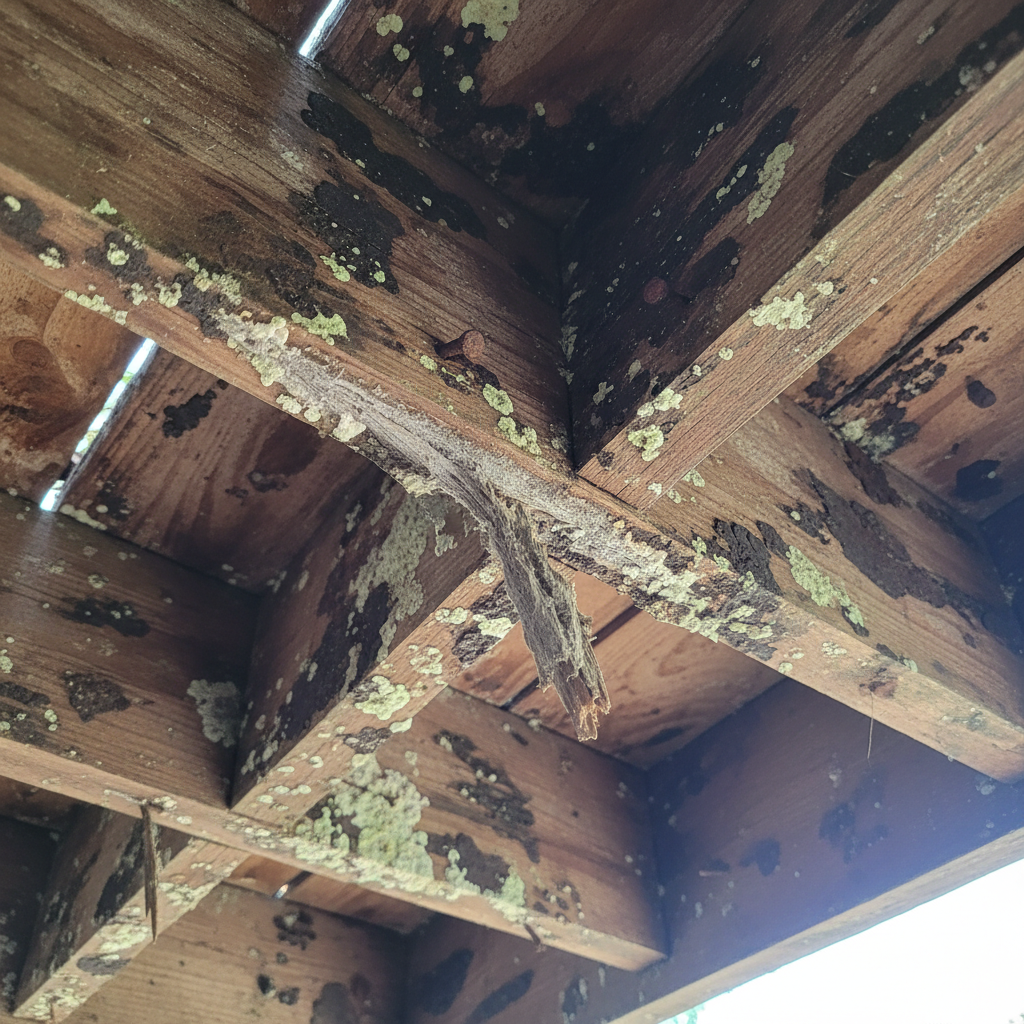
- Material Degradation: Wood, metal, and roofing materials naturally degrade over time.
- Loose Fasteners: Nails, screws, and bolts can rust or loosen, weakening connections.
- Cumulative Stress: Years of supporting snow loads, enduring high winds, and expanding/contracting with temperature changes can cause structural components to fatigue.
Excessive Weight/Snow Load
While porch roofs are designed to withstand certain loads, excessive weight can overwhelm their capacity. Heavy snowfall, especially wet, dense snow, can place immense stress on the roof structure. If the roof was not designed for such loads or is already weakened by other factors, it can lead to immediate or gradual sagging.
- Heavy Snowfall: Accumulations of snow, particularly heavy, wet snow, can exceed the roof’s structural capacity.
- Added Weight: Sometimes, homeowners add extra features like heavy lighting fixtures, ceiling fans, or even storage that was not accounted for in the original design, contributing to the problem.
The Dangers of a Sagging Porch Roof
A sagging porch roof is not merely an eyesore; it’s a significant warning sign that should prompt immediate attention. Ignoring the issue can lead to a cascade of problems, impacting both safety and your home’s value.
Structural Collapse
This is, without a doubt, the most serious risk. A severely sagging porch roof is a structure on the verge of failure. If the weakened components give way, the entire roof could collapse suddenly, posing an extreme danger to anyone underneath. This risk increases during heavy weather conditions like strong winds or additional snow loads.
Water Infiltration and Secondary Damage
A sagging roof often creates new pathways for water to enter. As the roof bows, it can pull away from the main house, create depressions where water pools, or compromise the integrity of the roofing material itself. This increased water infiltration can lead to:
- Rot in the main house structure where the porch connects.
- Mold and mildew growth in wall cavities, attic spaces, or even interior rooms.
- Damage to ceilings, walls, and flooring inside your home.
- Further deterioration of the porch structure, accelerating the sag.
Decreased Property Value and Curb Appeal
First impressions matter, and a visibly sagging porch roof immediately diminishes your home’s curb appeal. Potential buyers will view it as a major red flag, signaling extensive structural problems and significant future costs. This can drastically reduce your property’s market value and make it harder to sell.
Safety Hazards
Beyond the risk of collapse, a sagging roof can create other safety issues. Sharp edges, falling debris, unstable railings if they are attached to the roof, or weakened stairs could all arise as secondary problems. It can also invite pests, as gaps created by the sag become easy entry points for rodents and insects.
How to Assess the Severity of Your Sagging Porch Roof
Before you can consider any repairs, you need to thoroughly assess the extent and cause of the sag. This diagnostic phase is crucial for determining whether a DIY fix is feasible or if professional help is required.
Visual Inspection
Start with a thorough visual inspection from a safe distance, looking for obvious signs of distress.
- Look for the Sag: Is it uniform, or is it worse in certain areas? A localized sag might indicate a specific point of failure, while a widespread sag suggests more general structural weakness.
- Check for Gaps: Are there gaps between the porch roof and the main house wall? This often indicates settling or pulling away.
- Examine the Roofing Material: Look for missing, cracked, or curled shingles; damaged flashing; or soft spots on the roof deck itself.
- Inspect Support Posts and Beams: Are they plumb (straight)? Are there any visible cracks, splits, or signs of bowing?
- Look for Fascia and Soffit Damage: Peeling paint, discoloration, or softness in these areas often point to water damage.
Checking for Water Damage
Water damage is a primary culprit, so a detailed inspection for moisture issues is paramount.
- Inside the Porch Roof: If you have an accessible ceiling on your porch (e.g., exposed rafters or a finished ceiling with an access panel), inspect the underside of the roof deck and joists. Look for water stains, mold, mildew, or visible rot.
- Test Wood for Softness: Carefully probe any suspicious wooden elements with a screwdriver or awl. If the wood is soft or crumbles easily, it’s rotted.
- Check Gutters and Downspouts: Ensure they are clean, securely attached, and directing water away from the porch and house foundation.
Looking for Pest Activity
Signs of pests can be subtle but indicative of serious underlying damage.
- Frass or Sawdust: Look for piles of fine sawdust (frass) near wooden elements, which indicates boring insects like powderpost beetles or carpenter ants.
- Mud Tubes: Termites often build mud tubes on foundations or along wooden structures to travel and protect themselves.
- Holes in Wood: Small, perfectly round holes can indicate exit points for beetles.
- Listen for Activity: In quiet moments, you might hear faint rustling or chewing sounds from inside the wood.
Evaluating Support Structures
The posts, columns, and beams supporting the roof are critical. Their condition directly impacts the roof’s stability.
- Foundation of Posts: Check the base of each post. Is it sitting directly on soil, or on a proper concrete footing? Look for signs of rot at ground level or shifting of the footing.
- Post Plumbness: Use a level to check if the posts are perfectly vertical. Leaning posts indicate shifting or foundation issues.
- Beam Connections: Examine where beams connect to posts and where the porch roof connects to the house. Look for loose fasteners, cracked connectors, or signs of pulling apart.
DIY Solutions vs. Professional Help: When to Call the Experts
Once you’ve assessed the situation, you’ll face a crucial decision: can you handle this as a DIY project, or is it time to call in the professionals? The severity of the sag and the underlying cause will dictate the appropriate course of action.
Minor Sagging: Potential DIY Fixes
If the sag is very slight, localized, and clearly attributable to a minor issue like a loose connection or a small, isolated patch of superficial water damage, some homeowners with strong DIY skills might consider attempting a fix. Always prioritize safety, and if you’re ever in doubt, consult a professional.
- Reinforcing Minor Supports: If a specific joist shows minor deflection but is otherwise sound, adding sistered joists (new joists fastened alongside the existing one) can provide additional support. This usually requires temporary shoring to lift the roof slightly before installation.
- Addressing Localized Water Issues: Fixing a leaky shingle, patching small holes in flashing, or clearing clogged gutters are manageable DIY tasks that prevent further water damage. However, if water has already caused significant rot, the affected wood must be replaced, not just dried out.
- Tightening Connections: Replacing rusted screws or bolts with stronger, galvanized fasteners can help solidify minor wobbles or loose connections in non-load-bearing areas.
Before undertaking any DIY structural repair, it’s vital to have a clear understanding of woodworking, load-bearing principles, and safety procedures. Always use appropriate safety gear, including eye protection, gloves, and a sturdy ladder.
Major Sagging: The Need for Professionals
For anything beyond the most superficial and minor issues, professional help is not just recommended, it’s essential. A sagging porch roof implies a failure in structural integrity, and missteps in repair can have catastrophic consequences.
- Structural Engineers: If the cause of the sag is unclear, involves significant foundation issues, or seems to stem from a fundamental design flaw, a structural engineer is the first professional to call. They can accurately assess the load-bearing capacity, pinpoint the exact cause of the failure, and provide detailed repair plans and specifications. Their expertise is invaluable for ensuring the safety and longevity of the repair.
- General Contractors/Roofing Specialists: Once an engineer has provided a plan (or if the cause is clearly defined as extensive water damage or pest infestation), a reputable general contractor or roofing specialist with experience in structural repairs can execute the work. They have the knowledge, tools, and labor to safely temporarily shore up the roof, remove damaged components, and install new, properly sized and connected structural elements.
- Pest Control Experts: If pest infestation is identified as a primary cause, a certified pest control professional should be engaged to eradicate the pests before any structural repairs begin.
Working with professionals ensures that the repair is done correctly, safely, and up to code, providing peace of mind and protecting your investment. They can also advise on necessary permits, which are often required for structural modifications.
Understanding the Repair Process
While the specifics of each repair will vary based on the cause and severity of the sag, a general process is usually followed by professionals to ensure a safe and effective restoration.
Temporary Shoring
The very first step in addressing a significantly sagging roof is to provide temporary support. This involves using adjustable jacks and sturdy lumber to safely lift and hold the roof in its original position (or slightly above, to allow for settling) while repairs are carried out. This critical safety measure prevents further collapse during the work.
Identifying and Addressing the Root Cause
With the roof temporarily supported, the professionals will delve deeper to confirm the exact cause of the sag. This might involve removing sections of roofing, soffit, or fascia to expose the underlying structure. Whether it’s extensive rot from water leaks, pest damage, or undersized framing, the root cause must be fully addressed to prevent recurrence.
- Water Source Elimination: If water damage is present, the source of the leak (e.g., damaged flashing, compromised shingles, clogged gutters) must be repaired or replaced.
- Pest Eradication: If pests are the culprit, a pest control specialist will treat the affected areas to ensure all infestations are eliminated before structural repairs proceed.
Repairing or Replacing Damaged Components
Once the cause is addressed, the actual structural repair begins.
- Removing Damaged Wood: All rotted, pest-eaten, or severely compromised wooden joists, beams, and posts must be carefully removed.
- Replacing with New Material: New, appropriately sized lumber (often pressure-treated for resistance to moisture and pests) is cut and fitted into place. This might involve “sistering” joists (adding new ones alongside existing ones for reinforcement) or completely replacing entire sections.
- Upgrading Materials: Sometimes, the original design might have used materials that were barely adequate. Professionals might recommend upgrading to stronger, larger lumber or different connection methods for increased durability.
Reinforcing the Structure
Beyond simply replacing damaged parts, professionals often reinforce the entire structure to prevent future sagging. This can include:
- Adding Blocking or Bracing: Installing additional cross-blocking between joists or bracing to posts and beams to enhance stability and distribute loads more effectively.
- Strengthening Connections: Using stronger hurricane ties, metal plates, or specialized structural screws to ensure all connections are robust and secure.
- Foundation Repair: If the sag was due to settling posts, the foundation beneath them may need to be reinforced or rebuilt to provide a stable base.
- Proper Drainage Improvements: Ensuring gutters are in excellent condition, downspouts are diverting water away, and the roof’s slope is adequate to prevent water pooling. For more on proper home drainage, see this resource from Good Housekeeping.
Upon completion of structural repairs, the roofing materials, soffits, fascia, and any other finishes will be reinstalled, leaving your porch roof looking and functioning as good as new, or even better.
Preventing Future Porch Roof Sagging
Once your porch roof is repaired, proactive maintenance is key to preventing future issues. A little vigilance goes a long way in preserving your investment and ensuring continued safety.
Regular Maintenance and Inspections
Make it a habit to inspect your porch roof and its supporting structures at least twice a year, ideally in spring and fall. After severe weather events, conduct an additional check.
- Visual Checks: Look for any new signs of sagging, bowing, cracks, or shifts.
- Roofing Material Inspection: Check for missing, damaged, or curled shingles. Ensure flashing around penetrations and connections is intact.
- Paint and Finish: Keep wooden elements painted or sealed to protect them from moisture and UV degradation.
Proper Drainage
Efficient water management is paramount in protecting your porch roof.
- Clean Gutters and Downspouts: Regularly remove leaves, twigs, and debris from gutters and ensure downspouts are clear and directing water at least several feet away from the porch foundation.
- Inspect Gutter Integrity: Check for leaks, rust, or loose connections in your gutter system.
- Consider Drip Edges: Ensure proper drip edges are installed under your roofing material along the eaves to direct water directly into the gutters and away from fascia boards.
Addressing Water Issues Promptly
Don’t delay repairs if you spot a leak. Even a small drip can lead to significant water damage and rot over time. Fix damaged shingles, re-seal flashing, or address any other water entry points as soon as they are discovered.
Pest Control
Implement preventative measures against wood-boring pests.
- Keep Wood Dry: Pests like carpenter ants are attracted to damp, rotting wood. Keeping your porch roof dry is one of the best deterrents.
- Seal Cracks and Gaps: Close off potential entry points for insects and rodents.
- Regular Pest Inspections: If you live in an area prone to termites, consider annual professional inspections.
Ensuring Adequate Support
Periodically check the stability of your porch roof’s support posts and beams. If you notice any wobbling, shifting, or signs of settling, investigate immediately.
- Avoid Overloading: Be mindful of what you place on or hang from your porch roof. Heavy decorations, excessive hanging plants, or improper storage can add unintended stress.
- Snow Removal: In regions with heavy snowfall, consider safely removing excessive snow loads from your porch roof to reduce stress on the structure.
By staying vigilant and addressing potential problems early, you can significantly extend the life of your porch roof and avoid the costly and dangerous ordeal of a major structural repair.
FAQs about Porch Roof Sagging
Is a sagging porch roof dangerous?
Yes, absolutely. A sagging porch roof indicates a compromised structural integrity. If left unaddressed, it can lead to a sudden and catastrophic collapse, posing a severe risk of injury or death to anyone beneath it. It can also cause significant damage to your home and drastically reduce property value.
Can I fix a sagging porch roof myself?
Minor, superficial issues like a single loose connection or a very slight, localized sag due to recent, minor water damage might be fixable by experienced DIYers. However, if the sag is significant, widespread, or the underlying cause involves structural rot, pest damage, or foundation issues, it is strongly recommended to hire a qualified professional (like a structural engineer or general contractor). DIY attempts on major structural problems can be dangerous and lead to further damage.
How much does it cost to fix a sagging porch roof?
The cost varies widely depending on the cause, severity of the sag, geographical location, and whether you hire a structural engineer. Minor repairs (e.g., replacing a few rotted boards, fixing a leak) might range from a few hundred to a couple of thousand dollars. Extensive repairs involving temporary shoring, replacing multiple joists/beams, addressing foundation issues, or engineering plans can easily cost several thousand to tens of thousands of dollars. Getting multiple quotes from reputable professionals is always advisable.
How long does a porch roof last?
The lifespan of a porch roof depends on its construction materials, quality of initial build, maintenance, and exposure to elements. Generally, a well-built and well-maintained porch roof can last anywhere from 20 to 50 years, often mirroring the lifespan of the main house roof’s structural components. However, specific roofing materials (shingles, metal, etc.) will have their own lifespans, typically 15-30 years.
What are the signs of a failing porch roof?
Beyond a visible sag, other signs include:
- Visible cracks or splits in beams or posts.
- Wood that feels soft, spongy, or crumbles when probed.
- Water stains or mold growth on the underside of the porch roof or connected walls.
- Gaps forming between the porch roof and the main house.
- Creaking or groaning noises during high winds or heavy snow.
- Pest activity (sawdust, mud tubes, holes in wood).
- Loose or missing roofing materials (shingles, flashing).
If you notice any of these signs, it’s crucial to investigate the cause promptly.
Conclusion
A sagging porch roof is a clear indicator that something is amiss with your home’s structure. While it can be an unsettling discovery, understanding the potential causes, recognizing the inherent dangers, and knowing when to seek professional help are crucial steps toward a safe and effective resolution. By taking prompt action, whether through diligent DIY for minor issues or by enlisting experienced professionals for more complex structural repairs, you can restore your porch to its former glory, ensuring it remains a beautiful, functional, and most importantly, safe part of your home for years to come. Don’t let a minor dip turn into a major disaster; address your sagging porch roof today.