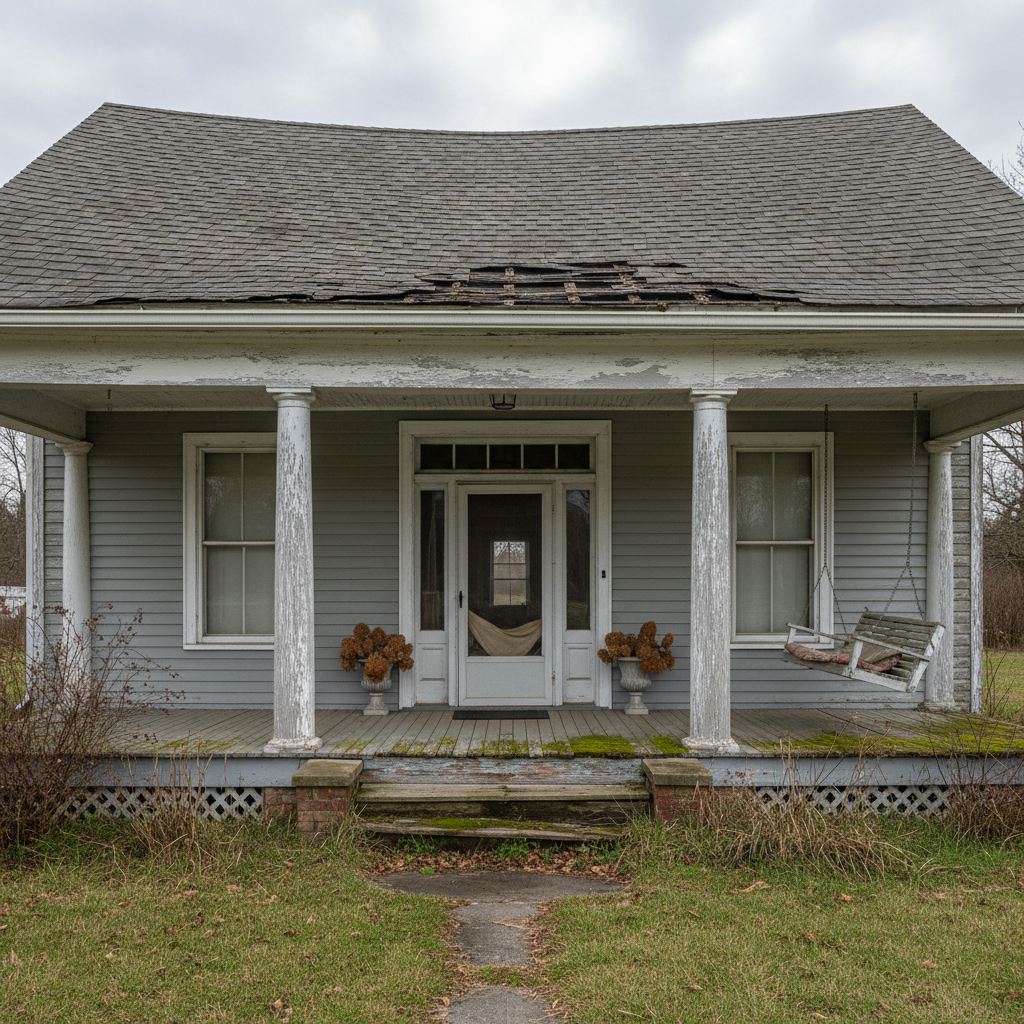
Few things are as disconcerting to a homeowner as discovering their porch roof sagging. What might start as a subtle dip can quickly escalate into a significant structural problem, posing serious safety risks and diminishing your home’s curb appeal. A sagging porch roof isn’t just an aesthetic flaw; it’s a clear indicator that something is amiss with your porch’s structural integrity, demanding immediate attention. Understanding why your porch roof is sagging, what steps to take, and how to prevent it from happening again is crucial for maintaining a safe and beautiful home. This comprehensive guide will walk you through the common causes, equip you with the knowledge to assess the damage, and outline effective repair and prevention strategies.
Understanding the Causes Behind a Sagging Porch Roof
Before you can fix a sagging porch roof, you need to understand the root cause. Several factors, often working in combination, can lead to this structural issue. Pinpointing the exact reason is the first step toward a lasting solution.
1. Water Damage and Wood Rot
Perhaps the most common culprit behind a sagging porch roof is water. Prolonged exposure to moisture can lead to wood rot, weakening the structural components of your porch roof over time. This can originate from several sources:
- Leaky Roof Shingles or Flashing: Damaged or improperly installed shingles, or compromised flashing around chimneys or walls, can allow water to seep into the roof structure.
- Clogged Gutters and Downspouts: When gutters overflow, water can cascade directly onto the porch structure, saturating beams, joists, and posts.
- Poor Drainage: If water pools around the porch foundation or splashes back onto the structure, it can contribute to moisture absorption and rot.
- Inadequate Ventilation: Trapped moisture within the roof or ceiling can create a damp environment, fostering rot and mold growth.
2. Inadequate Structural Support
Sometimes, the problem isn’t damage, but rather an inherent design flaw or insufficient support from the outset. This can include:
- Undersized Beams or Joists: If the original construction used beams or joists that were too small for the span or the anticipated load (e.g., snow, wind), they can start to deflect and sag over time.
- Too Few Support Posts: An insufficient number of support posts can mean that the weight of the roof is not adequately distributed, leading to excessive stress on the existing supports and the roof itself.
- Improper Fastening: Connections between structural elements (e.g., beams to posts, joists to beams) might be loose, rusted, or incorrectly fastened, compromising the entire structure’s stability.
3. Foundation Issues
The entire porch structure, including its roof, relies on a stable foundation. Problems with the foundation can manifest as a sagging roof:
- Settling Foundation: Uneven settling of the porch’s foundation can cause one side of the porch to sink, pulling the roof structure with it and creating a noticeable sag.
- Heaving Foundation: In some climates, soil expansion due to moisture (heaving) can push parts of the foundation upwards, distorting the structure above.
- Erosion: Water erosion around the foundation can undermine its stability, leading to movement and structural issues.
4. Age and Wear
Even well-built structures eventually succumb to the effects of time. Materials can degrade, fasteners can loosen, and the cumulative stress of weather cycles can take its toll. Older porches are naturally more susceptible to these issues.
5. Heavy Loads
While porches are designed to withstand typical weather, extreme conditions can push them past their limits:
- Heavy Snowfall and Ice: A thick blanket of snow or ice accumulation can impose significant weight on a roof, especially if the structure was not designed to meet local snow load requirements.
- Improper Storage: Storing heavy items on a porch roof (e.g., for holiday decorations, or even heavy planters if the roof is flat and accessible) can exceed its load-bearing capacity.
6. Termite and Pest Damage
Termites, carpenter ants, and other wood-boring pests can hollow out or weaken the internal structure of beams and posts, making them unable to bear weight and leading to a sag. This type of damage is often hidden until the structural integrity is severely compromised.
Beyond the Sag: Other Warning Signs of Porch Structural Problems
A visible sag is a prominent sign, but other indicators can signal underlying structural issues with your porch, often appearing before the sag becomes obvious:
- Cracks in Columns or Beams: Look for vertical or horizontal cracks, especially larger ones, which can indicate stress or failure.
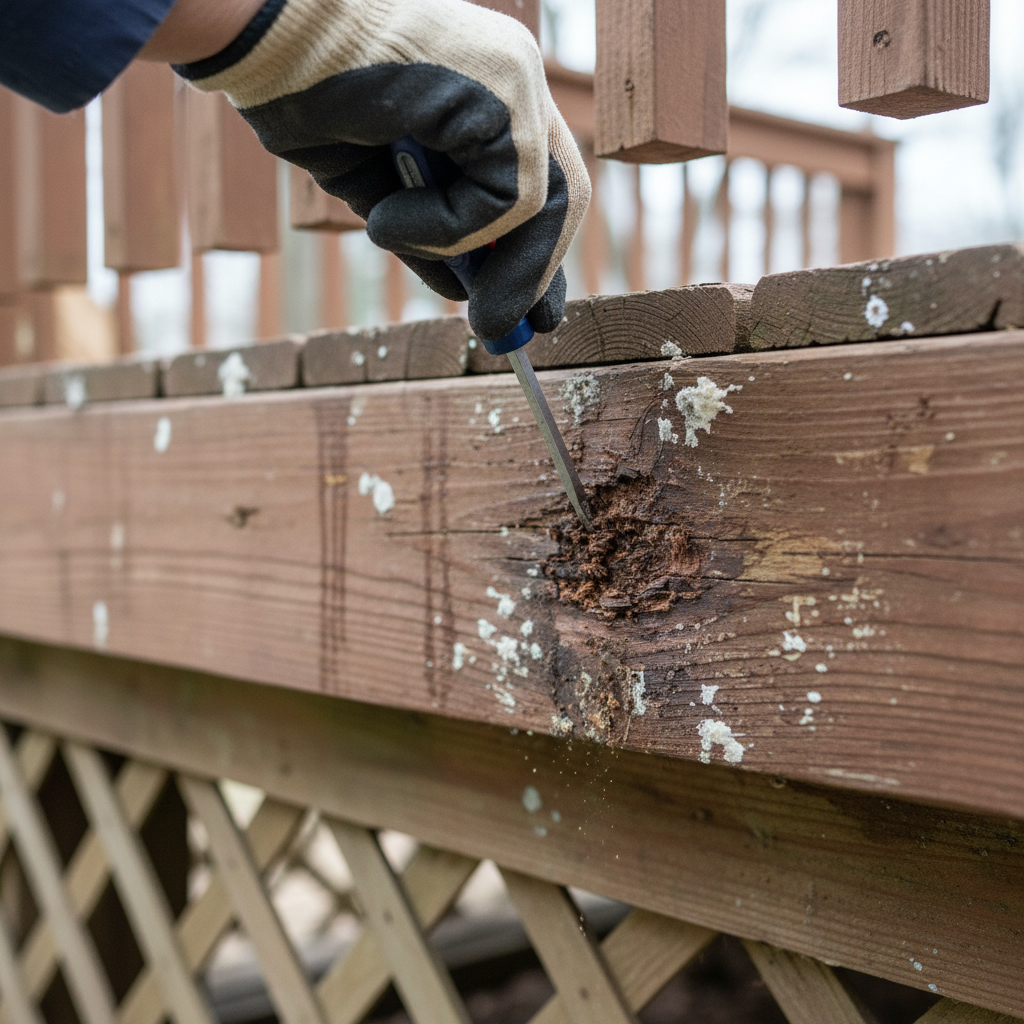
- Spongy or Soft Wood: Probe wooden elements with a screwdriver; if the wood feels soft or crumbles, it’s likely suffering from rot or pest damage.
- Visible Mold or Mildew: Patches of mold or mildew on wooden surfaces can be a sign of persistent moisture problems.
- Peeling Paint or Discolored Wood: These can indicate water saturation or trapped moisture.
- Loose or Detaching Railings: If railings feel wobbly or are pulling away from the porch, it could point to issues with the deck structure they are attached to.
- Gaps Between Components: Spaces appearing between the porch roof and the house, or between beams and posts, suggest movement.
- Squeaking or Excessive Movement: While some give is normal, excessive movement or loud squeaks when walking on the porch floor can indicate instability.
Assessing the Damage: When to DIY vs. Call a Professional
Once you’ve noticed your porch roof sagging, the next crucial step is a thorough assessment. This will help determine the extent of the damage and whether it’s a DIY project or requires professional intervention.
DIY Assessment
You can perform an initial inspection to gather information:
- Visual Inspection: Stand back and look for the degree of the sag. Is it localized or across the entire roof? Check for visible signs of rot, insect activity, or damaged flashing.
- Poke Test: Use a screwdriver to gently probe wooden beams, posts, and joists, particularly in areas showing discoloration or near water sources. Healthy wood will be firm; rotted wood will be soft and punky.
- Check for Leaks: Inspect the underside of the roof after rain or by spraying water on top (carefully) to identify entry points.
- Examine the Foundation: Look for cracks, shifting, or settling around the porch’s support piers or foundation.
When to Call a Professional
While minor repairs might be within a skilled DIYer’s capabilities, a sagging porch roof often warrants professional help. You should immediately contact a licensed contractor or a structural engineer if:
- The sag is significant and covers a large area.
- You suspect severe structural damage, such as major beam failure or widespread rot.
- The issue appears to stem from foundation problems.
- You lack experience with structural carpentry or working at heights.
- There’s any concern for safety, as a collapsing porch roof can be extremely dangerous.
A structural engineer can provide an expert assessment, identify the precise cause, and recommend the safest and most effective repair methods. For general home maintenance and spotting issues early, resources like the Good Housekeeping spring and fall home maintenance checklist can be very helpful: Good Housekeeping Home Maintenance Checklist.
Repairing a Sagging Porch Roof: Practical Solutions
The repair method for a sagging porch roof depends entirely on the underlying cause and the extent of the damage. Here are common approaches:
1. Addressing Water Damage and Rot
- Identify and Seal Leaks: Repair damaged roof shingles, re-seal flashing, and ensure proper gutter and downspout functionality. Consider adding splash blocks to direct water away from the foundation.
- Replace Rotted Wood: Severely rotted sections of beams, joists, or posts must be carefully removed and replaced with new, pressure-treated lumber. This often requires temporarily shoring up the roof structure with hydraulic jacks and temporary supports.
- Improve Ventilation: If moisture is trapped, consider adding vents to the porch ceiling or roof structure to allow for better airflow.
2. Reinforcing Inadequate Support
- Adding or Replacing Support Posts: If the current posts are too few or undersized, new posts might need to be installed, or existing ones replaced with larger, stronger alternatives. Ensure new footings are properly designed and installed.
- Sistering Joists or Beams: For sagging joists or beams that aren’t completely rotted, you can “sister” them by attaching a new, identically sized piece of lumber directly alongside the existing one, effectively doubling its strength. This requires temporarily lifting the sagged area.
- Adding a Beam: In some cases, an additional load-bearing beam might be needed to reduce the span of existing joists or provide extra support.
- Reinforcing Connections: Replace rusted fasteners, add structural connectors (like hurricane ties or joist hangers), or use stronger lag bolts to secure connections.
3. Correcting Foundation Issues
If the sag is due to foundation problems, these must be addressed first by a foundation specialist. Solutions can include:
- Underpinning: Extending the foundation deeper into stable soil.
- Pier and Beam Repair: Replacing or reinforcing damaged support piers or beams.
- Improving Drainage: Installing French drains or re-grading the landscape to divert water away from the foundation.
4. Lifting and Leveling the Roof
After addressing the underlying cause (rot, inadequate support), the sagged portion of the roof often needs to be carefully lifted back into position. This is a delicate operation that typically involves:
- Temporary Shoring: Using adjustable jack posts and sturdy lumber to gradually lift the sagged area. This must be done slowly, over days or weeks, to prevent cracking or further damage.
- Permanent Support: Once the roof is level, permanent supports (new posts, beams, or reinforced existing structures) are installed or secured to maintain the correct height.
5. Complete Rebuild
In severe cases, where the damage is extensive, widespread, and compromises the majority of the structure, a complete tear-down and rebuild of the porch roof may be the safest and most cost-effective long-term solution.
Preventing Future Porch Roof Sagging
Prevention is always better than cure, especially when it comes to structural integrity. Regular maintenance and careful consideration during initial construction can save you significant time, money, and worry.
1. Regular Inspections
Make it a habit to inspect your porch roof and structure at least twice a year (spring and fall). Look for:
- Any signs of new sagging or deflection.
- Cracks, soft spots, or discoloration in wood.
- Damaged or missing shingles, flashing, or gutter components.
- Signs of pest activity (e.g., sawdust-like frass, mud tubes).
2. Ensure Proper Drainage
- Clean Gutters and Downspouts: Keep them free of leaves and debris to ensure water flows freely away from the porch and foundation.
- Extend Downspouts: Use extensions to discharge water at least 5-10 feet away from the porch and home foundation.
- Maintain Landscaping: Grade the soil around the porch so it slopes away from the structure, preventing water from pooling.
3. Protect Wood from Moisture and Pests
- Apply Sealants and Paint: Keep all exposed wood surfaces painted or sealed to protect them from moisture penetration and UV damage. Reapply as needed.
- Use Pressure-Treated Lumber: For new construction or replacements, always use pressure-treated lumber for any components that are exposed to the elements or in contact with the ground.
- Regular Pest Control: Be vigilant for signs of termites or carpenter ants. Consider professional pest control if you live in an area prone to these pests.
4. Design and Construct for Load Requirements
If building a new porch or extensively renovating, ensure that the design and materials meet or exceed local building codes for snow load, wind resistance, and structural integrity. This includes using appropriately sized beams, joists, and a sufficient number of supports.
5. Maintain the Foundation
Address any cracks or shifts in the porch foundation promptly. Ensure good soil drainage around the foundation to prevent settling or heaving.
6. Avoid Overloading
Be mindful of the weight you place on your porch. While sturdy, porch roofs are not designed to support excessive weight from snow, ice, or stored items.
Safety First: When in Doubt, Call a Professional
Dealing with structural issues, especially a sagging porch roof, carries inherent risks. Never attempt repairs if you feel unsafe or lack the necessary expertise and equipment. Working with temporary shoring and lifting heavy structures requires specialized knowledge and caution. A collapsing porch roof can cause serious injury or even death. Prioritize your safety and the safety of your family by consulting with a licensed contractor or structural engineer for any significant porch roof sagging issue.
Conclusion
A sagging porch roof is a clear signal that your home needs attention. By understanding the common causes, recognizing the warning signs, and taking appropriate action, you can restore your porch’s safety, stability, and aesthetic appeal. Whether it’s addressing water damage, reinforcing inadequate support, or correcting foundation issues, timely intervention is key. Remember, when faced with significant structural concerns, the expertise of a professional is invaluable, ensuring a safe and durable solution for your cherished home.