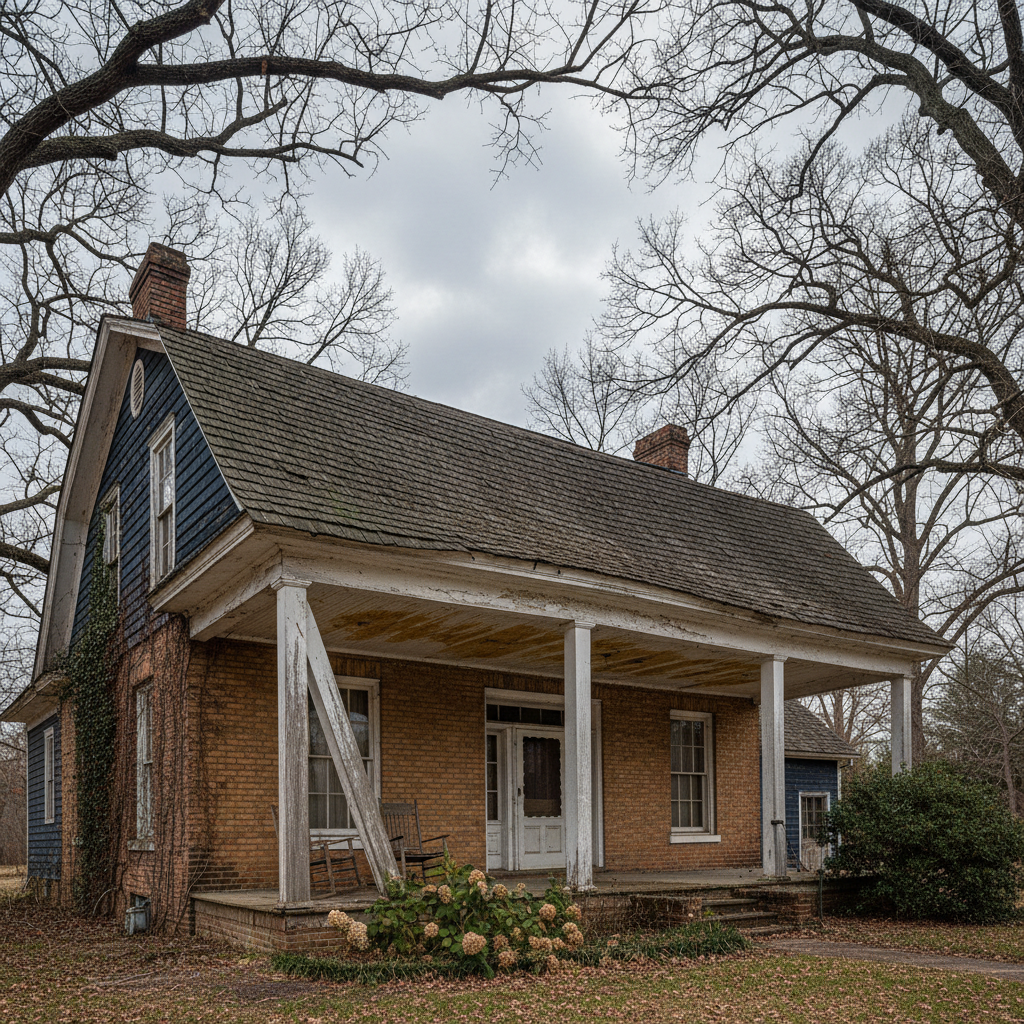
Discovering your porch roof sagging can be an alarming sight for any homeowner. More than just an aesthetic issue, a sagging porch roof is a significant indicator of potential structural problems that could compromise the safety and integrity of your home. Whether it’s a slight dip or a pronounced slump, addressing this issue promptly is crucial to prevent further damage and ensure the longevity of your beloved outdoor space. This in-depth guide will walk you through the common causes of a sagging porch roof, how to identify the signs, the dangers involved, and the most effective solutions, from DIY fixes to professional interventions, alongside essential prevention tips.
Understanding the Problem: What Causes a Porch Roof Sagging?
A porch roof doesn’t just sag without reason. It’s usually a symptom of underlying issues that have developed over time. Identifying the root cause is the first critical step in devising an effective repair strategy.
Water Damage and Rot
Water is arguably the greatest enemy of any wooden structure, and your porch roof is no exception. Prolonged exposure to moisture can lead to wood rot, weakening the structural components.
- Leaky Gutters and Improper Drainage: Clogged or damaged gutters can cause water to overflow and pool on the roof or against the fascia boards, seeping into the wooden framing.
- Compromised Roofing Material: Missing shingles, cracked membranes, or old, worn-out roofing can allow water to penetrate the roof deck and saturate the rafters and joists below.
- Neglected Flashing: Flashing, the metal or plastic strips installed around roof penetrations (like where the porch roof meets the house wall), is vital for diverting water. If it’s damaged or improperly installed, water can infiltrate.
- Snow and Ice Accumulation: Heavy snow loads that remain on the roof for extended periods can melt and refreeze, leading to ice dams that prevent proper drainage and force water into structural gaps.
Structural Failure and Age
Even without direct water damage, the structural integrity of a porch roof can degrade over time.
- Age and Material Fatigue: Like any building material, wood and other components have a lifespan. Decades of supporting weight, enduring weather extremes, and natural settling can lead to fatigue and eventual failure.
- Inadequate Original Construction: Sometimes, the problem stems from the initial build. If the porch roof was not designed or built with sufficient support, using undersized rafters or beams, it might begin to sag prematurely.
- Settling of the Foundation or Supporting Posts: The posts or foundation supporting your porch can shift or settle over time due to soil movement, poor drainage, or improper construction, leading to uneven support and a slumping roofline.
Excessive Weight
Roofs are designed to support a certain amount of weight. Exceeding this limit can put undue stress on the structure.
- Heavy Snow Loads: In regions with heavy snowfall, roofs must be designed to bear substantial weight. An unusually heavy snowfall or an inadequately designed roof can lead to immediate sagging or even collapse.
- Accumulation of Debris: Over time, leaves, branches, and other debris can accumulate on the roof, especially in valleys or flat sections, adding significant weight and retaining moisture.
- Improperly Installed Heavy Roofing Materials: If a heavier roofing material (e.g., slate, concrete tiles) was installed on a structure designed for lighter materials (e.g., asphalt shingles), the added weight could cause the roof to bow over time.
Pest Infestation
Certain pests can severely compromise the wooden components of your porch roof.
- Termites and Carpenter Ants: These insects tunnel through wood, creating hollows and weakening beams, joists, and rafters from the inside out.
- Rot Fungi: While not insects, various fungi thrive in damp wood, causing decay and loss of structural strength.
Foundation Issues
Problems extending beyond the porch roof itself can contribute to its sagging.
- Subsidence: The sinking of the ground beneath the porch’s foundation or supporting columns can cause the entire structure to settle unevenly, leading to a visible sag in the roof.
- Shifting Soil: Expansive clay soils, poor compaction during construction, or erosion can cause foundation movement.
Signs Your Porch Roof is Sagging
Early detection is key to preventing minor issues from escalating into costly repairs. Keep an eye out for these tell-tale signs:
- Visible Sagging or Dipping: The most obvious sign is an observable dip or curve in the roofline that should ideally be straight. This can be subtle at first, becoming more pronounced over time.
- Cracks in Walls or Ceilings: If the porch is attached to your home, a sagging roof can put stress on connecting walls, leading to cracks in plaster or drywall, particularly near the connection points.
- Misaligned Doors or Windows: Structural movement can affect the frames of doors and windows, making them difficult to open, close, or latch properly.
- Water Stains or Leaks: Water infiltration is often a cause of sagging. Look for discolored areas on the porch ceiling, walls, or floor, indicating active or past leaks.
- Soft Spots or Deteriorating Wood: Inspect visible wooden components (posts, beams, rafters) for soft spots, crumbling wood, or signs of rot and pest damage.
- Unusual Sounds: Creaking or groaning noises, especially during windy conditions or heavy rain, could indicate that structural elements are under strain.
Is a Sagging Porch Roof Dangerous? The Importance of Immediate Action
Absolutely. A porch roof sagging is not just an eyesore; it’s a serious safety hazard that should be addressed immediately. Ignoring the problem can lead to:
- Risk of Collapse: The most severe danger is a sudden collapse of the roof, which can cause severe injury or even death to anyone underneath it.
- Falling Debris: Even if the roof doesn’t fully collapse, weakened materials can break off, posing a hazard to people and property.
- Further Structural Damage to the House: As the porch roof continues to sag, it can pull away from or push against the main house structure, leading to damage to the foundation, walls, and interior framing of your home.
- Decreased Property Value: A visible structural defect like a sagging porch roof significantly detracts from your home’s curb appeal and market value. It also signals potential hidden problems to prospective buyers.
- Increased Repair Costs: The longer you wait, the more extensive the damage becomes, inevitably leading to more complex and expensive repairs.
DIY vs. Professional Help: When to Call an Expert
When faced with a porch roof sagging, many homeowners wonder if it’s a DIY project. The decision hinges on the severity of the sag, your expertise, and the underlying cause.
Assessing Your Skill Level and the Extent of Damage
Minor issues like a slightly bowed rafter due to a small, isolated leak might be manageable for an experienced DIYer. However, if the sag is pronounced, affects multiple structural elements, or is linked to foundation problems, professional intervention is almost always necessary.
Minor Repairs You Can Tackle
If you’ve identified a localized, non-structural issue, you might be able to handle:
- Gutter Cleaning and Repair: Ensuring gutters are free-flowing and properly attached can prevent future water damage.
- Minor Flashing Repairs: Re-sealing or replacing small sections of compromised flashing.
- Patching Small Roof Leaks: If the leak is isolated and hasn’t led to structural rot, patching it promptly can prevent further damage.
It’s crucial to understand that these are preventative or superficial fixes. They will not address an existing structural sag.
When to Hire a Professional
For any significant porch roof sagging, calling an expert is not just recommended, it’s essential. You should seek professional help if:
- The Sag is Significant: A noticeable dip of an inch or more, or if the roofline is clearly uneven.
- Visible Structural Damage: Rotted beams, cracked posts, or compromised rafters.
- Foundation Issues are Suspected: If the porch columns or foundation have shifted or settled.
- You Lack Experience: Working with structural elements and at heights requires specialized knowledge and safety precautions.
- Water Damage is Extensive: Widespread rot indicates a long-term moisture problem that needs comprehensive solutions.
Types of Professionals to Consider:
- Structural Engineer: They can assess the structural integrity, identify the root cause, and provide a repair plan. This is often the first step for significant problems.
- Roofing Contractor: Specializes in repairing or replacing the roof deck, roofing materials, and flashing.
- General Contractor: Can manage the entire project, coordinating different trades if the repair involves carpentry, roofing, and potentially foundation work.
- Foundation Repair Specialist: If the issue stems from the porch’s foundation or supporting posts.
The Repair Process: What to Expect When Fixing a Sagging Porch Roof
The repair process for a porch roof sagging is methodical and focused on safety and structural integrity. While specifics vary based on the cause and extent of damage, here’s a general overview:
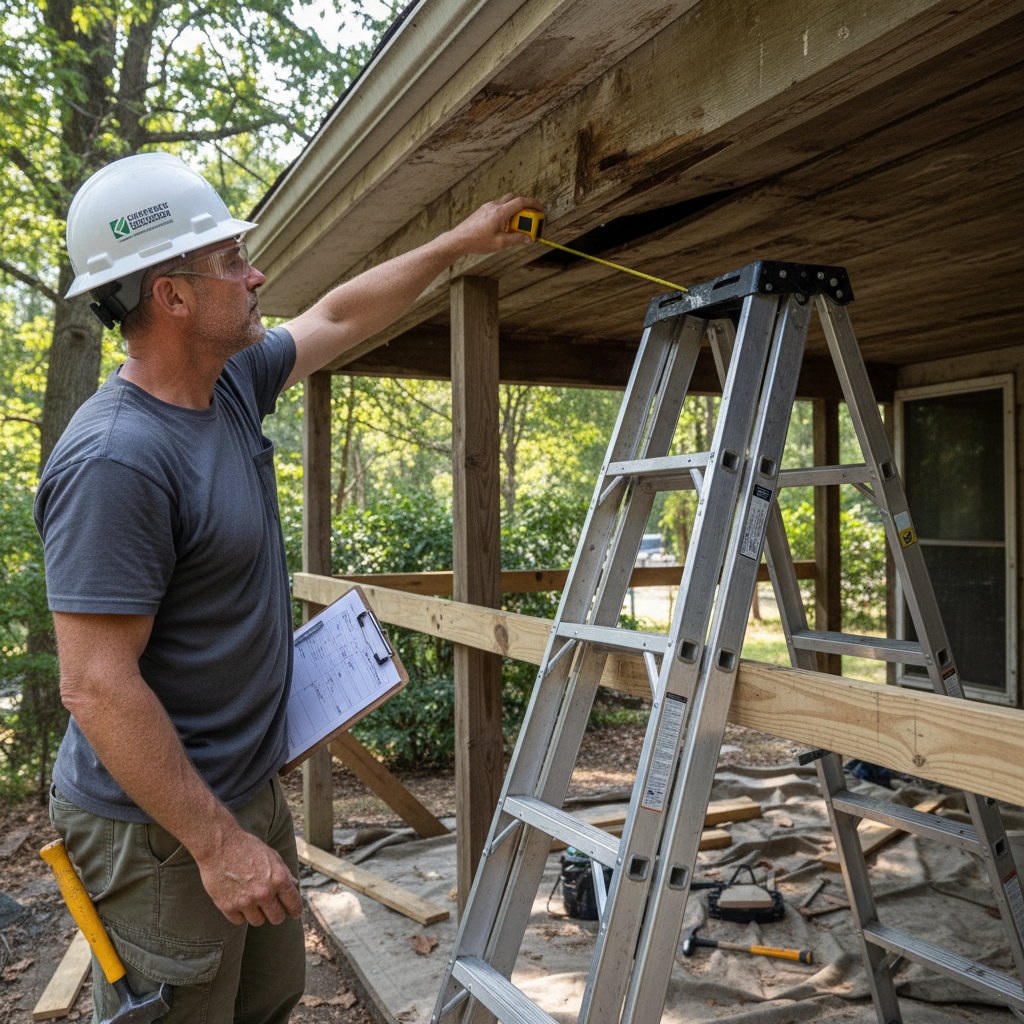
Step 1: Thorough Inspection and Assessment
A professional will conduct a detailed inspection to pinpoint the exact cause of the sag. This involves:
- Examining the entire roof structure, including rafters, joists, beams, and posts.
- Checking for water damage, rot, and pest infestations.
- Assessing the condition of the roofing material, gutters, and flashing.
- Evaluating the porch’s foundation and support system.
- Often, a structural engineer’s report will guide the repair plan, outlining which elements need reinforcement or replacement.
Step 2: Temporary Support and Shoring
Before any demolition or repair work begins, the existing structure must be safely supported. This involves installing temporary shoring posts and beams to hold the roof in place and prevent further collapse during the repair process. This is a critical safety measure.
Step 3: Repairing or Replacing Damaged Components
This is where the structural work happens:
- Replacing Rotted Wood: Any wood affected by severe rot or pest damage (rafters, joists, fascia boards, support beams) will be carefully removed and replaced with new, appropriately sized lumber.
- Reinforcing Weakened Areas: If structural components are salvageable but weakened, they may be reinforced with additional lumber or steel plates to restore their strength.
- Lifting and Leveling: Specialized jacks and shoring might be used to carefully lift the sagging section of the roof back to its original level before permanent repairs are made.
- Addressing Foundation Issues: If the problem originated from settling posts or an unstable foundation, these will need to be stabilized or repaired. This might involve pier replacement, concrete underpinning, or soil stabilization.
Step 4: Addressing Water Management
Once the structural issues are resolved, preventing future water ingress is paramount:
- Gutter Repair/Replacement: Ensuring gutters are clean, properly sloped, and securely attached.
- Proper Flashing Installation: Repairing or installing new flashing around all roof penetrations and where the porch roof meets the house.
- New Roofing Material: If the old roofing material was compromised, new shingles, membranes, or tiles will be installed to create a watertight seal.
Step 5: Finishing Touches
After the structural and water-proofing elements are complete, the porch is restored to its original aesthetic appeal:
- Installing new soffits, fascia, and trim.
- Painting or staining restored wooden elements.
- Any interior repairs to the porch ceiling or walls caused by the sagging or repair process.
Preventing Porch Roof Sagging: Long-Term Maintenance Tips
Proactive maintenance is the best defense against a porch roof sagging in the future. By following these tips, you can extend the life of your porch and avoid costly repairs:
- Regular Inspections: Periodically inspect your porch roof, paying close attention to the roofline, visible wood, and any signs of water damage. Do this at least twice a year, especially after severe weather.
- Maintain Gutters and Downspouts: Keep gutters clean and free of debris. Ensure downspouts direct water far away from the porch foundation. Proper drainage is crucial for preventing water accumulation.
- Address Leaks Promptly: At the first sign of a leak or water stain, investigate and repair the source immediately. Small leaks can quickly lead to extensive structural damage.
- Monitor for Pests: Regularly check visible wooden elements for signs of termite or carpenter ant activity. Early detection of pests can prevent significant structural compromise.
- Clear Snow and Debris: In snowy regions, gently remove heavy snow accumulation from your porch roof. Also, clear away leaves, branches, and other debris that can trap moisture and add weight.
- Consider a Robust Design for New Construction/Renovation: If you’re building a new porch or undertaking a major renovation, ensure the design incorporates adequate structural support, appropriate lumber sizing, and quality materials from the outset.
- Use Appropriate Roofing Materials: When replacing your roof, choose materials that are suitable for your climate and the structural capacity of your porch. Consult with roofing professionals.
- Check Foundation and Posts: Periodically inspect the porch’s foundation and supporting posts for signs of settlement, cracks, or rot. Maintaining stable support is vital for the entire structure. Regular maintenance is crucial for the longevity of your home’s exterior, as detailed by experts at HGTV, emphasizing the importance of keeping an eye on elements like your porch roof.
Frequently Asked Questions About Porch Roof Sagging
Q1: How much does it cost to fix a sagging porch roof?
A: The cost to fix a sagging porch roof varies significantly depending on the extent of the damage, the underlying cause, the materials needed, and whether you hire a professional. Minor repairs (e.g., gutter work, small leaks) might cost a few hundred dollars. However, if structural components like rafters, beams, or posts need to be replaced, or if foundation work is involved, costs can range from $2,000 to $10,000 or more. Obtaining multiple quotes from licensed professionals is recommended.
Q2: How long does it take to fix a sagging porch roof?
A: The duration of the repair process also varies. A straightforward repair of a localized issue might take a few days. More complex projects involving structural engineering assessments, extensive wood replacement, foundation work, and re-roofing could take several weeks, or even a month or more, depending on contractor availability and weather conditions.
Q3: Can a sagging porch roof be fixed without replacing it entirely?
A: In many cases, yes. Unless the entire structure is beyond repair due to widespread rot or severe structural failure, often only the damaged components need to be replaced or reinforced. This could involve jacking up the roof, replacing specific rafters, joists, or beams, and then addressing the cause of the sag. A professional assessment will determine the most appropriate repair strategy.
Q4: What kind of professional fixes a sagging porch roof?
A: For structural issues, you’ll likely need a combination of professionals. A structural engineer is ideal for diagnosing the problem and designing a repair plan. A general contractor or a specialized roofing/framing contractor will perform the actual repairs. If the issue is foundation-related, a foundation repair specialist will be necessary.
Q5: Is a slightly sagging porch roof an emergency?
A: While a very slight, recent sag might not be an immediate emergency, it should still be treated with urgency. A slight sag indicates an underlying problem that will likely worsen over time, potentially leading to more severe and dangerous conditions. It’s always best to have it inspected by a professional as soon as possible to prevent it from becoming a critical safety hazard.
A sagging porch roof is a call to action. By understanding the causes, recognizing the signs, and enlisting professional help when necessary, you can restore your porch to its former glory and ensure it remains a safe and inviting extension of your home for years to come. Don’t delay—your home’s safety and value depend on it.