Why Is Your Porch Roof Sagging? Uncovering the Root Causes
A sagging porch roof isn’t merely an aesthetic issue; it’s a symptom of a deeper problem. Identifying the root cause is the first critical step toward an effective and lasting repair. Several factors can contribute to this concerning structural deformation.
1. Water Damage and Moisture Infiltration
Water is perhaps the most common culprit behind a failing porch roof. Prolonged exposure to moisture can severely compromise the integrity of wooden components. Leaky gutters, damaged shingles, or inadequate flashing allow water to seep into the roof structure, leading to:
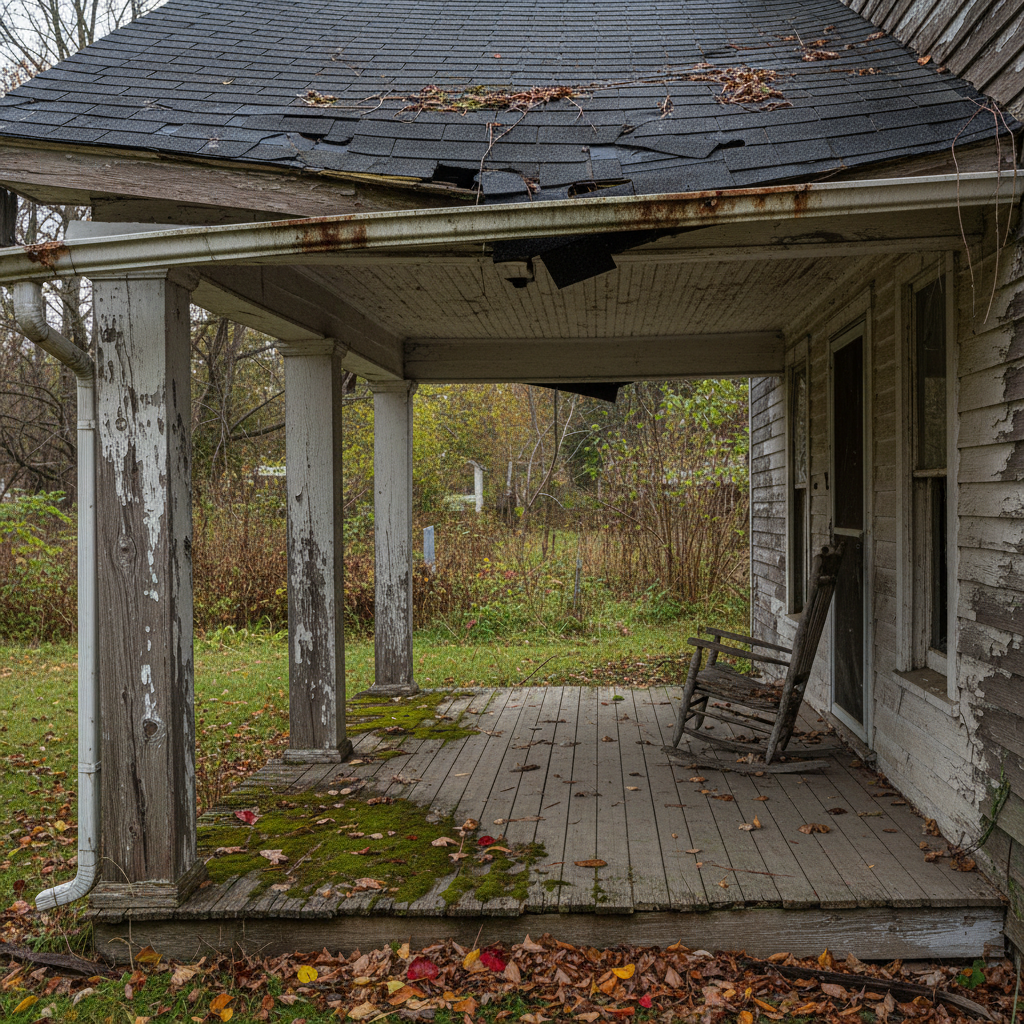
- Rotting Wood: Rafters, joists, and support beams, especially those made of wood, will gradually soften, decay, and lose their strength when exposed to moisture over time. This rot weakens the structure’s ability to bear weight, causing it to sag.
- Mold and Mildew Growth: While not directly causing the sag, extensive mold and mildew can indicate a persistent moisture problem that is actively deteriorating the wood and other materials.
- Fastener Corrosion: Nails, screws, and other metal fasteners can rust and weaken when constantly wet, losing their grip and allowing structural components to shift.
2. Age and Natural Deterioration
Even a well-maintained porch roof has a lifespan. Over decades, natural wear and tear, coupled with constant exposure to elements like sun, wind, rain, and snow, can take their toll. Materials can degrade, connections can loosen, and the cumulative stress can lead to a gradual sag. This is especially true for older homes where original construction methods or materials might not meet modern standards for longevity and resilience.
3. Improper Installation or Substandard Construction
Sometimes, the problem originates from the day the porch was built. If the original construction lacked proper engineering or skilled craftsmanship, a sag can develop relatively early in the roof’s life. Issues include:
- Insufficient Framing: Not enough rafters, joists, or support beams for the span or anticipated load.
- Undersized Lumber: Using wood that is too small in cross-section for the required span, leading to excessive deflection under load.
- Weak Connections: Improperly fastened joints or inadequate hardware that cannot withstand the structural stresses.
- Lack of Proper Drainage: If the roof pitch is too shallow or drainage is poor, water can pool, adding weight and accelerating deterioration.
4. Excessive Weight Accumulation
A porch roof is designed to bear a certain amount of weight, primarily its own dead load and environmental loads like snow. However, exceeding this design capacity can cause structural failure and sagging:
- Heavy Snowfall: In regions with significant winter snows, accumulated snow and ice can exert immense pressure, especially if not cleared promptly.
- Debris Accumulation: Piles of wet leaves, branches, or other debris can add considerable weight, particularly when saturated with water.
- Unintended Loads: Sometimes, homeowners might unknowingly add weight, such as heavy planters, decorations, or even solar panels, without assessing the roof’s structural capacity.
5. Pest Infestation
While less common than water damage, pests can significantly contribute to structural weakening. Termites, carpenter ants, and powderpost beetles bore through wood, creating tunnels and weakening the internal structure of beams and rafters. An active infestation can render sound lumber into a fragile honeycomb, making it unable to support the roof’s weight.
The Dangers of a Sagging Porch Roof: More Than Just an Eyesore
Ignoring a sagging porch roof is akin to ignoring a ticking time bomb. The potential consequences extend far beyond aesthetic concerns, encompassing significant safety hazards and substantial financial repercussions.
1. Immediate Safety Hazards
The most pressing danger is the risk of collapse. A compromised roof structure can give way unexpectedly, leading to serious injuries or even fatalities for anyone beneath it. This risk is amplified during severe weather events like heavy snowfalls or strong winds, which can add extra stress to an already weakened structure. Collapsing debris, such as shingles, fascia, or even entire sections of the roof, can also cause harm.
Moreover, instability in the porch roof can affect other attached structures. For instance, if the roof is connected to the main house, a collapse could pull on exterior walls, leading to further structural damage to your home. Good Housekeeping emphasizes the importance of addressing home structural issues promptly to prevent accidents and ensure the overall safety of your dwelling.
2. Further Structural Damage to Your Home
A sagging porch roof doesn’t exist in isolation. It’s often interconnected with other parts of your home’s exterior. As the porch roof sags, it can exert undue pressure on the house’s exterior walls, foundations, and main roofline. This can lead to:
- Cracks in Walls: The strain can cause cracks in the siding, stucco, or brickwork of your main house.
- Window and Door Frame Distortion: Uneven pressure can warp window and door frames, leading to difficulty opening/closing, air leaks, and eventual damage.
- Main Roof Issues: If the porch roof is pulling away or down from the main house, it can compromise the flashing and sealing where the two meet, leading to leaks in your primary roof structure.
- Foundation Problems: In extreme cases, sustained uneven loads can contribute to foundation shifts or cracks, a costly and complex repair.
3. Decreased Property Value and Curb Appeal
From a financial perspective, a sagging porch roof significantly diminishes your home’s curb appeal and, consequently, its market value. Potential buyers will immediately notice such a prominent structural flaw, often perceiving it as a sign of neglect and anticipating costly repairs. This can deter buyers, prolong the selling process, and force you to accept a lower offer. Even if you’re not planning to sell, the aesthetic blight can make your home less enjoyable and inviting.
4. Water Ingress and Secondary Damage
The deformation of a sagging roof often creates new pathways for water to enter. This can lead to:
- Interior Leaks: Water can drip onto your porch furniture, flooring, or even into the adjacent interior spaces of your home.
- Wood Rot and Pest Infestation: New leaks will accelerate the very issues that often cause sagging, creating a vicious cycle of decay and inviting pests like termites and carpenter ants.
- Mold and Mildew: Persistent dampness fosters mold and mildew growth, which can pose health risks and further degrade building materials.
DIY vs. Professional Repair: Making the Right Choice
When faced with a sagging porch roof, deciding whether to tackle it yourself or call in a professional is critical. This decision hinges on the severity of the sag, your DIY skills, and the complexity of the underlying issues.
When to Call a Professional
For most instances of a sagging porch roof, especially if the sag is noticeable or has been present for some time, professional intervention is highly recommended. Here’s why and when:
- Significant Sagging: If the dip is more than an inch or two, or if you notice any visible cracks in beams or posts, it’s a job for experts. Significant structural damage requires specialized knowledge and equipment.
- Complex Underlying Causes: If the sag is due to widespread wood rot, foundation issues, improper original construction, or pest infestation, these problems often require remediation beyond basic carpentry skills. Professionals can correctly diagnose the full extent of the damage.
- Lack of Experience or Tools: Repairing a porch roof involves working at heights, heavy lifting, structural calculations, and often requires specialized tools like bracing jacks, laser levels, and various carpentry equipment. If you lack the experience, tools, or confidence, attempting a DIY repair can be dangerous and lead to further damage.
- Safety Concerns: Any repair involving a compromised structure inherently carries risks. Professionals are trained in safety protocols and have the necessary insurance to cover potential accidents.
- Ensuring Code Compliance: Structural repairs often need to adhere to local building codes. A professional contractor will ensure the work meets these standards, which is crucial for safety and future property sales.
- Warranty and Guarantees: Reputable contractors offer warranties on their work, providing peace of mind that the repair is done correctly and will last.
A qualified contractor, structural engineer, or an experienced carpenter specializing in structural repairs can assess the situation, provide an accurate diagnosis, and execute the repair safely and effectively. They can also recommend solutions for preventing future issues.
Minor DIY Fixes (and When They’re Appropriate)
In very limited scenarios, and typically only if the sag is extremely minor and caught early, you might consider some basic DIY steps. These are usually preventative or very superficial fixes, not structural repairs:
- Addressing Minor Leaks: If the sag is negligible and primarily caused by a small, recent leak (e.g., a single missing shingle or clogged gutter), you might be able to patch the roof and clear the gutters yourself. However, always inspect for any underlying wood damage.
- Temporary Support for Assessment: If you need to prop up a *slightly* sagging beam to get a better look underneath, you can use temporary jacks and supports. But this is for assessment only, not a long-term fix, and should be done with extreme caution.
- Pest Control (Early Stage): If you identify a minor pest issue early before significant structural damage, you might be able to use DIY pest control methods, but always follow up with structural inspection.
Important Caveat: If you are unsure about the extent of the damage or the cause, always err on the side of caution and consult a professional. The structural integrity of your porch roof is not something to gamble with.
Steps to Address a Sagging Porch Roof: A General Approach
Regardless of whether you undertake minor fixes or hire a professional, the general process for addressing a sagging porch roof follows a systematic approach to ensure safety and effectiveness.
1. Comprehensive Assessment and Diagnosis
This is the most crucial first step. Before any repairs begin, a thorough assessment is needed to understand the extent and cause of the sag.
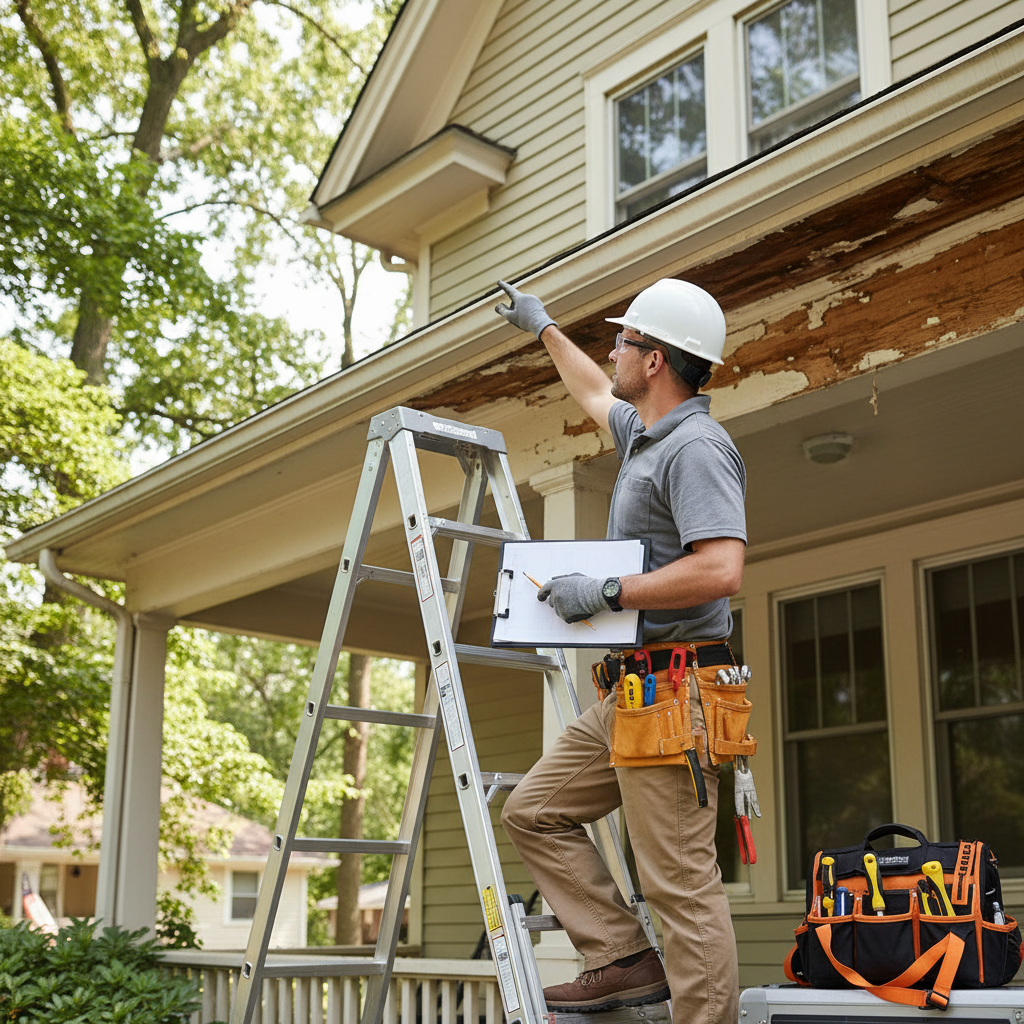
- Visual Inspection: Examine the entire porch structure – roof, beams, rafters, posts, foundation, and connection points to the main house. Look for obvious signs of rot, cracks, insect damage, loose fasteners, water stains, or misalignments.
- Measure the Sag: Use a level or string line to quantify the extent of the sag. This helps in tracking progress and determining the severity.
- Identify Moisture Sources: Check gutters for clogs, inspect shingles for damage, look for missing or compromised flashing, and examine downspouts to ensure proper drainage away from the porch foundation.
- Check for Pest Activity: Look for sawdust, droppings, or visible tunnels in wooden members.
- Consult a Professional: For severe or complex issues, a structural engineer or experienced contractor can provide an expert diagnosis, including load calculations and material recommendations.
2. Installing Temporary Support
Before any removal or major repair, the sagging section of the roof must be adequately supported to prevent further collapse and ensure safety. This typically involves:
- Acrow Props or Adjustable Jacks: These heavy-duty steel props are used to temporarily lift and support the sagging section. They should be placed on stable footings (e.g., solid concrete blocks) and positioned strategically to distribute the weight.
- Support Beams: Use sturdy lumber (e.g., 4x4s or 6x6s) as temporary crossbeams under the sagging area, resting on the adjustable jacks. This spreads the load evenly.
- Gradual Lifting: If lifting is required, do so slowly and incrementally over several days if possible, allowing the structure to adjust and minimizing stress.
3. Repairing or Replacing Structural Elements
Once the roof is safely supported, the damaged components can be addressed:
- Replacing Rotted Wood: Severely rotted rafters, joists, or beams must be completely removed and replaced with new, appropriately sized, pressure-treated lumber.
- Sistering Beams: For less severe damage, or to reinforce existing beams, “sistering” involves attaching a new, identical beam directly alongside the damaged one, effectively doubling its strength.
- Reinforcing Posts: If support posts are damaged or undersized, they may need to be replaced or reinforced. Ensure new posts have adequate footings.
- Repairing Connections: Replace rusted fasteners, add hurricane clips, or use stronger joist hangers to improve the integrity of structural connections.
- Correcting Framing Errors: If the original framing was insufficient, additional rafters or blocking may need to be installed to provide proper support.
4. Addressing Water Management and Drainage
Preventing future sagging means tackling the primary cause: water. This involves:
- Roof Repair: Repair or replace damaged shingles, flashing, and underlayment to create a watertight seal. Ensure proper roof pitch for drainage.
- Gutter and Downspout Maintenance: Clean gutters regularly, repair any leaks, and ensure downspouts divert water well away from the porch foundation. Consider installing gutter guards.
- Adding Drip Edges: Install drip edges along the roof eaves to direct water away from the fascia and underlying structure.
5. Finishing Touches and Long-Term Protection
Once structural integrity is restored and water issues are resolved, complete the repair:
- Painting/Sealing: Apply high-quality exterior paint or sealant to all new and existing wooden components to protect them from moisture and UV damage.
- Cosmetic Repairs: Replace any damaged fascia, soffits, or trim. Reinstall or replace ceiling panels.
- Regular Inspection Schedule: Implement a routine inspection schedule (at least twice a year) to catch potential issues early.
Preventing Future Porch Roof Sagging: Proactive Maintenance is Key
Once your porch roof is repaired, the goal is to ensure it stays structurally sound for years to come. Proactive maintenance and smart design choices are essential in preventing future sagging.
1. Regular Inspections
Make a habit of inspecting your porch roof at least twice a year, ideally in the spring and fall, and after any severe weather event. Look for:
- Visible Sags or Dips: Use a level or string line periodically to check for any new or developing sags.
- Signs of Water Damage: Look for water stains on the underside of the roof, peeling paint, discolored wood, or mildew growth.
- Roofing Material Condition: Check shingles for cracks, curling, missing pieces, or moss growth. Ensure flashing around any penetrations (like chimneys or walls) is intact.
- Gutter and Downspout Health: Make sure gutters are clear of debris and draining properly. Ensure downspouts are securely attached and directing water away from the foundation.
- Wood Condition: Inspect beams, rafters, and posts for cracks, splitting, softness (poke with a screwdriver), or signs of insect activity (tiny holes, sawdust).
- Connection Points: Check fasteners and connectors for rust, looseness, or signs of stress.
2. Proper Maintenance and Cleaning
Regular upkeep can significantly extend the life of your porch roof:
- Keep Gutters Clear: Clogged gutters cause water to overflow and pool on the roof or run down fascia boards, leading to rot. Clean them regularly, especially in autumn. Consider installing gutter guards.
- Trim Overhanging Branches: Branches brushing against the roof can abrade shingles and deposit debris, contributing to clogs and moisture retention. Heavy branches can also pose a falling hazard.
- Clear Debris from the Roof: Regularly sweep or blow off leaves, pine needles, and other debris that can trap moisture and add weight.
- Maintain Protective Coatings: Repaint or reseal exposed wooden components (beams, posts, fascia) as needed to protect them from UV rays and moisture. Use exterior-grade paints or stains with UV inhibitors.
3. Load Management
Be mindful of the weight your porch roof is designed to bear:
- Snow Removal: In snowy climates, consider safely removing heavy snow accumulation from your porch roof after significant snowfalls. Use a roof rake designed for this purpose, taking care not to damage the roofing materials.
- Avoid Adding Unintended Weight: Do not install heavy items like solar panels, large planters, or swings without first consulting a structural engineer to ensure the roof can support the additional load.
4. Quality Materials and Construction
If you are building a new porch or undertaking a major reconstruction:
- Use Pressure-Treated Lumber: For all wood components exposed to the elements or in contact with the ground, use pressure-treated lumber that resists rot and insects.
- Proper Sizing and Span: Ensure that beams, rafters, and posts are appropriately sized for their span and anticipated loads, adhering to local building codes.
- Adequate Drainage: Design the roof with a sufficient pitch to ensure rapid water runoff and proper flashing at all seams and penetrations.
- Professional Installation: Hire experienced and reputable contractors who understand structural integrity and local building codes.
Cost of Repairing a Sagging Porch Roof: What to Expect
The cost of fixing a sagging porch roof can vary dramatically, ranging from a few hundred dollars for minor repairs to tens of thousands for extensive structural overhauls. Several factors influence the final price tag:
- Extent of Damage: This is the primary cost driver. A small, localized sag due to a single rotted rafter will be far less expensive to fix than a widespread issue involving multiple beams, posts, and significant water damage.
- Underlying Cause: Repairs for simple water damage might involve replacing some wood and fixing the leak source. However, if the sag is due to foundation issues, pest infestation requiring fumigation, or fundamental design flaws, the remediation becomes more complex and costly.
- Materials Used: The type of wood (e.g., standard lumber vs. specialty hardwoods or engineered wood products), roofing materials (shingles, metal, tile), and fasteners will impact costs.
- Labor Costs: Geographic location, the contractor’s experience, and the complexity of the work will all affect labor rates. Structural repairs often require skilled carpenters or even structural engineers, which can command higher hourly rates.
- Accessibility: If the porch roof is difficult to access, requiring extensive scaffolding or specialized equipment, labor costs can increase.
- Permits and Inspections: Structural repairs often require building permits and inspections to ensure code compliance. These add to the overall cost but are crucial for safety and legality.
- Additional Repairs: A sagging roof often comes with collateral damage – cracked stucco, warped window frames, damaged gutters, or compromised ceilings. These secondary repairs will add to the total cost.
General Cost Breakdown (Estimates only):
- Minor Repairs (localized wood replacement, leak repair): $500 – $2,500
- Moderate Repairs (multiple rafter/joist replacements, some post reinforcement): $2,500 – $7,000
- Extensive Structural Overhaul (significant beam replacement, new posts, foundation work, re-framing): $7,000 – $20,000+
For an accurate estimate, always obtain multiple quotes from reputable, licensed, and insured contractors. They should provide a detailed breakdown of materials, labor, and a timeline for the project. Be wary of unusually low bids, as they might indicate shortcuts or inexperience.
Frequently Asked Questions About Porch Roof Sagging
Q1: How can I tell if my porch roof is just old or actually sagging dangerously?
A minor, uniform curve might be part of the original design in some older structures, known as deflection. However, if you notice an increasing dip, localized bowing, cracks in the wood or surrounding walls, loose connections, or difficulty opening/closing adjacent doors/windows, these are clear signs of dangerous sagging due to structural failure, not just age. Use a string line or level to measure the depth of the sag; anything significant (over an inch) warrants immediate professional inspection.
Q2: Can I temporarily prop up a sagging porch roof myself?
You can temporarily prop up a *slightly* sagging roof using adjustable steel support jacks (Acrow props) for short-term stabilization while awaiting professional assessment or repairs. However, this must be done with extreme caution, ensuring stable footing for the jacks and proper load distribution. Never attempt to lift a heavily sagging or collapsed roof without professional guidance. Temporary support is not a long-term solution and should only be a stopgap measure for safety until a permanent fix is implemented.
Q3: Does homeowner’s insurance cover a sagging porch roof?
It depends on the cause. Most homeowner’s insurance policies cover sudden and accidental damage, such as a roof sag caused by a severe storm (e.g., heavy snow load, fallen tree). However, they typically do not cover damage resulting from neglect, poor maintenance, rot, pest infestation that developed over time, or faulty original construction. Always check your specific policy and consult with your insurance provider.
Q4: How long does it typically take to repair a sagging porch roof?
The timeline varies based on the severity and complexity of the damage. Minor repairs might take a few days, while extensive structural overhauls involving significant material replacement, new framing, and addressing underlying issues could take several weeks. Factors like weather, material availability, and permit processes can also influence the duration. Your contractor should provide an estimated timeline during the assessment phase.
Q5: Is it safe to use a porch with a sagging roof?
No, it is generally not safe to use a porch with a visibly sagging roof. A sag indicates compromised structural integrity, and there’s a risk of sudden collapse, especially under additional weight or during adverse weather. It’s best to cordon off the area and prevent its use until a professional has assessed and repaired the structure, ensuring it is safe once again.
Conclusion: Restore Your Porch, Safeguard Your Home
A sagging porch roof is a serious issue that demands prompt attention. By understanding the common causes, recognizing the inherent dangers, and knowing when to call in the experts, you can effectively address the problem, restore your porch’s structural integrity, and enhance your home’s safety and value. Regular maintenance, vigilant inspections, and timely repairs are your best defense against this common yet critical home concern. Don’t let a dip in your roof turn into a disaster – take action today to ensure your porch remains a beautiful, secure, and inviting space for years to come.