What Causes a Porch Roof to Sag?
The structural integrity of your porch roof is constantly battling against various forces, both natural and man-made. When a porch roof starts to sag, it’s often a symptom of one or more underlying issues compromising its support system. Identifying the root cause is the first critical step towards an effective repair.
Water Damage and Wood Rot
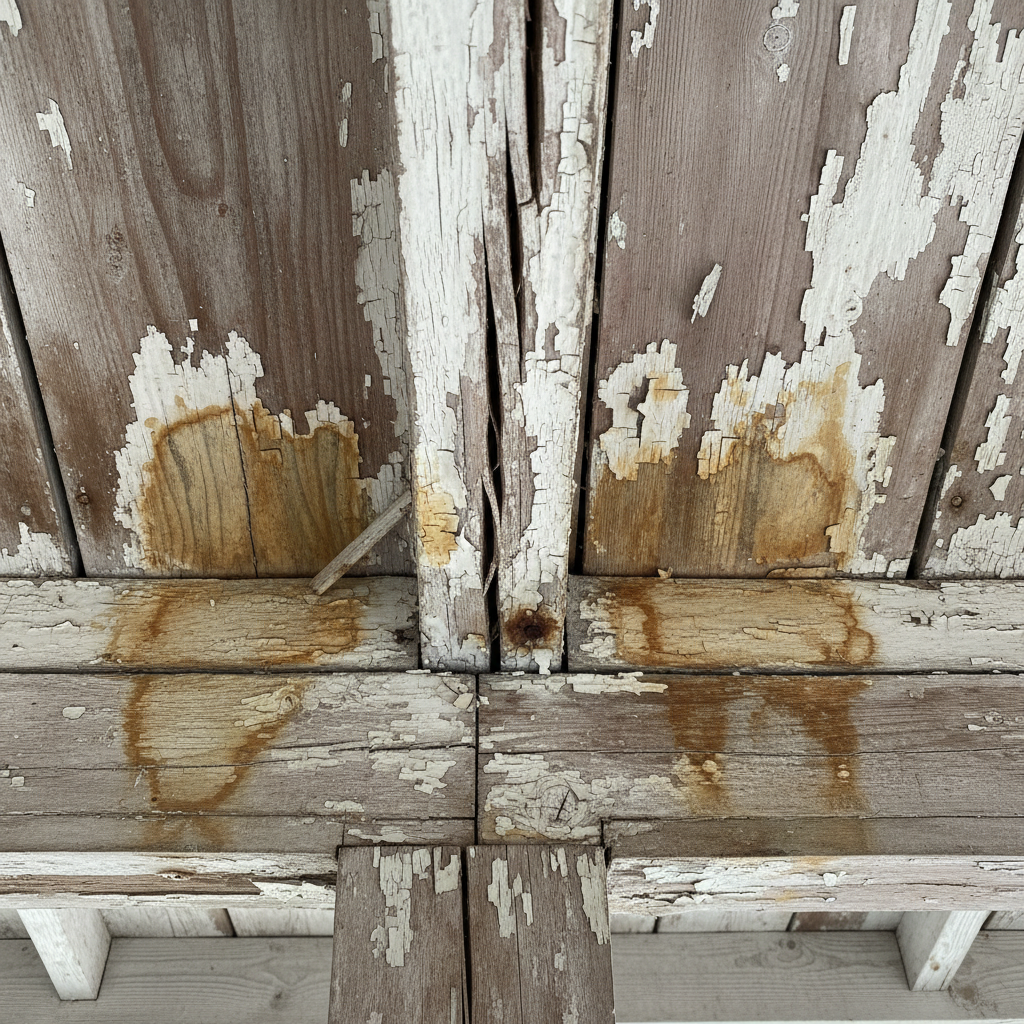
Water is arguably the greatest enemy of any wooden structure. Persistent moisture exposure can lead to wood rot, a destructive process where fungi break down the wood fibers, causing them to lose strength and stability. Common culprits for water damage include:
- Leaky Gutters: Gutters that are clogged, damaged, or improperly sloped can overflow, directing water directly onto the porch roof structure or its supporting posts.
- Improper Flashing: Flashing is a critical component designed to prevent water from penetrating the joints where the porch roof meets the house. If flashing is poorly installed, damaged, or missing, water can seep into the framing.
- Poor Drainage: If water isn’t effectively directed away from the porch area, it can accumulate around the base of supporting posts, leading to rot from the ground up.
- Ice Dams: In colder climates, ice dams can form on the roof edge, trapping melting snow and forcing water under shingles and into the roof structure.
Age and Wear and Tear
Like all building materials, those used in your porch roof have a finite lifespan. Over time, exposure to sun, rain, wind, and fluctuating temperatures can cause materials to deteriorate. Wood can dry out and crack, fasteners can loosen, and the cumulative stress can weaken the overall structure. Older porches, particularly those that haven’t received regular maintenance, are more susceptible to this natural degradation, leading to a visible sag.
Insufficient Support or Poor Construction
Sometimes, the problem isn’t due to damage but rather inadequate design or execution from the start. This can include:
- Undersized Beams or Joists: If the structural members (beams, joists, rafters) were not adequately sized for the span and expected load, they can deflect or sag under their own weight and any additional loads (like snow).
- Inadequate Columns or Posts: The vertical supports must be strong enough and spaced correctly to bear the weight of the roof. If they are too thin, too few, or improperly anchored, they can compress or shift.
- Improper Framing Techniques: Shortcuts or incorrect construction methods during the initial build can compromise the structural integrity. This might include weak connections, lack of proper bracing, or insufficient load-bearing points.
Foundation Problems
The entire porch structure, including its roof, relies on a stable foundation. If the porch foundation settles unevenly, shifts due to soil movement, or experiences frost heave, it can throw the entire structure out of alignment. This movement can pull down on the porch roof supports, causing a ripple effect that results in a noticeable sag.
Heavy Loads (Snow, Debris)
While roofs are designed to bear a certain amount of weight, excessive accumulation of heavy wet snow, ice, or even large piles of leaves and debris can exceed the roof’s load capacity. Over time, or during a particularly severe winter, this can cause the roof’s framing to bend, crack, or permanently deflect, leading to a sag.
Termite and Pest Infestations
Pests like termites, carpenter ants, and powderpost beetles can cause significant structural damage by tunneling through or consuming the wooden components of your porch roof. Their activity can hollow out beams and posts, weakening them from the inside out and making them prone to collapse or sagging. Regular inspections can help detect these issues before they become critical.
How to Identify a Sagging Porch Roof
Early detection is key to preventing minor issues from becoming major, expensive repairs. A keen eye and a bit of diligence can help you spot the warning signs of a sagging porch roof before it poses a significant threat.
Visual Cues
Many indicators of a sagging roof are visible to the naked eye:
- Visible Dips or Unevenness in the Roofline: Stand back from your porch and look at the roofline from different angles. A noticeable dip, curve, or unevenness where the roof should be straight is a primary sign of sagging.
- Cracks in Supporting Beams or Posts: Inspect the wooden or masonry columns and beams that support the roof. Look for vertical, horizontal, or diagonal cracks, especially near connections or at the base.
- Gaps Between the Roof and the House: If the porch roof is pulling away from the main house structure, you might see gaps forming where the two meet. This indicates movement and stress.
- Paint Peeling, Blistering, or Water Stains: These often indicate moisture intrusion. Peeling paint on the underside of the roof, water stains on ceilings, or discolored wood are all red flags for water damage contributing to structural weakening.
- Loose or Warped Fascia Boards: The fascia board runs along the edge of the roof. If it’s no longer straight, shows signs of warping, or has come loose, it suggests movement in the roof structure.
- Misaligned or Rusted Fasteners: Check for nails or screws that are pulling out, bent, or heavily rusted, especially at the connections between posts, beams, and the roof.
Structural Indicators
Beyond what you can see, other less obvious signs can point to a sagging porch roof:
- Doors or Windows Sticking: If doors or windows in the vicinity of the porch begin to stick, become difficult to open or close, or no longer latch properly, it could indicate structural shifting in the porch that’s affecting the surrounding frame of the house.
- Creaking or Groaning Noises: While all houses make some noise, new or persistent creaking, groaning, or popping sounds coming from the porch structure, especially when there’s weight on it or during windy conditions, can signal stress or movement.
- Spongy or Soft Wood: If you can safely access the underside of the porch roof, gently probe any suspicious areas of wood with a screwdriver. If the wood feels soft, spongy, or easily crumbles, it’s likely suffering from significant wood rot.
The Dangers of a Sagging Porch Roof
Ignoring a sagging porch roof is never a good idea. What might seem like a minor aesthetic issue can quickly escalate into a serious hazard, affecting not only your property but also the safety of those who use it.
Structural Collapse
This is the most severe and immediate danger. As the structural members of the porch roof weaken and deflect further, they become increasingly unable to bear the load. Eventually, the entire structure could give way without warning, leading to catastrophic failure. Such a collapse could cause severe injury or even fatalities to anyone on or near the porch.
Water Intrusion and Further Damage
A sagging roof creates new pathways for water to penetrate. This means more widespread water damage not only to the porch itself but potentially to the adjacent walls and foundation of your home. Water can lead to mold and mildew growth, degrade insulation, and compromise the structural integrity of the main house, leading to even more extensive and costly repairs down the line.
Reduced Property Value
A visibly sagging porch roof is a major red flag for potential homebuyers. It suggests neglect and significant underlying structural issues, making your home less appealing and decreasing its market value. A home inspection will almost certainly flag such a problem, leading to demands for repair or a reduction in the asking price.
Safety Hazard for Occupants
Beyond the risk of outright collapse, a structurally compromised porch roof can present other dangers. Loose materials, falling debris, or unstable overhead elements can injure people. Additionally, if the porch is used for storage, items placed on a compromised roof could fall, further increasing the risk. For more general home safety tips, including structural awareness, you can consult resources like Good Housekeeping’s home safety guides.
DIY vs. Professional Repair: Making the Right Choice
Deciding whether to tackle a sagging porch roof yourself or hire a professional is a critical decision. It depends heavily on the extent of the damage, your personal skill set, and an understanding of the inherent risks involved. When your porch roof is sagging, it often points to a structural issue, which usually warrants professional attention.
When to DIY (Minor Issues)
If you’re an experienced DIYer with a good understanding of structural principles, you might consider handling very minor issues. These are typically problems that haven’t yet led to a significant sag and don’t involve load-bearing elements:
- Gutter Repair and Cleaning: If clogged or leaky gutters are causing minor water runoff issues that haven’t yet caused rot, this is a manageable DIY task.
- Sealing Minor Leaks: Addressing small leaks in the roof’s surface or flashing with appropriate sealants, before significant water damage occurs, might be possible.
- Reinforcing Non-Structural Elements: If a decorative trim piece or a non-load-bearing ceiling panel is slightly loose, you might be able to re-secure it.
- Pest Control for Minor Infestations: For very early-stage or small-scale pest problems (e.g., a few carpenter ants), some DIY pest treatments might be effective. However, if structural wood is already compromised, a professional is needed.
Even for minor DIY fixes, always prioritize safety. Use proper safety gear, ensure stable ladders, and if there’s any doubt about structural integrity, err on the side of caution.
When to Call a Professional (Major Structural Problems)
For any significant sagging, visible structural damage, or if you’re unsure about the cause or solution, calling a qualified professional is absolutely essential. This includes scenarios such as:
- Extensive Wood Rot: If beams, joists, or posts are significantly rotted, they need to be replaced or reinforced. This often requires temporary shoring and careful structural work.
- Sagging Beams or Joists: If the primary load-bearing members are visibly bowed or dipping, correcting this requires specialized knowledge and tools to safely lift and secure the structure.
- Foundation Issues: Problems with the porch’s foundation require expertise in soil mechanics, structural engineering, and often heavy equipment.
- Significant Structural Compromise: Any situation where the porch roof’s ability to support its own weight or external loads is in question.
- Permit Requirements: Major structural repairs almost always require building permits and inspections to ensure they meet local building codes. Professionals are familiar with this process.
- Risk of Collapse: If there is any concern about the imminent collapse of the porch roof, do not attempt DIY. Evacuate the area and call a professional immediately.
A structural engineer can assess the extent of the damage and provide a detailed plan for repair, which a general contractor or a specialized porch repair company can then execute. Investing in professional expertise ensures the repair is done correctly, safely, and to code, giving you peace of mind.
Steps to Repair a Sagging Porch Roof
Repairing a sagging porch roof is a complex process that demands careful planning, precision, and adherence to safety protocols. While this section outlines the general steps, remember that significant structural repairs almost always warrant professional involvement.
Step 1: Assess the Damage and Determine the Cause
Before any work begins, a thorough assessment is crucial. This involves:
- Visual Inspection: Look for all the signs mentioned earlier – dips, cracks, gaps, water stains, pest evidence.
- Identify the Root Cause: Is it water damage, age, poor original construction, or foundation issues? This will dictate the repair strategy.
- Consult a Professional: For anything beyond cosmetic repairs, hire a structural engineer or an experienced contractor to evaluate the damage and provide a detailed repair plan. They can identify load-bearing elements and recommend appropriate shoring and replacement materials.
Step 2: Ensure Safety First (Temporary Shoring)
This is arguably the most critical step. If the porch roof is actively sagging, it’s structurally compromised and could collapse. Temporary shoring is essential before any repair work begins:
- Acquire Shoring Posts: Use sturdy adjustable steel shoring posts or robust lumber (e.g., 4x4s or 6x6s) cut to precise lengths.
- Distribute Load: Place a strong, flat piece of lumber (a “sole plate”) on the ground to distribute the weight. On the underside of the roof, use another strong piece of lumber (a “top plate” or “ledger”) to spread the load of the shoring posts across multiple joists or beams.
- Install Posts: Position posts directly under the sagging areas, or slightly outboard, gradually tightening adjustable posts or wedging in cut lumber until the sag is slightly lifted or stabilized. Do this carefully and gradually to avoid further damage or sudden shifts.
- Secure Area: Barricade the area and prevent anyone from being underneath the porch during the repair process.
Step 3: Remove Damaged Materials
Once the roof is safely shored, you can begin removing the compromised components:
- Careful Demolition: Systematically remove rotten or broken rafters, joists, beams, fascia boards, or supporting posts.
- Inspect Adjacent Materials: As you remove damaged parts, carefully inspect surrounding wood for hidden rot or pest damage. Remove anything that shows signs of compromise.
- Clean and Prepare: Clear away all debris, dust, and any mold or mildew. Ensure the remaining surfaces are clean and dry.
Step 4: Repair or Replace Structural Components
This is where the actual restoration of the structural integrity occurs:
- Replace Rafters/Joists: Cut new rafters or joists to the exact specifications of the original ones, using the same or stronger materials (e.g., pressure-treated lumber for exterior use). Secure them with appropriate hangers and fasteners that meet local building codes.
- Replace Beams: If the main support beams are rotten or undersized, they must be replaced with new, properly sized lumber. This might involve temporarily lifting the roof further to slide in the new beam.
- Replace Posts/Columns: Install new, sturdy posts or columns. Ensure they are properly anchored to the foundation and securely fastened to the overhead beams. Use post bases to prevent direct wood-to-concrete contact, which reduces the risk of future rot.
- Address Foundation Issues: If the sag is due to foundation problems, this might involve underpinning, pier repair, or soil stabilization. This is almost always a job for a foundation specialist.
- Pest Treatment: If pests caused the damage, ensure the area is treated by a pest control professional before new wood is installed.
Step 5: Reinforce and Rebuild
Once the structural elements are replaced, focus on reinforcement and rebuilding:
- Add Bracing: Consider adding cross-bracing or hurricane ties where appropriate to increase stability and resistance to lateral forces.
- New Decking/Sheathing: Install new plywood or OSB sheathing over the repaired rafters.
- Roofing Materials: Apply new roofing felt, flashing, and shingles or other roofing materials to match the existing house roof or porch design. Ensure all flashing is correctly installed.
- Finish Materials: Reinstall fascia, soffit, and any decorative trim. Repaint or restain all newly installed or repaired wood.
Step 6: Address Drainage and Waterproofing
To prevent future sagging, it’s crucial to address the conditions that led to the problem:
- Gutter Maintenance: Clean and repair gutters and downspouts. Ensure they are properly sloped and direct water far away from the porch foundation. Consider adding gutter guards.
- Flashing Inspection: Verify that all flashing around the roof perimeter and where it meets the house is intact, sealed, and properly installed to prevent water intrusion.
- Sealant Application: Apply high-quality exterior-grade sealants around any potential points of water entry.
- Landscaping: Ensure landscaping around the porch doesn’t trap moisture against the foundation or supporting posts.
Preventing Porch Roof Sagging: Proactive Maintenance
The best way to deal with a sagging porch roof is to prevent it from happening in the first place. Regular inspection and proactive maintenance can save you significant time, money, and stress down the line.
Regular Inspections
Make it a habit to inspect your porch roof at least twice a year, ideally in the spring and fall. Look for all the visual cues mentioned earlier: dips, cracks, water stains, peeling paint, loose fasteners, and signs of pests. Pay close attention to the connections where the porch roof meets the house and where posts meet the foundation.
Gutter and Downspout Maintenance
Clogged or damaged gutters are a leading cause of water damage. Clean your gutters regularly, especially after heavy leaf fall. Ensure downspouts are securely attached and direct water at least 5-10 feet away from the porch and home foundation. Repair or replace any sagging, leaking, or rusted gutter sections promptly.
Proper Sealing and Flashing
Check the flashing around your porch roof, especially where it integrates with the main house wall. Ensure it’s intact, not bent or rusted, and properly sealed. Reapply exterior-grade caulk or sealant around windows, doors, and any trim where water could potentially seep in.
Addressing Pest Problems Promptly
Be vigilant for signs of termites, carpenter ants, or other wood-boring insects. Look for sawdust, discarded wings, mud tubes, or small holes in the wood. If you suspect an infestation, call a professional pest control service immediately to prevent widespread structural damage.
Removing Heavy Snow and Debris
If you live in a region with heavy snowfall, consider carefully removing excess snow from your porch roof, especially wet, heavy snow. Use a roof rake to avoid damaging shingles. Regularly clear accumulated leaves, branches, and other debris that can trap moisture or add unnecessary weight.
Ensuring Adequate Support from the Start
If you’re building a new porch or renovating an existing one, ensure that the design and construction adhere to current building codes and best practices. Use properly sized lumber for beams and joists, ensure adequate support posts, and use durable, pressure-treated wood for all exterior components that come into contact with the ground or are exposed to moisture.
By staying vigilant and addressing small issues as they arise, you can significantly extend the life of your porch roof and maintain the structural integrity and beauty of your home.
FAQs About Porch Roof Sagging
Can a sagging porch roof be fixed?
Yes, in most cases, a sagging porch roof can be fixed. The extent and cost of the repair depend on the severity of the sag and the underlying cause. Minor sagging might involve reinforcing existing structures or replacing a few damaged components, while significant sagging often requires extensive repair or even partial rebuilding with new, properly sized structural elements.
How much does it cost to fix a sagging porch roof?
The cost varies widely based on the cause, the extent of damage, location, and whether you hire a professional. Minor repairs like replacing a few rotted boards might cost a few hundred dollars. Major structural repairs involving lifting, replacing beams, or addressing foundation issues could range from $2,000 to $10,000 or more. Obtaining multiple quotes from licensed contractors is highly recommended.
Is a sagging porch roof an emergency?
It can be. If the sag is significant, worsening rapidly, accompanied by loud creaking noises, or if supporting posts are visibly cracked or leaning, it could indicate an imminent structural collapse. In such cases, it is an emergency. Evacuate the area immediately and contact a structural engineer or emergency contractor for an urgent assessment.
How can I tell if my porch roof supports are adequate?
If your porch roof is already sagging, it’s a strong indication that the supports are not adequate for the current load or have been compromised. For new construction or if you’re unsure, consult a structural engineer or a knowledgeable contractor. They can assess the span, materials, and load requirements against local building codes to determine if your beams, joists, and posts are sufficiently sized and spaced.
What’s the average lifespan of a porch roof?
The lifespan of a porch roof largely depends on its construction materials, quality of installation, climate, and maintenance. A well-built and maintained porch roof made with durable materials can last 20-50 years, similar to the main house roof. However, if exposed to consistent moisture, pests, or lacking maintenance, its lifespan can be significantly reduced.
Conclusion
A sagging porch roof is more than just an unsightly flaw; it’s a clear warning sign that your home’s structural integrity could be at risk. From the insidious creep of water damage and wood rot to the subtle shifts of an aging structure or inadequate original construction, understanding the causes of a sagging porch roof empowers you to act decisively. While minor issues might be within the scope of an experienced DIYer, any significant sag or visible structural compromise warrants the expertise of a professional. By addressing these concerns promptly, ensuring proper drainage, and committing to regular maintenance, you can protect your investment, enhance your home’s curb appeal, and most importantly, ensure the safety of your cherished outdoor spaces. Don’t let a sagging porch roof diminish the beauty or safety of your home – take action today to restore its strength and charm.