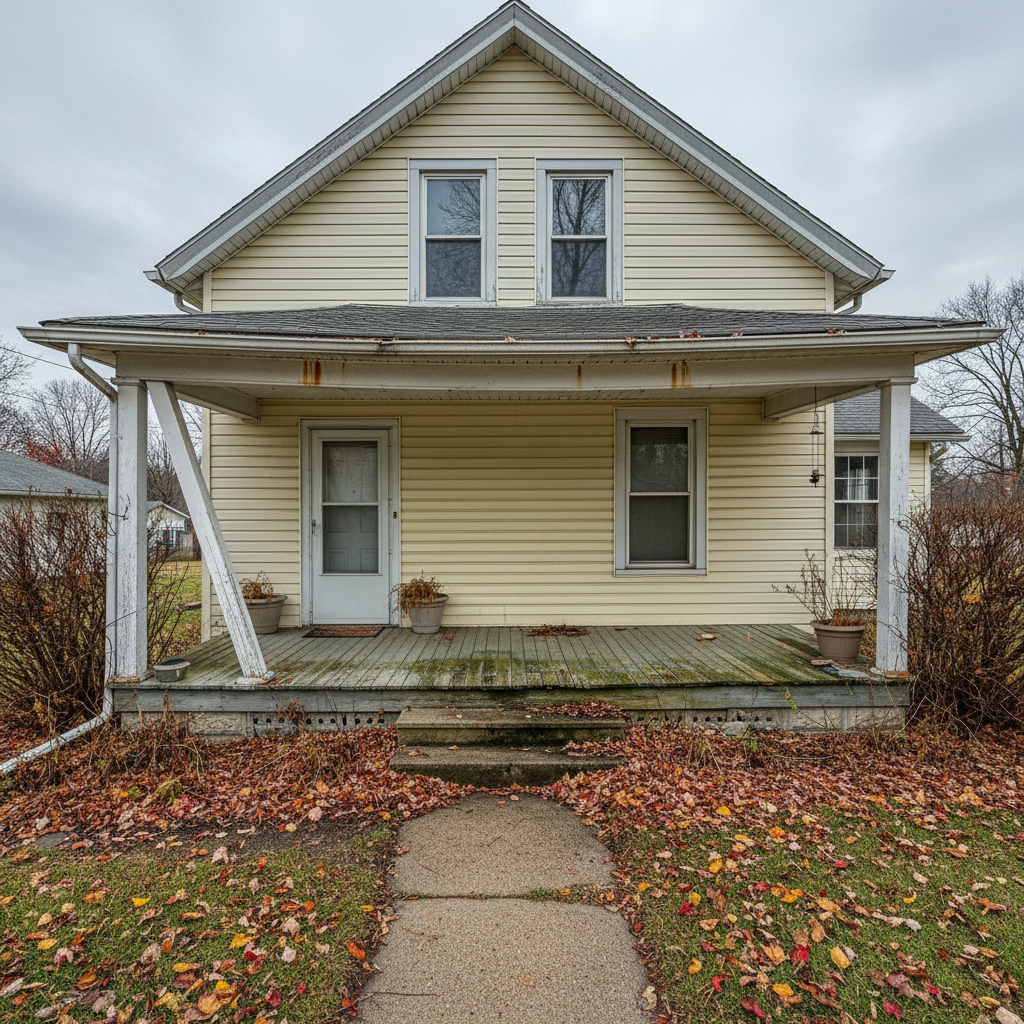
Understanding What Causes a Porch Roof to Sag
A porch roof doesn’t sag overnight without reason. Typically, it’s the culmination of several factors, often working in conjunction, that exert excessive stress on the roof’s structural components. Identifying the root cause is paramount to implementing a lasting repair.
1. Water Damage and Rot
Water is arguably the most destructive force against any wooden structure. Leaky gutters, damaged shingles, or inadequate flashing can allow water to seep into the roof’s framing. Over time, this moisture leads to:
- Wood Rot: Constant dampness causes wood to decay, weakening beams, rafters, and support columns. Rotting wood loses its structural integrity, becoming spongy and unable to bear weight.
- Mold and Mildew Growth: While often superficial, severe mold infestations can accelerate wood decay and compromise air quality.
- Pest Infestation: Soft, damp wood is an open invitation for pests like termites and carpenter ants, which tunnel through and further compromise the structure.
2. Inadequate Structural Support or Poor Construction
Sometimes, the problem stems from the original construction itself. Common issues include:
- Insufficient Sizing of Lumber: If the beams or rafters were not adequately sized to carry the load of the roof (considering its span, roofing materials, and potential snow loads), they will eventually deflect and sag.
- Improper Fastening: Poorly secured connections between structural members can lead to loosening over time, causing the roof to shift and sag.
- Lack of Proper Bracing: Without adequate cross-bracing or joist hangers, the roof frame can become unstable and distort under stress.
- DIY Mistakes: Homeowners attempting extensive repairs or additions without proper engineering knowledge can inadvertently create structural weaknesses.
3. Age and Wear and Tear
Even a well-built porch roof has a lifespan. Over decades, materials naturally degrade:
- Fatigue: Constant exposure to gravity, temperature fluctuations, and environmental stresses can lead to material fatigue in wood and fasteners.
- Deterioration of Materials: Old wood can dry out, become brittle, or simply lose its original strength. Metal fasteners can corrode.
4. Foundation or Settlement Issues
The entire house, including the porch, rests on its foundation. If the ground beneath the porch’s foundation shifts or settles unevenly, it can cause the porch structure to move, leading to a sagging roof. Signs of foundation issues often include cracks in the porch slab or walls, uneven gaps, and doors or windows that stick.
5. Heavy Loads and Environmental Stressors
- Snow and Ice: In colder climates, heavy snowfall and ice accumulation can place immense stress on a porch roof, especially if the original design did not account for such loads.
- Wind Damage: Strong winds can uplift or exert lateral forces on a roof, potentially loosening fasteners or shifting structural elements.
- Accumulated Debris: Over time, leaves, branches, and other debris can accumulate on a low-slope porch roof, retaining moisture and adding considerable weight.
6. Pest Infestation
As mentioned, pests like termites, carpenter ants, and even powderpost beetles can cause significant damage to the wooden framing of a porch roof. They tunnel through the wood, creating hollows and weakening the structure from within, often unseen until the damage becomes severe enough to cause sagging.
The Dangers of a Sagging Porch Roof
A sagging porch roof is not merely an eyesore; it’s a significant safety hazard and a precursor to more extensive and costly home repairs. Understanding these dangers highlights the urgency of addressing the issue.
1. Immediate Safety Hazard: Risk of Collapse
This is the most critical danger. A severely sagging porch roof indicates a compromised structure that could fail suddenly, potentially injuring anyone underneath. This risk increases with additional weight, such as heavy snowfall, or during strong winds.
2. Extensive Structural Damage to the Main House
The porch structure is often tied into the main house. A failing porch roof can exert undue stress on the adjacent walls and roofline of your home. This can lead to:
- Cracks in exterior walls.
- Window and door frame distortion.
- Damage to the main roof’s fascia, soffit, or even its underlying structure.
- Water intrusion into the main living spaces if the porch roof directs water improperly.
3. Decreased Property Value and Curb Appeal
A visible sag instantly detracts from your home’s curb appeal, signaling neglect and potential structural problems to prospective buyers. This can significantly reduce your property’s market value and make it harder to sell.
4. Water Intrusion and Secondary Damage
A sagging roof creates low spots where water can pool. This increases the likelihood of leaks, which can then damage:
- The porch floor.
- The foundation below.
- Any furniture or items stored on the porch.
- The main house walls if the porch is attached.
5. Pest Recurrence
If the sag is due to water damage or rot, it creates an ongoing environment attractive to pests. Even if you address the initial infestation, without fixing the underlying structural and moisture issues, pests are likely to return.
DIY vs. Professional Repair: When to Call the Experts
While some minor home repairs can be tackled by a handy homeowner, a sagging porch roof almost always warrants professional assessment and intervention. The complexity and safety implications are simply too great for most DIY enthusiasts.
When NOT to DIY:
- Any Visible Sag: If you can see the roof sagging, it means there’s a structural problem that likely requires shoring, professional assessment of load-bearing capacity, and precise repairs.
- Extensive Water Damage or Rot: Replacing structural timbers correctly requires expertise in carpentry and structural engineering principles.
- Foundation Issues: Addressing uneven settlement or foundation problems is highly specialized work.
- Pest Infestation: While you might address the visible damage, identifying the extent of pest damage and preventing recurrence requires professional pest control and structural repair.
- Uncertainty About the Cause: If you’re not entirely sure why your porch roof is sagging, a professional inspection is crucial to diagnose the true problem.
- Working at Heights: Repairing a roof often involves working at heights, which carries inherent safety risks best handled by trained professionals with appropriate equipment.
When a Professional is Indispensable:
For most cases of a sagging porch roof, especially those involving structural integrity, a qualified professional is essential. This includes:
- Structural Engineers: They can assess the load-bearing capacity, identify design flaws, and provide repair plans.
- Experienced Carpenters or General Contractors: They have the skills and knowledge to implement structural repairs, replace damaged lumber, and ensure new construction meets safety codes.
- Roofing Contractors: If the sag is primarily due to roof covering issues (shingles, flashing), a roofing specialist can address those leaks and repairs.
- Foundation Repair Specialists: If the problem originates from the ground up, these experts can stabilize and repair the porch’s foundation.
Steps to Address a Sagging Porch Roof (The Professional Approach)
A systematic approach is crucial to effectively and safely repair a sagging porch roof. Here’s what a professional intervention typically involves:
1. Initial Inspection and Diagnosis
The first step is a thorough inspection by a qualified professional. They will:
- Visually assess the extent and pattern of the sag.
- Inspect the roof covering, gutters, and flashing for signs of water entry.
- Examine all visible structural components: beams, rafters, joists, and support columns.
- Look for signs of wood rot, pest infestation, or material fatigue.
- Check the porch’s foundation for cracks, settlement, or movement.
- Possibly use tools like moisture meters or borescopes to detect hidden damage.
2. Engineering Assessment and Repair Plan
For significant structural issues, a structural engineer may be brought in to:
- Calculate load requirements and determine if the existing structure is undersized.
- Design appropriate strengthening or replacement solutions.
- Specify the type and size of materials needed.
- Provide detailed drawings and specifications for the repair work.
3. Temporary Shoring and Stabilization
Before any removal or repair work begins, the affected sections of the porch roof must be temporarily shored up and stabilized. This is a critical safety step, preventing further collapse during the repair process.
- Adjustable support jacks and sturdy timbers are used to safely bear the weight of the roof.
- The roof is carefully lifted to its original position (or as close as safely possible) using controlled pressure.
4. Removal of Damaged Components
Once shored, the damaged sections of the roof – including rotten wood, warped beams, or compromised rafters – are carefully removed. This may also involve removing sections of the roof decking and roofing materials.
5. Repairing and Reinforcing the Structure
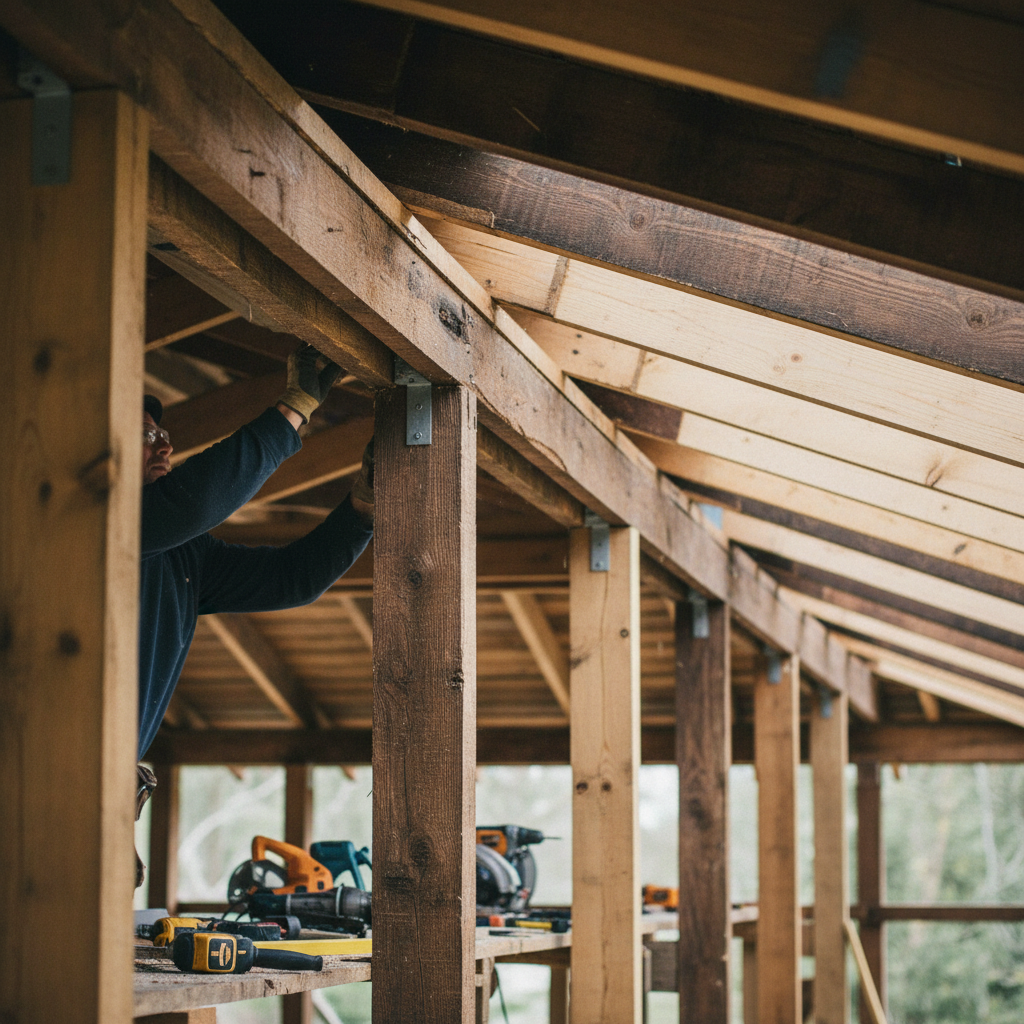
New, properly sized and treated lumber is installed to replace the damaged components. This may involve:
- Replacing Beams and Rafters: Installing new, correctly sized support beams and rafters.
- Adding Reinforcement: Strengthening existing members with sistering (attaching new lumber alongside old) or adding additional supports.
- Improving Connections: Using stronger fasteners, joist hangers, and hurricane ties to ensure robust connections.
- Addressing Foundation Issues: If the foundation is the root cause, underpinning, pier repair, or other specialized foundation work will be performed.
6. Addressing the Root Cause
A lasting repair means not just fixing the sag but also eliminating what caused it. This could involve:
- Gutter and Downspout Repair/Replacement: Ensuring proper drainage away from the porch.
- Roofing Repair: Fixing leaky shingles, replacing flashing, or applying new roofing material.
- Pest Extermination and Prevention: Treating for active infestations and taking steps to prevent future ones.
- Improving Ventilation: Ensuring adequate airflow to prevent moisture buildup.
7. Reconstruction and Finishing
Once the structural integrity is restored and the root cause addressed, the porch roof is reconstructed. This involves:
- Reinstalling roof decking.
- Applying new roofing materials (shingles, metal, etc.).
- Repairing or replacing fascia and soffit.
- Painting, staining, or other finishing touches to match the existing aesthetic.
Preventing a Porch Roof Sagging in the Future
While fixing an existing sag is crucial, prevention is always better than cure. Proactive maintenance can significantly extend the life of your porch roof and avoid future structural issues.
1. Regular Inspections
Make it a habit to inspect your porch roof at least twice a year, ideally in spring and fall. Look for:
- Any visible signs of sagging or unevenness.
- Damaged, missing, or curled shingles.
- Cracks or peeling paint on beams and columns.
- Signs of water staining or moisture.
- Pest activity (sawdust, droppings, visible tunnels).
2. Maintain Gutters and Downspouts
Clean your gutters regularly to prevent clogs that cause water to overflow and pool around your porch structure. Ensure downspouts direct water several feet away from the porch foundation. Proper drainage is key to preventing water damage. For more tips on keeping your home’s exterior in top shape, consider reviewing a comprehensive home maintenance checklist from reputable sources like Better Homes & Gardens.
3. Address Leaks Promptly
Even small leaks can lead to significant structural damage over time. Repair damaged shingles, flashing, or sealants immediately to prevent water intrusion into the roof’s framing.
4. Manage Snow and Ice Loads
In snowy regions, consider safely removing heavy snow accumulations from your porch roof. Use a roof rake designed for this purpose, exercising caution to avoid damaging the roofing materials or electrical lines.
5. Control Pests
Keep an eye out for signs of termites, carpenter ants, or other wood-destroying insects. Address infestations quickly and take preventative measures, such as keeping wood-to-ground contact to a minimum and ensuring good ventilation.
6. Ensure Proper Ventilation
Adequate airflow in enclosed porch roof spaces helps prevent moisture buildup, which can lead to wood rot and mold. Ensure any vents are clear and unobstructed.
7. Keep an Eye on the Foundation
Monitor the ground around your porch for signs of erosion or settlement. Ensure soil grading slopes away from the foundation to prevent water from pooling.
Conclusion
A sagging porch roof is a serious symptom of an underlying problem that demands urgent attention. From water damage and inadequate support to aging materials and foundation issues, the causes are varied, but the potential consequences – from safety hazards to significant property depreciation – are consistently severe. While the visual evidence of a sag might be disheartening, addressing it promptly with the help of qualified professionals is the most effective way to protect your home’s structural integrity, restore its aesthetic appeal, and ensure the safety of your family. By understanding the causes, recognizing the dangers, and committing to proactive maintenance, you can ensure your porch remains a beautiful, functional, and safe extension of your home for years to come.
Frequently Asked Questions About Porch Roof Sagging
Q1: How much does it cost to fix a sagging porch roof?
A1: The cost to fix a sagging porch roof varies widely depending on the extent of the damage, the underlying cause, and your geographic location. Minor repairs for isolated rot might range from a few hundred to a couple of thousand dollars. However, if the issue involves extensive structural replacement, foundation work, or re-engineering, costs can easily climb into the several thousands or even tens of thousands of dollars. An accurate estimate can only be provided after a professional inspection.
Q2: Can I live in a house with a sagging porch roof?
A2: While you can technically live in the house, a severely sagging porch roof presents a significant safety hazard, especially if the structural integrity is compromised. It’s best to avoid using the porch area until it has been inspected and deemed safe by a professional. The risk of sudden collapse is real, and the longer it’s left unaddressed, the higher the risk of further damage to the main house structure.
Q3: How can I tell if my porch roof is just old or structurally failing?
A3: While age contributes to wear, a structural failure often presents with specific signs: a visible downward curve or dip in the roofline, cracks in the porch ceiling or walls, unusual noises (creaking, groaning), doors or windows sticking, and visible rot or pest damage on support beams. If you only see minor cosmetic wear, it might just be age, but any visible sag or structural distortion indicates failure that needs professional assessment.
Q4: Will homeowners insurance cover the repair of a sagging porch roof?
A4: Homeowners insurance typically covers damage that is “sudden and accidental,” such as damage from a storm, fire, or certain types of accidents. It generally does NOT cover damage due to neglect, poor maintenance, wear and tear, or long-term issues like wood rot or pest infestation that develop over time. Check your specific policy and speak with your insurance provider, as some policies might offer limited coverage for specific perils.
Q5: How long does it take to repair a sagging porch roof?
A5: The duration of the repair depends heavily on the severity and complexity of the problem. Minor repairs might take a few days, while extensive structural overhauls involving engineering plans, shoring, material replacement, and finishing could take several weeks. Weather conditions can also impact the timeline, especially for exterior work.