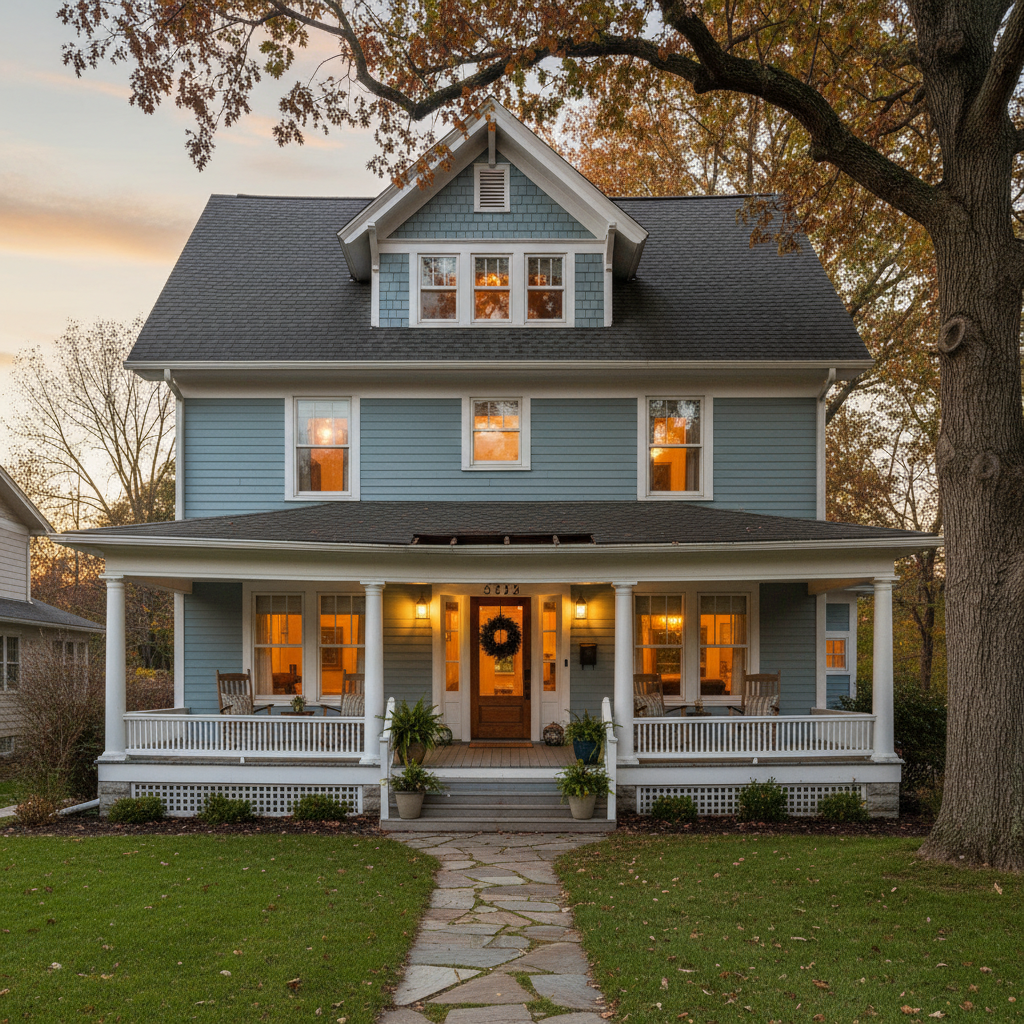
Why Is Your Porch Roof Sagging? Uncovering the Root Causes
A sagging porch roof doesn’t happen overnight. It’s often the cumulative result of various factors, some of which might have been silently at work for years. Identifying the precise cause is the first and most critical step toward finding a lasting solution. Here are the most common culprits:
1. Water Damage and Wood Rot
- Leaky Roof or Flashing: The most frequent cause of structural degradation is water infiltration. Missing or damaged shingles, cracked flashing around chimneys or walls, or deteriorated sealants can allow water to seep into the roof structure.
- Poor Drainage: Clogged gutters, improperly pitched roofs, or downspouts that discharge water too close to the foundation can lead to water pooling on the roof or against the porch structure. This constant moisture promotes wood rot, weakening beams, rafters, and posts.
- Ice Dams: In colder climates, ice dams can form along the roof’s edge, trapping melting snow and forcing water under shingles and into the roof decking and framing.
Wood, when exposed to persistent moisture, becomes soft, crumbly, and loses its load-bearing capacity, leading directly to a visible sag.
2. Pest Infestations
- Termites and Carpenter Ants: These destructive insects can tunnel through wooden structural components, hollowing them out from the inside. By the time the damage becomes visible as a sag, the infestation might be extensive.
- Other Wood-Boring Insects: While less common for significant structural damage, other pests like powderpost beetles can also weaken wood over time.
Regular inspections for pest activity, especially in damp or humid areas, are vital for early detection.
3. Foundation and Support Issues
- Settling Foundation: If the ground beneath your porch’s foundation settles unevenly, the porch posts or piers can sink, causing the roof structure they support to lose its level and begin to sag. This is often more prevalent in older homes or areas with unstable soil.
- Damaged or Weakened Posts/Piers: Over time, wooden posts can rot at their base due to moisture, or concrete piers can crack and crumble. If the vertical supports for your porch roof are compromised, the roof will inevitably sag.
- Inadequate Footings: Sometimes, the original footings were not properly designed or installed to bear the weight of the porch and its roof, leading to gradual sinking and structural failure.
4. Inadequate Design or Construction
- Undersized Beams or Rafters: In some cases, the original builders might have used beams or rafters that were simply too small or too far apart to adequately support the span and anticipated load (e.g., snow, roofing materials). Over time, these components will naturally deflect and sag under their own weight and any additional stress.
- Poor Joinery: Weak connections between different structural members (e.g., rafters not properly connected to a ledger board) can also lead to instability and sagging.
- Poor Pitch: A roof with an insufficient pitch may not shed water effectively, leading to water accumulation and the issues described under “Water Damage.”
5. Overloading
- Heavy Snowfall: While roofs are designed to handle certain snow loads, exceptionally heavy or prolonged snowfall can exceed the structural capacity of an older or inadequately designed porch roof, especially if the snow is wet and dense.
- New, Heavier Roofing Materials: If your porch roof was re-roofed with a material significantly heavier than the original (e.g., switching from asphalt shingles to slate or tile without reinforcing the structure), the added weight can cause a sag.
- Accumulated Debris: Leaves, branches, and other debris, especially when wet, can add considerable weight to a flat or low-pitched porch roof.
6. Age and General Wear and Tear
Like any part of a home, a porch roof has a finite lifespan. Over decades, exposure to the elements, temperature fluctuations, and the natural process of material degradation can weaken structural components, making them more susceptible to sagging.
The Dangers of a Sagging Porch Roof: More Than Just an Eyesore
While a visible dip in your porch roof is undoubtedly unsightly, the problems associated with a sagging structure extend far beyond aesthetics. Ignoring a sagging porch roof can lead to a cascade of dangerous and costly issues for your home and family.
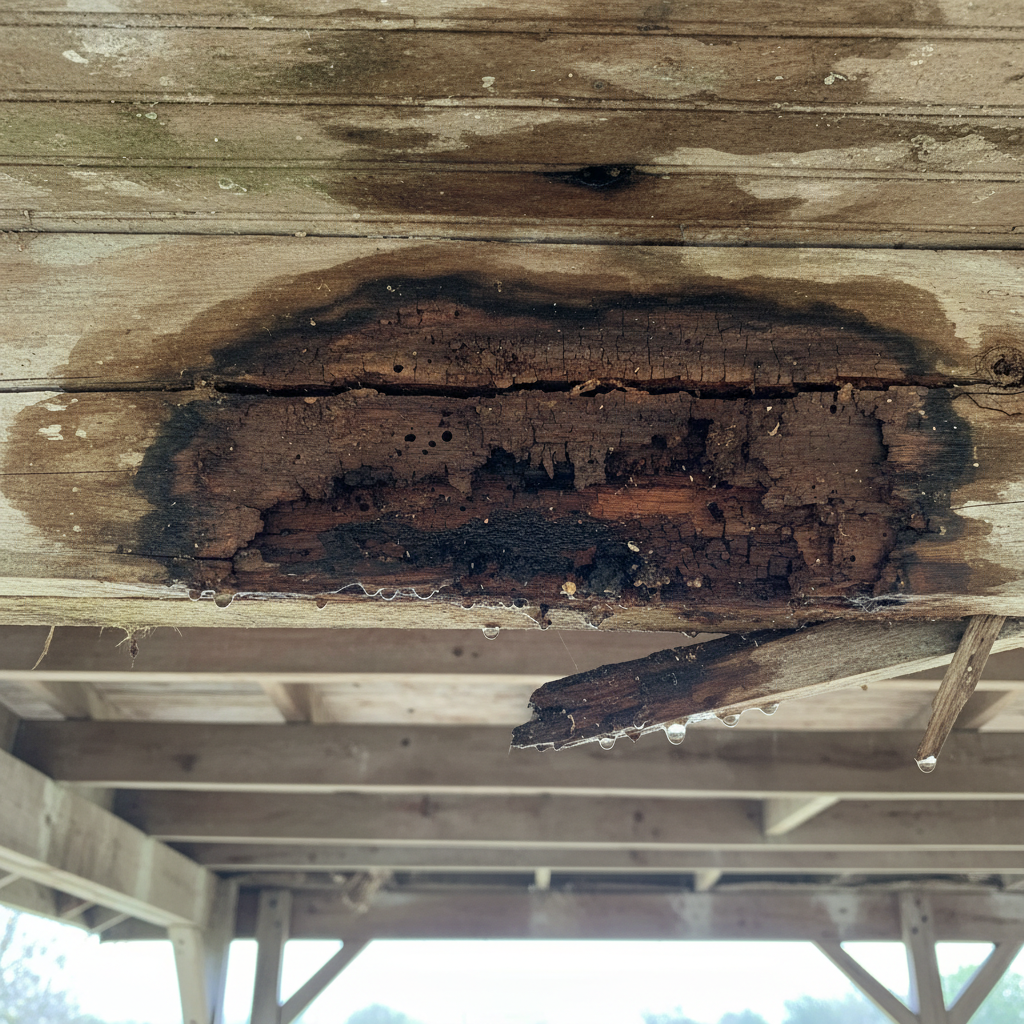
1. Immediate Safety Hazard
The most alarming danger is the potential for collapse. A structurally compromised porch roof could give way without warning, posing a severe risk of injury or even fatality to anyone standing beneath it. This risk increases significantly during heavy rain, snow, or high winds, which add extra stress to an already weakened structure. Falling debris, such as roofing materials, rotted wood, or even entire sections of the roof, can also cause serious harm.
2. Further Structural Damage to Your Home
A porch roof is often integral to the overall structure of your house. A sagging porch roof can exert undue stress on the adjacent walls and foundation of your main home. This can lead to:
- Cracks in Walls and Ceilings: As the porch structure shifts, it can pull on or push against the main house, causing cracks to appear in interior and exterior walls, ceilings, and even the foundation of your home.
- Window and Door Misalignment: The shifting weight can affect the framing around windows and doors connected to the porch structure, making them difficult to open, close, or latch properly.
- Water Intrusion into the Main House: If the sagging creates new gaps or exacerbates existing ones where the porch roof meets the house, water can easily penetrate, leading to mold, mildew, and damage to interior finishes.
3. Decreased Property Value
A visible sagging porch roof immediately signals neglect and significant structural problems to potential buyers. This can dramatically reduce your home’s curb appeal and market value. It’s often a major red flag during home inspections, leading to price deductions or even deterring buyers altogether.
4. Pest and Moisture Entry Points
Sagging roofs often create gaps and openings that serve as convenient entry points for pests like rodents, insects, and birds. These creatures can then find their way into your attic or walls, creating further damage, health hazards, and costly infestations. The issues that cause sagging, such as water damage and wood rot, also create ideal environments for mold and mildew growth, which can spread and negatively impact indoor air quality.
5. Increased Energy Costs
If your porch roof is sagging where it connects to the main house, it can create air leaks. These leaks allow conditioned air to escape and unconditioned air to enter, leading to higher heating and cooling costs as your HVAC system works harder to maintain comfortable indoor temperatures.
Given these significant dangers, it’s clear that a sagging porch roof is not an issue to postpone. Early detection and prompt action are essential for the safety of your household and the long-term health of your home.
Identifying the Signs of a Sagging Porch Roof
Catching a sagging porch roof in its early stages can save you considerable time, money, and stress. While a noticeable dip is an obvious indicator, there are other, more subtle signs to look for:
1. Visible Dip or Curve
This is the most overt sign. Stand back from your home and view your porch roof from different angles. Look for any noticeable bowing, dipping, or unevenness, particularly in the center or along the edges. Use a long, straight edge or even a string line stretched across the underside of the roof to confirm a sag.
2. Cracks in Ceilings or Walls
Inspect the ceiling of your porch and any adjacent walls on your home. Cracks, especially those running horizontally or diagonally, can indicate structural movement or shifting weight from the sagging roof above. Pay close attention to the areas where the porch roof connects to the main house.
3. Gaps Between the Roof and Wall
Walk around your porch and observe where the roofline meets the side of your house. If you notice new or widening gaps, or if the flashing appears to be pulling away, it’s a strong indicator of structural movement in the porch roof.
4. Standing Water on the Roof
For flat or low-pitched porch roofs, standing water after rain is a critical red flag. A properly designed and maintained roof should shed water efficiently. Puddles indicate either an insufficient pitch or a sag that has created a depression where water collects. This standing water accelerates rot and adds significant weight.
5. Sagging Gutters or Fascia Boards
Examine your gutters and fascia boards attached to the porch roof. If they appear to be dipping, pulling away from the roof, or are unevenly sloped, it suggests that the underlying roof structure itself is compromised and settling.
6. Sticky Doors and Windows
If your porch is an enclosed space or directly abuts the main house, and you notice doors or windows that are suddenly difficult to open, close, or latch, it could be a sign that the porch’s foundation or roof structure is shifting, throwing the door and window frames out of square.
7. Rotting Wood, Mold, or Mildew Growth
Inspect all wooden components of your porch structure – posts, beams, rafters, and decking. Look for soft spots, discoloration, fungal growth, or a musty odor, all of which are indicators of chronic moisture exposure and wood rot. This weakening of the wood is a direct precursor to sagging.
8. Visible Pest Damage
Keep an eye out for signs of termites (mud tubes, discarded wings), carpenter ants (wood shavings, frass), or other wood-boring insects. Small holes, tunnels, or unexplained wood dust can indicate an infestation that is actively weakening your porch’s structural elements.
Regular visual inspections, ideally quarterly and after major storms, can help you catch these signs early. The sooner you identify a problem, the less extensive and costly the repair will likely be.
DIY vs. Professional Help: When to Call an Expert
When faced with a sagging porch roof, many homeowners wonder if they can tackle the problem themselves or if professional help is necessary. The decision largely depends on the severity of the sag, the underlying cause, and your personal skill level and comfort with structural work. When dealing with something as critical as your home’s structure, safety should always be the top priority.
When You Might Consider DIY (with caution):
- Minor Aesthetic Repairs: If the sag is purely cosmetic and you have verified (perhaps with a professional opinion) that there are no structural issues, you might undertake tasks like replacing a few rotted fascia boards or re-painting.
- Routine Maintenance: Tasks such as cleaning gutters, clearing debris, or sealing minor cracks are essential preventative measures that most homeowners can handle.
- Addressing Obvious Surface-Level Water Issues: If you can clearly identify and easily fix a leaky gutter or a small section of flashing that is causing localized water damage, and the structural components are not yet compromised, you might be able to manage this.
Even for minor repairs, it’s crucial to understand basic safety procedures, especially when working at heights.
When Professional Help is Absolutely Necessary:
For any issue involving structural integrity, water damage extending beyond the surface, or concerns about the foundation, calling a qualified professional is not just recommended, it’s imperative. Here’s why:
- Visible Sagging: If you can see a noticeable dip or curve in the roof, it almost certainly indicates structural compromise.
- Any Signs of Structural Damage: This includes significant wood rot in beams or rafters, cracked posts, foundation issues, or widespread pest infestation.
- Unknown Cause: If you can’t pinpoint why the roof is sagging, a professional can conduct a thorough inspection to diagnose the root problem.
- Working at Heights: Repairing a roof often involves working on ladders or scaffolding, which carries inherent risks. Professionals have the right equipment and safety training.
- Requirement for Building Permits: Most structural repairs require permits from your local building department. Professionals are familiar with these requirements and can help navigate the process, ensuring compliance with local codes.
- Electrical or Plumbing Involvement: If your porch roof contains lighting, fans, or other utilities, any repair could involve these systems, requiring specialized expertise.
Types of Professionals to Consult:
- Structural Engineer: For complex or severe sagging issues, particularly if you suspect foundation problems or inadequate original design. An engineer can assess the load-bearing capacity, pinpoint the exact structural failure, and provide detailed repair plans.
- Roofing Contractor: If the primary cause is related to the roof covering itself (shingles, flashing, underlayment, poor drainage), a reputable roofing contractor can perform repairs or re-roofing.
- General Contractor: For more extensive repairs involving framing, carpentry, and possibly coordination with other trades (like foundation specialists or pest control), a general contractor is often the best choice. They can oversee the entire project.
- Foundation Repair Specialist: If the sag originates from settling or damaged porch footings or piers.
- Pest Control Specialist: If an active infestation is contributing to wood damage.
When hiring a professional, always get multiple bids, check references, review their insurance and licensing, and ensure they provide a detailed scope of work and warranty. Investing in professional expertise ensures that the problem is fixed safely, effectively, and according to building codes, preventing future issues.
Steps to Fix a Sagging Porch Roof (General Approach)
Fixing a sagging porch roof is a complex undertaking that requires careful planning, structural knowledge, and often, specialized tools. While this section outlines the general steps, it’s crucial to reiterate that for any significant structural sag, professional expertise is highly recommended.
1. Thorough Assessment and Diagnosis
Before any work begins, the exact cause of the sag must be determined. This involves:
- Visual Inspection: Looking for all the signs mentioned earlier (dips, cracks, water stains, pest evidence).
- Structural Analysis: A professional might use levels, plumb bobs, and even laser measures to determine the extent of the sag and identify compromised load-bearing components.
- Moisture Testing: To detect hidden water damage within the roof or support structures.
- Pest Inspection: If pest damage is suspected.
This diagnosis will dictate the entire repair plan.
2. Ensure Safety with Temporary Support (Shoring)
If the sag is significant or if structural components are being removed, temporary supports (shores) must be installed. This involves using adjustable steel posts (or strong wooden posts) and beams to safely lift and hold the sagging roof section in place, preventing further collapse during repairs. This step is critical for worker safety and to ensure the roof can be properly realigned.
3. Address the Root Cause
Repairing the sag without fixing its underlying cause is a temporary fix at best. This might involve:
- Water Management: Repairing roof leaks, flashing, gutters, and downspouts. Improving roof pitch if necessary.
- Pest Extermination: Eliminating termites, carpenter ants, or other pests, followed by preventative treatments.
- Foundation Repair: If the sag is due to settling footings or piers, these must be repaired, reinforced, or replaced before the roof structure can be addressed.
4. Repairing or Replacing Damaged Components
Once the root cause is addressed and the roof is temporarily supported, the compromised structural elements can be fixed:
- Rotted Wood Replacement: Any beams, rafters, posts, or decking that are rotted or severely damaged must be carefully removed and replaced with new, appropriately sized lumber.
- Reinforcement: If existing components are undersized but not severely damaged, they might be reinforced by “sistering” new, stronger lumber alongside them, effectively doubling their strength.
- Post and Beam Replacement/Repair: Sagging posts or beams that are rotten or cracked will need to be replaced. Proper footings and connections are essential.
- Re-framing: In severe cases, significant sections of the roof frame may need to be rebuilt according to current building codes.
5. Lifting and Leveling the Roof
With new or reinforced components in place, the temporary supports can be carefully adjusted to slowly lift the sagging section of the roof back to its original level position. This process must be done gradually and meticulously to avoid over-stressing the structure or causing new damage.
6. Re-establishing Proper Connections
Ensure all structural connections – where rafters meet beams, where beams meet posts, and where the porch roof meets the main house – are robust and secure, using appropriate fasteners, connectors, and hurricane ties if required by code.
7. Finishing and Prevention
Once the structural repairs are complete:
- Re-roofing/Roof Repair: Replace any damaged roofing materials, ensure proper flashing installation, and address any other vulnerabilities to water intrusion.
- Exterior Finishes: Repair or replace fascia boards, soffits, and any other exterior trim. Paint or seal exposed wood to protect it from the elements.
- Drainage Review: Double-check that all drainage systems (gutters, downspouts) are functioning optimally to prevent future water accumulation.
This multi-step process underscores why professional involvement is often indispensable for ensuring a safe, durable, and code-compliant repair. Trying to fix a significant sag without the proper knowledge or tools can lead to further damage or, worse, a dangerous situation.
Preventing Future Porch Roof Sagging
Once you’ve gone through the effort and expense of fixing a sagging porch roof, the last thing you want is for the problem to recur. Proactive maintenance and thoughtful design choices are key to ensuring the long-term integrity of your porch roof.
1. Regular Inspections and Maintenance
Make it a habit to inspect your porch roof and its supporting structure at least twice a year – ideally in the spring and fall – and after any major storms. Look for:
- Roofing Material Damage: Missing, cracked, or curled shingles; torn membrane; damaged tiles.
- Flashing Integrity: Ensure flashing around walls, chimneys, and vents is tight and undamaged.
- Wood Condition: Check posts, beams, rafters, and decking for signs of rot, decay, soft spots, or pest activity. Pay special attention to areas where wood meets the ground or other surfaces.
- Gutter and Downspout Functionality: Ensure they are clean, securely attached, and directing water away from the foundation.
- Cracks and Gaps: Seal any new cracks or gaps in the porch ceiling, walls, or where the porch meets the main house.
Addressing small issues promptly prevents them from escalating into major structural problems. A regular home maintenance routine is critical. For more tips on general home maintenance, you can check resources like Good Housekeeping’s Home Maintenance Checklist.
2. Maintain Proper Drainage
Effective water management is paramount. Clogged gutters and downspouts are a leading cause of water damage and wood rot. Ensure:
- Clean Gutters: Clean them regularly, especially after leaves fall, to prevent blockages.
- Proper Pitch: Gutters should have a slight pitch towards the downspouts to ensure water flows freely.
- Extended Downspouts: Ensure downspouts direct water at least 5-10 feet away from your porch’s foundation and the main house. Consider installing splash blocks or extensions.
- Roof Pitch: For new construction or re-roofing, ensure the porch roof has an adequate pitch to shed water efficiently, especially in areas prone to heavy rain or snow.
3. Pest Control
Be vigilant about pest infestations. Treat any signs of termites, carpenter ants, or other wood-boring insects immediately. Consider professional pest control services for regular inspections and preventative treatments, especially if you live in an area prone to such pests.
4. Trim Overhanging Branches
Trees with branches overhanging your porch roof can pose several threats:
- Debris Accumulation: Leaves, twigs, and sap can clog gutters and accumulate on the roof, adding weight and trapping moisture.
- Abrasion: Branches rubbing against the roof can damage shingles and other roofing materials.
- Impact Damage: During storms, falling branches can cause significant damage to the roof structure.
Regularly trim back branches to maintain at least a 6-foot clearance from your roof.
5. Manage Roof Load
- Snow Removal: In areas with heavy snowfall, consider carefully removing excess snow from your porch roof to reduce the load, especially if the roof has a low pitch or is older. Use a roof rake designed for this purpose, and exercise extreme caution to avoid damaging the roof or yourself.
- Material Choice: If replacing your porch roof, choose roofing materials that are appropriate for the structural capacity of your porch. If you opt for heavier materials, ensure the underlying structure is reinforced to handle the additional weight.
- Clear Debris: Regularly clear leaves, pine needles, and other debris, especially from flat or low-pitched porch roofs, as this can add considerable weight when wet.
6. Proper Design and Construction (for New Builds or Renovations)
If you’re building a new porch or undertaking a major renovation, ensure that:
- Structural Engineering: The design is reviewed by a structural engineer to ensure adequate support for the anticipated loads (including snow, wind, and roofing materials).
- Quality Materials: High-quality, pressure-treated lumber (where appropriate) and durable roofing materials are used.
- Correct Fasteners and Connections: All connections are properly fastened and reinforced according to building codes.
- Adequate Footings: The porch’s foundation has robust and properly sized footings that extend below the frost line in cold climates.
By implementing these preventative measures, you can significantly extend the life of your porch roof, protect your investment, and ensure the safety and beauty of your home for years to come.
Understanding Building Codes and Permits for Porch Roof Repair
Embarking on any structural repair project, including fixing a sagging porch roof, requires more than just knowing how to swing a hammer. It also necessitates an understanding of local building codes and the permit process. These regulations are in place to ensure safety, structural integrity, and consistency in construction within your community.
Why Building Codes and Permits Matter
- Safety: Building codes establish minimum standards for structural design, materials, and construction practices. Adhering to these codes helps prevent structural failures, fires, and other hazards, protecting both occupants and future homeowners.
- Structural Integrity: Permits often trigger inspections at various stages of the project. These inspections by local building officials ensure that the work is being performed correctly and according to approved plans, verifying the structural soundness of your repairs.
- Property Value: Unpermitted work can complicate future home sales. Buyers and their lenders often require proof that significant repairs or additions were done legally and to code. Unpermitted work can lead to fines, forced removal, or expensive retrofitting.
- Insurance Coverage: In some cases, damage resulting from unpermitted work might not be covered by your homeowner’s insurance policy.
- Legal Compliance: It’s the law. Ignoring permit requirements can result in stop-work orders, fines, and legal battles with your municipality.
When is a Permit Required?
The specific requirements vary by municipality, so always check with your local building department. However, generally, a permit is required for any work that:
- Affects the structural integrity of a building: This almost always includes fixing a sagging porch roof, as it involves repairing or replacing load-bearing elements like beams, rafters, or posts.
- Involves electrical, plumbing, or mechanical systems: If your porch has lighting, outlets, or other utilities, and the repair affects these systems, separate permits may be needed.
- Changes the footprint or size of a structure.
- Involves significant exterior alterations.
Minor repairs, like replacing a few shingles or painting, typically do not require a permit. However, if the cause of your sagging roof is due to structural damage, it is highly likely that a permit will be needed.
The Permit Process
- Consult Your Local Building Department: Before starting any work, contact your city or county’s building department. Explain your project (e.g., “I need to repair a sagging porch roof and replace some structural wood”). They will inform you of the specific permits required and provide the necessary application forms and guidelines.
- Prepare Plans: For structural repairs, you may need to submit drawings or plans detailing the existing condition and proposed repairs. For complex issues, these plans might need to be stamped by a licensed structural engineer or architect.
- Submit Application and Pay Fees: Complete the application form, attach any required plans, and pay the associated permit fees.
- Schedule Inspections: Once the permit is issued, you will be required to schedule inspections at specific stages of the project (e.g., framing inspection before covering, final inspection). Ensure the work is ready for inspection before calling the official.
- Final Approval: Upon successful completion of all inspections, the building department will issue a final approval.
If you hire a contractor, they should be well-versed in local permit requirements and typically handle the application and inspection scheduling process on your behalf. Always confirm this with your contractor before they begin work.
While the permit process can seem daunting, it’s a critical step in ensuring your porch roof repair is safe, up to code, and protects your investment in the long run.
Frequently Asked Questions About a Sagging Porch Roof
Q1: How much does it cost to fix a sagging porch roof?
A: The cost to fix a sagging porch roof varies widely depending on the severity of the sag, the underlying cause, the extent of damage, and your geographic location. Minor repairs like replacing a few rotted fascia boards might cost a few hundred dollars. However, if the issue involves structural beam replacement, foundation repair, or extensive water damage, costs can range from $2,000 to $10,000 or even more for very complex or large porches. Getting multiple quotes from qualified professionals is essential.
Q2: Can I ignore a sagging porch roof?
A: Absolutely not. A sagging porch roof is a serious structural issue that will only worsen over time. Ignoring it poses significant safety risks (potential collapse), can lead to more extensive and costly damage to your entire home, decreases property value, and can invite pests and further water intrusion. It’s crucial to address it promptly.
Q3: How do I support a sagging porch roof temporarily?
A: Temporarily supporting a sagging porch roof is a critical safety measure before permanent repairs begin, but it should be done with extreme caution. This typically involves using adjustable steel lally columns or sturdy 4×4 lumber posts placed on solid foundations (like concrete blocks or thick wood plates) directly under the sagging areas. These temporary supports should be carefully adjusted to gently lift and stabilize the roof, not forcefully push it up. This is usually a task best overseen or performed by a professional to ensure safety and prevent further damage.
Q4: What type of professional fixes sagging roofs?
A: The type of professional depends on the root cause. For structural issues, a structural engineer can diagnose the problem and design a solution. A general contractor with experience in structural carpentry can then carry out the repairs. If the issue stems from the roof covering, a roofing contractor is needed. For foundation problems, a foundation repair specialist would be necessary. Often, a general contractor will coordinate multiple specialists.
Q5: How long does a porch roof typically last?
A: The lifespan of a porch roof depends on its materials, construction quality, climate, and maintenance. Asphalt shingle roofs might last 15-30 years, while metal roofs can last 40-70 years. The underlying structural components (beams, rafters, posts) made of wood can last much longer, often 50-100+ years, provided they are kept dry, free from pests, and well-maintained. Neglect or persistent water damage can significantly shorten this lifespan.
Conclusion: Don’t Let Your Porch Roof Sag Your Spirits
A sagging porch roof is more than just an unsightly feature; it’s a clear signal that your home’s structural integrity is at risk. From chronic water damage and relentless pest infestations to inadequate support and the simple wear and tear of time, the causes are varied, but the message is consistent: action is required. Ignoring a sagging roof not only jeopardizes the safety of your loved ones and visitors but also sets the stage for exponentially more expensive repairs to your entire home’s structure and foundation.
By understanding the common signs of a sagging roof, knowing when to call in the professionals, and committing to proactive maintenance, you can safeguard your investment and restore your porch to its former glory. Don’t let the thought of a significant repair deter you; prompt diagnosis and a well-executed plan are the keys to a safe, beautiful, and lasting home. If you suspect your porch roof is sagging, reach out to a qualified professional today to ensure your peace of mind and the long-term health of your home.