What Causes a Porch Roof to Sag?
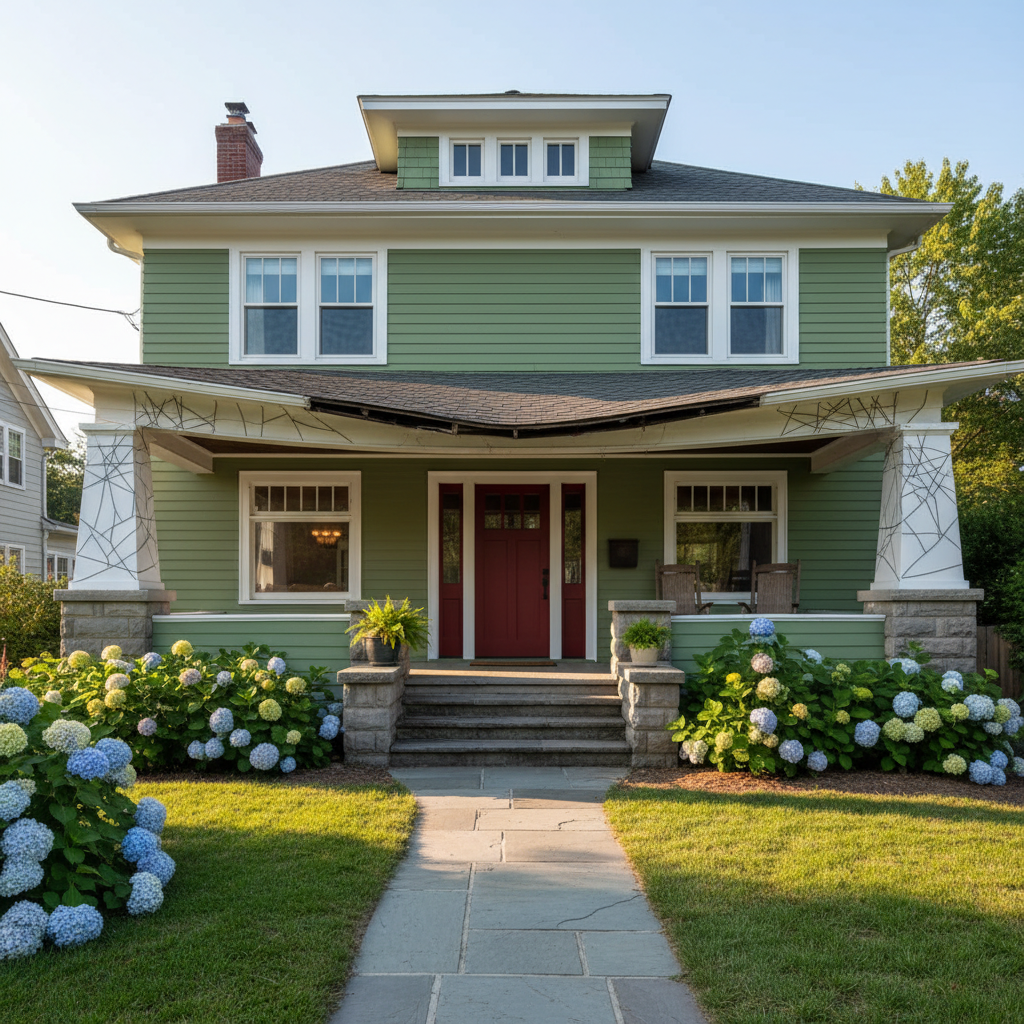
A sagging porch roof is a clear indicator that something isn’t right with its structural support or the materials themselves. Pinpointing the exact cause is the first step toward an effective solution. Several factors can contribute to this concerning issue, ranging from environmental elements to foundational problems.
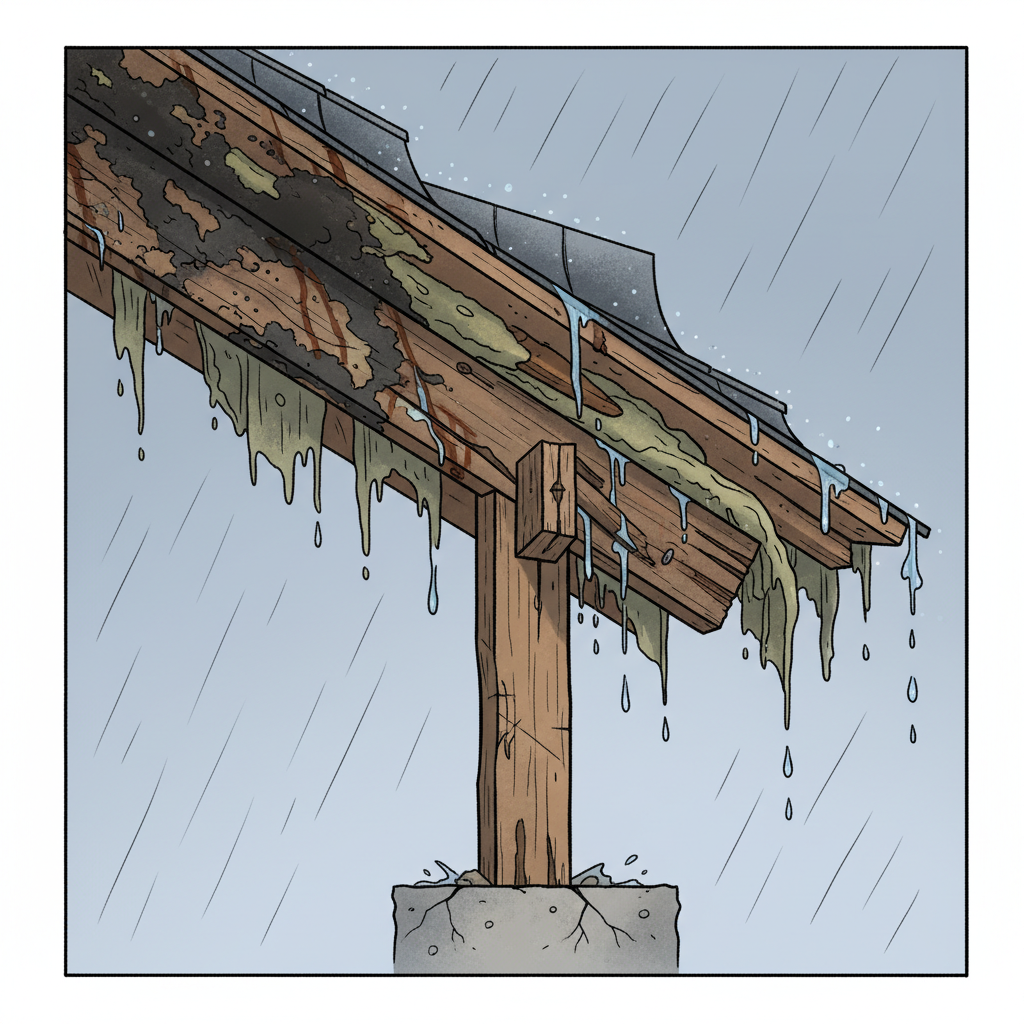
Water Damage and Rot
Water is perhaps the most insidious enemy of any wooden structure. Leaks from the roof, poor guttering, or inadequate flashing can allow water to penetrate the porch roof’s framing and supports. Over time, this moisture leads to wood rot, weakening the integrity of beams, joists, and posts. Rotted wood loses its load-bearing capacity, causing the structure to buckle and sag. Common culprits include damaged shingles, clogged gutters overflowing, or flashing that has pulled away from the house.
Foundation and Support Issues
The entire porch, including its roof, relies on a solid foundation. If the footings or support columns beneath the porch settle unevenly, shift due to soil erosion, or were improperly installed, the entire structure can be compromised. This instability can manifest as a sagging roof, as the uneven settlement pulls down parts of the framework. Issues with the porch’s foundation can also put undue stress on the connection points between the porch and the main house, leading to further structural stress.
Inadequate Structural Design
Sometimes, the problem stems from the initial construction. An inadequately designed porch roof might not have sufficient structural support to begin with. This could mean undersized beams, too few support posts, or improper fastening techniques that don’t meet local building codes. While this might not be immediately apparent, the effects can become visible over years as gravity and environmental stresses take their toll, leading to a gradual but noticeable sag.
Age and Wear and Tear
Even well-built structures have a finite lifespan. Over decades, constant exposure to the elements, temperature fluctuations, and the natural aging process can degrade building materials. Wood can dry out, crack, or slowly lose its strength. Metal connectors can rust, and fasteners can loosen. This cumulative wear and tear can gradually lead to a weakening of the porch roof’s framework, resulting in a sag.
Excessive Weight (Snow, Debris)
While porches are designed to withstand certain loads, extreme conditions can push them past their limits. Heavy snow accumulation, especially wet, dense snow, can exert immense pressure on a porch roof. Similarly, if debris like fallen branches, leaves, or even old equipment is left to accumulate on the roof, the added weight can stress the structure. If the roof was not designed to handle such loads, sagging is a likely outcome.
Pest Infestations
Termites, carpenter ants, and other wood-boring insects can cause significant damage to the hidden wooden components of a porch roof. These pests tunnel through beams and joists, hollowing them out from the inside. By the time the damage becomes visible as a sag, the structural integrity can be severely compromised. Often, pest infestations are accompanied by other signs like frass (wood dust), discarded wings, or small holes in the wood.
Signs Your Porch Roof is Sagging (Beyond the Obvious)
While a clear dip in the roofline is an undeniable sign of trouble, a sagging porch roof can present itself in more subtle ways before it becomes a dramatic visual problem. Early detection is key to preventing more extensive damage and ensuring a less costly repair.
Visible Dipping or Unevenness
This is the most straightforward and often the first noticeable sign. Stand back from your house and observe the porch roofline. Is it perfectly straight and level, or do you notice a slight dip or curve in the middle or on one side? Use a level tool if necessary to confirm unevenness. Even a slight dip can indicate a problem that is worsening over time.
Cracks in Walls or Ceilings
If your porch roof is integrated into the main structure of your home, a sag can transfer stress to adjacent areas. Look for cracks in the interior or exterior walls near the porch, particularly around doorways and windows. Cracks in the ceiling of the porch itself, or the ceiling of an interior room directly above or adjacent to the porch, are also red flags.
Sticking Doors or Windows
Structural shifts caused by a sagging porch can affect the alignment of your home’s framework. If doors leading to or from the porch start to stick, jam, or become difficult to open and close, or if windows in adjacent areas no longer operate smoothly, it could be a sign that the foundation or structure is moving.
Gaps Between Structural Elements
Inspect where the porch roof meets the house, where beams meet posts, or where posts meet the floor. Are there new gaps forming between these elements? Have existing joints widened? This can indicate that components are separating or shifting under stress, a direct consequence of a compromised structure.
Water Stains or Leaks
As mentioned, water damage is a leading cause of sagging. Look for water stains on the porch ceiling, walls, or even on the floor below. Active leaks during rain are an obvious sign, but even dried-up stains indicate past or intermittent water intrusion that could be weakening the roof structure.
Spongy or Soft Wood
If you can safely access the wooden components of your porch roof (joists, beams, support posts), carefully probe them with a screwdriver or awl. Healthy wood should be hard and resistant. If you encounter soft, punky, or spongy areas, it’s a strong indicator of rot or pest damage, which will inevitably lead to sagging if not addressed.
The Dangers of a Sagging Porch Roof
A sagging porch roof is more than just an unsightly flaw; it poses significant risks to your property, your finances, and, most critically, the safety of anyone using the porch. Understanding these dangers highlights why prompt action is not just recommended, but essential.
Structural Collapse
This is the most severe and immediate danger. A severely compromised porch roof can suddenly collapse without warning, especially under additional stress from heavy snow, high winds, or even just regular use. Such a collapse can cause severe injury or even fatalities to anyone underneath or nearby, and can lead to catastrophic damage to the porch structure and potentially the main house.
Property Damage
Even if a full collapse doesn’t occur, a sagging roof can inflict substantial damage. Uneven pressure can lead to cracks in walls, foundation problems, and damage to doors and windows. Water ingress through compromised areas can cause rot, mold growth, and damage to interior finishes, leading to a cascade of expensive repairs that extend far beyond the porch itself. The structural integrity of your entire home could be compromised if the porch roof is attached to the main dwelling.
Safety Hazards
Beyond the risk of collapse, a sagging porch creates other safety concerns. Weakened railings, unstable steps, or uneven flooring that result from structural shifts can lead to trips, falls, and other injuries. If electrical wiring or light fixtures are attached to the sagging roof, they could be pulled taut, frayed, or otherwise damaged, creating electrical hazards like short circuits or fire risks.
Diminished Home Value
From a financial perspective, a sagging porch roof significantly detracts from your home’s curb appeal and overall value. Potential buyers will view it as a major red flag, indicating neglect and the likelihood of substantial repair costs. This can make your home difficult to sell or force you to accept a much lower offer. Addressing the issue proactively helps preserve your investment.
Can You Fix a Sagging Porch Roof Yourself? (DIY vs. Professional)
When faced with a sagging porch roof, many homeowners first consider a DIY approach to save money. However, this is one area where caution and professional expertise are paramount. Attempting to fix a structural issue without the necessary knowledge and tools can exacerbate the problem and create dangerous conditions.
When to Call a Professional
In almost all cases of a genuinely sagging porch roof, professional help is not just recommended, but vital. Here’s why and when to call the experts:
- Structural Concerns: If the sag is visible and consistent, indicating compromised beams, joists, or supports, it’s a structural issue. Professionals (structural engineers, experienced contractors) have the expertise to assess the load-bearing capacity, identify the root cause, and implement a safe, lasting solution.
- Safety Risks: Working with heavy, unstable structures at height is inherently dangerous. Professionals have the right equipment (shoring, lifts, safety gear) and training to work safely.
- Complex Repairs: Repairs often involve jacking up the roof, replacing large structural timbers, addressing foundation issues, and ensuring everything is brought up to code. This requires specialized skills, heavy-duty tools, and an understanding of building regulations.
- Identifying Root Causes: A professional can accurately diagnose whether the sag is due to water damage, foundation settlement, design flaws, or a combination of factors, ensuring the repair addresses the actual problem, not just the symptom.
- Building Codes and Permits: Major structural repairs usually require permits and must comply with local building codes. Professionals are familiar with these requirements and can ensure the work is done correctly and legally.
You can find valuable information on general home maintenance and when to seek professional advice for structural concerns on reputable sites like Better Homes & Gardens, which often emphasize the importance of timely and correct repairs.
Minor DIY Fixes (Temporary, Cosmetic)
There are very few scenarios where a DIY fix for a sagging porch roof is appropriate, and those are usually limited to extremely minor, cosmetic issues that do not involve structural integrity. For example:
- Loose decorative trim: If a piece of decorative trim is detaching, but the underlying structure is sound, you might re-secure it.
- Minor water stains (after leak repair): If a leak has been professionally identified and sealed, you might paint over residual stains, assuming no structural damage occurred.
- Cleaning: Removing debris or cleaning gutters can prevent future water damage but won’t fix an existing sag.
These are not “fixes” for a sag but preventative or cosmetic actions. If you suspect any structural compromise, even slight, consult a professional immediately. The cost of a professional inspection and repair far outweighs the potential risks and expenses of a DIY gone wrong.
The Professional Repair Process: What to Expect
When you hire professionals to address a sagging porch roof, you’re investing in safety, expertise, and a lasting solution. Understanding the typical repair process can help you feel more informed and prepared.
Inspection and Assessment
The first and most critical step is a thorough inspection by a qualified contractor, structural engineer, or sometimes both. They will:
- Examine the extent of the sag and any visible damage.
- Investigate the root cause: water damage, foundation issues, pest infestation, inadequate design, etc.
- Assess the condition of all structural components: beams, joists, posts, footings, and connections to the main house.
- Determine if the sag has affected adjacent parts of the main house.
- Develop a detailed repair plan, often including drawings and material specifications.
Shoring and Temporary Support
Before any repair work begins, the team will ensure the porch roof is safely supported. This often involves shoring – installing temporary posts, jacks, and beams to hold the roof in its current position or to carefully lift it back into place. This step is crucial for worker safety and to prevent further collapse during the repair process.
Identifying the Root Cause
Based on the initial assessment, the professionals will proceed with addressing the core issue. This might involve:
- Water Damage: Repairing or replacing damaged roofing materials, flashing, or gutters, and then removing and replacing rotted wood components.
- Foundation Issues: Underpinning existing footings, installing new concrete piers, or addressing drainage around the porch foundation to prevent further settlement.
- Inadequate Design: Adding new support posts, installing larger beams or joists, or reinforcing existing connections to meet current building codes and safely bear the load.
- Pest Infestation: Treating the infestation, removing damaged wood, and replacing it with new, treated lumber.
Repair or Replacement of Damaged Components
Once the root cause is addressed and the roof is securely shored, the damaged structural elements will be repaired or, more commonly, replaced. This can involve:
- Replacing rotted or damaged wooden beams, joists, and rafters.
- Installing new, correctly sized support columns or posts.
- Reinforcing existing framework with steel plates, larger lumber, or additional bracing.
- Re-establishing proper connections between the porch structure and the main house.
Reinforcement and Prevention
After the primary repairs are complete, the professionals will often take steps to reinforce the structure and prevent future sagging. This could include adding extra supports, improving drainage solutions (gutters, downspouts, grading), applying protective finishes to wood, or upgrading roofing materials for better longevity. The temporary shoring is then carefully removed once the new or repaired structure is fully capable of bearing the load.
Preventing Porch Roof Sagging in the Future
Once your porch roof has been repaired, implementing a proactive maintenance plan is essential to prevent future sagging and ensure its longevity. Prevention is always less costly and less disruptive than repair.
Regular Inspections and Maintenance
Make it a habit to visually inspect your porch roof and its supports at least twice a year, ideally in spring and fall. Look for:
- Any visible dips or unevenness.
- Cracks or signs of stress in wood or concrete.
- Loose or missing roofing materials (shingles, flashing).
- Signs of water damage (stains, mold).
- Indications of pest activity (frass, holes).
- The integrity of support posts and their footings.
Address any minor issues immediately before they escalate.
Ensure Proper Drainage
Effective water management is critical. Ensure your gutters are clean and free of debris, allowing rainwater to flow freely away from the porch and its foundation. Check that downspouts direct water at least several feet away from the foundation. Ensure the ground around the porch slopes away from the structure, preventing water from pooling and seeping into the soil beneath the footings.
Address Leaks Promptly
Don’t ignore even small leaks. A tiny drip can lead to significant rot over time. If you notice any signs of water penetration on your porch ceiling or structural elements, find the source of the leak (damaged flashing, cracked shingles, ice dams) and repair it without delay. Sealing any gaps or cracks in the roof surface or around the perimeter of the porch will also help.
Clear Debris and Snow
Regularly clear your porch roof of heavy accumulations of leaves, branches, and especially snow. While roofs are designed to bear a certain load, excessive weight, particularly from wet, heavy snow, can stress the structure beyond its capacity, leading to eventual sagging. Use a roof rake for snow removal if it can be done safely, avoiding damage to the roofing materials.
Reinforce Structure if Needed
If your porch roof is older or you live in an area prone to heavy snow loads, consider having a structural engineer or experienced contractor assess its current load-bearing capacity. They might recommend adding extra support posts, beefing up existing beams, or making other reinforcements to ensure the roof can safely withstand anticipated stresses. This proactive measure can prevent a sag before it even begins.
FAQs about Porch Roof Sagging
How much does it cost to fix a sagging porch roof?
The cost to fix a sagging porch roof varies widely depending on the extent of the damage, the root cause, the materials needed, and local labor rates. Minor repairs for isolated damage might range from a few hundred to a couple of thousand dollars. However, if the issue involves extensive structural replacement, foundation work, or re-framing, costs can easily climb to $5,000 to $15,000 or even more, particularly if a structural engineer’s involvement is required. Always get multiple quotes from qualified professionals.
Is a sagging porch roof always a structural issue?
In most cases, yes. A visible sag indicates that the load-bearing capacity of the roof’s structural components (beams, joists, posts) has been compromised. While minor cosmetic imperfections might occur, a true “sag” suggests an underlying problem with the roof’s ability to support itself and any additional weight (like snow). It’s always safest to assume it’s a structural issue until a qualified professional determines otherwise.
How long does a porch roof typically last?
The lifespan of a porch roof depends on its construction quality, materials used, climate, and maintenance. A well-built and properly maintained porch roof structure (framing) can last 50-100 years or even longer. However, the roofing material itself (shingles, metal, etc.) typically needs replacement every 15-30 years, and underlying components can be affected by water damage if the roofing material fails.
Can home insurance cover sagging porch roof repairs?
Home insurance typically covers sudden and accidental damage, such as a roof sag caused by a severe storm, fire, or other covered peril. However, it generally does not cover damage resulting from neglect, poor maintenance, age, rot, or pest infestations that develop gradually over time. It’s crucial to review your specific policy and consult with your insurance provider to understand your coverage.
What’s the difference between a minor sag and a serious one?
A “minor sag” might be a slight, barely perceptible dip that has developed over many years due to age, or perhaps a cosmetic issue with a non-structural element. A “serious sag” is more pronounced, often accompanied by other signs like cracks, sticking doors, or visible deterioration of wood. While any sag should be inspected, a serious one implies immediate danger and requires urgent professional assessment to prevent collapse or further damage.
A sagging porch roof is a serious concern that should never be ignored. While it might seem daunting, taking prompt action is the most responsible and ultimately most cost-effective approach. By understanding the causes, recognizing the warning signs, and entrusting the repair to qualified professionals, you can restore your porch to its former glory, ensure the safety of your home, and protect your investment for years to come.