A beautiful porch adds charm, curb appeal, and an inviting outdoor living space to any home. However, discovering your porch roof sagging can quickly turn that comfort into concern. A drooping roof isn’t just an aesthetic issue; it’s a significant structural problem that can signal deeper issues and pose serious safety risks. Addressing a sagging porch roof promptly is crucial for protecting your property value, preventing further damage, and ensuring the safety of your family and guests. This comprehensive guide will walk you through identifying the causes, understanding the dangers, assessing the damage, and navigating the repair process, whether you’re tackling a DIY fix or hiring a professional.
Why Is Your Porch Roof Sagging? Common Causes
Understanding the root cause of a sagging porch roof is the first step toward effective repair. Several factors, often working in combination, can contribute to this concerning structural failure. Identifying the precise cause will inform the most appropriate and lasting solution.
Water Damage and Rot
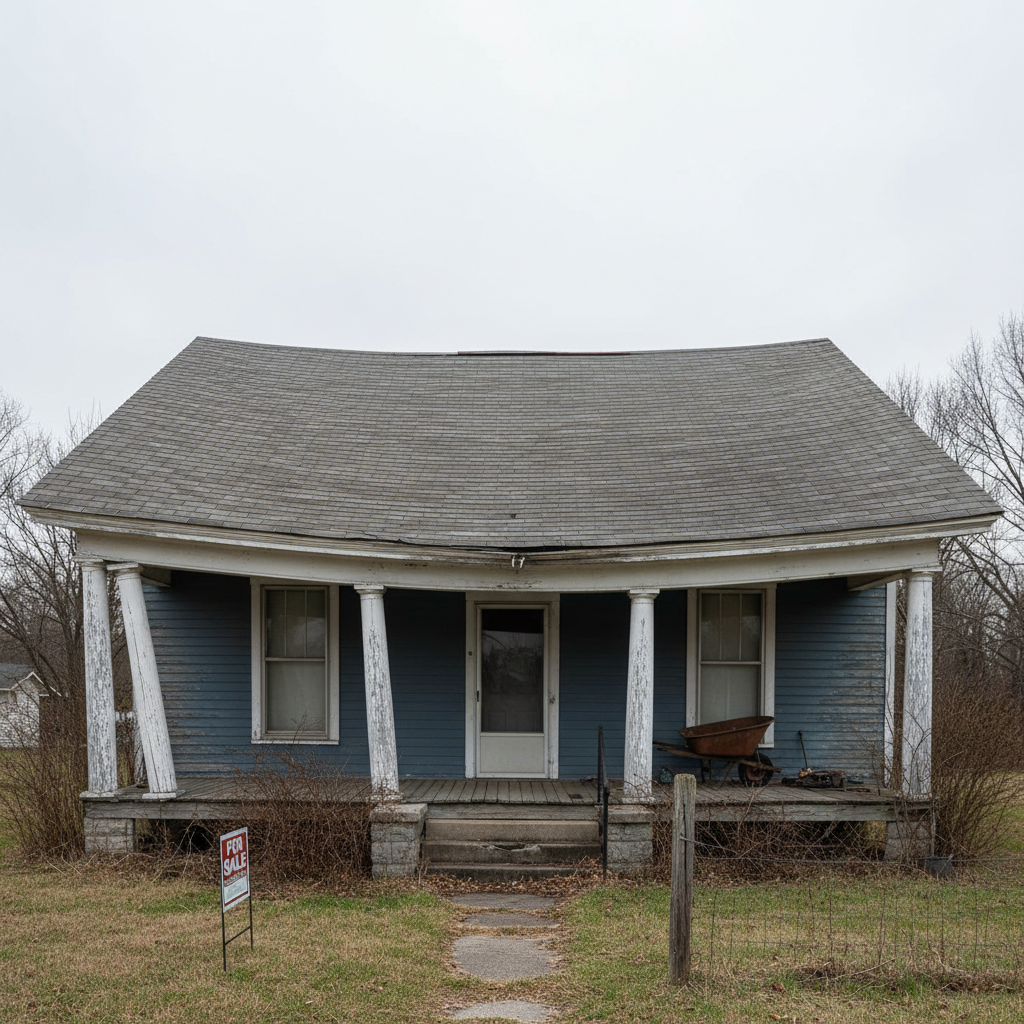
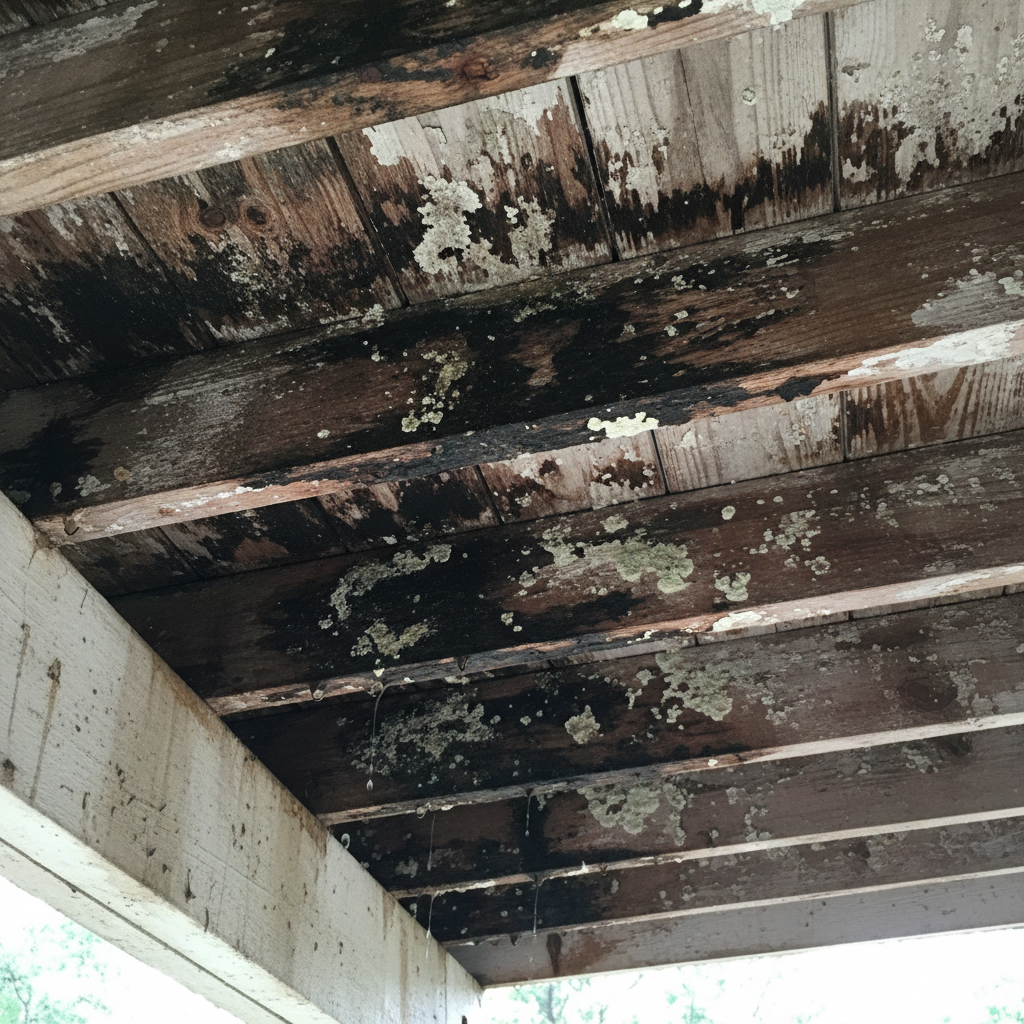
One of the most prevalent culprits behind a sagging porch roof is water infiltration. Leaks from the main house roof, damaged porch roof shingles, clogged gutters, or improper flashing can allow water to penetrate the underlying structure. Over time, persistent moisture leads to wood rot in rafters, joists, and support beams. As these wooden components decay, they lose their strength and ability to bear the roof’s weight, causing them to weaken, deform, and eventually sag. The signs of water damage often include discoloration, mold growth, or a soft, spongy feel to the wood.
Foundation or Structural Settlement
The entire structure of your porch relies on a stable foundation. If the ground beneath your porch’s foundation settles unevenly, or if the footings were not properly installed, it can cause the porch’s support columns or walls to sink. This uneven settlement then translates upwards, creating stress on the porch roof frame and leading to a visible sag. Cracks in the porch’s foundation, walls, or columns, or doors and windows that stick, can be indicators of settlement issues.
Improper Design or Installation
Sometimes, the problem originates from the very beginning. A porch roof might sag due to inadequate design or poor installation practices. This could include using undersized lumber for rafters or beams that aren’t strong enough to support the roof’s weight, especially if it accumulates snow or ice. Improper fasteners, insufficient bracing, or a lack of proper connections between the roof and the main house structure can also contribute to instability and eventual sagging over time. An initial sag that appears relatively quickly after construction often points to design or installation flaws.
Overloading and Weight Issues
While design should account for typical loads, a porch roof can sag if it’s subjected to excessive weight. This is particularly common in regions with heavy snowfall. A thick layer of wet snow or ice can place immense stress on the roof structure, exceeding its load-bearing capacity and causing permanent deformation. Similarly, if heavy items have been stored on the roof (unlikely for a porch, but possible for flat sections) or if modifications were made without considering structural implications, overloading can occur.
Aging and Material Degradation
Even the best-built structures eventually succumb to the ravages of time and the elements. Over several decades, the materials used in your porch roof can naturally degrade. Wood can dry out and crack, metal fasteners can rust, and adhesives can lose their bonding strength. This gradual deterioration, combined with normal wear and tear and exposure to weather cycles, can weaken the overall structural integrity of the roof, leading to a noticeable sag.
Pest Infestations
Termites, carpenter ants, and other wood-boring insects can wreak havoc on a porch’s structural components. These pests tunnel through and consume wooden beams, joists, and rafters, hollowing them out from the inside. The damage might not be immediately visible on the surface, but as the wood becomes riddled with tunnels, its ability to support weight diminishes significantly, resulting in a sag. Look for tell-tale signs like wood dust (frass), discarded wings, or small holes in wooden surfaces.
The Dangers of a Sagging Porch Roof: Why You Shouldn’t Ignore It
Ignoring a sagging porch roof is akin to ignoring a ticking time bomb. While it might seem like a minor aesthetic flaw initially, the potential dangers and repercussions can be severe, impacting both safety and your home’s structural health.
Structural Collapse
The most immediate and terrifying danger of a sagging porch roof is the risk of partial or complete structural collapse. A roof that is visibly drooping is already compromised. Any additional stress—such as heavy rain, snow, strong winds, or even just the weight of people standing on the porch below—could be enough to cause the weakened structure to give way. A sudden collapse can lead to serious injuries, fatalities, and catastrophic damage to your home.
Water Infiltration and Further Damage
A sagging roof creates low points where water can pool. Even if the initial sag wasn’t caused by water, the new geometry makes it much more susceptible to future leaks. Water pooling on the roof surface can penetrate compromised shingles or flashing, leading to a cycle of accelerated rot in the underlying structure. This water can also seep into the walls of your home, causing mold growth, damage to drywall, electrical issues, and even structural damage to the main house itself. The problem can quickly escalate from the porch to the entire property.
Pest Entry Points
Compromised structural elements, gaps created by movement, and areas of water damage serve as ideal entry points and habitats for pests. Insects like termites, carpenter ants, and even rodents can exploit these weaknesses, further exacerbating the damage to the porch and potentially migrating into your main residence. Addressing the sag also means closing off these unwelcome invitations to pests.
Decreased Property Value and Curb Appeal
Beyond the safety concerns, a sagging porch roof significantly detracts from your home’s curb appeal and market value. It signals neglect and potential structural problems to prospective buyers, making your home less attractive and potentially harder to sell. Even if you’re not planning to sell, it diminishes the enjoyment and aesthetic pleasure of your own property.
How to Assess the Severity of Your Sagging Porch Roof
Before attempting any repairs or calling in professionals, it’s vital to conduct a thorough assessment of the sagging porch roof. This will help you understand the extent of the damage, identify potential causes, and determine the best course of action. Always prioritize safety during your inspection.
Visual Inspection
Start with a comprehensive visual inspection from a safe distance. Look for obvious signs of trouble:
- Visible Sag: Is the sag uniform, or is it worse in one particular area? A localized sag often points to a specific point of failure, while a more general sag might indicate widespread weakness or settlement.
- Cracks and Gaps: Inspect where the porch roof meets the house, looking for cracks, separation, or gaps in the flashing or siding.
- Shingle Damage: Check for missing, curled, buckled, or otherwise damaged shingles that could indicate water entry.
- Discoloration and Stains: Look for water stains, mold, or mildew on the underside of the porch roof, on columns, or along the house wall adjacent to the porch.
- Bowing or Leaning Columns: Examine the supporting columns or posts. Are they straight, or do they appear to be bowing, leaning, or separating from their bases or the roof structure above?
Checking for Soft Spots
If you can safely access the porch roof (using a sturdy ladder and with a spotter), gently press on various areas of the roof decking and supporting beams (if exposed) with your hand or a dull tool. Be extremely cautious and do not put significant weight on an already compromised structure. Soft or spongy spots are clear indicators of water damage and rot within the wood. If any part feels dangerously weak, immediately cease inspection and do not place any weight on the roof.
Measuring the Sag
To quantify the extent of the sag, use a straightedge (a long, straight board or level) and a measuring tape. Place the straightedge across the suspected sagging area, spanning between two points that are still level. Measure the distance from the underside of the straightedge down to the lowest point of the sag. Repeat this in several areas to get an overall picture. For example, if you lay a 10-foot board across a beam and there’s a 2-inch gap in the middle, that’s your sag measurement. Even a small sag (e.g., 1 inch over 10 feet) can indicate a problem that will worsen over time.
Examining Supporting Structures
Don’t just look at the roof itself. Inspect all supporting elements, including posts, columns, beams, and the connection points to the main house. Look for:
- Rot or Decay: Especially at the bases of columns or where wood meets the ground or other materials.
- Splits or Cracks: In wooden beams or posts.
- Rust or Corrosion: On metal fasteners, connectors, or flashing.
- Movement: Can you visibly see any parts of the structure shifting or pulling away from each other?
- Foundation Issues: Check the concrete footings or slab for cracks, crumbling, or signs of settling.
For more comprehensive home maintenance advice, including tips for preventing common structural issues, you might find valuable insights from resources like Better Homes & Gardens’ exterior home maintenance checklist.
DIY Fix vs. Hiring a Professional: Making the Right Call
Deciding whether to tackle a sagging porch roof as a DIY project or to hire a professional is a critical decision. It depends heavily on the severity of the sag, the underlying cause, your own skill level, and safety considerations.
When DIY Might Be an Option
A DIY approach might be feasible for very minor, localized sags caused by superficial issues, or if you have extensive experience in carpentry, roofing, and structural repair. Examples include:
- Minor Water Damage: If a small section of fascia or a single non-structural rafter end has minor rot from a recent, easily identifiable leak, and the main structural integrity is intact, a skilled DIYer might be able to replace the damaged wood.
- Loose Fasteners: If the sag is due to a few loose bolts or nails rather than structural failure, and you can safely access and reinforce them.
- Preventative Maintenance: Tasks like clearing gutters, resealing flashing, or repainting to protect wood from moisture are excellent DIY projects to prevent future sagging.
Even for minor repairs, you’ll need the right tools, knowledge of construction techniques, and a strict adherence to safety protocols, including proper shoring.
When to Call in the Experts
For most cases of a sagging porch roof, especially if the sag is pronounced, widespread, or the cause is unclear, hiring a professional is not just recommended but often essential. Here’s when to call the experts:
- Significant Sag: If the roof has a noticeable, deep sag, it indicates substantial structural compromise.
- Widespread Damage: If multiple beams, rafters, or support columns are affected by rot, cracking, or settlement.
- Foundation Issues: Problems with the porch’s foundation require specialized knowledge in concrete work, soil mechanics, and structural engineering.
- Unclear Cause: If you can’t pinpoint why the roof is sagging, a professional can accurately diagnose the problem.
- Safety Concerns: If the porch feels unstable, or you’re uncomfortable working at heights or with heavy structural components, it’s best to let professionals handle it.
- Permits Required: Many significant structural repairs require building permits and inspections, which professionals are accustomed to managing.
Professionals, such as structural engineers, general contractors, or specialized porch repair companies, have the expertise, equipment, and insurance to safely and effectively address complex structural issues.
Finding a Qualified Professional
When seeking a professional, look for:
- Experience: Companies with a proven track record in structural and porch repairs.
- References and Reviews: Check online reviews and ask for customer references.
- Insurance and Licensing: Ensure they are fully licensed and insured to protect yourself from liability.
- Detailed Estimates: Get multiple written estimates that clearly outline the scope of work, materials, timeline, and cost.
- Structural Engineer Consultation: For severe sags or complex structural issues, a structural engineer should be the first person you call. They can assess the situation and provide a repair plan, which a contractor can then execute.
Steps to Repair a Sagging Porch Roof
The repair process for a sagging porch roof will vary significantly depending on the underlying cause and severity. However, the general principles of safety, temporary support, root cause addressal, and permanent repair remain consistent.
Safety First: Essential Precautions
Before any work begins, prioritize safety. This often means:
- Evacuate the Area: Ensure no one is on or directly under the porch during assessment or repair.
- Wear PPE: Hard hat, safety glasses, sturdy gloves, and steel-toed boots are essential.
- Secure the Area: Rope off the porch to prevent accidental entry.
- Call Utilities: If the repair involves electrical wiring or gas lines, call relevant utility companies before starting.
Temporary Shoring
For any significant sag, the first critical step is to provide temporary support to the sagging section. This is done using shoring posts, typically 4×4 or 6×6 lumber, cut to size and placed on solid bases (like concrete blocks or sturdy wood planks) under a larger lumber “header” (e.g., a 2×6 or 2×8) that distributes the load across several rafters or joists. The goal is to gently lift the sagging roof back towards its original position without over-stressing it, providing stable support during the repair. This step is often best handled by professionals due to the risks involved in lifting a heavy, compromised structure.
Addressing the Root Cause
Once the roof is safely shored, the next crucial step is to fix whatever caused the sag in the first place. This might involve:
- Water Damage: Repairing leaks, replacing damaged shingles, fixing flashing, cleaning or repairing gutters, and ensuring proper drainage away from the porch.
- Pest Infestation: Exterminating pests and replacing all compromised wood.
- Foundation Issues: Underpinning the foundation, repairing cracks, or addressing drainage around the footings to prevent further settlement.
- Design Flaws: Adding new, correctly sized support beams, joists, or rafters to meet proper load-bearing requirements.
Repairing or Replacing Damaged Components
After the root cause is addressed, the actual structural repair can begin. This often involves:
- Replacing Rotted or Damaged Wood: Carefully remove and replace any rafters, joists, beams, or columns that are beyond repair due to rot, cracks, or pest damage. Ensure new lumber is treated for outdoor use.
- Reinforcing Weakened Members: For less severe damage, existing beams or joists might be reinforced by “sistering” – attaching new, strong lumber alongside the existing weakened piece with appropriate fasteners.
- Repairing Connections: Re-secure any loose connections where the porch roof meets the house or where beams connect to posts, using strong structural connectors (e.g., hurricane ties, joist hangers, heavy-duty screws).
- Repairing the Decking and Roofing: Once the underlying structure is sound, replace any damaged roof decking (plywood or OSB) and then install new underlayment and shingles to ensure a watertight seal.
Reinforcement and Prevention
As the final structural phase, consider adding reinforcement that wasn’t there before, especially if the original design was inadequate. This might include adding more support posts, bracing, or larger beams. Ensure proper ventilation in the roof space to prevent moisture buildup. Once all structural work is complete and the roof is restored, carefully remove the temporary shoring in reverse order of installation, ensuring the newly repaired structure can bear its own weight.
Preventing Future Porch Roof Sagging
Once you’ve gone through the effort and expense of repairing a sagging porch roof, you’ll want to take steps to ensure it remains stable and sound for years to come. Prevention is always more cost-effective and less stressful than repair.
Regular Inspections and Maintenance
The most crucial preventative measure is consistent vigilance. Make it a habit to visually inspect your porch roof at least twice a year, ideally in spring and fall. Look for:
- Damaged Shingles: Replace any cracked, curled, or missing shingles promptly.
- Flashing Issues: Ensure the metal flashing where the porch roof meets the house is intact and securely sealed.
- Water Stains: Investigate any discoloration on the underside of the roof or supporting structures immediately.
- Pest Activity: Look for signs of termites, carpenter ants, or other wood-destroying insects.
- Cracks or Movement: Check posts, beams, and the foundation for any new cracks or shifting.
Proper Drainage
Effective water management is key to preventing water damage and rot. Ensure your gutters are:
- Clean and Clear: Regularly remove leaves, twigs, and debris to prevent clogs that cause water to overflow and pool around your porch or foundation.
- Properly Sloped: Gutters should have a slight slope towards the downspouts to allow water to drain efficiently.
- Downspouts Directed Away: Ensure downspouts extend several feet away from the porch foundation, preferably into a drainage system or onto a splash block, to prevent water from saturating the soil and compromising the foundation.
Pest Control
Implement a proactive pest control strategy. This can include:
- Sealing Cracks: Seal any cracks or openings in the porch structure and foundation to deny pests entry.
- Wood Protection: Ensure all wooden components are properly sealed, painted, or stained to protect against moisture and insect penetration. Use pressure-treated lumber for any new installations or replacements.
- Professional Treatments: Consider periodic professional pest inspections, especially in areas prone to termites.
Professional Installation and Design
If you’re building a new porch or undertaking a major renovation, invest in professional design and installation. Ensure that:
- Load Calculations: The design accounts for appropriate live loads (e.g., snow, wind) and dead loads (weight of materials).
- Correct Materials: Properly sized lumber and appropriate fasteners are used according to local building codes.
- Proper Connections: All structural connections are robust and secure.
- Adequate Ventilation: If the porch roof has an enclosed attic space, ensure it’s properly ventilated to prevent moisture buildup.
By taking these preventative steps, you can significantly extend the lifespan of your porch roof and avoid the stress and expense of future structural repairs. Once your porch roof is secure, you can focus on making your outdoor space inviting and beautiful with creative porch decorating ideas, confident in its safety and stability.
Understanding the Costs of Porch Roof Repair
The cost to repair a sagging porch roof can vary dramatically, ranging from a few hundred dollars for minor fixes to tens of thousands for extensive structural overhauls. Understanding the factors that influence these costs can help you prepare financially and make informed decisions.
Factors Influencing Cost
- Severity of the Sag: A slight droop requiring minimal reinforcement will be far less expensive than a significant sag indicating major structural failure.
- Root Cause: The type of underlying problem dictates the repair complexity.
- *Water Damage/Rot:* Requires replacing damaged wood, sealing leaks, and possibly new roofing materials.
- *Pest Infestation:* Involves pest extermination, removal of damaged wood, and replacement.
- *Foundation Issues:* Can be very expensive, requiring specialized contractors for underpinning, pier and beam repair, or slab jacking.
- *Design/Installation Flaws:* May necessitate adding new, correctly sized structural members, which can be labor-intensive.
- Extent of Damage: Is it a single rafter, a main beam, multiple columns, or the entire roof structure? The more components that need repair or replacement, the higher the cost.
- Type of Materials: The cost of lumber (standard vs. pressure-treated, common vs. specialty wood), roofing materials (shingles, metal, tile), and fasteners will impact the overall price.
- Labor Costs: Hourly rates for skilled carpenters, roofers, structural engineers, and general contractors vary by region and expertise. Complex repairs require more specialized labor.
- Accessibility: If the porch roof is difficult to access, requiring scaffolding or specialized lifting equipment, labor costs can increase.
- Permits and Inspections: Significant structural repairs often require building permits, which add to the cost, but ensure the work meets local codes and is inspected for safety.
Typical Price Ranges (Estimates only, highly variable)
- Minor Repairs (localized wood rot, shingle replacement, re-fastening): $500 – $2,500. This might involve replacing a few damaged rafters or a section of fascia board.
- Moderate Repairs (replacement of a main beam, multiple columns, significant water damage): $2,500 – $10,000. This often includes temporary shoring, extensive wood replacement, and potentially some roofing work.
- Extensive Structural Repairs (foundation issues, complete roof rebuilding, widespread structural failure): $10,000 – $30,000+. These projects often require a structural engineer’s report and involve major demolition and reconstruction.
- Structural Engineer Consultation: $500 – $1,500 (often a separate cost, but invaluable for complex issues).
The Cost of Ignoring the Problem
While repair costs can seem daunting, the cost of ignoring a sagging porch roof is almost always higher in the long run. Unaddressed issues will worsen, leading to:
- Accelerated Damage: Small leaks become big leaks, minor rot becomes widespread, and a slight sag turns into a collapse risk.
- Damage to Main House: Water infiltration and structural instability can spread to the adjacent walls and foundation of your home, leading to much more expensive repairs.
- Safety Hazards: The risk of injury or fatality due to collapse is priceless.
- Decreased Property Value: A severely damaged porch will significantly reduce your home’s market value.
Getting professional estimates as soon as you notice a sag is the best approach to understanding the true cost and making a timely, effective repair.
FAQs About Sagging Porch Roofs
Q: Can I live under a sagging porch roof?
A: It is generally not safe to live under or use a porch with a significantly sagging roof. A sag indicates structural weakness, and there’s a risk of collapse, especially under additional weight from people, snow, or wind. It’s best to evacuate the area and have it inspected by a professional immediately.
Q: How long does it take to fix a sagging porch roof?
A: The repair time varies greatly depending on the extent of the damage and the root cause. Minor repairs might take a day or two, while extensive structural fixes, especially those involving foundation issues or complete roof replacement, could take several weeks. This also depends on contractor availability and permit processing times.
Q: Is a sagging porch roof an insurance claim?
A: Whether a sagging porch roof is covered by insurance depends on the cause and your policy. Sudden damage (e.g., from a storm, falling tree) might be covered. However, damage due to neglect, wear and tear, rot from long-term leaks, or pest infestations is typically NOT covered. Always check your specific homeowner’s insurance policy and consult with your provider.
Q: What are the early signs of porch roof sag?
A: Early signs include slight unevenness in the roofline, cracks in the paint or caulk where the roof meets the house, subtle changes in how light reflects off the roof surface, water stains on the underside of the porch ceiling, and sticking doors or windows in the adjacent house wall. Regular visual inspections are key to catching these early.
Q: How often should I inspect my porch roof?
A: It’s recommended to perform a thorough visual inspection of your porch roof and its supporting structures at least twice a year, typically in the spring and fall. After heavy storms, high winds, or significant snowfall, an additional inspection is wise.
Conclusion: Safeguard Your Sanctuary
A sagging porch roof is more than just an eyesore; it’s a structural cry for help that demands immediate attention. From the insidious creep of water damage and wood rot to the fundamental shifts of structural settlement, the causes are varied, but the potential consequences are uniformly serious. By understanding why your porch roof is sagging, diligently assessing the damage, and making an informed decision about professional intervention, you can effectively address the problem. Investing in timely repairs and consistent preventative maintenance will not only restore your porch’s aesthetic appeal but, more importantly, safeguard its structural integrity and ensure the safety of your home for years to come. Don’t let a minor droop turn into a major disaster; protect your outdoor sanctuary and the peace of mind that comes with a secure home.