Understanding the Root Causes of a Sagging Porch Roof
Pinpointing why your porch roof is sagging is the crucial first step toward effective repair. Several factors, often working in combination, can contribute to this structural distress.
1. Water Damage and Rot
One of the most prevalent culprits behind a sagging porch roof is water infiltration. Over time, consistent exposure to moisture can wreak havoc on wooden structural components. This can stem from:
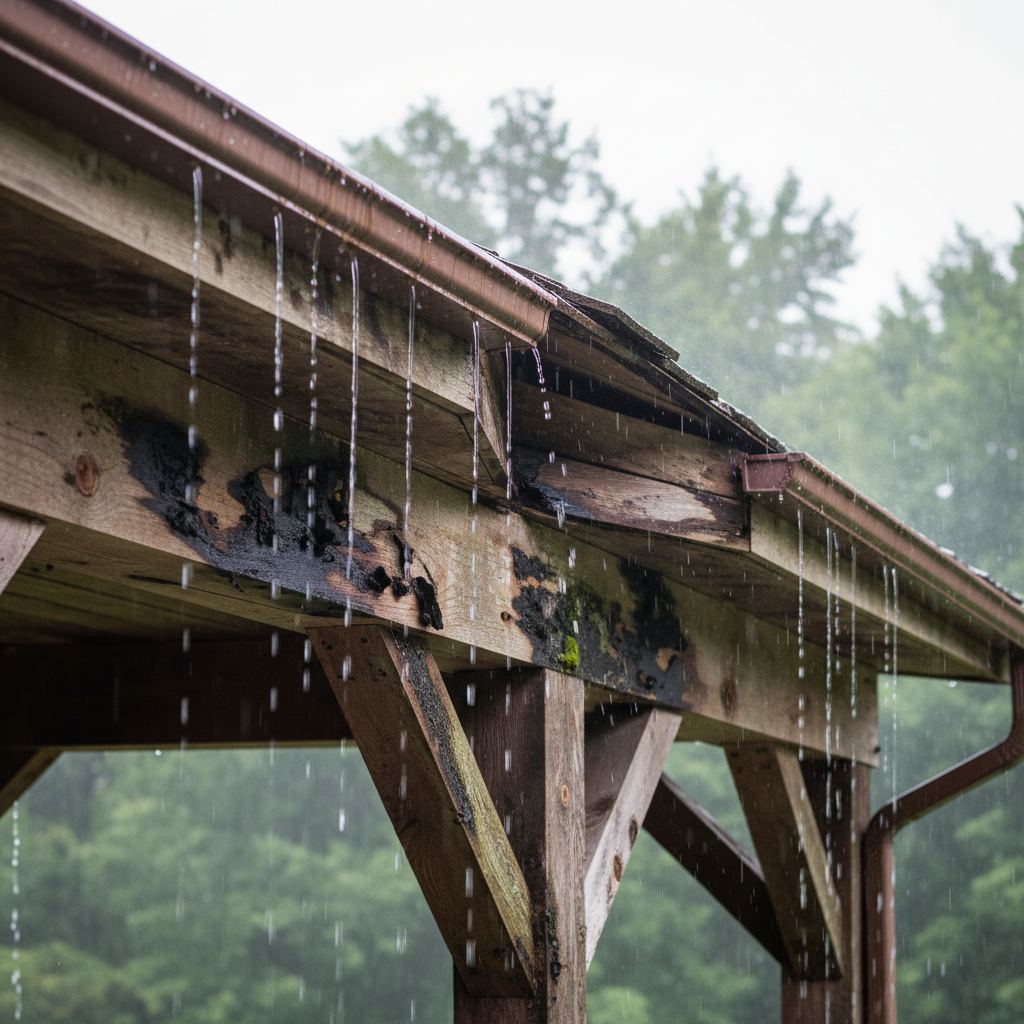
- Leaky Roof Shingles or Flashing: Damaged or improperly installed roofing materials allow water to seep into the decking and underlying beams.
- Clogged Gutters: When gutters are overflowing, water cascades over the sides, drenching the fascia boards and the edges of the porch roof, leading to saturation.
- Poor Drainage: If water doesn’t drain away efficiently from the roof, it can pool, accelerating material degradation.
- Humidity and Condensation: In enclosed or poorly ventilated porch spaces, moisture can build up, promoting rot and mold growth within the timber.
Water saturation leads to wood rot, which weakens the wood fibers, causing them to lose their load-bearing capacity and eventually sag under their own weight or the weight they are meant to support.
2. Pest Infestation
Hidden within the structural elements of your porch roof, various pests can cause severe damage that manifests as sagging. These unwelcome guests include:
- Termites: These insidious insects consume wood from the inside out, leaving behind hollowed-out timbers that are structurally unsound.
- Carpenter Ants: While they don’t eat wood, carpenter ants excavate tunnels and nests within softened, often moisture-damaged wood, further compromising its integrity.
- Powderpost Beetles: Their larvae bore through hardwoods, turning sturdy beams into powdered dust over time.
Regular inspections are vital to catch these infestations early, as their damage can be extensive and difficult to detect until a significant sag becomes visible.
3. Poor Original Construction or Design Flaws
Sometimes, the problem isn’t about wear and tear but rather inherent flaws from the time of construction:
- Inadequate Support: The porch roof may have been built with too few support beams, undersized joists, or columns that weren’t robust enough to handle the roof’s weight and potential loads (like snow).
- Incorrect Fasteners: Using the wrong type, size, or number of nails or screws can lead to structural instability.
- Improper Pitch: A roof with an insufficient slope may not shed water effectively, leading to water accumulation and subsequent damage.
- Material Selection: Using low-quality or inappropriate materials for the climate can lead to premature failure.
These issues might not appear immediately but can manifest years later as the structure succumbs to gravity and environmental stressors.
4. Age and Material Degradation
Like all parts of a home, a porch roof has a finite lifespan. Over decades, materials naturally degrade:
- Wood Fatigue: Wood can dry out, crack, or become brittle, losing its strength.
- Metal Corrosion: Fasteners and connectors can rust, weakening their hold.
- Weathering: Constant exposure to sun, wind, rain, and temperature fluctuations takes its toll on all components.
Older porches, especially those that haven’t received consistent maintenance, are more susceptible to sagging due to general wear and tear.
5. Excessive Weight Load
While designed to bear some weight, a porch roof can sag if it consistently holds too much. Common sources of excessive weight include:
- Heavy Snowfall: In winter climates, accumulated snow and ice can put immense stress on the roof structure.
- Debris Accumulation: Piles of leaves, branches, or other organic matter can trap moisture and add significant weight, especially when wet.
- Unintended Additions: Sometimes, homeowners inadvertently add weight, such as heavy hanging plants, decorative elements, or even converting the space without proper structural upgrades.
6. Foundation Issues
While less direct, issues with the porch’s foundation can also contribute to a sagging roof. If the posts supporting the porch floor or roof are sitting on an unstable or shifting foundation:
- Settling: Uneven settling can cause the posts to sink, pulling down parts of the roof structure.
- Erosion: Water erosion around the base of the posts can compromise their stability.
This type of sag often presents with other signs like cracks in the porch floor or walls.
The Dangers of an Unaddressed Sagging Porch Roof
A sagging porch roof is not merely an aesthetic problem; it poses several serious risks that should not be overlooked.
1. Structural Collapse
This is arguably the most severe danger. A severely weakened porch roof can suddenly give way, especially under additional stress like heavy snow or strong winds. A collapse can cause significant property damage and, more critically, lead to severe injuries or fatalities for anyone standing beneath it.
2. Water Intrusion into Your Home
A sagging roof creates pockets where water can pool. These standing water issues, combined with compromised structural integrity, make it easier for water to penetrate not just the porch structure but also adjacent walls and the foundation of your main house. This leads to:
- Mold and mildew growth inside your home.
- Rotting of structural timbers within your walls.
- Damage to insulation, drywall, and interior finishes.
- Increased risk of pest infestations migrating indoors.
For more insights on preventing moisture issues, Better Homes & Gardens offers great tips on managing home humidity.
3. Pest Entry
A damaged or sagging roof often creates gaps, cracks, and soft spots that are perfect entry points and habitats for pests. Rodents, insects, and even birds can exploit these weaknesses, making their way into your porch structure and potentially into your main living areas. Once established, these pests can cause further damage and pose health risks.
4. Decreased Property Value and Curb Appeal
From a financial perspective, a sagging porch roof significantly detracts from your home’s curb appeal. It signals neglect and potential structural problems to prospective buyers, making your home less attractive and potentially reducing its market value. Buyers may factor in the cost of extensive repairs, or worse, be completely deterred.
5. Safety Hazards
Beyond the risk of collapse, a sagging roof can create other safety hazards. Loose or falling debris, such as shingles or pieces of rotten wood, can injure occupants or visitors. Uneven surfaces can lead to tripping hazards, and compromised railings or stairs associated with the porch can become unstable. It’s crucial to address these issues promptly to maintain a safe environment around your home.
How to Identify a Sagging Porch Roof
Early detection is key to preventing minor issues from becoming major disasters. Keep an eye out for these tell-tale signs:
1. Visual Inspection: Uneven Lines and Dips
The most obvious sign is a visible dip, bow, or uneven line in the roofline. Stand back from your house and observe the porch roof from different angles. Look for:
- A noticeable curve or U-shape in the ridge.
- Areas where the roof appears to be lower than the rest.
- Unevenness or ripples in the shingles or roofing material.
- Misaligned fascia boards or trim.
2. Water Stains and Discoloration
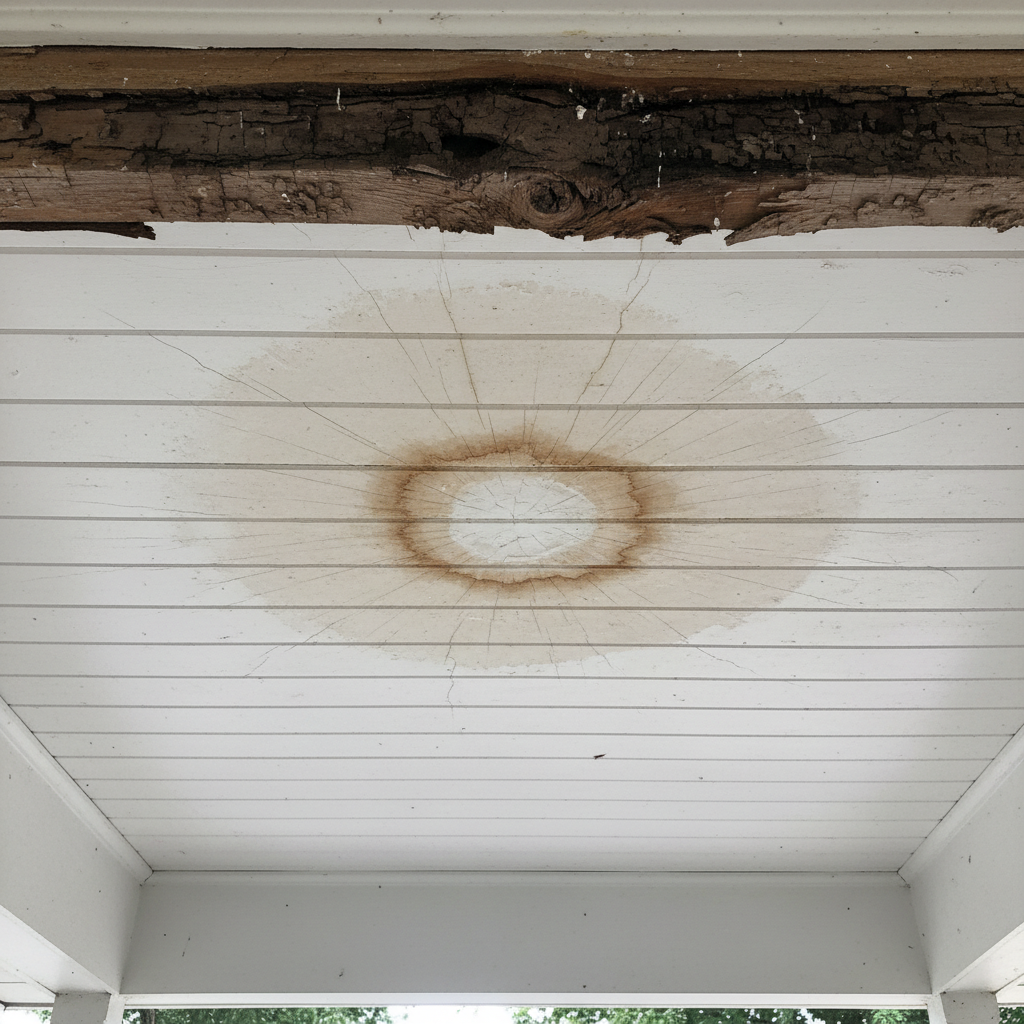
Inspect the underside of the porch roof, the ceiling, and any adjacent walls for water stains, discoloration, or peeling paint. These are clear indicators of water leakage and potential rot within the structure. Dark, moldy patches also point to persistent moisture problems.
3. Cracks in Walls or Ceilings
If the porch roof structure is failing, the stress can transfer to connected elements. Look for cracks in the walls or ceiling of the porch itself, or even in the interior walls of your home adjacent to the porch. These could indicate foundational shifts or severe structural strain.
4. Misaligned Doors or Windows
A sagging roof can put pressure on the entire frame of the porch. If doors or windows on or near the porch become difficult to open or close, stick, or show gaps around their frames, it could be a symptom of structural movement caused by a sagging roof.
5. Soft Spots or Sponginess
If you can safely access the porch roof, gently walk on it (exercising extreme caution and only if you are confident it is safe to do so). Feel for any soft or spongy areas underfoot. This indicates rotten or compromised decking. Similarly, on the underside of the porch ceiling, probe any suspicious areas with a screwdriver to check for softness, which suggests decay.
6. Visible Damage to Support Columns or Beams
Examine the porch columns, posts, and visible beams for signs of distress. These include:
- Cracks or splits in the wood.
- Rotting at the base or top of columns.
- Signs of insect damage (e.g., small holes, frass, mud tubes).
- Posts leaning or shifting from their original position.
DIY vs. Professional Repair: When to Call the Experts
Deciding whether to tackle a sagging porch roof yourself or hire a professional is critical for safety and effective resolution. The complexity and severity of the sag should dictate your approach.
When You Might Consider DIY (Minor Issues)
Some minor issues contributing to a sagging roof, or very early stages of a sag, might be within the scope of an experienced DIY enthusiast. These could include:
- Gutter Cleaning and Repair: If clogged gutters are the primary cause of water overflow, cleaning them or repairing a small leak might prevent further damage.
- Minor Shingle Repair: Replacing a few damaged shingles to stop a small leak.
- Pest Control for Minor Infestations: If you catch a small pest problem very early and it hasn’t compromised structural wood.
- Applying a Wood Hardener: For very minor, superficial wood rot that hasn’t affected load-bearing capacity.
Even for these minor tasks, always prioritize safety, wear appropriate protective gear, and use sturdy ladders or scaffolding.
When to Call a Professional (Most Cases)
For most instances of a sagging porch roof, especially when the sag is noticeable or the underlying causes are extensive, hiring a qualified professional is not just recommended, but essential. Here’s why:
- Structural Expertise: Professionals (carpenters, general contractors, structural engineers) have the knowledge to correctly diagnose the extent of the structural damage, understand load-bearing principles, and design appropriate, safe repairs.
- Safety: Working on a compromised roof is inherently dangerous. Professionals have the right equipment, safety protocols, and insurance to handle such risks.
- Complex Repairs: Replacing rotted beams, reinforcing compromised structures, or correcting foundation issues requires specialized skills, tools, and experience.
- Permit Requirements: Major structural repairs often require building permits and inspections to ensure compliance with local building codes. Professionals are familiar with this process.
- Long-Term Solutions: A professional repair ensures the problem is fixed correctly and durably, preventing recurrence and extending the lifespan of your porch.
What to Look for in a Contractor
If you decide to hire a professional, choose wisely:
- Experience: Look for contractors with specific experience in structural repairs, roofing, or porch construction.
- Licensing and Insurance: Ensure they are properly licensed and insured (liability and worker’s compensation) to protect yourself from accidents or shoddy work.
- References and Reviews: Check their portfolio, ask for references, and read online reviews.
- Detailed Estimates: Obtain multiple written quotes that clearly outline the scope of work, materials, timeline, and cost.
- Warranty: Inquire about warranties for their workmanship and materials.
Repair Solutions for a Sagging Porch Roof
The specific repair strategy will depend entirely on the cause and extent of the sag. A professional assessment is crucial to determine the best course of action.
1. Addressing Water Issues
This is often the first step. Repairs might include:
- Roof Repair: Replacing damaged shingles, repairing flashing, or even a full re-roofing of the porch.
- Gutter and Downspout Maintenance: Cleaning, repairing, or installing new gutters and downspouts to ensure proper water diversion.
- Improved Drainage: Assessing and improving the overall drainage around the porch structure to prevent pooling water.
2. Replacing Rotted or Damaged Wood
If wood components (joists, beams, fascia, decking) are rotten, they must be removed and replaced. This is a delicate process that often requires temporary shoring to support the roof while the damaged sections are cut out and new, treated lumber is installed. For severe cases, entire sections of the roof framing might need replacement.
3. Reinforcing Supports
If the sag is due to inadequate support, reinforcement is key:
- Adding New Beams or Joists: Installing additional load-bearing elements to distribute weight more effectively.
- Sistering Joists: Attaching new, strong lumber alongside existing, weakened joists to bolster their strength.
- Upgrading Columns: Replacing undersized or damaged support columns with larger, stronger ones, ensuring they have proper footings.
- Using Structural Hardware: Employing metal connectors, hangers, and brackets to strengthen joints and connections.
4. Pest Eradication and Prevention
If pests are identified as the cause, the first step is professional extermination. After pests are removed, any damaged wood they’ve left behind must be repaired or replaced. Prevention measures, like treating wood and sealing entry points, are then essential.
5. Leveling and Lifting
In cases where the roof has significantly dropped, specialized lifting equipment (jacks) may be used to carefully raise the roof back to its original level before permanent reinforcements are installed. This process requires precision and careful monitoring to avoid further damage.
6. Foundation Repair
If the porch foundation or footings for the columns are compromised, these must be addressed first. This could involve underpinning, pier and beam repair, or reinforcing concrete slabs to provide a stable base for the porch structure.
Preventative Measures to Avoid Future Sagging
Once your porch roof is restored, implementing preventative measures is crucial to ensure its longevity and prevent future sagging.
1. Regular Inspections
Make it a habit to inspect your porch roof at least twice a year, ideally in spring and fall. Look for:
- Missing, cracked, or curled shingles.
- Signs of water damage on the underside of the roof or fascia.
- Any visible dips or unevenness.
- Cracks or shifts in support columns.
- Pest activity (mud tubes, wood dust, holes).
2. Proper Drainage and Gutter Maintenance
Ensure your gutters are always clean and free of debris. Clogged gutters are a leading cause of water damage. Inspect downspouts to ensure they divert water away from the porch foundation and surrounding areas. Consider installing gutter guards if debris accumulation is a constant issue.
3. Address Leaks Promptly
Even small leaks can lead to significant structural damage over time. Repair any roof leaks as soon as you discover them, whether it’s a cracked shingle, faulty flashing, or a small hole.
4. Effective Pest Control
Regular pest inspections, especially for termites and carpenter ants, are vital. Keep wood away from the foundation, remove dead trees or stumps near your home, and seal any cracks or openings that could serve as pest entry points. Consider professional pest treatment if you live in a high-risk area.
5. Manage Weight Load
Be mindful of the weight your porch roof can safely bear. In snowy climates, ensure snow and ice are safely removed from the porch roof to prevent excessive accumulation. Avoid placing overly heavy decorations or hanging features if your roof wasn’t designed for it.
6. Ensure Proper Ventilation
If your porch has an enclosed ceiling, ensure there’s adequate ventilation to prevent moisture buildup and condensation, which can lead to rot.
7. Professional Maintenance and Check-ups
Consider hiring a professional home inspector or contractor every few years to conduct a thorough examination of your porch and roof structure. They can spot subtle issues you might miss and recommend preventive maintenance. For general home maintenance tips, check out this guide from HGTV’s Home Maintenance Checklist.
Frequently Asked Questions About Porch Roof Sagging
Q1: How much does it cost to fix a sagging porch roof?
A1: The cost to fix a sagging porch roof varies widely depending on the cause, extent of damage, materials needed, and labor rates in your area. Minor repairs might range from a few hundred dollars, while extensive structural repairs involving beam replacement, foundation work, and permits could easily cost several thousand dollars, potentially ranging from $2,000 to $10,000 or more. Getting multiple detailed quotes from qualified professionals is recommended.
Q2: Can I live in my house if my porch roof is sagging?
A2: While a slightly sagging porch roof may not immediately impact the structural integrity of your main home, it poses a significant safety risk and indicates a problem that needs urgent attention. A severely sagging porch roof with visible signs of collapse potential (large cracks, extreme dips) makes the area unsafe, and it’s advisable to restrict access to the porch until repairs are made. The sag can also indicate deeper issues that could eventually affect the main house.
Q3: How long does it take to repair a sagging porch roof?
A3: The repair timeline depends heavily on the scope of work. Minor repairs, like replacing a few rotted boards, might take a day or two. More complex structural repairs involving jacking, beam replacement, and foundation work could take several days to a week or even longer, especially if permits are required or specialized materials need to be ordered.
Q4: Is a sagging porch roof covered by homeowner’s insurance?
A4: Generally, homeowner’s insurance covers sudden and accidental damage, such as a roof collapse due to a heavy storm or fire. However, damage caused by neglect, lack of maintenance, wood rot, pest infestation, or poor construction over time is typically NOT covered. It’s crucial to review your specific policy and consult with your insurance provider to understand what is and isn’t covered.
Q5: What’s the difference between a sagging roof and a bowed roof?
A5: While often used interchangeably, “sagging” typically refers to a downward dip or curve in the roofline, often due to weight, rot, or structural failure. “Bowed” can sometimes refer to a slight outward or inward curve along a beam or joist, which might be less severe than a full sag, but still indicates stress or potential weakness. Both are signs of structural distress that warrant investigation.
Conclusion
A porch roof sagging is a clear indicator that something is amiss with your home’s structure. Ignoring this warning sign can lead to escalated repair costs, significant safety hazards, and a diminished quality of life. By understanding the common causes, learning to identify the signs early, and taking prompt, appropriate action – whether through vigilant DIY maintenance or by consulting experienced professionals – you can restore your porch to its former glory. Prioritizing the health of your porch roof ensures it remains a beautiful, functional, and safe extension of your home for many years to come.