Understanding Why Your Porch Roof is Sagging: Common Causes
A sagging porch roof is rarely due to a single, isolated factor. Typically, it’s the result of several contributing issues combining over time. Identifying the root cause is the first critical step toward an effective repair.
Water Damage and Rot
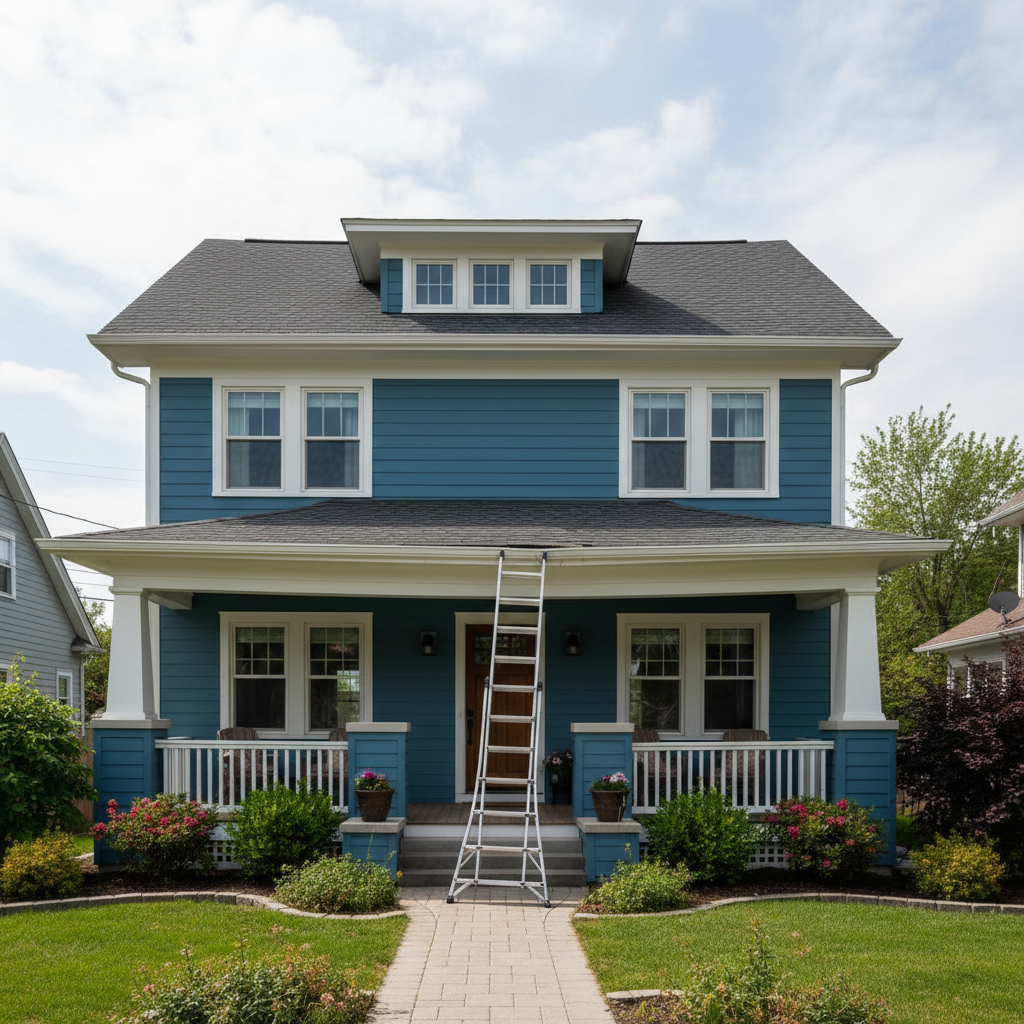
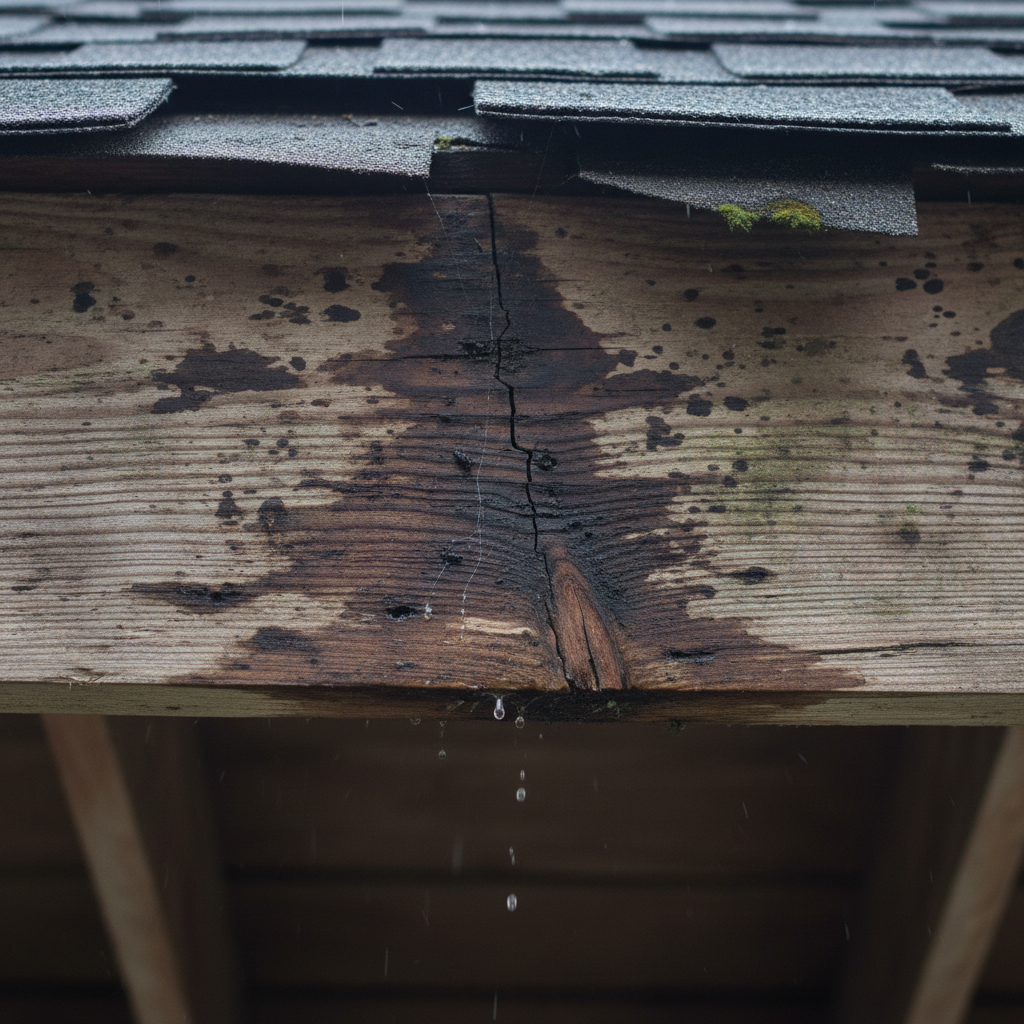
One of the most frequent culprits behind a sagging porch roof is water damage. Leaks from faulty shingles, compromised flashing around chimneys or skylights, clogged gutters overflowing, or even ice dams can allow water to penetrate the roofing materials. Over time, this moisture saturates the wooden components of the roof structure—such as rafters, trusses, and sheathing—leading to rot. As wood rots, it loses its structural integrity, weakens, and begins to soften and crumble, causing the roof to sag under its own weight.
- Leaky Roof Coverings: Cracked shingles, missing tiles, or damaged membranes allow water ingress.
- Faulty Flashing: Improperly installed or deteriorated flashing around penetrations like vents, skylights, or the house wall can channel water directly into the roof structure.
- Clogged Gutters and Downspouts: When gutters are blocked, water overflows directly onto the porch structure below, leading to constant saturation.
- Ice Dams: In colder climates, ice dams can form, preventing melting snow from draining properly and forcing water under shingles.
Inadequate Framing or Support
Sometimes, the problem isn’t due to damage but rather an inherent flaw in the initial construction. If the porch roof was not properly framed or adequately supported from the outset, it might begin to sag prematurely. This could be due to:
- Undersized Rafters or Beams: If the wooden members supporting the roof are too small for the span they need to cover, they will naturally deflect or bend over time.
- Insufficient Joist Hangers or Connections: Weak or improper connections between framing members can lead to loosening and subsequent sag.
- Too Few Support Posts: A porch roof needs sufficient vertical support. If there aren’t enough posts, or if they are improperly spaced, the roof can sag between them.
- Poor Design: A design that doesn’t account for anticipated loads (like snow or heavy roofing materials) can lead to structural failure.
Overload from Snow or Heavy Materials
Roofs are designed to withstand certain loads, but excessive weight can push them beyond their limits. This is particularly true for porch roofs, which might not be built to the same rigorous standards as the main house roof.
- Heavy Snowfall: Accumulated snow and ice, especially wet snow, can exert immense pressure on a roof, causing it to sag or even collapse.
- Heavy Roofing Materials: If a heavier roofing material (like slate or concrete tiles) was installed on a structure originally designed for lighter asphalt shingles, the added weight could cause a sag.
- Accumulated Debris: Leaves, branches, and other debris can accumulate, especially in low-slope areas, adding extra weight.
Pest Infestations
Pests like termites, carpenter ants, or powderpost beetles can cause significant damage to the wooden components of a porch roof. These insects tunnel through and nest in wood, hollowing it out and severely compromising its structural integrity. Often, the damage is hidden until the wood becomes so weakened that it starts to sag or collapse.
- Termites: These pests consume cellulose, making them a major threat to wooden structures.
- Carpenter Ants: Unlike termites, carpenter ants don’t eat wood but excavate tunnels within it to build their nests.
- Powderpost Beetles: These beetles bore tiny holes into wood, leaving behind a fine, powdery sawdust.
Foundation Issues or Settling
While often overlooked, issues with the porch’s foundation can manifest as a sagging roof. If the porch’s foundation settles unevenly, the entire structure can shift and twist. This can put undue stress on the roof framing, causing beams to bend or connections to pull apart, leading to a visible sag.
- Poor Soil Compaction: Inadequate soil preparation before construction can lead to uneven settling.
- Drainage Problems: Water pooling around the foundation can erode soil or cause it to expand and contract, leading to movement.
- Tree Roots: Large tree roots growing beneath a foundation can exert pressure or, conversely, dehydrate the soil, causing settling.
Age and Wear
Even a well-built and maintained porch roof has a finite lifespan. Over decades, exposure to the elements, temperature fluctuations, and the natural aging of materials can cause the structure to weaken. Wood can dry out and become brittle, fasteners can corrode, and connections can loosen. This natural deterioration can gradually lead to a sag over time.
The Dangers of a Sagging Porch Roof: Why Prompt Action is Crucial
A sagging porch roof isn’t just an aesthetic problem; it poses several serious risks that demand immediate attention.
Safety Hazard and Potential Collapse
The most significant danger is the risk of collapse. A compromised porch roof structure could give way under its own weight, especially during a heavy snowfall, strong winds, or if someone walks on it. A sudden collapse can cause severe injuries or even be fatal to anyone standing underneath or on the porch.
Further Structural Damage to Your Home
A sagging porch roof puts undue stress on the connecting points to your main house. This can lead to cracks in walls, damage to siding, compromised windows and doors, and even further internal water leaks into your home. The problem can quickly escalate from a porch issue to a whole-house structural concern.
Reduced Property Value and Curb Appeal
A visible sag instantly detracts from your home’s curb appeal. It signals neglect and potential underlying issues to prospective buyers, making your home less attractive and potentially reducing its market value. It gives the impression that the home is not well-maintained, which can deter offers or lead to lower appraisals.
Increased Repair Costs
The longer a sagging porch roof is ignored, the more extensive and expensive the repairs are likely to become. What might start as a simple repair of a few rotten boards can quickly turn into a full roof replacement or even a partial rebuild of the porch structure as the damage spreads and worsens.
Is Fixing a Sagging Porch Roof a DIY Project or Do You Need a Professional?
Deciding whether to tackle a sagging porch roof yourself or call in the experts depends largely on the severity of the sag and the underlying cause.
When You Might Consider a DIY Approach
For very minor, non-structural issues, a confident DIYer with proper tools and safety knowledge might consider small repairs. This could include:
- Minor Water Damage Repair: Replacing a few rotten fascia boards or small sections of soffit due to isolated leaks.
- Gutter Maintenance: Clearing clogged gutters or re-securing loose ones to prevent water overflow.
- Repainting or Sealing: Addressing purely cosmetic issues or applying new sealant around flashing if the structure itself is sound.
However, even these seemingly simple tasks require careful attention to safety and proper techniques. Always err on the side of caution when working on a roof structure.
When to Definitely Call a Professional
In most cases, especially if the sag is noticeable or the cause is unclear, professional help is highly recommended. Here’s why:
- Structural Issues: If the sag is indicative of compromised rafters, beams, or posts, a structural engineer or experienced roofing contractor is essential. They have the expertise to assess structural integrity and design appropriate repairs.
- Extensive Water Damage: Large areas of rot or persistent leaks require professional diagnosis and repair to ensure all damaged wood is replaced and the source of water ingress is permanently sealed.
- Foundation Problems: If the porch foundation is settling, this requires specialized skills from a foundation repair expert.
- Pest Infestations: Addressing termites or carpenter ants requires professional pest control to eradicate the colony and prevent future infestations, followed by structural repairs.
- Safety Concerns: Working on a damaged roof can be extremely dangerous. Professionals have the right safety equipment, insurance, and experience to work safely at heights and with compromised structures.
- Code Compliance: Structural repairs often need to comply with local building codes and may require permits. Professionals are familiar with these requirements.
Steps to Address a Sagging Porch Roof: A Comprehensive Guide
Once you’ve identified the problem and decided on the right course of action, here are the general steps involved in addressing a sagging porch roof.
1. Thorough Assessment and Inspection
Before any work begins, a meticulous inspection is paramount. This involves:
- Visual Inspection: Look for visible signs of damage like warped wood, cracks, excessive deflection, water stains, mold, or pest activity.
- Check for Leaks: Inspect the roof covering for missing shingles, cracked tiles, or compromised flashing.
- Interior Inspection: If accessible, examine the underside of the porch roof from below for signs of rot, water damage, or insect tunnels.
- Measure the Sag: Use a long straightedge or string line to measure the extent of the sag, which can help determine the severity.
- Identify the Root Cause: Determine if the problem is water-related, structural, pest-related, or a combination.
2. Temporary Shoring and Support
If the sag is significant or if the roof appears unstable, temporary shoring is essential before any repair work begins. This involves installing sturdy temporary support posts or jacks to safely bear the load of the roof and prevent further collapse during the repair process. This step is critical for safety and should be done with extreme care.
3. Repairing Water Damage and Addressing Leaks
If water ingress is the cause, this must be stopped first:
- Fixing Roof Leaks: Repair or replace damaged shingles, tiles, or flashing. Ensure proper sealing and water diversion.
- Cleaning Gutters: Clear all debris from gutters and downspouts and ensure they are properly sloped and draining away from the porch structure.
- Replacing Rotten Wood: Carefully remove all rotted wood sections from rafters, beams, fascia, and soffit. Replace them with new, pressure-treated lumber where appropriate, ensuring new wood is adequately sized and fastened.
- Allowing Drying: Ensure all remaining damp wood is thoroughly dried before enclosing it.
4. Reinforcing or Replacing Support Beams and Posts
For structural sag due to inadequate or damaged framing:
- Sistering Rafters: If rafters are undersized or slightly warped, new lumber can be “sister”ed (fastened alongside) to the existing rafters to reinforce them.
- Replacing Damaged Members: Severely damaged or rotted rafters, beams, or ledger boards must be fully replaced. This often requires carefully jacking the roof up to its original level before installing the new, properly sized lumber.
- Adding or Reinforcing Posts: If the porch roof lacks sufficient vertical support, additional posts may need to be installed or existing ones strengthened or replaced, ensuring they are securely anchored to a solid foundation.
- Ensuring Proper Connections: Use appropriate joist hangers, hurricane ties, and fasteners to ensure all framing members are securely connected.
5. Addressing Foundation Issues (If Applicable)
If the porch foundation is settling, this will require specialized work:
- Underpinning: Installing new foundation elements beneath existing ones to stabilize the structure.
- Pier and Beam Repair: Replacing or reinforcing damaged piers or beams.
- Drainage Improvements: Grading the landscape to direct water away from the foundation.
6. Pest Extermination and Prevention
If pests are the culprit:
- Extermination: Engage a professional pest control service to eliminate the infestation.
- Repair Damage: Replace all wood compromised by pests.
- Preventative Measures: Implement strategies to deter future infestations, such as proper ventilation, sealing cracks, and removing wood-to-soil contact.
7. Roof Decking and Covering Repair/Replacement
Once the underlying structure is sound and leveled, any damaged roof decking (plywood or OSB) should be replaced. After that, the new roofing material (shingles, metal, etc.) can be installed or repaired. Ensure all flashing is correctly installed to prevent future leaks.
Cost Considerations for Porch Roof Repair
The cost to fix a sagging porch roof varies widely depending on several factors:
- Extent of Damage: Minor water damage to a small section of fascia will be far less expensive than replacing multiple structural beams due to extensive rot or an entire roof deck.
- Cause of Sagging: Addressing a pest infestation or foundation issue will add to the overall cost, as these require specialized services.
- Materials Used: The type of roofing material (asphalt shingles vs. metal or tile) and lumber grade will impact the budget.
- Labor Costs: Professional contractors charge for their expertise, labor, and equipment. Costs vary by region and complexity of the job.
- Permits: Structural repairs often require building permits, which add a small fee.
It’s wise to get multiple quotes from reputable contractors to understand the scope of work and associated costs. Be sure to ask for a detailed breakdown of labor and materials.
Preventing Future Porch Roof Sagging: Proactive Maintenance Tips
Once your porch roof is restored, implementing a proactive maintenance plan is key to preventing future issues. Many common roof problems can be prevented with regular inspection and timely fixes. For more insights on general roof maintenance, consider resources like HGTV’s guide on how to spot and fix common roof problems.
- Regular Inspections: Annually inspect your porch roof, looking for damaged shingles, loose flashing, water stains, or signs of pests. After severe weather, conduct an immediate check.
- Clean Gutters Regularly: Keep gutters and downspouts free of leaves, twigs, and debris. Ensure they are properly sloped to direct water away from the porch and foundation.
- Trim Overhanging Branches: Cut back tree branches that hang over your porch roof. This reduces the risk of falling debris, minimizes shade (which can lead to moss/algae growth), and lessens the amount of leaves entering gutters.
- Address Leaks Immediately: Even a small leak can lead to significant structural damage over time. Fix any drips or stains as soon as they are noticed.
- Ensure Proper Ventilation: Adequate ventilation helps prevent moisture buildup in the roof structure, which can lead to rot and mold.
- Snow Removal: In areas with heavy snowfall, consider safely removing excessive snow loads from your porch roof to prevent strain. Use a roof rake to avoid damaging the roof surface.
- Pest Control: Be vigilant for signs of termites, carpenter ants, or other wood-boring pests. Address any infestations promptly.
- Professional Maintenance: Consider having a professional roofing contractor inspect your roof every few years to catch potential problems before they become severe.
Frequently Asked Questions About Porch Roof Sagging
How much does it cost to fix a sagging porch roof?
The cost varies significantly, typically ranging from a few hundred dollars for minor repairs (e.g., replacing a few rotten boards due to a small leak) to several thousand dollars for extensive structural repairs, complete roof deck replacement, or addressing foundation issues. Getting multiple detailed quotes from professionals is essential for an accurate estimate.
Can I fix a sagging porch roof myself?
Minor, non-structural issues like replacing a small section of fascia or fixing a simple gutter clog might be DIY-friendly for experienced homeowners. However, if the sag is structural, due to extensive water damage, pests, or foundation problems, it’s strongly recommended to hire a professional. These repairs often require specialized knowledge, tools, and adherence to building codes, and pose significant safety risks if done incorrectly.
What are the signs of a sagging roof?
Beyond the obvious visual dip or curve, other signs include: standing water on the roof, visible water stains on the porch ceiling or walls, cracks in the ceiling or walls where the porch connects to the house, warped or discolored roof decking, loose or missing shingles, and signs of pest activity like sawdust trails or tunnels.
How long does a porch roof last?
The lifespan of a porch roof depends on its construction, materials, climate, and maintenance. Generally, a well-built porch roof can last as long as the main house roof, typically 20-30 years for asphalt shingles, and even longer for metal or tile roofs. However, poor maintenance, severe weather, or initial construction flaws can significantly shorten this lifespan.
Is a sagging porch roof dangerous?
Yes, a sagging porch roof can be very dangerous. It indicates a compromised structure that could potentially collapse, leading to serious injury or even fatality. It also puts stress on the main house structure, potentially causing further damage and reducing overall home safety and value. It’s crucial to address a sagging porch roof promptly to prevent these hazards.
Conclusion
A sagging porch roof is a clear signal that something is amiss with your home’s exterior. While it might seem daunting, understanding the common causes—from water damage and inadequate framing to pest infestations and general wear—is the first step toward a lasting solution. Prioritizing safety, accurately assessing the damage, and knowing when to call in a professional are critical elements of the repair process. By taking prompt and decisive action, followed by consistent preventative maintenance, you can restore the structural integrity, safety, and aesthetic appeal of your porch, ensuring it remains a welcoming and secure extension of your home for many years to come.