There’s nothing quite as unwelcome as the chill that permeates your home on a cold day, especially when you pinpoint the source: a draft coming from your window frame. It’s more than just an annoyance; those subtle streams of cold air can significantly impact your home’s comfort, drive up your energy bills, and even lead to bigger problems down the line. If you’ve been feeling an inexplicable chill or noticing a suspicious breeze near your windows, you’re not alone. Many homeowners grapple with drafty window frames, often unaware of how easily many of these issues can be identified and remedied. This comprehensive guide will walk you through everything you need to know about understanding, detecting, and permanently stopping drafts from your window frames, ensuring a warmer, more energy-efficient, and comfortable living space.
Why is Cold Air Draft Coming From Your Window Frame?
Understanding the root causes of a draft coming from your window frame is the first step toward finding an effective solution. While the sensation of cold air might seem universal, the reasons behind it can vary significantly, ranging from simple wear and tear to more complex structural issues. Identifying the specific culprit will guide you to the most appropriate fix.

Age and Wear of Materials
Over time, the materials designed to seal your windows against the elements naturally degrade. Weatherstripping, which creates a seal between the movable parts of your window (sashes) and the frame, can become brittle, crack, or compress, losing its effectiveness. Similarly, the caulk around your window frames, both interior and exterior, can dry out, shrink, or crack, creating gaps through which air can freely pass. Even the glazing putty or seal around the glass panes can deteriorate, allowing air to seep between the glass and the sash.
Improper Installation
Sometimes, the problem isn’t age but initial craftsmanship. If windows were not installed correctly, there might be inherent gaps between the window frame and the rough opening in the wall. These gaps, if not properly insulated and sealed during installation, become direct conduits for air infiltration. Even a slight misalignment can prevent sashes from closing tightly, leaving small but significant openings for drafts.
Foundation Movement and House Settling
Houses naturally settle over time, and foundations can shift due to various factors like soil expansion, contraction, or seismic activity. This movement can put stress on window frames, causing them to warp, twist, or pull away from the surrounding wall structure. Even minor shifts can create new gaps or enlarge existing ones, leading to unexpected drafts where there were none before.
Damaged Window Components
Physical damage to any part of the window can compromise its seal. This includes cracked or broken glass panes, warped sashes that no longer fit snugly into the frame, or even broken locks and latches that prevent the window from being pulled tightly shut. Double-pane windows, in particular, can suffer from failed seals between the panes, leading to condensation inside the glass and sometimes allowing drafts.
Lack of Insulation Around the Rough Opening
When windows are installed, there’s typically a gap between the window frame and the wall studs (the rough opening). This gap is meant to be filled with insulation, such as fiberglass batting or low-expansion spray foam, to create an airtight barrier. If this insulation was omitted, applied incorrectly, or has settled and deteriorated, cold air can easily bypass the window itself and enter your home through the wall cavity around the frame.
The Hidden Costs of a Drafty Window Frame
While the immediate discomfort of a cold draft is obvious, the repercussions of a draft coming from your window frame extend far beyond just feeling chilly. These seemingly minor air leaks can have a significant and often costly impact on your home’s energy efficiency, your indoor air quality, and even the structural integrity of your property.
Skyrocketing Energy Bills
This is perhaps the most direct and noticeable cost. Every time conditioned air (heated in winter, cooled in summer) escapes through gaps in your window frames, your HVAC system has to work harder and longer to maintain your desired indoor temperature. This constant battle against the elements translates directly into higher energy consumption and, consequently, inflated utility bills. Sealing drafts is one of the most cost-effective ways to reduce your home’s energy footprint.
Compromised Indoor Comfort
Beyond the financial strain, drafty windows create an uncomfortable living environment. They lead to cold spots near windows, forcing you to crank up the thermostat in winter, which only exacerbates the energy waste. Conversely, in summer, warm, humid air can infiltrate, making your air conditioning less effective and your home feel clammy. Uneven temperatures can make rooms unusable during extreme weather, reducing your usable living space.
Potential for Moisture Damage and Mold Growth
Drafts aren’t just about air; they can also introduce moisture into your home, especially if the outdoor air is humid. When warm, moist indoor air meets cold surfaces near drafty windows, condensation can form. This excess moisture can lead to a host of problems, including peeling paint, warped window sills, deteriorated wood frames, and, most concerningly, the growth of mold and mildew. Mold not only causes unsightly stains and musty odors but can also pose significant health risks for occupants, particularly those with allergies or respiratory conditions.
Unwanted Noise Infiltration
Just as air can seep through gaps, so can sound. Drafty windows provide an easy pathway for outdoor noises to penetrate your home, disturbing your peace and quiet. This might include traffic, construction, noisy neighbors, or even just the wind. A well-sealed window acts as a much better sound barrier, contributing to a more tranquil indoor environment.
How to Accurately Detect a Draft Coming From Your Window Frame
Before you can fix a draft coming from your window frame, you need to know exactly where it’s coming from. Sometimes, the source is obvious, but often, drafts are subtle and require a more methodical approach to pinpoint. Here are several effective ways to detect air leaks around your windows.
The Hand Test
This is the simplest and most immediate method. On a cold, windy day, slowly move your hand around the perimeter of your closed window frame, paying close attention to the sashes, where the window meets the wall, and the locking mechanisms. Your hand is surprisingly sensitive to temperature differences, and you’ll often feel a subtle cold breeze where air is leaking in. This method is best for larger, more obvious drafts.
The Candle or Incense Test
For more subtle drafts, a visual indicator works wonders. Light a candle or an incense stick and slowly move it around the edges of your closed window. Watch the flame or the smoke. If it flickers, dances wildly, or is drawn inwards (or pushed outwards), you’ve found an air leak. Be careful with open flames, especially near curtains or other flammable materials. This test is excellent for pinpointing precise spots where air is infiltrating.
Thermal Leak Detector (Infrared Camera)
For the most accurate and comprehensive assessment, a thermal leak detector (also known as an infrared camera or thermal imaging camera) can be invaluable. These devices visualize temperature differences, showing cold spots as different colors on a screen. By scanning your windows, you can immediately see where cold air is penetrating the warm envelope of your home. While professional energy auditors often use high-end versions, consumer-grade thermal cameras or attachments for smartphones are increasingly available for homeowners.
Professional Energy Audit
If you suspect widespread issues or want a holistic view of your home’s energy efficiency, consider hiring a professional energy auditor. They use specialized tools like blower doors, which depressurize your house to exaggerate air leaks, making them easier to detect with smoke pencils or thermal cameras. An energy audit provides a comprehensive report on all air leaks and insulation deficiencies, not just those around windows, and offers prioritized recommendations for improvements.
Immediate & DIY Solutions to Stop a Draft Coming From Your Window Frame
Once you’ve identified a draft coming from your window frame, there are many effective and affordable DIY solutions you can implement yourself. These fixes can significantly improve your home’s comfort and energy efficiency without requiring professional help or a major investment.
Apply Weatherstripping
Weatherstripping is a flexible material designed to seal the gaps between the moving parts of your window (the sashes) and the frame itself. It’s an excellent first line of defense against drafts and comes in various forms:
- Foam Tape: Easy to apply, self-adhesive, and works well for small, irregular gaps. It’s generally less durable than other types.
- V-Strip (Tension Seal): Made of metal or plastic, it springs open to seal gaps when the window is closed. Very durable and effective for side sashes.
- Tubular Gaskets: Rubber or vinyl tubes that compress to form a seal. Good for larger gaps and highly durable.
- Felt: An old-school, cost-effective option, best for less frequently opened windows or as a temporary fix.
To apply, clean the surface thoroughly, measure and cut the weatherstripping to size, and then press or nail it into place where the moving parts of the window meet the frame when closed.
Seal Gaps with Caulk
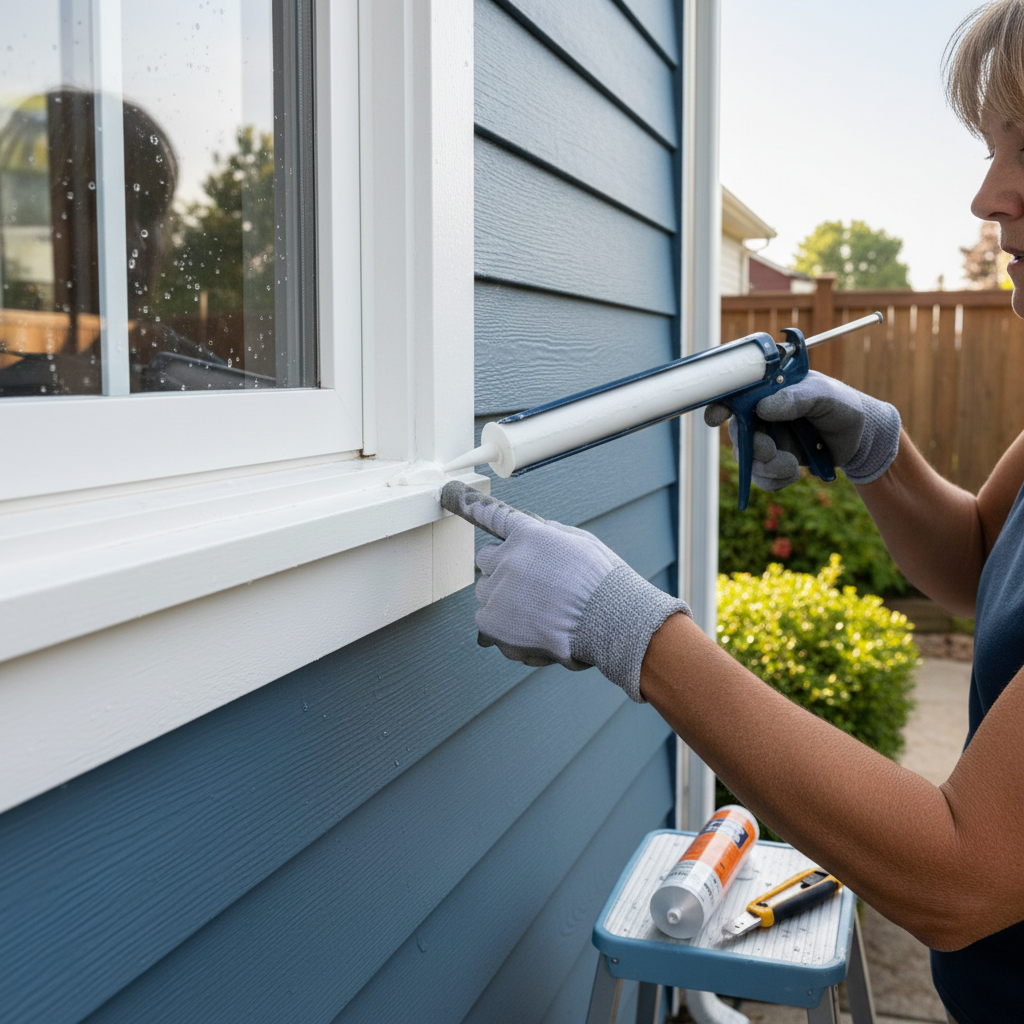
Caulking is essential for sealing stationary gaps around your window frames. It’s used where the window frame meets the wall, both inside and outside your home. For interior applications, acrylic latex caulk is easy to work with and paintable. For exterior use, choose a durable, waterproof caulk like silicone or polyurethane, which can withstand outdoor elements and temperature fluctuations.
To caulk effectively, ensure the surface is clean, dry, and free of old, failing caulk. Use a utility knife to remove old caulk and a caulk gun to apply a continuous, even bead. Smooth the caulk with a wet finger or tool for a neat finish. For detailed instructions on proper caulking techniques, resources like Good Housekeeping’s guide on how to caulk windows and doors can provide invaluable tips.
Use Window Insulation Film
Window insulation film kits are a temporary but highly effective solution for drafty windows, especially during colder months. These kits involve applying a clear plastic film over the entire window frame and then using a hairdryer to shrink it taut. The film creates an insulating air pocket between the window pane and the room, significantly reducing heat loss and stopping drafts. They are relatively inexpensive and easy to install, though they do obscure access to the window until removed.
Install Draft Stoppers or Window Snakes
For drafts coming from the bottom of window sashes or along window sills, a simple fabric draft stopper (sometimes called a window snake) can provide an immediate and noticeable improvement. These are typically fabric tubes filled with sand, rice, or other dense materials that you place along the bottom of the window to block air infiltration. While they don’t seal the window completely, they offer a quick and decorative way to manage localized drafts.
Hang Heavy Curtains or Thermal Blinds
Adding a layer of insulation with window treatments can dramatically reduce the impact of drafts. Heavy, insulated curtains or thermal blinds create a barrier that traps cold air between the window and the fabric, preventing it from circulating into the room. They also add an extra layer of privacy and can enhance your home’s decor.
Adjust Window Locks/Latches
Sometimes, a draft coming from your window frame is simply due to the window not closing tightly enough. Many window locks and latches have adjustment screws that allow you to tighten the seal. A quarter-turn clockwise on these screws can often pull the window sashes more snugly against the frame, eliminating small gaps. Check if your window sashes are aligned and closing properly before assuming a more complex fix is needed.
Long-Term & Professional Solutions for Persistent Window Drafts
While DIY solutions are excellent for addressing common and minor drafts, some situations call for more permanent fixes or professional intervention. If you’ve tried the immediate solutions and still feel a draft coming from your window frame, it might be time to consider these long-term approaches.
Repair or Replace Damaged Window Components
If your window sashes are warped, the glass is cracked, or the locking mechanisms are broken beyond simple adjustment, patching up the drafts might not be enough. Warped sashes need to be repaired or replaced to ensure a tight fit within the frame. Cracked glass not only allows drafts but also compromises energy efficiency and safety. In such cases, replacing the glass pane or the entire sash might be necessary. A professional glazier or window repair specialist can assess the damage and recommend the most cost-effective repair.
Reinsulate Around the Window Frame
As mentioned earlier, inadequate insulation in the gap between the window frame and the wall’s rough opening is a major source of drafts. If you suspect this is the case, especially in older homes or after removing trim, you might need to reinsulate. This typically involves carefully removing interior or exterior trim, cleaning out old insulation or debris, and then filling the gap with low-expansion spray foam insulation. It’s crucial to use low-expansion foam specifically designed for windows and doors, as high-expansion foams can bow and damage window frames. This task can be messy and requires precision, so some homeowners opt for a professional.
Window Replacement
When windows are very old, severely deteriorated, or single-pane, they might be beyond effective repair. In these instances, investing in new, energy-efficient windows is often the best long-term solution. Modern windows come with features like double or triple glazing, low-emissivity (Low-E) coatings, and argon or krypton gas fills between panes, which dramatically improve insulation and virtually eliminate drafts. While a significant upfront cost, new windows can offer substantial savings on energy bills, enhance home comfort, increase curb appeal, and boost property value. It’s a decision that pays off over time, especially if your current windows are decades old or show signs of extensive rot, significant structural issues, or pervasive drafts.
Preventing Future Drafts: Maintenance Tips for Your Windows
Preventing a draft coming from your window frame is often easier and less costly than fixing one after it’s become a problem. Regular maintenance and proactive measures can keep your windows performing optimally, ensuring a comfortable and energy-efficient home for years to come.
Regular Inspection
Make it a habit to inspect your windows annually, ideally in the fall before cold weather sets in, and again in the spring. Look for signs of wear and tear, such as cracked caulk, deteriorating weatherstripping, loose hardware, or gaps forming around the frames. Pay attention to both the interior and exterior of the windows. Early detection allows for minor repairs before they escalate into major issues.
Clean and Lubricate Moving Parts
Regularly clean window tracks, sashes, and frames to remove dirt, dust, and debris that can hinder proper closing and sealing. Lubricate moving parts and hardware (like hinges and locks) with a silicone-based spray or dry lubricant. This ensures smooth operation and helps the window sashes close tightly against the weatherstripping, maintaining a good seal.
Protect Against Moisture
Ensure that water drains away from your windows and foundation. Clear gutters and downspouts, and make sure exterior caulk is intact to prevent water penetration into the wall cavity or behind the frame. Promptly address any leaks around windows to prevent wood rot and mold growth, which can compromise the window’s structural integrity and lead to drafts.
Consider Storm Windows
If you have older, single-pane windows that are otherwise in good condition but lack insulation, installing storm windows can be an excellent way to prevent drafts and improve energy efficiency without replacing the entire window. Storm windows create an additional air pocket that acts as an insulating barrier, reducing heat transfer and air infiltration. They can be installed on the interior or exterior and are a cost-effective alternative to full window replacement.
FAQs About Drafts Coming From Window Frames
Here are some frequently asked questions regarding drafts from window frames, providing quick answers to common concerns homeowners face.
Can drafts cause mold?
Yes, drafts can indirectly contribute to mold growth. Drafts often allow cold, outside air to meet warmer, humid indoor air, leading to condensation on cold window surfaces or within wall cavities around the window frame. This consistent moisture creates an ideal environment for mold and mildew to thrive, potentially damaging your home and impacting indoor air quality.
How often should I check my windows for drafts?
It’s a good practice to check your windows for drafts at least once a year, ideally in the fall before the heating season begins. You might also want to do a quick check in the spring when temperatures fluctuate. Regular inspections of caulk and weatherstripping can help catch minor issues before they become significant problems.
Is it normal for new windows to have drafts?
No, new windows, especially quality, energy-efficient ones, should not have noticeable drafts if properly installed. If you detect a draft coming from a newly installed window frame, it’s likely due to faulty installation (e.g., inadequate insulation in the rough opening, improper sealing, or misaligned sashes) or a defect in the window itself. You should contact the installer or manufacturer immediately to address the issue under warranty.
What’s the best type of caulk for window drafts?
For interior use, acrylic latex caulk (sometimes labeled “paintable caulk”) is generally best because it’s easy to work with, clean up with water, and can be painted to match your decor. For exterior use, where durability and weather resistance are paramount, silicone or polyurethane caulk are excellent choices. They offer superior flexibility, adhesion, and longevity against the elements. Always choose a caulk specifically rated for exterior use and for windows and doors.
When should I call a professional for window drafts?
You should consider calling a professional if:
- You’ve tried several DIY fixes without success.
- You suspect structural issues with the window frame or wall.
- You notice significant damage like warped sashes, extensive wood rot, or failed window seals (foggy glass).
- You’re uncomfortable performing the repairs yourself, especially those involving ladder work or detailed sealing.
- You’re considering window replacement as a long-term solution.
A professional can provide an expert assessment and ensure the repairs or replacements are done correctly and efficiently.
Stopping a draft coming from your window frame is a crucial step toward creating a more comfortable, energy-efficient, and healthier home. By understanding the causes, accurately detecting leaks, and applying the right solutions—whether DIY fixes or professional interventions—you can significantly reduce energy waste, lower utility bills, and enjoy a consistently comfortable indoor environment. Don’t let those subtle breezes compromise your home’s integrity; take action today to seal out the cold and welcome in the warmth and savings.