Maximizing Every Square Inch: Smart Layouts and Furniture
The foundation of successful small urban home design lies in intelligent space utilization. Every corner, every wall, and every piece of furniture must serve a purpose, often multiple purposes. Thoughtful planning can make a significant difference in how expansive and functional your home feels.
The Power of Multi-Functional Furniture
In compact living, furniture isn’t just for aesthetics; it’s a workhorse. Investing in pieces that perform more than one function is paramount.
- Sofa Beds and Daybeds: A sofa that transforms into a comfortable bed is invaluable for guest accommodation or even as a primary sleeping solution in a studio apartment. Daybeds can offer seating during the day and a cozy sleeping spot at night.
- Ottomans with Storage: These versatile pieces can serve as extra seating, a footrest, a coffee table (with a tray), and discreet storage for blankets, magazines, or remote controls.
- Nesting Tables: A set of tables that tuck neatly into one another can be pulled out as needed for entertaining or side tables, then compactly stored away.
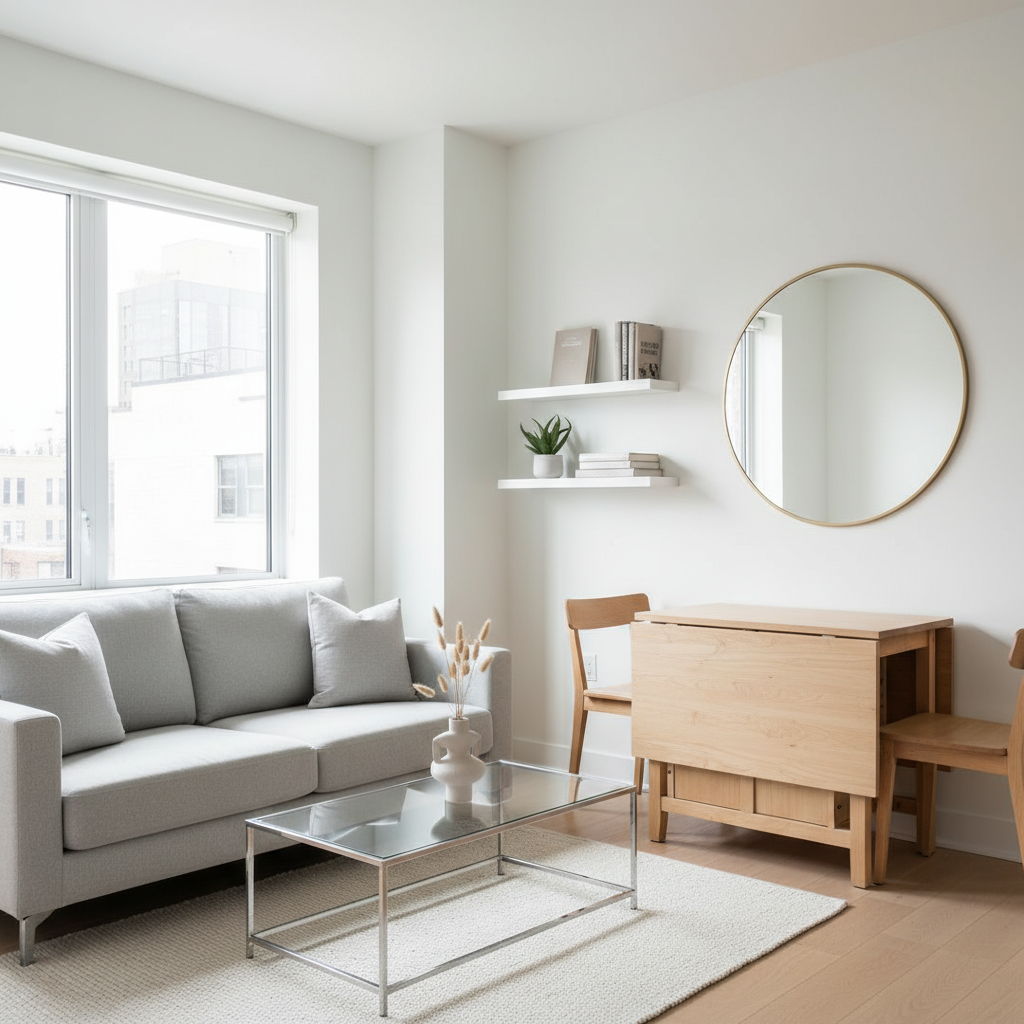
- Extendable Dining Tables: Perfect for those who enjoy entertaining but don’t have space for a large table permanently. Many modern designs cleverly fold down or extend with hidden leaves.
- Coffee Tables with Lift Tops: These can convert into a workspace or a dining surface, often revealing hidden storage underneath.
Vertical Living: Walls as Storage and Display
When floor space is at a premium, look up! Vertical space is often an underutilized asset in small urban homes.
- Floor-to-Ceiling Shelving: Open or closed shelving units that span the height of your walls draw the eye upward, making the room feel taller, and provide immense storage and display opportunities.
- Wall-Mounted Desks and Tables: Floating desks or tables that fold down from the wall save precious floor space when not in use.
- Pegboards and Rail Systems: These are fantastic for kitchens, entryways, or home offices, allowing you to hang utensils, tools, coats, or even small plants, keeping surfaces clear.
- Picture Ledges: A stylish way to display art or small decorative items without requiring bulky furniture.
Built-In Solutions for Seamless Integration
Custom built-ins are an investment that pays dividends in functionality and aesthetic appeal, creating a streamlined and cohesive look in small urban homes.
- Integrated Wardrobes and Cabinets: Designed to fit specific nooks and crannies, built-in storage makes the most of awkward spaces, providing ample room for clothing, linens, and more, often blending seamlessly with the wall for a minimalist finish.
- Window Seating with Storage: A beautiful way to create a cozy reading nook or extra seating, with hidden drawers or lift-up tops for storage underneath.
- Murphy Beds: The ultimate space-saver for sleeping areas, these beds fold up into a wall cabinet when not in use, completely freeing up the room for other activities.
- Built-in Desks or Nooks: Tucking a small workstation into an alcove or a specially designed wall unit can create a functional home office without encroaching on living areas.
The Illusion of Space: Light, Color, and Mirrors
Clever manipulation of light, color, and reflective surfaces can dramatically alter the perception of space, making a small room feel much more expansive and airy than its actual dimensions.
Harnessing Natural Light
Natural light is a small home’s best friend. Maximize its presence to brighten and open up your space.
- Keep Windows Unobstructed: Avoid heavy drapes or blinds. Opt for sheer curtains, roller blinds, or nothing at all if privacy allows.
- Reflective Surfaces Near Windows: Position mirrors or glossy furniture opposite windows to bounce natural light deeper into the room.
- Clean Windows Regularly: It sounds simple, but clean windows let in significantly more light.
Strategic Lighting Design
Beyond natural light, well-planned artificial lighting is crucial for ambiance and functionality in compact urban homes.
- Layered Lighting: Combine ambient (general), task (focused), and accent (decorative) lighting. Use dimmers to control intensity and mood.
- Recessed and Track Lighting: These options don’t take up floor or table space, offering clean, modern lines and versatile illumination.
- Wall-Mounted Fixtures: Sconces or floating lamps free up floor space and add a sophisticated touch.
- Uplighting: Floor lamps that direct light upwards can make ceilings appear higher.
The Magic of Mirrors
Mirrors are a designer’s secret weapon for making small spaces feel larger and brighter.
- Strategically Placed Mirrors: A large mirror leaning against a wall or mounted across from a window can visually double the room and reflect light.
- Mirrored Furniture: Coffee tables, dressers, or cabinet doors with mirrored finishes add sparkle and reflect light, making the piece itself seem less imposing.
- Gallery Walls with Mirrors: Incorporate mirrors of various sizes into a gallery wall for an eclectic look that also enhances light.
Color Palettes for Compact Spaces
The right colors can open up a small room, making it feel fresh and inviting.
- Light and Neutral Tones: Whites, off-whites, pastels, and light greys reflect light, creating a sense of openness and airiness. They also provide a versatile backdrop for any decor style.
- Monochromatic Schemes: Using varying shades of the same color can create depth and sophistication without overwhelming a small space.
- Accent Walls (Used Sparingly): A single accent wall in a deeper or bolder color can add personality and visual interest, but too many dark walls can make a small room feel enclosed.
- Consistent Color Flow: Painting adjacent rooms or hallways in similar light tones helps create a seamless flow, making the entire home feel more connected and spacious.
Material Choices and Textural Play
The materials you choose significantly impact the perception of space and the overall feel of your small urban home. Modern design often favors clean lines and thoughtful material selection to enhance functionality and aesthetics.
Reflective Surfaces and Sleek Finishes
Materials that bounce light around contribute to an open and airy atmosphere.
- Glass and Acrylic: Coffee tables, shelving, or partitions made of glass or clear acrylic are visually light, allowing sightlines to extend and making the room feel less cluttered.
- Glossy Finishes: High-gloss paint on walls or furniture, polished metal accents, and lacquered surfaces reflect light, adding a sense of luxury and space.
- Tiles and Polished Concrete: For flooring or backsplashes, these materials offer a sleek, modern look and are easy to maintain, reflecting light beautifully.
Incorporating Texture for Depth
While light colors and reflective surfaces create openness, texture adds warmth, interest, and depth, preventing a small space from feeling sterile.
- Natural Fibers: Think linen, wool, cotton, and jute for rugs, throws, and upholstery. These add softness and organic appeal.
- Wood Accents: Incorporate wood through furniture pieces, decorative bowls, or picture frames. Lighter wood tones like birch or pale oak are often preferred in small spaces.
- Textured Walls: Subtle wallpaper with a tactile finish or a feature wall with brick veneer can add character without overwhelming the space.
Sustainable and Space-Conscious Materials
Modern design often aligns with sustainability. Choosing materials that are durable, eco-friendly, and lightweight can be beneficial for small urban homes.
- Bamboo: A fast-growing, renewable resource, bamboo is excellent for flooring, furniture, and blinds, offering a natural and contemporary look.
- Recycled Content: Look for textiles, counter-tops, or decorative items made from recycled materials, which often come in sleek, modern finishes.
- Lightweight Metals: Aluminum or hollow steel are good choices for furniture frames, offering strength without visual bulk.
Flow and Openness: Redefining Layouts
The way you arrange your home and the perception of movement within it are crucial for small urban living. Open concepts and strategic zoning can make a space feel far more inviting and functional.
Open-Concept Living for Urban Dwellings
Combining living, dining, and kitchen areas into one fluid space is a hallmark of modern small home design.
- Benefits: This eliminates visual barriers, allowing light to travel freely and creating a more social environment. It also makes the overall footprint feel larger.
- Challenges: Can sometimes lack defined zones or feel cluttered if not managed well.
Defining Zones Without Walls
In an open-concept space, you still need to delineate areas for different activities without building new walls.
- Area Rugs: A well-placed rug can anchor a living room seating arrangement or define a dining area.
- Furniture Placement: Use the back of a sofa or a console table to subtly separate a living area from a dining or entry space.
- Low Shelving Units: A waist-high or open-back bookshelf can provide a gentle division while still allowing light and sightlines to pass through.
- Lighting: Different lighting fixtures (e.g., a pendant over the dining table, a floor lamp in the living room) can help designate zones.
Sliding Doors and Dividers
When you do need separation, consider alternatives to traditional swing doors.
- Sliding Barn Doors: A stylish and space-saving alternative, these don’t require the swing clearance of a regular door.
- Pocket Doors: These disappear into the wall, offering complete privacy when needed and disappearing entirely when openness is desired.
- Room Dividers: Modern, lightweight screens, sheer curtains, or even large plants can provide a soft, flexible division without making the space feel closed off.
Clever Storage: Where Everything Has Its Place
Clutter is the enemy of small spaces. Implementing smart and often hidden storage solutions is vital for maintaining a clean, organized, and tranquil environment in your small urban home. A well-organized space not only looks better but also functions more efficiently. For more clever ideas, you might find inspiration from this Apartment Therapy guide on smart small apartment decorating.
Under-Utilized Spaces: The Hidden Gems
Look beyond eye level for untapped storage potential.
- Under-Bed Storage: Beds with built-in drawers or risers that allow for storage bins underneath are invaluable for linens, seasonal clothing, or extra bedding.
- Toe-Kick Drawers: In kitchens or bathrooms, the space at the bottom of cabinets can be fitted with shallow drawers for trays, cutting boards, or cleaning supplies.
- Behind-the-Door Organizers: Over-the-door hooks or pocket organizers are perfect for shoes, toiletries, or pantry items.
- Staircase Storage: If your urban home has stairs, consider drawers built into the risers or a closet underneath.
Custom Cabinetry and Integrated Storage
Tailored solutions make the most of every dimension.
- Wall-to-Wall, Floor-to-Ceiling Built-ins: Maximizes storage capacity and creates a streamlined look, often making the room feel larger by eliminating visual breaks.
- Kitchen Island with Storage: A central island can provide extra counter space, a dining area, and multiple drawers and cabinets.
- Integrated Bathroom Vanity: A wall-mounted vanity with drawers keeps the floor clear and provides essential storage.
Smart Storage Gadgets
Modern innovations offer ingenious ways to organize.
- Drawer Dividers and Organizers: Essential for keeping cutlery, socks, or office supplies tidy and easy to find.
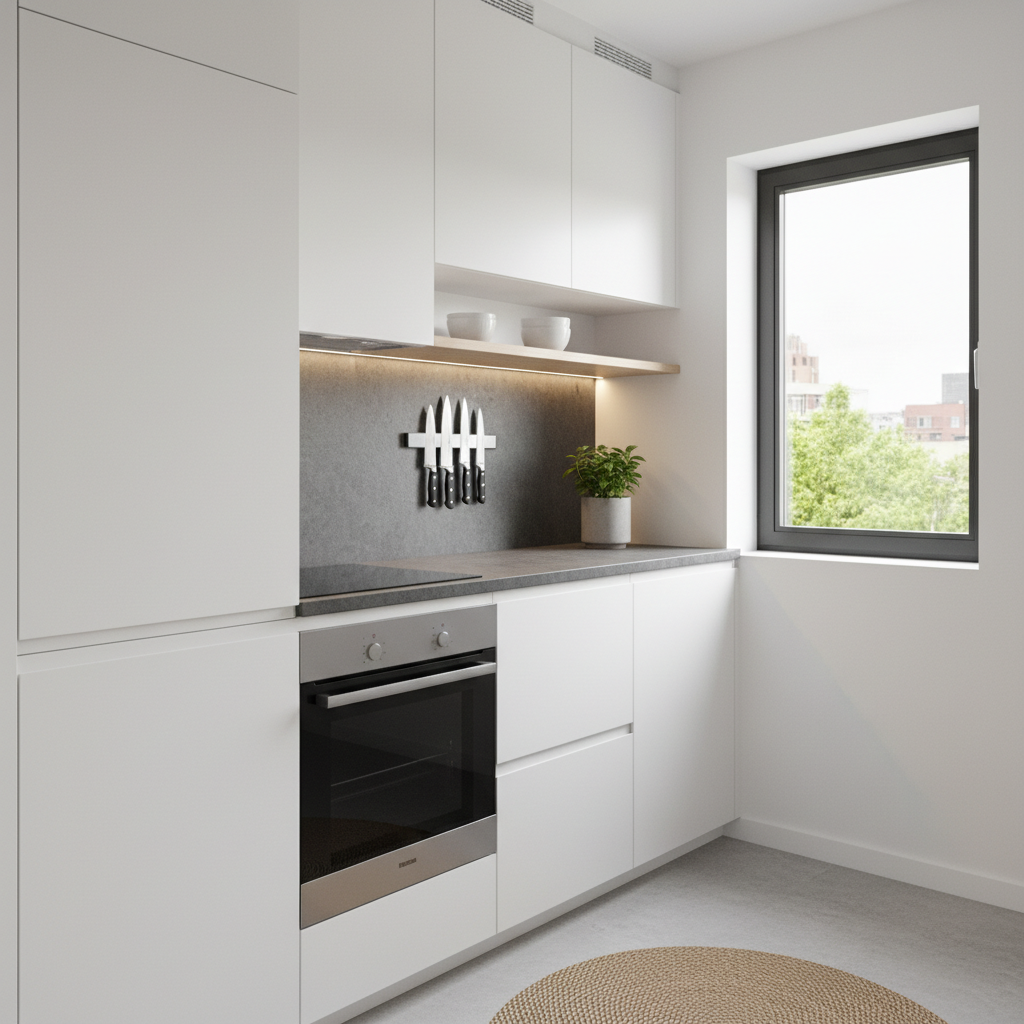
- Magnetic Strips: For knives in the kitchen or tools in a utility closet, freeing up drawer space.
- Roll-Out Pantry Shelves: Makes accessing items at the back of deep cabinets much easier.
- Stackable Bins and Containers: Ideal for closets, pantries, or under-sink storage to optimize vertical space.
Bringing the Outside In: Greenery and Balconies
Even the smallest urban dwelling can benefit from a connection to nature. Integrating greenery and maximizing any outdoor space available can significantly enhance well-being and visual appeal.
Urban Jungles: Indoor Plants
Plants bring life, color, and freshness to any indoor space.
- Vertical Gardens and Green Walls: Use wall-mounted planters or modular systems to create a living wall, saving floor space while adding a dramatic natural element.
- Hanging Planters: Suspend plants from the ceiling or wall brackets to add greenery at different heights without cluttering surfaces.
- Strategically Placed Pots: Choose slender, tall plants that draw the eye upward or small succulents and herbs for windowsills and shelves.
- Air-Purifying Plants: Select plants like snake plants, peace lilies, or ZZ plants that also help improve indoor air quality.
Balcony Bliss: Extending Your Living Space
If you have a balcony, no matter how small, treat it as an extension of your indoor living area.
- Compact Outdoor Furniture: Look for bistro sets, foldable chairs, or built-in benches that fit snugly and can be tucked away.
- Container Gardening: Grow herbs, flowers, or small vegetables in pots and window boxes. Consider vertical planters for maximum greenery.
- Outdoor Lighting: String lights, lanterns, or solar-powered lamps can create a cozy and inviting ambiance for evening relaxation.
- Privacy Screens: Use bamboo screens, trellises with climbing plants, or even outdoor curtains to create a secluded oasis.
Vertical Gardens and Green Walls (Detailed)
These aren’t just for outdoor spaces; they can be stunning indoor features too.
- Modular Systems: Easy to install and expand, these allow you to create a living wall tailored to your space.
- Hydroponic Systems: For a truly modern touch, consider a hydroponic system for growing herbs or small vegetables indoors, which also adds a unique aesthetic.
- Benefits: Besides beauty, living walls can improve air quality, reduce noise, and even help regulate indoor temperatures.
Tech-Savvy Living: Integrating Smart Home Solutions
Modern home design ideas for small urban homes often embrace technology not just for convenience, but also for optimizing space, energy efficiency, and security.
Automating Comfort and Efficiency
Smart home devices can streamline daily routines and enhance the living experience.
- Smart Lighting: Dimmable, color-changing bulbs controlled by an app or voice assistant allow you to set the mood, save energy, and even mimic natural light cycles.
- Smart Thermostats: Optimize heating and cooling, learning your preferences and adjusting automatically to save energy and ensure comfort.
- Automated Blinds and Curtains: Control light and privacy with the touch of a button or a scheduled routine, perfect for hard-to-reach windows.
- Smart Plugs: Turn any regular appliance into a smart device, allowing you to control lamps, fans, or chargers remotely.
Space-Saving Tech Integrations
Technology can also directly help in managing space and reducing clutter.
- Wireless Charging Stations: Built into furniture or hidden beneath surfaces, these eliminate the need for unsightly cables and multiple chargers.
- Wall-Mounted TVs and Soundbars: Frees up floor space that would otherwise be taken by entertainment units.
- Integrated Speakers: Ceiling-mounted or built-in speakers provide high-quality audio without visible equipment.
- Smart Appliances: Compact and multi-functional appliances (e.g., combination washer-dryers, air fryer ovens) save space in the kitchen and laundry areas.
Personalizing Your Compact Sanctuary
Even with a focus on functionality and space-saving, your small urban home should reflect your unique personality and style. Modern design embraces minimalism with warmth, ensuring your home feels like a true sanctuary.
Curated Decor: Less is More
In a small space, every decorative item has an amplified impact. Choose wisely.
- Quality over Quantity: Invest in a few meaningful, high-quality pieces rather than many inexpensive ones.
- Cohesive Color Palette: Stick to a limited color palette for decor to maintain a sense of calm and visual unity.
- Meaningful Art: A large piece of art can make a powerful statement without adding clutter. Alternatively, a gallery wall of smaller pieces, thoughtfully arranged, can add personality.
- Declutter Regularly: Embrace a minimalist mindset. Regularly purge items you don’t use or love to keep your space fresh and inviting.
Embracing Minimalism with Personality
Minimalism doesn’t have to mean stark or cold. It’s about intentional living.
- Texture and Layers: Use different textures in throws, pillows, and rugs to add warmth and depth without adding visual clutter.
- Personal Touches: Display a few treasured photos, souvenirs, or books that tell your story.
- Fragrance: Use candles, diffusers, or fresh flowers to add an inviting scent, enhancing the sensory experience of your home.
- Greenery: As mentioned, plants add life and color, contributing to a vibrant, personalized feel.
Conclusion
Designing modern home design ideas for small urban homes is an exciting endeavor that challenges conventional thinking and fosters innovation. By embracing multi-functional furniture, optimizing vertical space, harnessing the power of light and color, and integrating smart technology, you can create a compact dwelling that feels surprisingly spacious, incredibly stylish, and perfectly tailored to your urban lifestyle. Remember, a smaller footprint doesn’t mean compromising on comfort or beauty; it simply means being more intentional and creative with every decision. Your urban oasis awaits!
FAQ: Modern Home Design for Small Urban Homes
Q1: How do I make a small urban home feel bigger and more open?
A1: Focus on maximizing natural light by keeping windows unobstructed and using sheer curtains. Employ light, neutral color palettes for walls and major furniture pieces, as these reflect light and create an airy feel. Strategically place large mirrors to reflect light and visually double the space. Utilize multi-functional furniture and built-in storage to minimize clutter and free up floor space. Open-concept layouts also help create a continuous flow.
Q2: What kind of furniture is best for compact urban homes?
A2: Multi-functional furniture is key. Look for sofa beds, ottomans with storage, nesting tables, extendable dining tables, and coffee tables with lift tops. Wall-mounted shelves and desks, as well as Murphy beds, are excellent for saving floor space. Choose pieces with clean lines and lighter profiles to avoid visual bulk, and consider items made of glass or acrylic for a less imposing presence.
Q3: What colors are best for small spaces to make them feel less cramped?
A3: Light and neutral colors are highly recommended. Whites, off-whites, pale greys, and soft pastels reflect the most light, making a room feel more expansive and brighter. Monochromatic schemes (using different shades of one color) can also add depth without making the space feel busy. If you want to use a darker or bolder color, consider it for a single accent wall or smaller decorative elements.
Q4: How can I add personality to a small apartment without creating clutter?
A4: Embrace a “less is more” philosophy. Choose a few curated, meaningful decorative items rather than many small trinkets. Invest in a large, impactful piece of art or a well-designed statement rug. Incorporate textures through throws, pillows, and natural materials to add warmth and depth. Use indoor plants to bring life and color, and consider a unique lighting fixture as a focal point. Regular decluttering is also essential to maintain a fresh, personal, and uncluttered feel.
Q5: Are open-concept layouts always the best for small homes, or are there downsides?
A5: Open-concept layouts are generally excellent for small urban homes as they promote a sense of spaciousness, allow light to flow freely, and encourage social interaction. However, they can sometimes lack clear definition for different activities, leading to a less cozy feel or a tendency for clutter to spread. To mitigate this, define zones using area rugs, strategic furniture placement, or low shelving units. Consider sliding doors or elegant room dividers for instances when privacy or separation is desired without fully closing off the space.