The Hidden Culprits: What Causes Sticky and Damp Indoor Air?
The feeling of stickiness or dampness in your home is primarily due to an abundance of moisture in the air. Relative humidity (RH) measures the amount of water vapor in the air compared to the maximum amount it can hold at a given temperature. When RH levels climb too high, typically above 60%, the air starts to feel heavy, and moisture condenses on cooler surfaces, leading to that undesirable sticky sensation. Several factors contribute to these elevated humidity levels:
Environmental and Structural Contributors
- Geographic Location and Climate: Homes in naturally humid climates, especially coastal regions or areas with frequent rainfall, are more susceptible to high indoor humidity. Warm air can hold more moisture, so hot, humid summers are a prime time for this issue.
- Poor Ventilation: Inadequate airflow prevents moist air from escaping and fresh, drier air from entering. This is particularly common in modern, tightly sealed homes designed for energy efficiency, which can inadvertently trap humidity indoors if not properly ventilated.
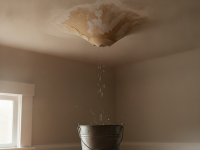
- Water Leaks and Seepage: Even small, unnoticed leaks from plumbing, a leaky roof, or foundation cracks can introduce significant amounts of moisture into your home’s structure. Basements and crawl spaces are especially prone to moisture intrusion from the ground.
- Ineffective or Oversized HVAC Systems: An air conditioning unit that is too large for your space might cool the air too quickly without adequately removing humidity, leading to short cycling and leaving the air feeling sticky. Older or poorly maintained systems may also struggle with dehumidification.
- Insufficient Insulation: Poor insulation can lead to temperature differentials between indoor and outdoor air, causing condensation to form on walls, windows, and pipes, which then contributes to overall humidity.
Everyday Household Activities That Add Moisture
- Cooking: Boiling water, simmering sauces, and even using a dishwasher without proper ventilation releases steam and moisture into the air.
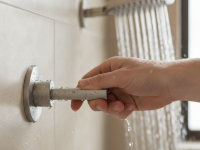
- Showering and Bathing: Hot showers and baths produce large amounts of steam. Without an exhaust fan or open window, this moisture quickly disperses throughout your home.
- Laundry: Washing and especially drying clothes indoors, particularly on racks, releases water vapor as the clothes dry. Unvented clothes dryers are a major culprit.
- Indoor Plants: While beneficial for air quality, plants release moisture through a process called transpiration. A large collection of indoor plants can contribute to elevated humidity.
- Humidifiers: Ironically, overuse or improper use of humidifiers, especially during seasons when they aren’t necessary, can push indoor humidity levels too high.
- Pet Aquariums: Large fish tanks and terrariums release water vapor into the surrounding environment.
More Than Just Discomfort: Why High Indoor Humidity is a Problem
The feeling of a sticky indoor environment is just the tip of the iceberg. Persistent high humidity poses numerous risks to your health, comfort, and the longevity of your home.
Comfort and Health Concerns
- Sticky Skin and Discomfort: High humidity prevents sweat from evaporating effectively from your skin, making you feel hotter and stickier than the actual temperature indicates. This leads to general discomfort, especially during sleep.
- Allergies and Asthma Flare-ups: Mold, mildew, and dust mites thrive in damp environments. High humidity creates an ideal breeding ground for these allergens, exacerbating symptoms for individuals with allergies, asthma, or other respiratory conditions.
- Respiratory Issues: Exposure to mold spores and other airborne irritants can lead to coughing, wheezing, congestion, and even more severe respiratory problems over time.
- Sleep Disturbances: The discomfort of sticky, heavy air can make it difficult to fall asleep and stay asleep, leading to fatigue and reduced overall well-being.
- Increased Odors: Damp environments often develop a distinct musty smell due to the presence of mold and mildew, which can permeate fabrics and furniture.
Damage to Your Home and Belongings
- Mold and Mildew Growth: This is arguably the most significant risk. Mold can grow on almost any surface, including walls, ceilings, carpets, furniture, and clothing, leading to discoloration, structural damage, and health hazards.
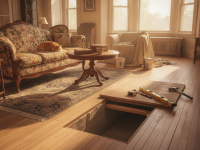
- Wood Damage: Excess moisture can cause wood floors to warp, buckle, or swell. Wooden furniture, cabinets, and structural elements can also suffer damage, including rot and pest infestations.
- Peeling Paint and Wallpaper: High humidity can cause paint to peel, blister, or crack, and wallpaper to bubble or lift away from walls.
- Corrosion and Rust: Metal objects, electronics, and even appliance components can rust and corrode in consistently damp conditions, shortening their lifespan.
- Musty Odors: Beyond health risks, the pervasive musty smell associated with mold and mildew can make your home feel unclean and unwelcoming.
Effective Strategies to Combat Sticky and Damp Indoor Air
Fortunately, there are many proactive steps you can take to control indoor humidity and transform your home into a fresh, comfortable oasis. Achieving optimal indoor humidity levels, typically between 30% and 50% relative humidity, is key.
Enhance Your Home’s Ventilation
- Open Windows and Doors: On dry days, especially when outdoor humidity is lower than indoors, open windows and doors to create cross-ventilation and allow stale, moist air to escape.
- Utilize Exhaust Fans: Always use exhaust fans in bathrooms during showers and for at least 15-20 minutes afterward. In the kitchen, use range hoods while cooking to vent steam and odors outside. Ensure these fans are properly vented to the exterior, not into attics or wall cavities.
- Consider Whole-House Ventilation: For tightly sealed homes, a whole-house ventilation system like an Energy Recovery Ventilator (ERV) or Heat Recovery Ventilator (HRV) can bring in fresh air while exhausting stale air and managing humidity levels efficiently.
Invest in a Dehumidifier
A dehumidifier is a highly effective tool for directly removing excess moisture from the air.
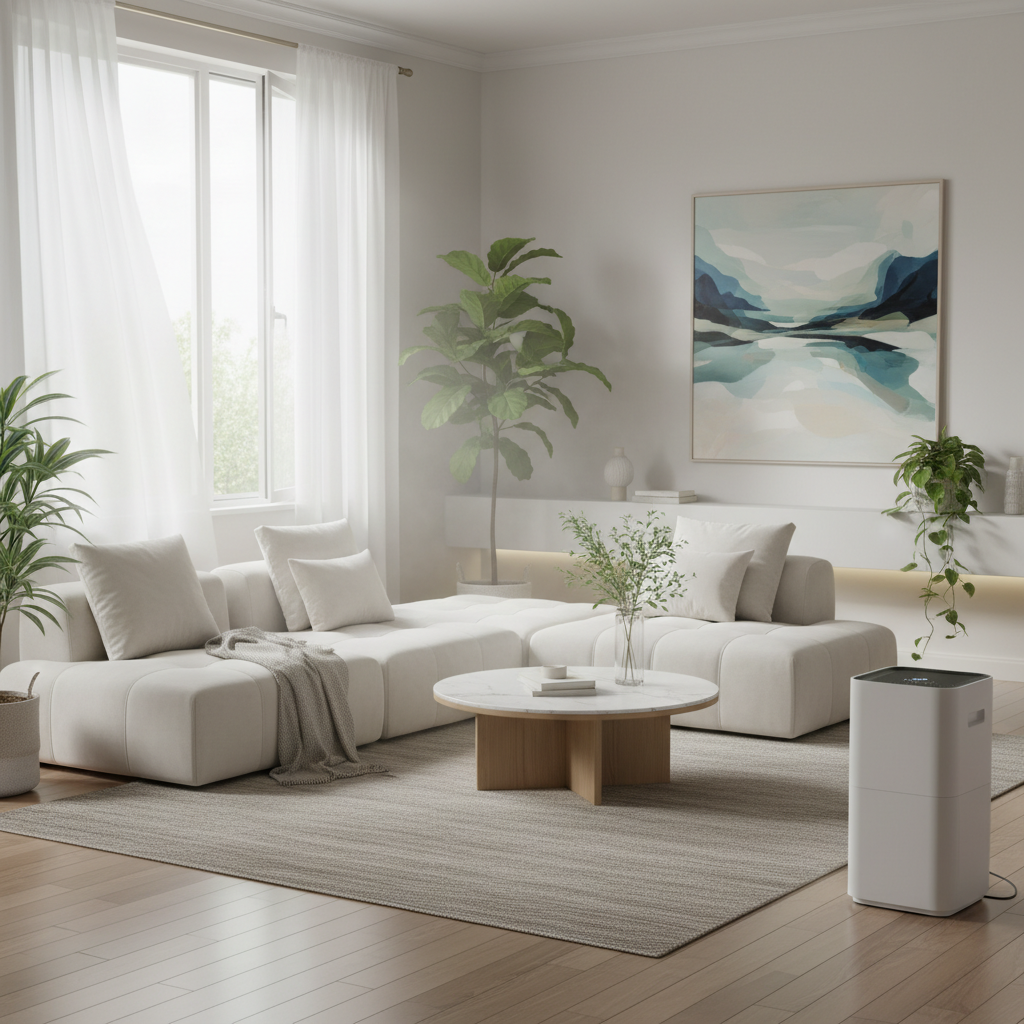
- Portable Dehumidifiers: Ideal for specific problem areas like damp basements, bedrooms, or small apartments. Choose a unit sized appropriately for the square footage of the space.
- Whole-House Dehumidifiers: For persistent whole-home humidity issues, a whole-house dehumidifier can be integrated into your existing HVAC system, providing comprehensive humidity control throughout your entire home.
- Placement and Maintenance: Place portable units in areas with the highest humidity. Empty the water reservoir regularly or connect it to a drain for continuous operation. Clean the filters as recommended by the manufacturer.
Optimize Your HVAC System
- Regular Maintenance: Ensure your air conditioning unit is serviced annually. A well-maintained AC system is more efficient at both cooling and dehumidifying. Check and replace air filters regularly.
- Consider a High-Efficiency AC or Variable Speed Unit: Newer AC units, especially those with variable-speed technology, are better at removing humidity because they can run at lower speeds for longer durations, enhancing dehumidification without overcooling.
- Programmable Thermostat: Use a programmable or smart thermostat to set appropriate temperatures and humidity limits, allowing your system to maintain desired conditions even when you’re away.
Address Direct Moisture Sources
- Fix Leaks Promptly: Inspect your plumbing, roof, and foundation regularly for leaks and repair them immediately. Even small leaks can contribute significantly to humidity.
- Seal Cracks and Gaps: Seal cracks around windows, doors, and foundation walls to prevent outdoor moisture from entering your home.
- Vent Appliances Outdoors: Ensure clothes dryers are properly vented to the outside and that the vent hose is free of kinks or blockages. Avoid using unvented gas heaters, which release moisture as a byproduct of combustion.
- Manage Indoor Plants: If you have many indoor plants, consider grouping them near a window you can open occasionally, or place them in well-ventilated areas. Avoid overwatering.
- Proper Shower Habits: Take shorter, cooler showers. Wipe down shower walls and doors after use to reduce lingering moisture.
- Crawl Space and Basement Solutions: If you have a damp crawl space, consider encapsulating it with a vapor barrier. In basements, use waterproof paint or sealants on walls and floors, and consider a sump pump if water accumulation is an issue.
Landscaping and Exterior Solutions
- Ensure Proper Drainage: Make sure your landscaping slopes away from your home’s foundation to direct rainwater away.
- Clean and Maintain Gutters: Clogged gutters can cause water to overflow and pool around your foundation, potentially leading to leaks and increased indoor humidity.
Smart Home Solutions
Modern technology offers convenient ways to monitor and control humidity:
- Smart Humidity Sensors: These devices can track humidity levels in different rooms and integrate with smart thermostats or dehumidifiers to automatically adjust settings.
- Smart Thermostats: Many modern thermostats include humidity sensors and can be programmed to trigger your HVAC system or a connected dehumidifier when humidity exceeds a set threshold.
Proactive Steps to Prevent Future Humidity Problems
Prevention is always better than cure. By incorporating these habits, you can keep your indoor air feeling fresh and balanced year-round.
- Regular Home Inspections: Periodically check your home for signs of moisture, leaks, or potential entry points for humidity. Pay attention to basements, attics, and areas around plumbing.
- Choosing Humidity-Resistant Materials: When renovating or building, consider using materials that are less prone to mold growth or moisture damage, especially in high-humidity areas like bathrooms and kitchens.
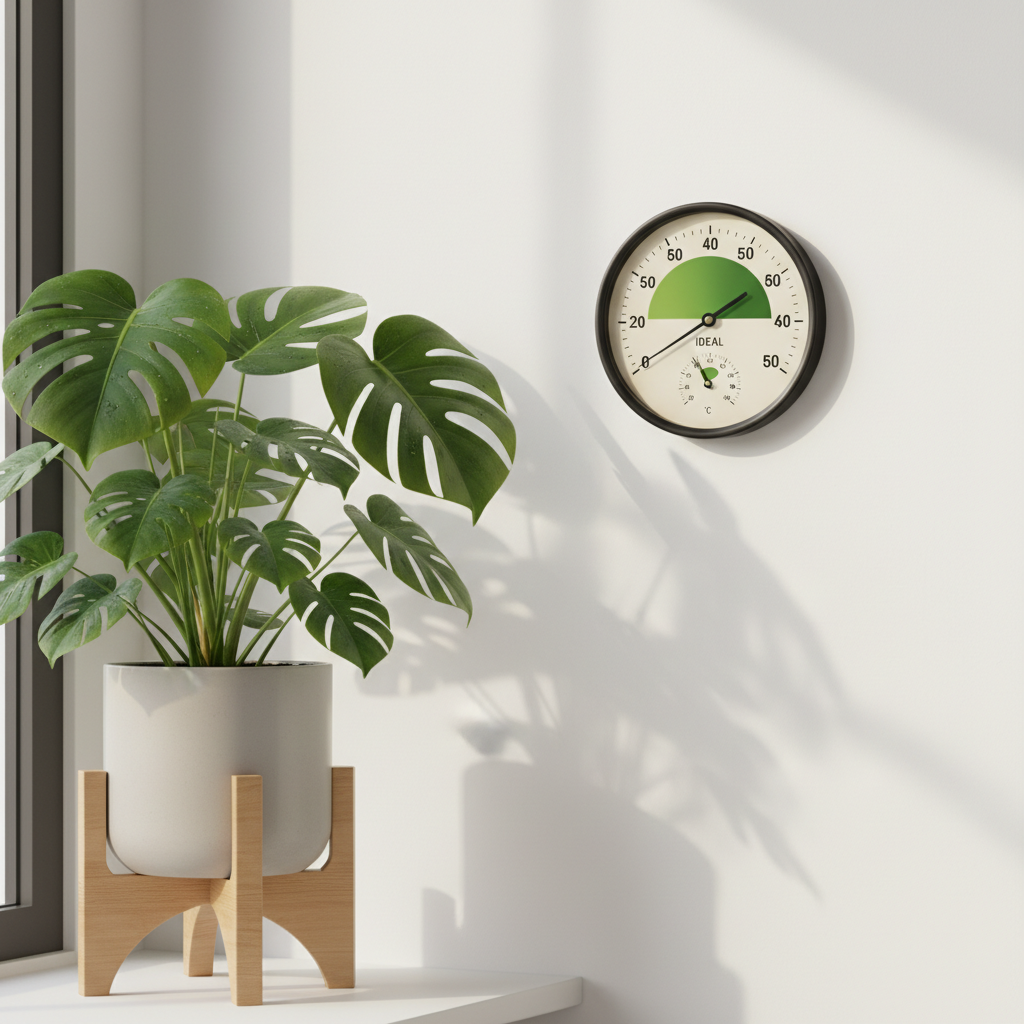
- Monitoring Indoor Humidity Levels: Invest in a hygrometer, a small device that measures relative humidity. Place them in different rooms to keep an eye on levels and ensure they stay within the healthy 30-50% range. For additional strategies and insights on managing moisture, Better Homes & Gardens offers practical tips for maintaining optimal indoor humidity levels.
When to Call a Professional
While many humidity problems can be tackled with DIY solutions, some situations warrant professional expertise:
- Persistent High Humidity: If you’ve tried various solutions and still experience consistently high humidity levels.
- Visible Mold Growth: For large areas of mold (more than 10 square feet), it’s best to call a professional mold remediation specialist.
- Structural Water Damage: If you suspect issues with your roof, foundation, or significant plumbing leaks, a qualified contractor, plumber, or structural engineer should be consulted.
- HVAC System Issues: For problems with your air conditioning or ventilation systems that go beyond simple filter changes, an HVAC technician can diagnose and repair them.
Conclusion
Indoor air that feels sticky and damp is more than just an annoyance; it’s a signal that your home’s humidity levels are out of balance, posing potential threats to comfort, health, and property. By understanding the common causes and implementing effective strategies—from improving ventilation and using dehumidifiers to addressing moisture sources and conducting regular maintenance—you can regain control over your indoor environment. Prioritizing humidity control ensures a home that is not only more comfortable and pleasant but also healthier and more durable for years to come.
Frequently Asked Questions About Indoor Humidity
What is the ideal indoor humidity level?
The ideal indoor humidity level typically ranges between 30% and 50% relative humidity. This range is optimal for human comfort, health, and preventing the growth of mold, mildew, and dust mites.
Can houseplants cause high humidity?
Yes, houseplants release moisture into the air through a process called transpiration. While a few plants are unlikely to cause significant humidity issues, a large collection, especially in a poorly ventilated space, can contribute to elevated indoor humidity levels.
Does turning on the AC reduce humidity?
Yes, air conditioning systems cool the air by removing heat and also remove moisture as a byproduct of the cooling process. As warm, humid air passes over the cold evaporator coils, water vapor condenses into liquid, which is then drained away. However, an oversized AC unit might cool too quickly without sufficient dehumidification, leading to a sticky feeling even with the AC on.
How can I tell if I have mold?
Visible mold typically appears as fuzzy or slimy patches in shades of black, green, brown, or white. You might also detect a distinct musty, earthy odor. Common places to check include bathrooms, kitchens, basements, around windows, and anywhere moisture may accumulate.
Are portable dehumidifiers effective for a whole house?
Portable dehumidifiers are generally most effective for single rooms or localized problem areas, such as a damp basement or a specific bedroom. For whole-house humidity control, especially in larger homes or persistently humid climates, a whole-house dehumidifier integrated into your HVAC system is usually a more efficient and comprehensive solution.