What Exactly is an Air Handler?
Before diving into the specifics of overheating, it’s important to understand the role of your air handler. Often mistaken for the entire HVAC system, the air handler is a key indoor unit that circulates conditioned air throughout your home. It typically houses several critical components:
- Blower Motor: This powerful fan pulls air from your home through the return ducts and pushes it over the coils and out through the supply ducts.
- Evaporator Coil (Cooling): For air conditioning, refrigerant flows through this coil, absorbing heat from the passing air, thus cooling your home.
- Heating Coil (Heating): In heat pump systems, this coil acts as a condenser to release heat into the air; in furnace systems, it’s replaced by a heat exchanger.
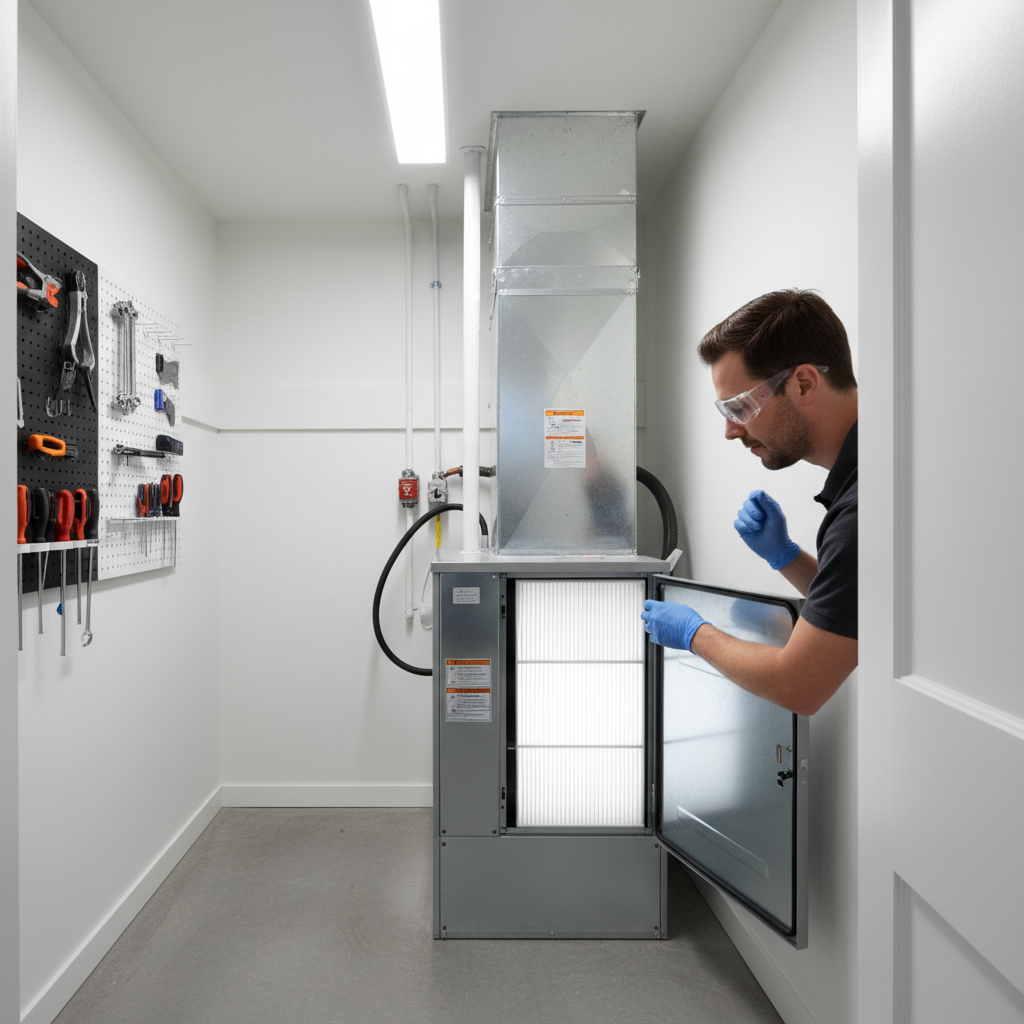
- Air Filter: Positioned before the coils and blower, the filter captures dust, pollen, and other airborne particles to protect your system and improve indoor air quality.
Essentially, the air handler is responsible for moving air, either heated or cooled, to every corner of your living space. Any disruption to its operation can quickly lead to noticeable discomfort and potential system damage.
Signs Your Air Handler is Overheating
Recognizing the symptoms of an air handler overheating early can prevent more extensive damage or safety hazards. Pay close attention to these indicators:
Unusual Noises
Your air handler typically operates with a consistent, relatively quiet hum. Any deviation from this can be a red flag.
- Grinding or Squealing: These sounds often point to issues with the blower motor’s bearings, which can seize up due to lack of lubrication or wear, causing friction and heat.
- Buzzing or Humming: While some humming is normal, an excessive buzzing sound, especially when the unit struggles to start, could indicate an electrical problem, such as a faulty capacitor or a motor drawing too much power.
- Rattling: Loose parts or debris inside the unit can cause rattling. If these come into contact with moving components, they can create friction and heat.
Burning Smell
This is perhaps the most alarming symptom and should never be ignored.
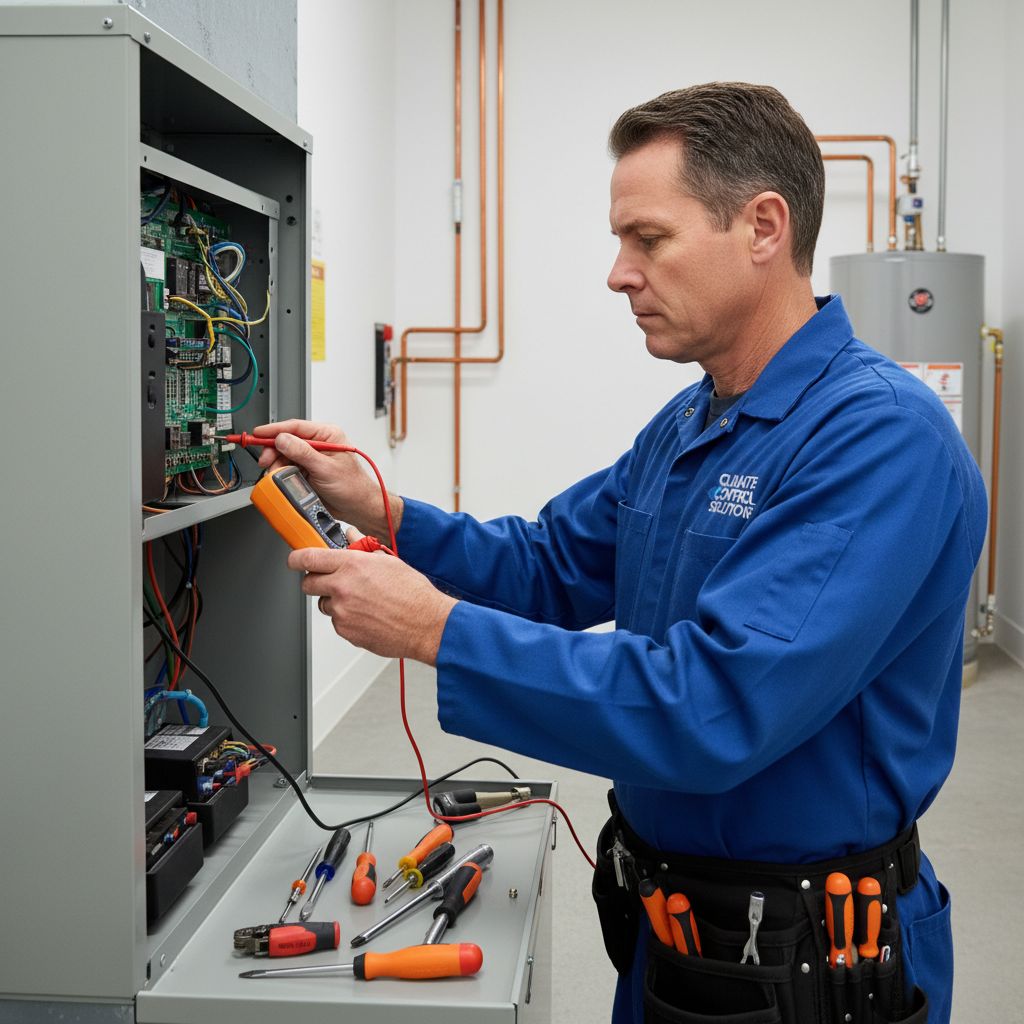
- Electrical Burning Smell: A pungent, acrid smell similar to burning plastic or rubber is a clear sign of an electrical component overheating, such as wiring, the motor, or the control board. This is a fire hazard and requires immediate attention.
- Dusty Burning Smell: If your system has been off for a while, a mild burning smell when it first starts up might just be dust burning off the heating elements. However, if the smell persists, it could indicate dust buildup on the motor itself, which can lead to overheating.
If you detect any burning odor, turn off your HVAC system immediately at the thermostat and the circuit breaker.
Reduced Airflow or No Airflow
The air handler’s primary job is to move air. If it’s struggling, you’ll notice:
- Weak Air from Vents: Air barely trickling out of your supply registers indicates a significant airflow restriction or a struggling blower motor.
- No Air Movement: If no air is coming out at all, the blower motor may have completely failed or there’s a severe blockage. The motor could be overheating from trying to push air through a non-existent path.
Thermostat Issues
Your thermostat might signal problems related to an overheating air handler:
- System Not Responding: If your air handler overheats and trips a safety switch, the thermostat won’t be able to turn the system back on.
- Incorrect Temperature Readings: While less direct, an overworked air handler can sometimes indirectly affect temperature sensors, leading to inaccurate readings.
- Frequent Cycling On and Off (Short Cycling): An overheating unit may repeatedly turn off due to internal safety mechanisms designed to prevent damage, only to try and restart once it cools slightly, leading to short cycling.
No Cool Air or Inadequate Heating
If the blower motor is working inefficiently due to overheating, it won’t be able to effectively distribute conditioned air. This results in:
- Warm Air When Cooling: The air handler might not be moving enough air over the evaporator coil, reducing its ability to transfer heat.
- Lukewarm Air When Heating: Similarly, insufficient airflow over the heating coil means less heat is distributed throughout your home.
Common Causes of Air Handler Overheating
Several factors can lead to your air handler overheating. Understanding these causes is crucial for proper diagnosis and effective repair.
1. Poor Airflow
This is arguably the most common culprit behind an overheating air handler. When the blower motor struggles to move air, it works harder, generates more heat, and can eventually fail.
- Clogged Air Filters: A dirty or severely clogged air filter is like trying to breathe through a thick blanket. It restricts the amount of air that can pass through the system, forcing the blower motor to labor excessively. This increased strain generates heat, potentially leading to the motor overheating. Regular filter replacement is a simple yet vital maintenance task.
- Blocked Return Vents or Supply Registers: Furniture, rugs, curtains, or even children’s toys can obstruct air vents. If enough vents are blocked, the system’s ability to draw in or push out air is severely hampered, increasing static pressure and motor strain.
- Ductwork Issues:
- Leaky Ducts: Gaps or holes in your ductwork can draw in unconditioned air or lose conditioned air, making the system work harder to maintain temperature.
- Collapsed or Kinked Ducts: Physical damage to the ductwork can create severe bottlenecks, restricting airflow significantly.
- Improperly Sized Ducts: If your ductwork wasn’t sized correctly for your HVAC system, it could perpetually struggle with airflow, leading to chronic strain on the blower motor.
- Closed Dampers: Zoning systems use dampers to control airflow to different areas. If too many dampers are closed simultaneously, it can restrict overall system airflow, similar to blocked vents.
- Dirty Evaporator Coil: Over time, the evaporator coil can accumulate a layer of dirt, dust, and grime, especially if the air filter isn’t changed regularly. This buildup acts as an insulator and airflow obstruction, making heat exchange inefficient and forcing the blower to work harder.
2. Blower Motor Problems
The blower motor itself is a frequent source of overheating issues, as it is a hardworking mechanical component.
- Worn Bearings: Bearings allow the motor’s shaft to spin smoothly. When they wear out, they create friction, which generates heat and often produces grinding or squealing noises. If not addressed, this friction can cause the motor to overheat and seize.
- Faulty Capacitor: The capacitor provides the initial surge of electricity needed to start the blower motor and helps it maintain a consistent speed. A weak or faulty capacitor can cause the motor to struggle during startup or run inefficiently, drawing excessive current and leading to overheating.
- Motor Nearing End of Life: Like any mechanical device, blower motors have a lifespan. As they age, their internal components (windings, insulation, bearings) degrade, making them less efficient and more prone to overheating.
- Dirty Blower Wheel (Squirrel Cage): The blower wheel, often called a squirrel cage, is responsible for moving air. If it accumulates excessive dust and debris, it becomes imbalanced and less efficient. An unbalanced wheel vibrates excessively, puts strain on the motor and bearings, and reduces airflow, all contributing to overheating.
3. Electrical Issues
Electrical faults are particularly dangerous as they can quickly escalate into fire hazards.
- Frayed or Loose Wiring: Damaged or poorly connected wires can create resistance, leading to excessive heat at the connection point. This can cause insulation to melt and potentially spark a fire.
- Faulty Relays or Contactors: These electrical switches control the flow of power to the motor and other components. A malfunctioning relay can cause the motor to receive an incorrect voltage or remain energized for too long, leading to overheating.
- Overloaded Circuits: If the air handler is on a circuit that is also powering too many other high-demand appliances, the circuit can become overloaded. This can trip the circuit breaker, but if the breaker itself is faulty, it might allow the system to draw too much current, resulting in wiring and motor overheating.
- Issues with the Control Board: The control board acts as the “brain” of your air handler. A faulty board can send incorrect signals to the blower motor or other components, causing them to operate abnormally and overheat.
- Malfunctioning Thermostat Wiring: While the thermostat itself is often in a different location, its wiring connects directly to the air handler’s control board. Faulty thermostat wiring can cause the air handler to run continuously or erratically, leading to motor strain and overheating.
4. Refrigerant Problems (Indirectly)
While refrigerant issues directly affect the cooling coil, they can indirectly contribute to an air handler overheating by increasing the workload on the system.
- Low Refrigerant: A refrigerant leak means the system has less coolant to absorb heat. This causes the evaporator coil to become extremely cold, often leading to ice buildup. Ice on the coil acts as a significant airflow obstruction, forcing the blower motor to work harder against restricted airflow and potentially overheat.
- Overcharged Refrigerant: Too much refrigerant can also hinder the system’s efficiency, creating high pressures that stress components and indirectly increase the load on the blower.
5. Mechanical Issues (Less Common in Modern Units)
- Belt Problems: Older air handlers or those in commercial settings might use belts to drive the blower fan. A worn, loose, or misaligned belt can slip, creating friction and heat, and making the motor work harder.
- Lack of Lubrication: While many modern blower motors have sealed bearings that don’t require lubrication, some older models or specific motor types might need periodic oiling. A lack of lubrication in such motors can quickly lead to friction, heat, and bearing failure.
For more detailed insights into common AC problems, which often relate to air handler function, you can consult resources like Good Housekeeping’s guide to common A/C problems.
DIY Troubleshooting Steps (When Safe)
Before calling a professional, there are a few safe steps you can take to diagnose the problem. Remember, if you smell burning or see smoke, immediately turn off the power and call an expert.
- Turn Off the System: At the first sign of overheating (especially a burning smell), switch off your thermostat to the “off” position. If the burning smell is strong or you see sparks/smoke, also turn off the power to your HVAC unit at the circuit breaker.
- Check the Air Filter: This is the easiest and most common fix. Pull out your air filter and inspect it. If it’s dirty and clogged, replace it with a clean one. Make sure to use the correct size and MERV rating for your system.
- Ensure Vents Are Open and Clear: Walk around your home and ensure all supply registers and return air vents are open and not blocked by furniture, rugs, or other obstructions.
- Inspect for Obvious Blockages: With the power OFF, carefully open the access panel to your air handler (if easily accessible and you feel comfortable doing so). Look for any large debris, insulation, or foreign objects that might be obstructing the blower wheel or coils. DO NOT reach inside without first ensuring the power is completely disconnected.
- Reset the Circuit Breaker: If the system isn’t turning on or has short-cycled, a tripped circuit breaker might be the cause. Locate your electrical panel and check the breaker for your HVAC system. Flip it completely off, wait 30 seconds, then flip it back on.
- Check Thermostat Settings: Ensure your thermostat is set to the correct mode (cool/heat) and temperature. Sometimes, incorrect settings can cause the system to behave abnormally.
When to Call a Professional HVAC Technician
While some issues can be DIY fixed, many require the expertise of a qualified HVAC technician. You should call a professional immediately if:
- You detect a strong electrical burning smell or see smoke/sparks.
- You hear loud grinding, metallic scraping, or persistent squealing noises.
- The system repeatedly trips the circuit breaker.
- Your air handler is completely unresponsive after basic troubleshooting.
- You suspect electrical wiring problems, capacitor failure, or motor issues.
- You’ve performed all safe troubleshooting steps, and the problem persists.
- You notice signs of refrigerant leaks (e.g., ice on the coil, oily residue).
Professional technicians have the tools, knowledge, and experience to safely diagnose and repair complex HVAC issues, ensuring your system operates efficiently and safely.
Preventing Air Handler Overheating
Proactive maintenance is your best defense against an overheating air handler and other HVAC problems. Adopting these habits can save you money, extend your system’s life, and prevent emergencies.
- Regular Filter Replacement: This is the easiest and most crucial step. Check your filter monthly and replace it every 1-3 months, or more frequently if you have pets, allergies, or live in a dusty environment.
- Schedule Annual Professional Maintenance: Have a qualified HVAC technician inspect, clean, and tune up your system annually (ideally in the spring for AC and fall for heating). They will clean coils, lubricate motors (if applicable), check electrical connections, inspect refrigerant levels, and identify potential issues before they become major problems.
- Keep Vents and Returns Clear: Ensure no furniture, drapes, or other items block your supply or return air vents. Proper airflow is vital for system health.
- Maintain Clean Surroundings: Keep the area around your indoor air handler clean and free of dust, debris, and clutter. This prevents particles from being drawn into the system.
- Address Minor Issues Promptly: Don’t ignore unusual noises, smells, or performance dips. A small problem can quickly escalate into an expensive repair if left unaddressed.
- Consider Smart Thermostats: Modern thermostats can offer alerts for filter changes, system performance issues, and even allow remote monitoring, helping you stay on top of your HVAC health.
- Check Ductwork Periodically: If accessible, visually inspect your ductwork for any obvious signs of damage, disconnected sections, or major dust accumulation.
The Dangers of an Overheating Air Handler
Ignoring an overheating air handler isn’t just about discomfort; it poses several serious risks:
- Fire Hazard: Electrical components, such as wiring, motors, or control boards, can overheat to the point of sparking or igniting nearby combustible materials, leading to a house fire. This is the most critical danger.
- System Damage and Costly Repairs: Continuous overheating puts immense strain on the blower motor and other components. This can lead to premature failure of the motor, control board, or even the entire unit, resulting in expensive repair or replacement costs.
- Reduced System Lifespan: An air handler constantly struggling due to overheating will inevitably have a shorter operational life than a well-maintained one.
- Poor Indoor Air Quality: If a dirty filter or clogged coil causes overheating, it also means your system isn’t effectively filtering your indoor air, potentially circulating allergens and pollutants.
- Carbon Monoxide Risk (with Furnace): While direct air handler overheating usually isn’t a CO risk, if the air handler is part of a furnace system and airflow issues cause the furnace to malfunction (e.g., cracked heat exchanger due to stress), carbon monoxide can be released into your home. This emphasizes the importance of CO detectors.
Frequently Asked Questions About Air Handler Overheating
Q1: Can a dirty air filter really cause my air handler to overheat?
Absolutely, yes. A dirty air filter is one of the most common causes of air handler overheating. It restricts airflow, forcing the blower motor to work much harder to pull air through, leading to increased friction, electrical draw, and heat buildup within the motor.
Q2: How often should I have my air handler serviced professionally?
It’s generally recommended to have your entire HVAC system, including the air handler, serviced by a professional technician at least once a year. If you have separate heating and cooling units, bi-annual service (once for AC in spring, once for heating in fall) is even better. Regular maintenance helps identify potential issues like overheating before they become serious.
Q3: Is an overheating air handler a fire risk?
Yes, an overheating air handler can absolutely be a fire risk, especially if the cause is electrical (e.g., faulty wiring, an overworked motor’s insulation burning). If you smell burning, see smoke, or notice sparks, immediately turn off the power to your HVAC system at the circuit breaker and call an emergency HVAC technician.
Q4: What does a burning smell from an air handler mean?
A burning smell can indicate several issues:
- Electrical: A pungent, acrid smell often points to overheating wires, motors, or electrical components, a serious fire hazard.
- Dust: A milder, temporary burning smell upon initial startup after a long period of inactivity might just be dust burning off heating elements. However, if it persists, it could be dust accumulating on the motor itself.
- Plastic/Rubber: Could indicate melting components or rubber belts (in older systems) due to excessive heat.
Regardless of the type, a burning smell warrants immediate investigation.
Q5: Can I ignore an overheating air handler?
No, you should never ignore an overheating air handler. Doing so can lead to significant damage to your HVAC system, requiring expensive repairs or premature replacement. More importantly, it can pose a serious fire hazard to your home and family. Always address signs of overheating promptly, calling a professional if you’re unsure or suspect a serious issue.
Conclusion
An overheating air handler is a serious symptom that demands your attention. From simple fixes like replacing a clogged air filter to more complex issues involving the blower motor or electrical components, understanding the signs and causes is the first step toward a solution. Prioritizing regular maintenance, addressing unusual symptoms promptly, and knowing when to call a professional HVAC technician are key to ensuring your air handler operates safely and efficiently. By being proactive, you can protect your home, extend the life of your HVAC system, and maintain a comfortable indoor environment for years to come.