What Exactly Are Roof Deck Soft Spots?
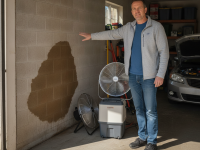
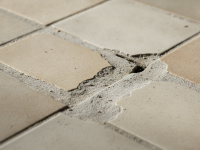
Roof deck soft spots are areas on your deck where the surface feels noticeably less rigid or firm than the surrounding areas. When you walk across them, you might feel a slight give, a spongy sensation, or even a noticeable dip. These areas are not merely aesthetic imperfections; they signify a compromise in the material’s integrity beneath the surface. Typically, this means the decking material itself, the subfloor, or even the supporting joists have been weakened, most commonly due to moisture damage, rot, or pest infestation.
Unlike a simple loose board, a soft spot indicates a deeper issue, often within the layers that provide the deck’s structural support. This could be anything from a compromised waterproof membrane to severely rotted plywood beneath the decking, or even weakened timber joists that are no longer capable of bearing their intended load. Identifying these spots early is vital, as they are a clear sign that the structural components of your roof deck are under duress.
Common Causes Behind Roof Deck Soft Spots
Understanding the root causes of roof deck soft spots is the first step toward effective remediation. These issues rarely appear overnight; they are usually the cumulative result of environmental factors, material limitations, or installation deficiencies.
Water Infiltration and Damage
Without a doubt, water is the primary antagonist when it comes to roof deck degradation. Any breach in the waterproofing system allows moisture to penetrate the underlying structure, initiating a cascade of problems.
- Leaky Membranes: The waterproofing membrane (often EPDM, PVC, TPO, or built-up roofing) is your roof deck’s first line of defense. Tears, punctures, or improperly sealed seams can allow water to seep directly into the subfloor and joists.
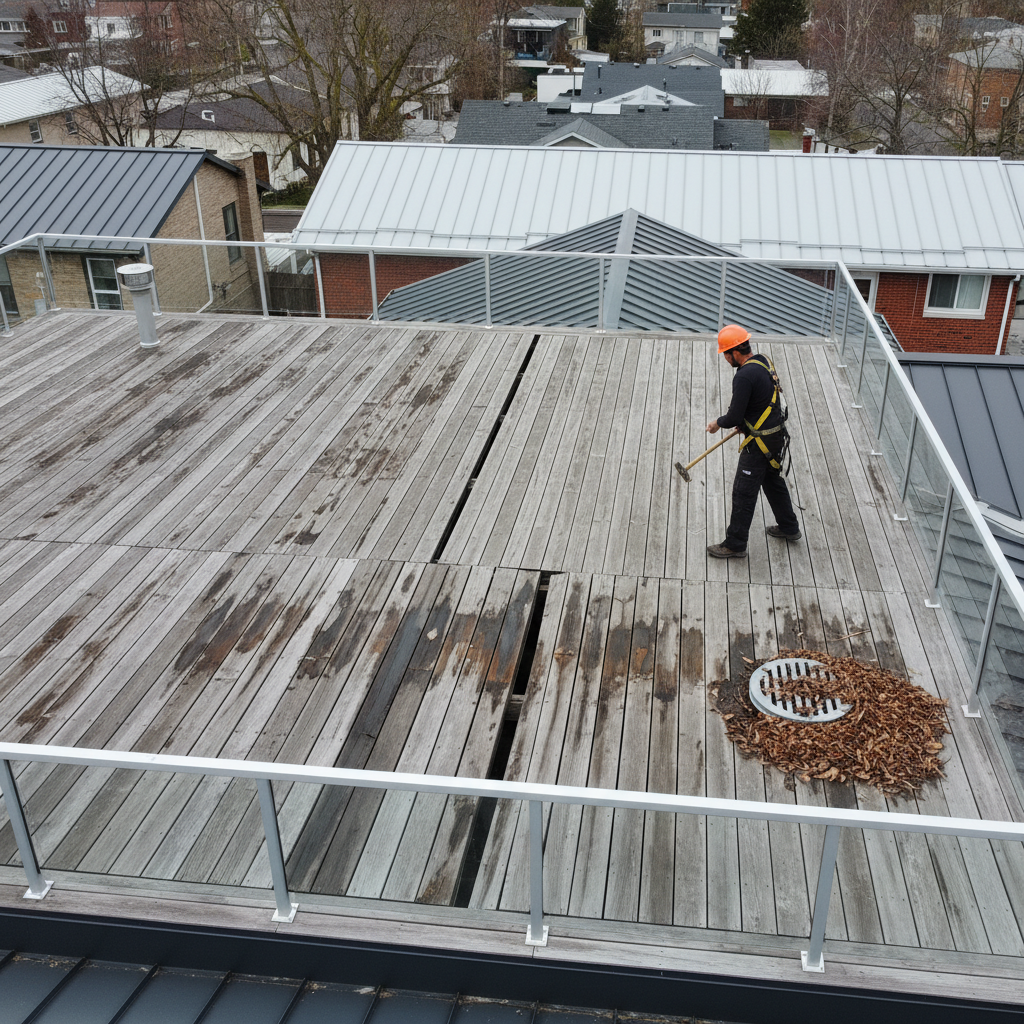
- Poor Drainage: If your roof deck doesn’t have an adequate slope or if drains become clogged, standing water can accumulate. Prolonged exposure to moisture, even with a seemingly intact membrane, can exploit minor imperfections over time, leading to water ingress and eventual decay.
- Rot and Mold Growth: Once water penetrates the wooden components (plywood subfloor, joists), it creates an ideal environment for fungi that cause wood rot and mold. Rot weakens the wood fibers, making them soft and crumbly, directly leading to soft spots. Mold, while not directly causing structural failure, indicates persistent moisture and can further accelerate decay.
Structural Issues and Stress
Beyond water damage, the underlying structural framework can also be a source of weakness.
- Weakened Joists or Beams: The wooden joists or steel beams that support the deck can degrade over time due to various factors. Rot from prolonged water exposure is a common culprit. However, overloading the deck, poor construction, or insufficient sizing for the intended load can also cause joists to sag or crack, leading to soft spots above them.
- Inadequate Support: Sometimes, the initial construction might have insufficient support for the span or anticipated weight. Over time, this stress can manifest as soft spots in areas where the subfloor or decking is unsupported or under-supported.
- Pest Infestations: Termites, carpenter ants, and other wood-boring insects can tunnel through joists, beams, and subflooring, hollowing out the wood and severely compromising its structural integrity. An infestation can create extensive soft spots that might not be immediately visible on the surface.
Material Degradation and Aging
Even the highest quality materials have a finite lifespan, and environmental exposure takes its toll.
- Aging Decking Materials: Wooden decking, composite boards, or even concrete pavers can degrade over time. Wood can suffer from UV damage, cycles of wetting and drying, and eventual rot. Composite materials can delaminate or become brittle.
- Subfloor Degradation: The plywood or OSB subfloor beneath the decking is often the first layer to show signs of water damage, especially if the waterproofing membrane fails. Over time, this can delaminate, swell, and lose its rigidity, creating soft spots.
Improper Installation
The quality of the initial installation plays a critical role in the deck’s longevity.
- Insufficient Waterproofing: Incorrect application of waterproofing membranes, inadequate flashing around penetrations (like railings or vents), or poorly sealed seams can doom a deck from the start.
- Poor Fastening: Decking boards that are not adequately fastened to the subfloor or joists can lift, allowing water to pool beneath them and penetrate the layers below.
- Incorrect Spacing: Gaps between decking boards that are too wide or too narrow can affect drainage and allow water to sit or seep where it shouldn’t.
Identifying Roof Deck Soft Spots: Signs to Look For
Early detection is paramount in preventing minor issues from escalating into major structural failures. Regular inspections of your roof deck can help you catch problems before they become critical.
Visual Cues
Your eyes are your first and best diagnostic tool.
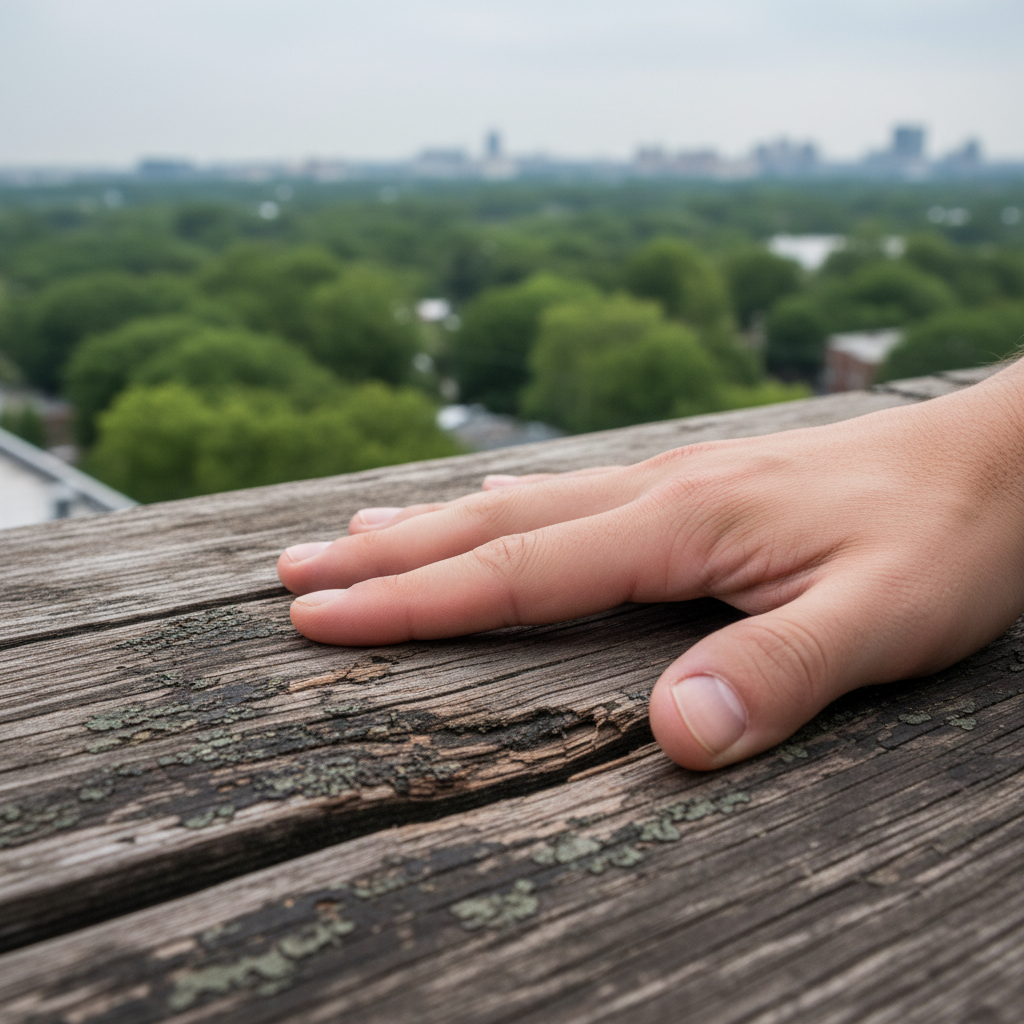
- Discoloration, Swelling, or Warping: Look for areas where the decking material appears darker, stained, swollen, or bowed. These are classic signs of prolonged moisture exposure.
- Mold or Mildew Growth: Green, black, or white fuzzy patches on the decking or in seams indicate persistent dampness.
- Sagging Areas: A noticeable dip or depression in the deck surface is a strong indicator of weakened support beneath.
- Loose or Rusted Fasteners: Screws or nails that are popping up, loose, or heavily rusted suggest that the wood they are securing has softened or deteriorated.
- Cracks or Gaps: While some minor cracking is normal for wood, large or spreading cracks, especially in composite materials, can signify structural stress or material failure.
- Peeling Paint or Finish: On painted or sealed decks, peeling or blistering paint can be a sign of moisture trapped underneath, pushing the finish away.
Tactile Cues
Sometimes, you need to feel the problem.
- Spongy Feel When Walked On: This is the most direct sign of a soft spot. When you walk across the deck, pay attention to any areas that feel less solid or slightly bouncy compared to the rest of the surface.
- Creaking or Cracking Sounds: Unusual noises when you step on certain areas can indicate loose boards, weakened subfloor, or even failing joists.
Olfactory Cues
Your nose can also be a valuable detector.
- Musty or Mildewy Smells: A persistent damp, earthy, or musty odor, especially after rain, is a sure sign of hidden moisture and potential mold or rot underneath the deck surface.
The Dangers of Ignoring Soft Spots
Ignoring roof deck soft spots is akin to ignoring a flickering engine light in your car. While the problem might seem minor initially, its potential ramifications are severe and far-reaching.
- Safety Risks and Potential Collapse: The most immediate and terrifying danger is structural failure. A weakened deck can collapse under weight, leading to serious injuries or even fatalities for anyone on it. Soft spots compromise the structural integrity, making the deck unpredictable and unsafe.
- Further Structural Damage: What starts as a small soft spot can rapidly expand. Water infiltration will continue to spread, affecting more of the subfloor and joists. This can also lead to damage to the building’s underlying roof structure and even interior ceilings and walls if the water penetrates deep enough.
- Increased Repair Costs: A small, localized soft spot might be repaired relatively affordably. However, if left unaddressed, the damage will spread, necessitating more extensive and thus more expensive repairs, potentially involving a complete deck overhaul or replacement.
- Reduced Property Value: A dilapidated, unsafe, or visibly damaged roof deck significantly detracts from your home’s curb appeal and market value. Potential buyers will be wary of taking on a property with known structural issues, making your home harder to sell and potentially lowering its appraisal value.
DIY Inspection vs. Professional Assessment
While a homeowner can perform basic inspections, knowing when to call in the experts is crucial.
- When to DIY: Regular visual and tactile checks are excellent for preventative maintenance. If you notice minor surface issues like a slightly warped board or a localized stain, you might be able to address it yourself (e.g., clearing a clogged drain, reapplying a sealant). However, proceed with caution.
- When to Call a Professional: For any soft spots that feel significantly spongy, areas that sag, widespread discoloration, persistent musty smells, or any suspicion of structural damage or pest infestation, professional assessment is non-negotiable. A professional deck inspector or structural engineer has the experience and tools to accurately diagnose the extent of the damage, identify the root cause, and recommend the most effective and safest repair strategy. They can assess the integrity of the waterproofing membrane, the subfloor, and the supporting joists, ensuring a thorough evaluation that goes beyond the surface.
Repairing Roof Deck Soft Spots: A Step-by-Step Guide
The repair process for roof deck soft spots varies depending on the severity and cause of the damage, but generally follows a logical sequence.
Step 1: Thorough Assessment and Isolation of the Damage
Before any demolition begins, it’s critical to fully understand the scope of the problem. This involves carefully inspecting the soft spot and the surrounding area. A professional will often use moisture meters, thermal imaging cameras, or even small exploratory cuts to determine how far the water damage or rot has spread within the subfloor and joists. The goal is to isolate all affected areas that need replacement or repair.
Step 2: Removal of Damaged Material
Once the damaged area is mapped out, the compromised decking material (wood, composite, etc.) must be carefully removed. This often involves unscrewing or prying up boards. Below that, any rotten or water-damaged subfloor (usually plywood) is also cut out and removed. If the underlying joists are affected, they too will need to be exposed and assessed.
Step 3: Addressing the Root Cause
This is arguably the most critical step. Simply replacing rotten wood without fixing the source of the problem is a temporary band-aid.
- Repairing Leaks: If water infiltration was the cause, the waterproofing membrane must be repaired or replaced. This might involve patching a small tear, re-sealing seams, or, in severe cases, installing a new section of membrane.
- Reinforcing Structure: If joists are rotten, they might need to be replaced entirely, sistered (new joists attached alongside the old ones for reinforcement), or bolstered with new blocking. Any signs of pest infestation must be treated by a licensed exterminator.
- Improving Drainage: If poor drainage contributed to the problem, solutions like adding a slight slope, installing additional drains, or ensuring existing drains are clear and functional must be implemented.
Step 4: Replacement with New, Durable Materials
Once the underlying issues are resolved, new structural components can be installed.
- Subfloor Replacement: New, exterior-grade plywood (often treated for moisture resistance) is cut to size and securely fastened to the joists.
- Waterproofing Application: A new, seamless waterproofing membrane is applied over the new subfloor, extending up perimeter walls or under railings to create a watertight seal. This is a highly specialized task best left to professionals to ensure longevity and effectiveness.
- Decking Installation: Finally, new decking material is installed. This is an opportunity to upgrade to more durable, weather-resistant options if desired.
Step 5: Waterproofing and Sealing (Top Layer)
Beyond the primary membrane, the top surface of the deck often benefits from additional protection. For instance, if using wood, applying a high-quality deck sealant or stain with water-repellent properties helps protect the surface material from UV rays and moisture, extending its life and preventing surface-level water damage. This also applies to the entire surface, not just the repaired area, to ensure uniform protection.
Step 6: Finishing Touches
This includes re-installing railings, making sure all flashing is secure, and ensuring the repaired area blends seamlessly with the existing deck, both aesthetically and structurally.
Prevention is Key: Maintaining Your Roof Deck
The best way to deal with roof deck soft spots is to prevent them from occurring in the first place. Regular maintenance and proactive measures can significantly extend the life of your deck and avoid costly repairs.
Regular Inspections
Make it a habit to inspect your roof deck at least twice a year, ideally in spring and fall. Look for all the visual, tactile, and olfactory cues mentioned earlier. Pay close attention to areas around drains, railings, and where the deck meets the building.
Ensure Proper Drainage
Keep your roof deck drains clear of leaves, debris, and standing water. Ensure the deck’s slope is sufficient to direct water towards drains and away from the building’s perimeter. Regularly flush drains to prevent blockages.
Waterproofing Maintenance
The waterproofing membrane is your deck’s most critical defense. Inspect it for cracks, tears, blisters, or lifted seams. Depending on the material, you may need to re-seal or re-coat the membrane periodically according to manufacturer recommendations. For more extensive advice on maintaining your outdoor living spaces, you can consult resources like Good Housekeeping’s tips for deck maintenance.
Effective Pest Control
Regularly check for signs of termites, carpenter ants, or other wood-boring insects. Look for sawdust, discarded wings, or small holes in the wood. If you suspect an infestation, call a professional exterminator immediately.
Choose Durable Materials
When building a new roof deck or replacing materials, invest in high-quality, weather-resistant decking and subfloor materials. Treated lumber, composite decking, or specific types of exotic hardwoods are often more resistant to moisture, rot, and pests.
Avoid Overloading
Be mindful of the weight capacity of your roof deck. Heavy planters, large hot tubs, or too many people can exceed the structural limits, leading to stress on the joists and subfloor over time.
When to Consider a Full Roof Deck Replacement
While repairs can address localized soft spots, there comes a point where a full replacement is the more prudent and cost-effective option.
- Extensive, Widespread Damage: If soft spots are numerous and spread across a significant portion of the deck, indicating widespread rot, water damage, or structural compromise, patching individual areas might be futile. The cost of multiple repairs could quickly approach or exceed the cost of a full replacement.
- Age of the Deck: Even with good maintenance, roof decks have a finite lifespan. If your deck is nearing or past its expected longevity (typically 20-30 years for well-maintained decks), a full replacement offers a fresh start with modern materials and construction techniques that are more resilient.
- Cost-Effectiveness: Sometimes, the labor and material costs associated with extensively repairing a severely damaged deck outweigh the benefits. A full replacement allows you to implement new waterproofing systems, updated framing, and modern decking materials that will last for decades, providing better long-term value and peace of mind.
FAQs About Roof Deck Soft Spots
How long do roof decks usually last?
The lifespan of a roof deck varies significantly based on materials, construction quality, environmental exposure, and maintenance. Well-maintained roof decks with quality materials and waterproofing can last anywhere from 20 to 30 years, sometimes more. However, factors like consistent moisture exposure or poor initial installation can drastically reduce this lifespan.
Can I walk on a soft spot on my roof deck?
It is strongly advised to avoid walking on a soft spot. A soft spot indicates compromised structural integrity, and putting weight on it could cause it to give way completely, leading to injury or further damage. Isolate the area and restrict access until it can be properly inspected and repaired.
Is fixing a soft spot a DIY job?
Minor surface-level issues might be tackled by a skilled DIYer. However, if a soft spot is significant, indicates underlying structural damage, involves the waterproofing membrane, or if you suspect pest infestation, it is highly recommended to call a professional. Improper repairs can lead to greater problems and safety risks down the line.
How much does it cost to fix roof deck soft spots?
The cost varies widely depending on the extent of the damage, the materials involved, and whether the underlying structure or waterproofing membrane needs repair. A small, localized repair might cost a few hundred dollars, while extensive damage requiring subfloor, joist, and membrane replacement could range from several thousand to tens of thousands of dollars, approaching the cost of a full replacement.
Can insurance cover roof deck damage?
It depends on your homeowner’s insurance policy and the cause of the damage. Sudden and accidental damage (e.g., from a storm, falling tree, or unexpected leak) may be covered. However, damage resulting from neglect, poor maintenance, wear and tear, or pest infestations is typically not covered. It’s essential to review your policy and consult with your insurance provider.
Conclusion
Roof deck soft spots are more than just an aesthetic issue; they are critical indicators of underlying problems that threaten the safety and structural integrity of your valuable outdoor living space. By understanding their causes, vigilantly inspecting your deck for warning signs, and taking prompt, appropriate action—whether through meticulous DIY care or professional intervention—you can ensure your roof deck remains a safe, beautiful, and lasting asset to your home. Prioritizing maintenance and addressing these soft spots early will safeguard your investment and provide peace of mind for years to come.