A roof deck can be a beautiful and functional extension of your living space, offering panoramic views, a place for entertaining, or a serene retreat. However, like any outdoor structure, it’s susceptible to wear and tear, and one of the most concerning issues homeowners face is the development of roof deck soft spots. These areas feel spongy or weak underfoot and are often a tell-tale sign of underlying damage that, if left unaddressed, can lead to significant structural problems, safety hazards, and costly repairs. Understanding what causes these soft spots, how to identify them, and the steps to take for repair and prevention is crucial for maintaining the longevity and safety of your elevated outdoor oasis.
What Are Roof Deck Soft Spots?
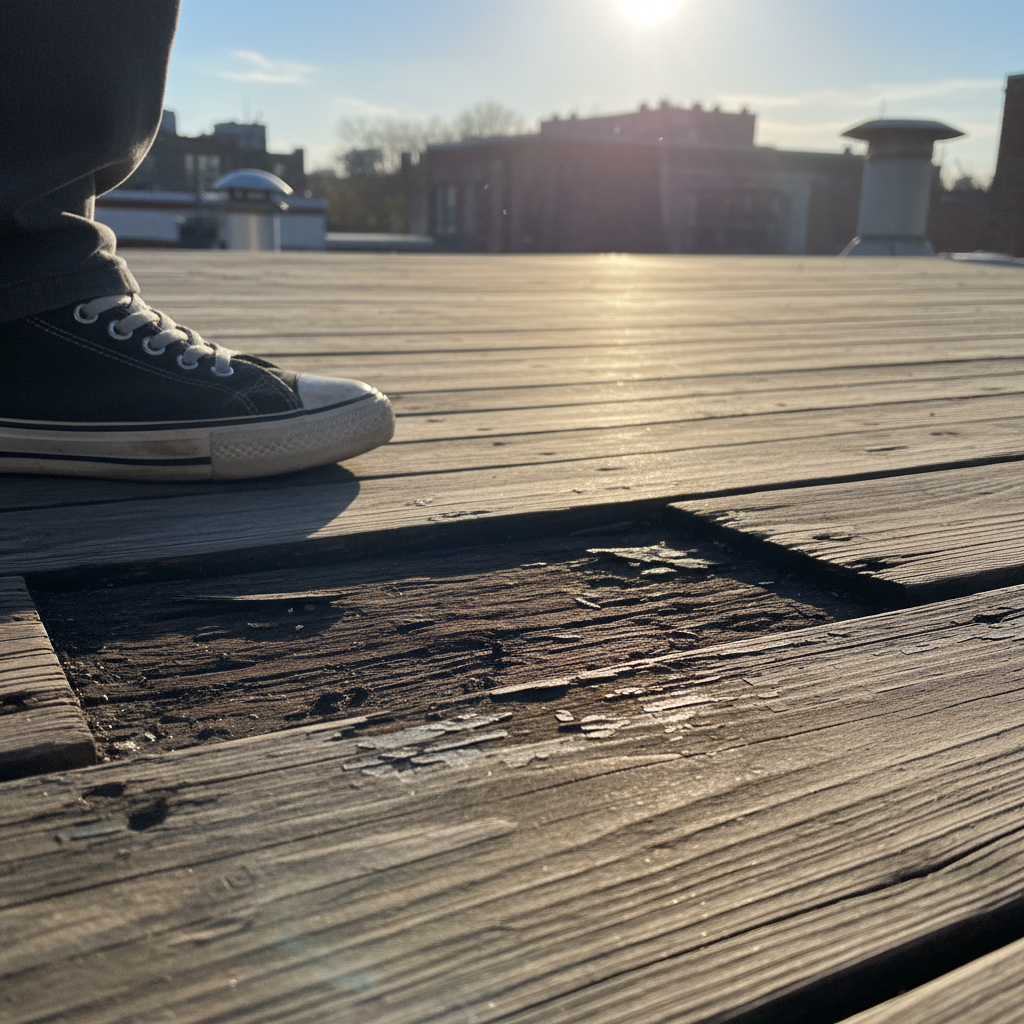
Roof deck soft spots are localized areas on your deck surface that give way or feel pliable when walked upon, rather than remaining firm and solid. This sensation indicates that the structural integrity of the decking material or the supporting framework beneath has been compromised. The “softness” is typically due to degradation of the wood components—such as plywood, oriented strand board (OSB) sub-decking, or even the supporting joists—most commonly caused by prolonged moisture exposure. When water penetrates the deck’s surface, it can initiate a process of rot, mildew, and material breakdown, weakening the structure from within. Over time, what might start as a minor imperfection can expand into a significant structural deficiency, jeopardizing the entire deck system.
Why Do Roof Deck Soft Spots Occur?
Understanding the root causes of soft spots is the first step toward effective remediation and prevention. Several factors contribute to the deterioration that leads to these problematic areas:
1. Water Damage and Leaks
- Inadequate Waterproofing: The primary culprit behind most roof deck soft spots is water. If the deck’s waterproofing membrane, sealant, or surface coating is compromised, water can seep through to the underlying layers.
- Poor Drainage: Standing water due to clogged drains, improper deck slope, or insufficient scuppers allows moisture to pool. Prolonged exposure to standing water accelerates material decay.
- Flashing Failures: The flashing around penetrations (like vents, pipes) or at the deck-to-wall junctions can fail, creating entry points for water.
- Cracks and Gaps: Even minor cracks in the deck’s surface or gaps between decking boards can allow water to penetrate to the sub-decking and joists.
2. Material Degradation
- Rotting Wood: Wood sub-decking (plywood, OSB) and structural joists are highly susceptible to rot when exposed to moisture and lack proper ventilation. Once rot begins, it spreads quickly, turning solid wood into a spongy, crumbly substance.
- Termites and Pests: Wood-boring insects, particularly termites, can extensively damage wooden structural components, hollowing them out and leaving the deck vulnerable to collapse. Other pests, like carpenter ants, also contribute to wood deterioration.
- Aging Materials: Over time, even well-maintained materials degrade. Exposure to UV rays, extreme temperatures, and general wear naturally reduces the lifespan and resilience of decking and waterproofing materials.
3. Structural Issues
- Improper Installation: Decks built without proper techniques, insufficient support, or using sub-standard materials are more prone to developing soft spots. Incorrect spacing of joists or inadequate fastening can compromise the deck’s load-bearing capacity.
- Excessive Weight: Placing excessively heavy items (large planters, hot tubs, heavy furniture) in one area for extended periods can stress the underlying structure, especially if it’s already weakened.
- Foundation Movement: In rare cases, shifts in the building’s foundation can affect the deck’s stability and cause localized stress points.
Identifying Soft Spots: Signs and Symptoms
Early detection is crucial for mitigating damage and reducing repair costs. Regular inspections are highly recommended. Here’s what to look for:
1. Tactile Cues
- Spongy or Bouncy Feel: This is the most direct indicator. When you walk across the deck, pay attention to any areas that feel less firm or seem to give slightly under your weight. It might feel like walking on a soft sponge or a trampoline.
- Creaking or Groaning Sounds: Weakened wood components might produce unusual noises when pressure is applied.
2. Visual Cues
- Discoloration: Dark stains, particularly black or greenish hues, often indicate mold, mildew, or rot. These stains might be visible on the deck surface, around seams, or on the underside if accessible.
- Sagging or Unevenness: A noticeable dip or unevenness in the deck surface suggests that the underlying support has failed or warped.
- Cracks and Peeling: Cracks in the decking material or peeling waterproof coatings can be entry points for water.
- Pest Evidence: Look for small holes, wood dust (frass), or visible tunnels that indicate insect activity.
- Water Stains Inside: If the roof deck is above an interior space, water stains on the ceiling or walls below are a definitive sign of a leak originating from the deck.
3. Odor
- Musty or Mildew Smell: Persistent dampness and mold growth produce a distinct musty odor. This smell might be more noticeable near the affected area or inside the building beneath the deck.
4. Professional Inspection
When in doubt, or if you suspect widespread issues, a professional deck inspector or structural engineer can provide a thorough assessment, using specialized tools and expertise to pinpoint hidden damage.
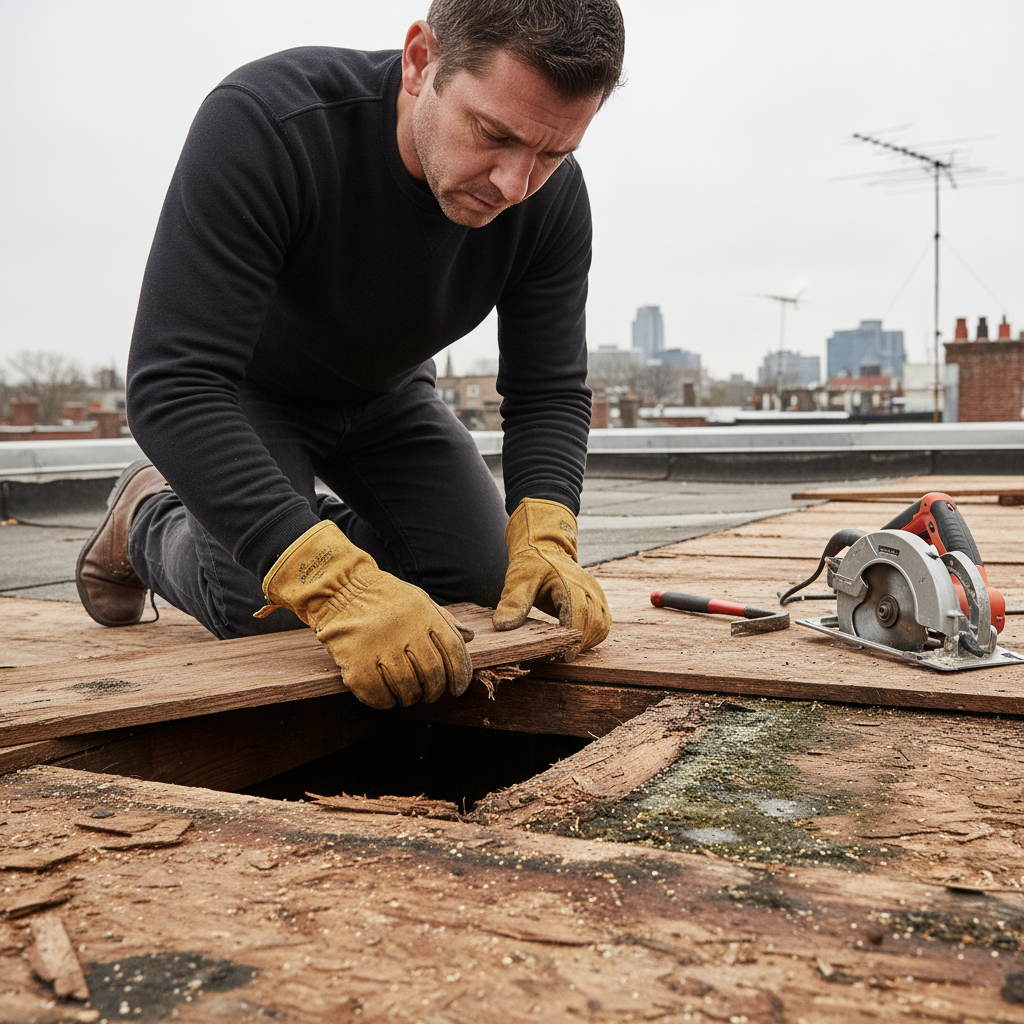
The Dangers of Neglecting Soft Spots
Ignoring soft spots on your roof deck is not merely an aesthetic concern; it poses significant risks:
- Safety Hazards: The most immediate danger is the risk of collapse. A weakened deck cannot support weight safely, leading to falls and serious injuries. This is especially critical during gatherings when multiple people might be on the deck.
- Structural Compromise: What starts as a small soft spot can spread, compromising the entire deck’s structural integrity and potentially affecting the building it’s attached to.
- Increased Repair Costs: The longer damage is left unaddressed, the more extensive and costly the repairs become. A minor patch job can escalate into a full deck replacement.
- Health Issues: Persistent moisture and mold growth can lead to poor indoor air quality if the deck is above an enclosed space, potentially causing respiratory problems and allergies for occupants.
- Property Damage: Leaks can damage interior ceilings, walls, flooring, and furnishings, leading to additional repair expenses inside your home.
DIY vs. Professional Repair
Deciding whether to tackle a soft spot yourself or call in a professional depends on the severity and extent of the damage.
When to DIY:
- Small, Localized Issues: If you identify a very small soft spot, perhaps due to a single cracked board, and you’re confident the underlying structure is sound, you might replace that specific section.
- Superficial Repairs: Addressing minor surface cracks in waterproofing or resealing small gaps.
- Preventative Maintenance: Cleaning drains, reapplying sealants, or conducting routine inspections.
When to Call a Professional:
- Widespread Softness: If multiple areas feel soft, or a large section is compromised, it indicates significant underlying damage.
- Structural Concerns: Any suspicion of compromised joists, beams, or the main support system requires professional assessment.
- Water Leaks Inside: If water is penetrating into your home below the deck, a professional can accurately diagnose the source and implement a lasting waterproofing solution.
- Lack of Experience or Tools: Deck repair, especially for structural components, requires specific knowledge, tools, and safety precautions.
- Complex Deck Designs: Decks with intricate designs, multiple levels, or integrated features often require specialized expertise for repair.
Repairing Roof Deck Soft Spots
The repair process typically involves several key steps:
1. Locating the Source of Water
Before any repair, the primary source of moisture ingress must be identified and eliminated. This might involve repairing flashing, clearing drains, resealing cracks, or addressing issues with the perimeter waterproofing.
2. Removing Damaged Material
Carefully cut out and remove the compromised decking material, sub-decking (plywood or OSB), and any rotted insulation. Expand the removal area slightly beyond the visible soft spot to ensure all damaged material is gone. Assess the condition of the underlying joists and beams.
3. Replacing Structural Components
If joists or beams are rotted, they must be replaced or reinforced. This is a critical structural step that often requires professional expertise to ensure the deck’s load-bearing capacity is restored.
4. Installing New Sub-Decking and Waterproofing
Install new, pressure-treated plywood or OSB sub-decking, ensuring it is properly fastened and sealed. Apply a new, robust waterproofing membrane or system over the entire repaired area, ensuring it integrates seamlessly with the existing waterproofing. This often involves multiple layers of specialized materials and careful detailing at seams and edges. Consider materials that are resistant to moisture and pests for increased longevity.
5. Reinstalling Deck Surface
Finally, replace the top surface of your deck, whether it’s pavers, tiles, composite decking, or another material, ensuring proper slope for drainage.
Prevention is Key
Proactive maintenance can save you thousands in future repairs. Here’s how to prevent roof deck soft spots:
- Regular Inspections: Conduct thorough inspections at least twice a year (spring and fall). Look for cracks, peeling, discoloration, standing water, and signs of pests. Walk across the deck specifically to feel for any soft or bouncy areas.
- Maintain Drainage Systems: Keep all deck drains, scuppers, and gutters clear of debris. Ensure the deck surface has a slight slope (typically 1/4 inch per foot) to facilitate water runoff.
- Promptly Address Minor Issues: Don’t let small cracks or minor waterproofing breaches escalate. Repair them immediately with appropriate sealants and patches.
- Reapply Sealants and Coatings: Depending on your deck material, regularly reapply protective sealants or waterproof coatings as recommended by the manufacturer.
- Control Vegetation: Keep plants, especially climbing vines, away from the deck structure, as they can trap moisture against surfaces and damage materials.
- Manage Weight Distribution: Avoid concentrating heavy items in one area for extended periods. Distribute weight evenly across the deck.
- Consider Durable Materials: When building or renovating, opt for high-quality, moisture-resistant materials for sub-decking and waterproofing, and choose decking materials known for their longevity.
- Professional Maintenance: Consider an annual professional inspection, especially for complex or older roof decks. They can spot subtle issues you might miss. For more tips on general deck maintenance, check out resources like Better Homes & Gardens’ deck maintenance checklist.
Understanding Your Roof Deck Material
The type of material used for your roof deck can influence its susceptibility to soft spots and the repair approach. Most roof decks utilize a sub-decking layer, typically plywood or OSB, over structural joists, covered by a waterproofing membrane, and then a finished walking surface.
- Wood (Plywood/OSB): Highly susceptible to rot when exposed to moisture. Requires robust waterproofing.
- Concrete: While durable, cracks in concrete can still allow water to penetrate to underlying structural elements if the waterproofing beneath is compromised.
- Composite Decking: The top layer of composite decking is generally rot-resistant, but the underlying sub-decking and joists can still be vulnerable if water gets beneath the surface.
Regardless of the surface material, the integrity of the underlying waterproofing system and structural wood components is paramount.
When to Consider a Full Roof Deck Replacement
Sometimes, repairs are no longer cost-effective or safe. A full roof deck replacement might be necessary if:
- Widespread Damage: If soft spots are numerous and extensive, indicating widespread rot or structural failure across a large portion of the deck.
- Recurring Problems: If you’ve addressed soft spots multiple times only for new ones to appear, it suggests a systemic issue with the original construction or waterproofing.
- Age of the Deck: Older decks (typically 20+ years, depending on materials and maintenance) may reach the end of their service life, making replacement a more prudent long-term solution.
- Code Compliance: If your existing deck doesn’t meet current building codes, especially after significant damage, a replacement offers an opportunity to upgrade to safer standards.
Frequently Asked Questions
Q: Can I just patch a soft spot on my roof deck?
A: You can patch superficial soft spots, but it’s crucial to first identify and fix the underlying cause (usually water ingress). If the structural wood beneath is rotted, simply patching the surface won’t solve the problem and could mask a dangerous issue.
Q: How long does a typical roof deck last before soft spots might appear?
A: The lifespan varies greatly depending on construction quality, materials used, maintenance, and climate. A well-built and maintained roof deck might last 15-25 years or more. However, soft spots can appear much earlier if there are construction flaws or neglected maintenance.
Q: Is it safe to walk on a roof deck with soft spots?
A: It is generally not safe to walk on a roof deck with identified soft spots, especially if they are significant or widespread. The risk of collapse is present, and it’s best to restrict access to the affected area until repairs are made by qualified professionals.
Q: How can I tell if the soft spot is from rot or just a weak board?
A: Rot often comes with discoloration (darkening, greenish hues), a musty smell, and a very spongy, crumbly texture when poked. A weak board might simply flex more but still feel solid. However, any significant weakness suggests underlying issues, and further investigation is warranted.
Q: What kind of professional should I call for roof deck soft spots?
A: For diagnosing and repairing soft spots, look for a specialized roofing contractor, a deck builder experienced in roof decks, or a general contractor with expertise in structural repairs and waterproofing. For severe structural concerns, a structural engineer’s assessment is advisable.
Conclusion
Roof deck soft spots are a clear warning sign that should never be ignored. They indicate underlying damage, primarily from moisture, that can compromise the safety and integrity of your deck. By understanding their causes, learning to identify the symptoms, and taking prompt, appropriate action for repair and prevention, you can ensure your roof deck remains a safe, beautiful, and valuable extension of your home for years to come. Regular inspections and a proactive approach to maintenance are your best defense against these silent threats, preserving both your investment and your peace of mind.