Few sounds are as unsettling and persistently annoying as the random beeping from a smoke detector. It often strikes in the dead of night, leaving you fumbling for a ladder and questioning your sanity. This intermittent chirp isn’t just a nuisance; it’s your smoke detector trying to tell you something important. Understanding the causes behind this seemingly erratic behavior is the first step to restoring peace and, more importantly, ensuring your home’s safety. From simple battery issues to more complex environmental factors, we’ll delve into all the potential culprits and provide a step-by-step guide to silence that chirping and maintain a vigilant fire safety system in your home.
Why Is Your Smoke Detector Beeping Randomly? Understanding the Causes
Before you get frustrated, remember that a smoke detector’s random beeping is usually a sign that it’s working, albeit in a way that requires your attention. These devices are designed to alert you to potential dangers, and sometimes that alert is about themselves. Let’s explore the most common reasons for an unexpected chirp.
Low Battery
This is by far the most frequent culprit behind a random smoke detector beeping. When the battery starts to drain, the detector emits a periodic chirp – typically once every 30 to 60 seconds – to signal that it needs a replacement. This warning chirp can last for several days or even weeks before the battery completely dies. Many homeowners mistake this for a malfunction, but it’s actually a critical safety feature designed to prompt action before the device becomes inoperative.
It’s important to use the correct type of battery recommended by the manufacturer, usually a 9-volt, AA, or AAA. Always have spare batteries on hand to avoid delays in addressing the issue. Even if your detector is hardwired into your home’s electrical system, it likely still contains a backup battery that will chirp when low. This backup battery ensures the alarm functions during a power outage, making its maintenance just as crucial.
End-of-Life Chirp
Smoke detectors don’t last forever. Most manufacturers recommend replacing smoke alarms every 10 years, regardless of whether they appear to be working. As a unit approaches its end of life, its internal components can degrade, leading to decreased sensitivity and reliability. To alert you to this impending expiration, many modern smoke detectors are programmed to emit a specific end-of-life chirp. This chirping pattern is often different from a low-battery chirp – perhaps a double chirp or a chirp every few minutes instead of every minute – and will continue even with a fresh battery.
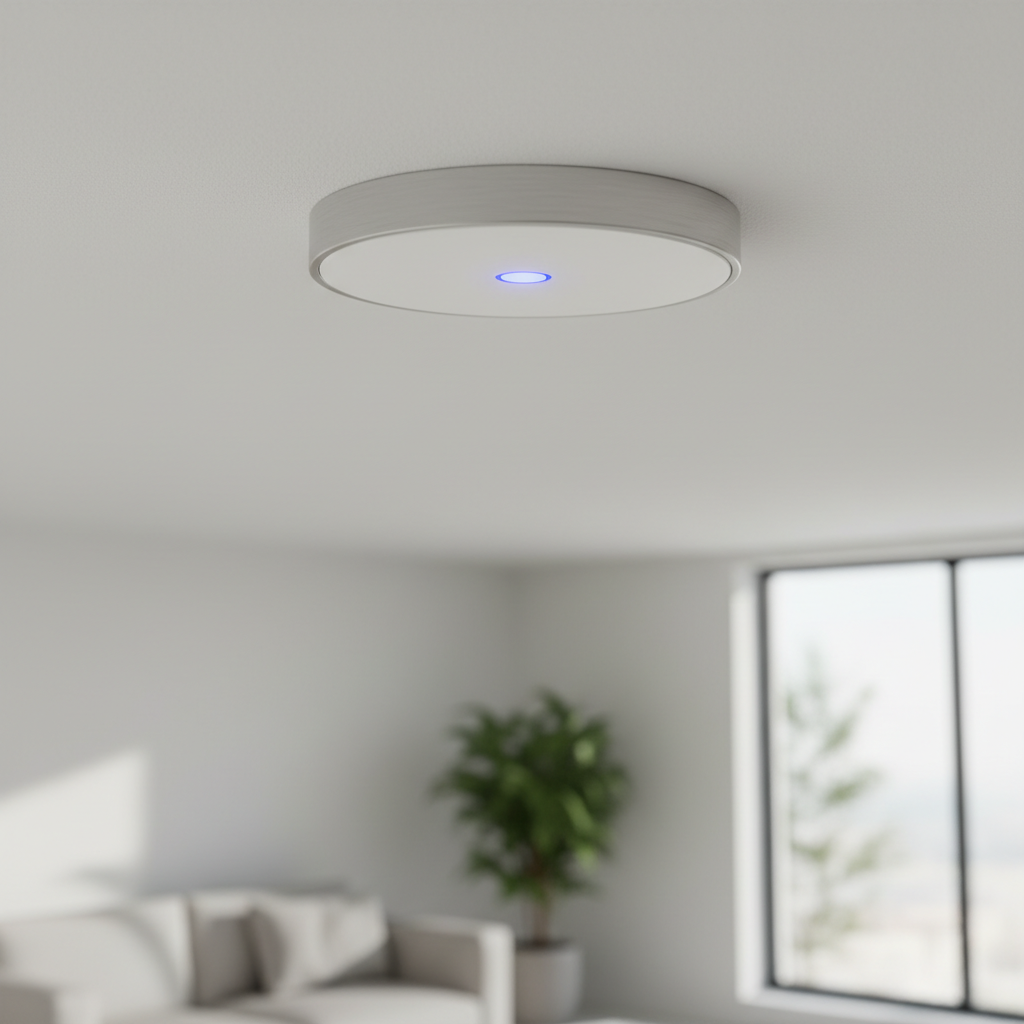
Consult your detector’s manual to understand its specific end-of-life signal. If your detector is older than 10 years and chirping, it’s time for a replacement. This is a non-negotiable safety measure, as an old detector may not perform reliably in a real fire emergency.
Dust or Debris Accumulation
Smoke detectors work by sensing particles in the air. Over time, dust, cobwebs, insects, or other debris can accumulate inside the sensing chamber. This accumulation can obstruct the sensor, causing it to misinterpret these particles as smoke or, more commonly, trigger a false alarm or random beeping. The detector might “think” it’s detecting smoke, leading to a full alarm, or it might just experience intermittent interference that results in a chirp.
Regular cleaning is essential. Dust and debris are common issues in homes, especially during remodeling projects or in older homes. A build-up can not only cause false alarms but also reduce the detector’s effectiveness in detecting actual fires.
Improper Installation or Placement
The location of your smoke detector plays a crucial role in its performance and can contribute to random chirps. Placing a detector too close to a bathroom, kitchen, or laundry room can expose it to steam, humidity, or cooking fumes, which can trigger false alarms or intermittent chirps. Similarly, direct sunlight, drafts from windows or vents, or extreme temperature fluctuations can interfere with the detector’s sensors.
Even proximity to fluorescent lights can sometimes cause issues due to electrical interference. For hardwired units, a loose connection or an intermittent power supply can also cause random beeping as the unit struggles to maintain consistent power. Proper placement ensures the detector can accurately detect smoke without being overly sensitive to everyday household activities.
Power Interruption or Fluctuations (for Hardwired Units)
Hardwired smoke detectors are connected to your home’s electrical system and typically have a backup battery. If there’s a brief power outage, a brownout, or even a minor surge in your home’s electrical system, the detector might interpret this as a power interruption. When power is restored, or the fluctuation subsides, the unit might chirp or alarm briefly as it resets or switches back to main power, even if the backup battery is fully charged. This is more common in older electrical systems or during stormy weather. An intermittent break in the circuit can also cause a hardwired unit to chirp sporadically as it loses and regains power.
Humidity or Environmental Factors
High humidity levels can sometimes condense inside the smoke detector’s sensing chamber, especially in areas with poor ventilation or during humid weather. This moisture can interfere with the sensor, leading to false alarms or intermittent chirps. Similarly, extreme temperatures, whether very hot or very cold, can affect the detector’s internal components, potentially causing it to malfunction and beep randomly. Consider the microclimate around each detector. For example, a detector near an air conditioning vent might experience more temperature shifts, making it prone to chirping.
False Alarms from Cooking or Steam
While often leading to a full alarm, cooking smoke, burnt toast, or even steam from a hot shower can occasionally cause a detector to emit a single or sporadic chirp rather than a full alarm. This is particularly true for ionization smoke detectors, which are very sensitive to tiny, invisible smoke particles produced by fast-flaming fires. If your detector is located too close to the kitchen or bathroom, these everyday occurrences can trigger an overly sensitive response.
Incompatible Detectors
In homes with multiple hardwired smoke detectors that are interconnected, incompatibility can be an issue. If you’ve replaced one detector with a different brand or model that isn’t fully compatible with the existing interconnected system, it can lead to communication errors. These errors often manifest as random chirps or even cause other detectors in the system to chirp or sound an alarm. Always ensure that any new detectors you install are compatible with your existing interconnected system, particularly if they are different brands or models.
Manufacturer Defects
Though rare, a smoke detector can sometimes have a manufacturing defect that causes it to malfunction and chirp randomly, even if it’s new and all other troubleshooting steps have been followed. If you’ve exhausted all other possibilities and the detector is relatively new, it might be worth contacting the manufacturer for a replacement or further guidance. Keep your receipt and warranty information handy in such cases.
How to Silence the Chirp: A Step-by-Step Troubleshooting Guide
Dealing with a random beeping smoke detector can be frustrating, but a systematic approach can help you quickly identify and resolve the issue. Follow these steps to restore quiet to your home and ensure your fire safety system is functioning correctly.
1. Identify the Source
Before you do anything else, pinpoint which specific detector is chirping. In homes with multiple detectors, especially interconnected ones, it can be challenging to determine which unit is making the noise. Listen carefully; the sound is often louder directly beneath the faulty unit. If you have interconnected alarms, a chirping unit might trigger a specific signal on other units, but the source unit will have the loudest, most direct chirp. If you’re unsure, cover detectors one by one with a pillow or blanket (temporarily!) to muffle the sound and identify the loudest source.
2. Replace the Battery
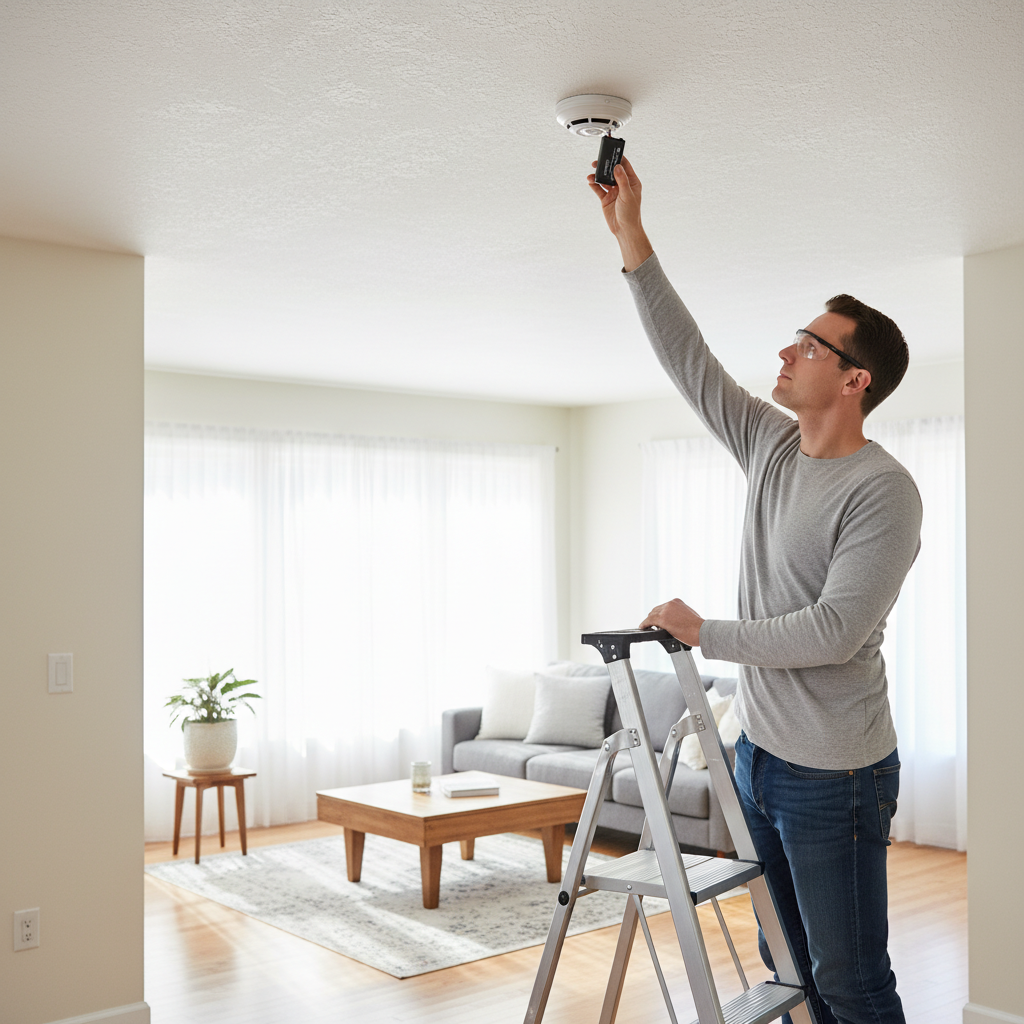
This is the most common fix. Even if you think the battery is new or you’ve just replaced it, try again with a fresh battery. Many people forget to replace the battery in hardwired units, which still have a backup. Always use the type of battery recommended by the manufacturer (usually 9V, AA, or AAA). After replacing the battery, firmly close the battery compartment and listen for any immediate chirping. If the chirping persists, proceed to the next step.
For more details on when and how often to change batteries, you can refer to helpful resources like Good Housekeeping’s fire safety tips.
3. Clean the Detector
Dust and debris are silent saboteurs. Carefully remove the smoke detector from its mounting bracket (if possible) or open its cover according to the manufacturer’s instructions. Use a can of compressed air to gently blow out any dust, cobwebs, or insects from the sensing chamber. Alternatively, you can use the soft brush attachment of your vacuum cleaner to carefully clean around the vents and openings. Avoid using water or cleaning solvents, as these can damage the unit. Once cleaned, reassemble and remount the detector securely.
4. Test and Reset
After changing the battery and cleaning, it’s crucial to test the detector. Press and hold the “Test” button until the alarm sounds. This confirms that the unit has power and its alarm function is working. Then, release the button. Many detectors have a “Reset” button that you might need to press briefly to clear any lingering error codes or false alarm conditions. If your detector doesn’t have a separate reset button, simply holding down the test button for 15-20 seconds can often achieve a reset. This process helps the detector recalibrate its sensors.
5. Check Wiring (for Hardwired Units)
If you have a hardwired unit and the problem persists, safely check the wiring. First, turn off the power to the smoke detectors at your home’s circuit breaker. Carefully remove the detector from its mounting bracket and inspect the wiring connections. Ensure all wires are firmly connected and that there are no frayed wires or loose terminals. A loose wire can cause intermittent power, leading to random chirping. If you’re uncomfortable with electrical work, it’s best to call a qualified electrician for this step to ensure safety and proper connection.
6. Relocate if Necessary
If you suspect environmental factors like steam, humidity, direct sunlight, or drafts are causing the random beeping, consider relocating the detector. Move it further away from bathrooms, kitchens, laundry rooms, or heating/cooling vents. Ensure it’s not in direct line with sunlight or in an area prone to extreme temperature swings. If relocation isn’t possible, consider installing a different type of detector – for example, a photoelectric alarm is less prone to nuisance alarms from cooking fumes than an ionization alarm.
7. Replace the Unit
If your smoke detector is 10 years old or older, or if you’ve tried all the troubleshooting steps and the random chirping continues, it’s time to replace the entire unit. As mentioned, detectors have a limited lifespan, and an old, chirping unit that won’t quiet down is a clear sign it’s reached its end of life. Investing in a new smoke detector is a small price to pay for your family’s safety and peace of mind. When replacing, consider upgrading to a smart smoke detector for added features and convenience.
When to Replace Your Smoke Detector: Beyond the Beep
Knowing when to replace a smoke detector is just as important as knowing how to troubleshoot its chirps. While a persistent chirp often signals the end, there are other critical indicators that it’s time for an upgrade or replacement.
Age Limit
The most critical factor for replacement is age. All smoke detectors, regardless of type or brand, have a recommended lifespan, typically 10 years from the date of manufacture. This date is usually printed on the back of the unit. After this period, the internal components can degrade, reducing the detector’s sensitivity and reliability. Even if it seems to be working perfectly, an old detector may not perform optimally in an emergency. Make it a habit to check the manufacture date annually and replace any unit that is approaching or has exceeded its 10-year mark.
After an Electrical Surge or Fire
If your home has experienced an electrical surge, lightning strike, or even a small fire (regardless of whether the detector activated), it’s highly recommended to replace all affected smoke detectors. Electrical surges can damage internal circuitry that may not be immediately apparent, leading to impaired function or random malfunctions later on. Similarly, a detector exposed to smoke and heat from a fire, even a minor one, might have compromised sensors or circuitry. Don’t take chances; replace them to ensure full functionality.
If it Fails to Test
Regular monthly testing is vital. If you press the test button and the alarm doesn’t sound, or it sounds weakly, it’s a clear indication of a problem. Even after changing batteries and cleaning, if the unit consistently fails the test, it’s defective and needs immediate replacement. A non-functional detector offers no protection in the event of a fire.
Upgrade Opportunities
While not strictly a “replacement due to malfunction,” consider upgrading your smoke detectors for enhanced safety and convenience. Newer models offer features like:
- Combination Alarms: Detect both smoke and carbon monoxide.
- Smart Features: Connect to your smartphone, send alerts, and can be silenced remotely.
- Different Sensor Types: Photoelectric (better for smoldering fires) and Ionization (better for fast-flaming fires). Many experts now recommend using both types or combination alarms.
- Sealed 10-Year Batteries: Eliminate the need for annual battery changes.
Upgrading can provide a more robust and integrated fire safety system, giving you greater peace of mind. Learn more about smoke alarm types and placement from the NFPA.
Maintaining a Safe Home: Best Practices for Smoke Detector Care
Proactive maintenance is the cornerstone of effective fire safety. By incorporating a few simple routines into your home care, you can significantly reduce the chances of random beeping and ensure your smoke detectors are always ready to protect you.
Regular Testing
Make testing your smoke detectors a monthly ritual. Simply press and hold the “Test” button on each unit until the alarm sounds. This confirms that the detector has power, and its alarm mechanism is functional. If a unit doesn’t sound, troubleshoot it immediately or replace it. Choose a specific day of the month or link it to another regular task, like paying bills, to help you remember.
Annual Battery Replacement
Even if your smoke detectors aren’t chirping, replace the batteries in all units at least once a year. A common practice is to do this when you change your clocks for Daylight Saving Time. This proactive approach ensures that your detectors always have fresh power, preventing low-battery chirps and ensuring they’re ready to function during power outages. For units with sealed 10-year batteries, this step is unnecessary, but you should still test them monthly.
Cleaning Schedule
Aim to clean your smoke detectors at least twice a year, or more frequently if you live in a dusty environment, have pets, or are doing home renovations. Use a soft brush attachment on your vacuum cleaner or a can of compressed air to remove dust, lint, and cobwebs from around the detector’s vents and sensing chamber. A clean detector is a reliable detector, less prone to false alarms and random chirps caused by obstructions.
Understanding Different Types
Familiarize yourself with the type of smoke detectors installed in your home:
- Ionization Smoke Detectors: More effective at detecting small, invisible particles of smoke from fast-flaming fires. They can be more prone to false alarms from cooking fumes.
- Photoelectric Smoke Detectors: More effective at detecting large, visible particles of smoke from smoldering fires. They are generally less prone to nuisance alarms from cooking.
- Dual-Sensor Smoke Detectors: Combine both ionization and photoelectric technologies, offering broader protection.
Knowing your detector type can help you troubleshoot nuisance alarms and make informed decisions about placement and upgrades. For example, if you frequently have false alarms from cooking, a photoelectric unit might be a better choice for your kitchen area.
Strategic Placement
Proper placement is key to optimal performance. Install smoke detectors:
- On every level of your home, including the basement.
- Inside every bedroom.
- Outside each sleeping area.
- At least 10 feet from cooking appliances to minimize false alarms.
- Avoid placing them near windows, doors, or ducts where drafts might interfere with their operation or where steam/humidity is common.
Having interconnected alarms means that when one alarm sounds, all alarms throughout the house will sound, providing earlier warning to everyone. Consider having a carbon monoxide detector as well, especially if your home has fuel-burning appliances or an attached garage. For a holistic approach to home safety, consider how your smoke detector system integrates with other safety measures, such as proper ventilation and carbon monoxide detectors.
FAQs About Random Smoke Detector Beeping
Why does my smoke detector beep randomly even after changing the battery?
If your smoke detector continues to beep randomly after you’ve changed the battery, it’s likely indicating one of a few other common issues. The most probable cause is that the unit has reached its end of life (typically 10 years from the manufacture date). Modern detectors are programmed to chirp to signal expiration. Other possibilities include dust or debris inside the sensing chamber, environmental factors like humidity or extreme temperatures, or a loose wire if it’s a hardwired unit. Always try cleaning the unit and pressing the reset button after a battery change.
How do I know if my smoke detector is at its end of life?
The easiest way to tell if your smoke detector is at its end of life is to check the manufacturing date, which is usually printed on the back or side of the unit. Most manufacturers recommend replacing detectors every 10 years. If your detector is older than this and persistently chirping, even with a new battery, it’s a strong indicator that it needs to be replaced. Some models also have a specific end-of-life chirping pattern that differs from a low-battery chirp, so check your user manual.
Can a smoke detector beep due to cold weather?
Yes, extreme cold or rapid temperature fluctuations can sometimes cause a smoke detector to beep randomly. Cold temperatures can affect the performance of the battery, causing it to prematurely indicate a low charge, or it can interfere with the detector’s internal electronics. If your detector is in an unheated area or near a drafty window and starts chirping during cold weather, try moving it to a more stable temperature environment, if possible, or ensure the battery is fresh and capable of operating in colder conditions.
Is it safe to unplug a hardwired smoke detector?
Unplugging a hardwired smoke detector should only be done temporarily for troubleshooting or replacement, and with extreme caution. Always turn off the power to the circuit at your home’s main electrical panel before disconnecting any hardwired unit. Unplugging it simply silences it, but it also disables its primary power source and may disconnect other interconnected alarms. Never leave a detector unplugged for an extended period, as it compromises your home’s fire safety. If the issue is persistent, it’s safer to replace the unit or call a professional electrician.
When should I call a professional for smoke detector issues?
You should consider calling a professional (like an electrician or a fire safety technician) if:
- You have hardwired units and suspect electrical issues, such as loose wiring, power surges, or circuit problems, and you’re uncomfortable dealing with electricity.
- You have a large, interconnected system and can’t pinpoint the chirping unit or resolve an issue affecting multiple detectors.
- You’ve tried all troubleshooting steps (battery change, cleaning, resetting, checking age) and the detector continues to malfunction.
- You need assistance with proper installation or strategic placement of new detectors, especially in a complex home layout or if you’re upgrading to a smart home system.
When in doubt about your home’s electrical safety or the functionality of critical safety devices, always err on the side of caution and consult an expert.
Conclusion
A random beeping from your smoke detector is more than just an irritating noise; it’s a vital communication from a device designed to protect your life and property. Understanding whether it’s signaling a low battery, an end-of-life alert, or environmental interference empowers you to take appropriate action. By following a systematic troubleshooting approach – from identifying the source and replacing batteries to cleaning and, if necessary, replacing old units – you can quickly restore peace to your home and maintain a reliable fire safety system. Remember, proactive care, including regular testing and annual battery changes, is the best defense against both nuisance chirps and, more importantly, the dangers of an undetected fire. Prioritize your home’s safety by ensuring your smoke detectors are always in optimal working condition.