A roof deck offers a fantastic extension of your living space, providing panoramic views, an ideal spot for entertaining, or simply a tranquil retreat. However, like any exterior structure exposed to the elements, it requires diligent maintenance. One of the most concerning issues homeowners might encounter is the presence of roof deck soft spots. These seemingly minor imperfections can be indicators of significant underlying problems, potentially compromising the safety and longevity of your deck. Ignoring them isn’t an option; understanding their causes, identifying them early, and knowing how to address them is crucial for maintaining a safe and beautiful outdoor area.
What Are Roof Deck Soft Spots?
Roof deck soft spots are areas on your deck surface that feel spongy, bouncy, or visibly sag when walked upon or inspected. Unlike a firm, stable surface, these weak points indicate a loss of structural integrity beneath the decking material. This softness is typically a symptom of deterioration in the underlying support structure, such as the decking boards themselves, joists, or even the sub-roofing material, most commonly caused by moisture damage, rot, or pest infestation. Essentially, it means the materials that once provided robust support are now compromised and failing.

Common Causes of Roof Deck Soft Spots
Identifying the root cause of a soft spot is the first step toward effective repair. Several factors can contribute to the degradation of your roof deck:
Water Damage and Poor Drainage
Water is the primary enemy of most outdoor structures. Roof decks are particularly vulnerable because they are designed to be flat or have a very slight slope, making proper drainage absolutely critical. If water is allowed to pool or slowly seep through compromised membranes, flashings, or seams, it can lead to:
- Standing Water: Accumulations of water after rain or snowmelt can saturate the decking material and find its way into the underlying layers.
- Leaky Membranes: The waterproof membrane beneath the deck surface is vital. Cracks, punctures, or age-related failures in this membrane can allow water to penetrate to the sub-roofing and joists.
- Compromised Flashing: Flashing around penetrations (vents, pipes), edges, and where the deck meets the building wall is crucial for diverting water. Faulty or damaged flashing can create entry points for moisture.
- Inadequate Slope: A deck that doesn’t have a sufficient slope to shed water effectively will always be prone to moisture issues.
Material Degradation and Aging
Even the most durable materials have a lifespan. Over time, exposure to UV rays, extreme temperatures, and constant foot traffic can cause decking materials to:
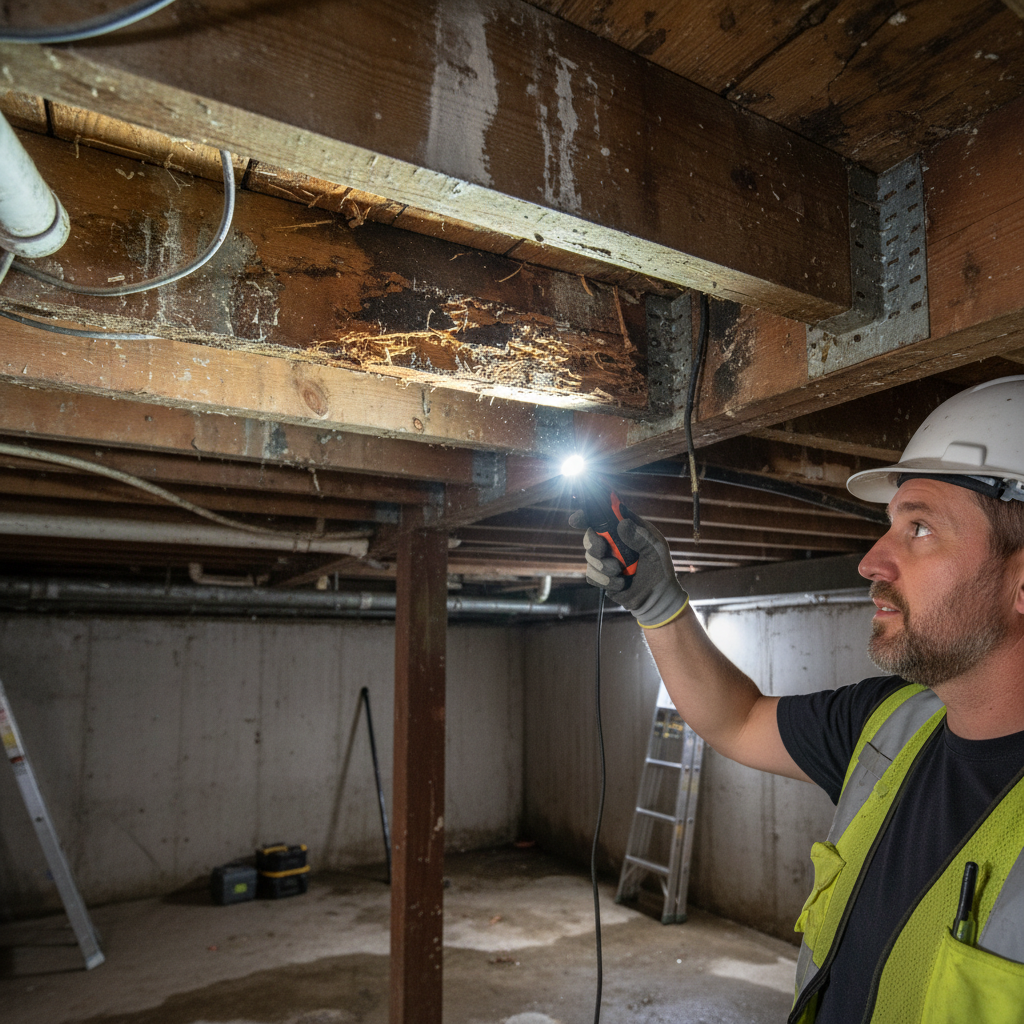
- Rot: Wood, especially untreated or poorly maintained wood, is highly susceptible to rot when exposed to prolonged moisture.
- Corrosion: Metal fasteners, if not corrosion-resistant, can rust and weaken, leading to loose boards and structural instability.
- Fading and Cracking: While often cosmetic, severe cracking can allow water to penetrate deeper into the material.
Pest Infestation
Insects and other pests can wreak havoc on wooden deck structures, often working unseen until significant damage has occurred:
- Termites: These pests can hollow out wooden joists and beams, leaving only a thin shell that appears intact but is structurally compromised.
- Carpenter Ants: While they don’t eat wood, carpenter ants excavate tunnels in damp, decaying wood to build their nests, accelerating deterioration.
- Wood-Boring Beetles: Larvae of these beetles bore tunnels into wood, leading to structural weakening.
Improper Installation
The quality of initial installation plays a massive role in the long-term integrity of a roof deck:
- Insufficient Support: Joists that are spaced too far apart or are undersized for the anticipated load can lead to sagging and soft spots over time.
- Poor Fastening: Incorrectly installed or insufficient fasteners can lead to loose boards and eventual structural instability.
- Lack of Ventilation: Without proper air circulation beneath the deck surface, moisture can get trapped, creating an ideal environment for mold and rot.
Lack of Maintenance
Neglecting regular cleaning and inspections can compound these problems. Accumulated debris can trap moisture, clogged drains can lead to pooling, and failing sealants or coatings can go unnoticed, allowing water to infiltrate.
How to Identify Roof Deck Soft Spots
Early detection is key to preventing minor issues from becoming major, costly repairs. Here’s how to identify potential soft spots:
Visual Inspection
Start with a thorough visual check of your entire deck surface:
- Discoloration: Look for dark stains, mold, mildew, or moss growth, which often indicate moisture problems.
- Warping or Cupping: Decking boards that are bent, twisted, or lifted at the edges suggest water damage and material stress.
- Sagging: Visible depressions or unevenness in the deck surface are clear indicators of structural weakness beneath.
- Cracks or Gaps: Wide cracks, splintering, or unusual gaps between boards can be entry points for water.
- Rust or Corrosion: Check fasteners (screws, nails) for signs of rust, indicating prolonged moisture exposure.
Tactile Inspection (The “Bounce” Test)
Walk across your entire deck, paying close attention to how it feels underfoot:
- Spongy Feel: Areas that feel unusually springy or soft when you step on them are classic soft spots.
- Excessive Movement: If boards shift or bounce more than they should, it suggests loose fasteners or deteriorated support.
- Probing: Gently push on suspect areas with a screwdriver or a firm stick. If the tool easily penetrates the wood, it’s severely rotted.
Smell Test
A persistent musty or earthy odor emanating from specific areas of the deck often signals hidden mold or rot, even if not immediately visible.
Sound Test
Tap firmly on different sections of the deck with a hammer or a sturdy object. Healthy wood should produce a solid, resonant sound, while rotted or hollowed-out sections will emit a dull, thudding, or hollow sound.
Professional Inspection
For a truly comprehensive assessment, especially if you suspect extensive damage or have difficulty pinpointing the source, consider hiring a professional deck inspector or contractor. They use specialized tools like moisture meters and infrared cameras to detect hidden water intrusion and assess the full extent of damage without invasive methods.
The Dangers Posed by Soft Spots
Beyond being an eyesore, roof deck soft spots pose several serious risks:
- Structural Failure: The most severe danger is the potential for catastrophic collapse. As rot and deterioration progress, the underlying structure weakens to the point where it can no longer support weight, leading to serious injury or even fatality.
- Water Intrusion into Your Home: Since these decks often sit directly above living spaces, a compromised waterproof membrane or structural failure can lead to leaks inside your home, causing damage to ceilings, walls, flooring, and electrical systems.
- Safety Hazards: Soft spots can create uneven surfaces, tripping hazards, or areas where someone could fall through, especially if the rot is extensive.
- Mold and Mildew Growth: Persistent moisture that causes soft spots is also an ideal breeding ground for mold and mildew. This can spread into your home’s interior, causing respiratory problems and allergic reactions for occupants.
- Decreased Property Value: An unsafe or visibly damaged deck significantly detracts from your home’s curb appeal and market value.
Repairing Roof Deck Soft Spots
Addressing roof deck soft spots effectively requires careful assessment and appropriate repair strategies. The approach will vary significantly depending on the extent and cause of the damage.
Assessment and Diagnosis
Before any repair work begins, accurately diagnose the problem. Determine:
- The Extent of Damage: Is it just a few decking boards, or has the rot spread to the joists and sub-structure?
- The Cause: Is it a leaky membrane, poor drainage, pest infestation, or just aged materials? Repairing without addressing the root cause guarantees the problem will return.
Minor Repairs (Surface Level)
If the damage is purely superficial and limited to the decking surface with no compromise to the sub-structure:
- Sealant Application: For small cracks or gaps that allow minor water intrusion, high-quality, flexible exterior sealants can provide a temporary fix.
- Board Replacement: If only a few decking boards are soft due to isolated rot, they can often be individually removed and replaced with new, properly treated material.
Replacing Damaged Sections (Structural)
When soft spots indicate deeper structural issues, more extensive work is necessary:
- Cutting Out and Replacing Decking: All compromised decking material in the affected area must be removed. This often involves cutting out square or rectangular sections that include the soft spot.
- Repairing or Replacing Joists: If joists are rotted, they must be either repaired by sistering (attaching a new joist alongside the old one) or completely replaced. This is critical for restoring structural integrity.
- Membrane Repair/Replacement: If the waterproofing membrane is compromised, it must be repaired or a new section installed, carefully integrating it with the existing membrane to ensure a watertight seal.
- Sub-Roof Repair: In severe cases, the underlying sub-roofing may also be damaged by water and require repair or replacement before the deck structure can be rebuilt.
Addressing the Root Cause
Crucially, after replacing damaged components, you must address what caused the soft spot in the first place:
- Drainage Improvements: Install additional drains, improve the deck’s slope, or ensure existing scuppers and downspouts are clear and functioning.
- Flashing Repair: Repair or upgrade any faulty flashing around deck edges, walls, and penetrations.
- Pest Extermination: If pests are the culprit, engage a professional exterminator before rebuilding to ensure the infestation is completely eradicated.
- Waterproofing Application: Consider applying a new waterproofing coating or membrane over the entire deck surface for renewed protection.
When to Call a Professional
Unless you have significant experience in carpentry, roofing, and structural repair, it is highly recommended to call a professional contractor for roof deck soft spots. Structural repairs, especially on a roof deck, can be complex and dangerous if done incorrectly. A professional can accurately assess the damage, ensure proper waterproofing, and guarantee that the repairs meet safety and building codes.
Preventing Roof Deck Soft Spots
Proactive maintenance and thoughtful design are your best defense against soft spots.
Regular Inspections and Maintenance
Schedule semi-annual (spring and fall) inspections of your deck. Look for any signs of wear, pooling water, or pest activity. Regular cleaning and maintenance of your deck are vital for longevity. Clear debris, sweep away leaves, and clean the surface to prevent moisture trapping and mold growth. Reapply sealants or stains as needed to protect the material.
Proper Drainage Systems
Ensure your roof deck has adequate slope (at least 1/4 inch per foot) to direct water towards drains or scuppers. Keep drains clear of leaves and debris. Consider installing a pedestal system for pavers or tiles, which allows water to drain beneath the surface to a waterproof membrane below.
Effective Waterproofing
The integrity of your waterproof membrane is paramount. Use high-quality, durable materials and ensure professional installation. Regularly inspect the membrane for cracks, tears, or peeling, and address any issues immediately. Liquid-applied membranes or sheet membranes are common choices for roof decks.
Quality Materials and Installation
Invest in durable, weather-resistant decking materials suitable for a roof deck environment. This might include pressure-treated lumber, composite decking, PVC, or stone/pavers over a pedestal system. Always ensure the deck is built to code by qualified professionals who understand the specific requirements for roof deck construction, including proper joist spacing and fastening.
Pest Control
Be vigilant for signs of termites, carpenter ants, or other wood-boring insects. Keep wood away from the deck structure and address any moisture issues that attract pests. Consider regular pest inspections, especially in areas prone to infestations.
Ventilation
Ensure there’s adequate airflow beneath the deck boards, especially if they are close to the underlying membrane. Trapped moisture can lead to rot, even with good waterproofing.
Choosing the Right Materials for Your Roof Deck
The materials you choose for your roof deck can significantly impact its longevity and susceptibility to soft spots. Each option has its advantages and considerations:
Wood Decking
- Pressure-Treated Wood: Affordable and resistant to rot and insects, but requires regular sealing and maintenance. Can still warp or crack over time.
- Cedar or Redwood: Naturally resistant to decay and insects, offering a beautiful aesthetic. More expensive and still requires sealing.
Composite Decking
- Pros: Made from a blend of wood fibers and plastic, highly resistant to rot, insects, and splintering. Low maintenance and comes in various colors and finishes.
- Cons: Can be more expensive upfront. Some older generations were prone to fading or staining, but newer composites are more durable.
PVC Decking
- Pros: 100% plastic, offering superior resistance to moisture, mold, and insects. Extremely low maintenance and very durable.
- Cons: Generally the most expensive option. Can expand and contract more with temperature changes, requiring careful installation.
Tile Over Pedestals
- Pros: Creates an elegant, durable surface that is highly resistant to weather. Water drains through the gaps between tiles, over the waterproof membrane below. Easy to access the membrane for inspection or repair.
- Cons: Higher upfront cost. Installation is complex and requires a professional.
Regardless of the material, proper installation, a robust waterproofing system, and a well-thought-out drainage plan are non-negotiable for a long-lasting, problem-free roof deck.
Frequently Asked Questions
Can I ignore a small soft spot on my roof deck?
No, it is highly inadvisable to ignore any soft spot, no matter how small it seems. A small soft spot is often an indicator of a larger, underlying issue, typically water damage or rot, that will only worsen over time. It can compromise the structural integrity of your deck and potentially lead to more extensive and costly repairs, or even a dangerous collapse.
How often should I inspect my roof deck for soft spots?
You should conduct a thorough visual and tactile inspection of your roof deck at least twice a year, ideally in the spring after winter snows melt and in the fall before winter sets in. Additionally, perform a quick check after any heavy storms or periods of prolonged rain.
What’s the difference between a roof deck and a regular ground-level deck?
The primary difference is that a roof deck is built directly over a habitable living space and serves as the roof for that space. This means it requires a comprehensive waterproofing system (membrane, flashing) to prevent water intrusion into the home below, making its construction and maintenance more complex and critical than a ground-level deck.
Is a soft spot always caused by rot, or could it be something else?
While rot is the most common cause, soft spots can also be due to other factors. These include pest infestation (termites, carpenter ants), poorly spaced or undersized joists (leading to inadequate support), or simply aging, fatigued materials that have lost their structural integrity over time. However, moisture is almost always a contributing factor to these issues.
How much does it cost to fix roof deck soft spots?
The cost to fix roof deck soft spots varies widely depending on the extent of the damage, the materials needing replacement (decking boards, joists, membrane), and whether the underlying cause (e.g., drainage issues, flashing problems) also needs to be addressed. Minor repairs might range from a few hundred dollars, while extensive structural repairs, especially involving the waterproofing membrane and multiple joists, can easily run into several thousands of dollars. Getting multiple quotes from qualified professionals is recommended.
Conclusion
Roof deck soft spots are more than just an inconvenience; they are a critical warning sign that the structural integrity and waterproofing of your valuable outdoor living space may be compromised. By understanding their causes, performing regular inspections, and taking prompt, appropriate action, you can prevent minor issues from escalating into dangerous and costly problems. Investing in quality materials, professional installation, and consistent maintenance will ensure your roof deck remains a safe, beautiful, and enjoyable extension of your home for many years to come.