There are few things as unsettling on a cold day as realizing your furnace has gone silent, leaving your home without heat. A furnace losing its electrical connection can range from a simple fix to a more complex electrical issue, but understanding the potential causes and knowing how to safely troubleshoot can save you from a chilly evening and a costly emergency call. This comprehensive guide will walk you through common reasons your furnace might lose power, essential safety precautions, step-by-step troubleshooting tips, and crucial advice on when to call a professional HVAC technician.
The Chill of Disconnection: Understanding Why Your Furnace Loses Power
Your furnace, whether gas, electric, or oil, relies heavily on a consistent electrical supply to operate. This power fuels everything from the thermostat’s digital display and the control board’s logic to the igniter, blower motor, and various safety sensors. When this electrical connection is interrupted, the furnace cannot start, maintain its operation, or even display error codes, leaving you in the cold. Identifying the root cause requires a systematic approach, always prioritizing safety.
Common Culprits Behind a Furnace Losing Electrical Connection
Several factors can cause your furnace to lose power, some of which are surprisingly common and relatively easy to address, while others demand professional expertise. Let’s explore the frequent offenders:
Tripped Breaker or Blown Fuse
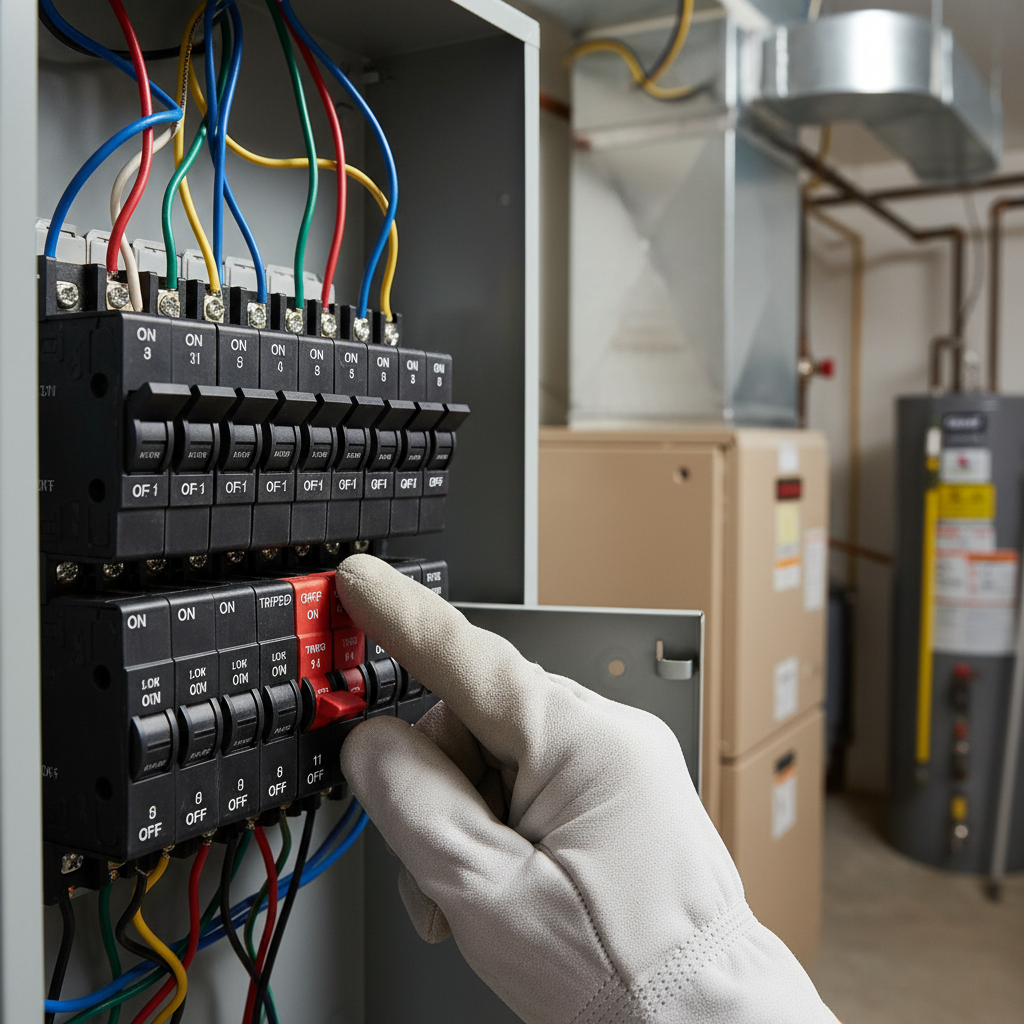
One of the most common reasons for a furnace losing electrical connection is a tripped circuit breaker or a blown fuse. Furnaces draw a significant amount of power, especially during startup. An overload on the circuit, a short circuit within the furnace, or even just an aging breaker can cause it to trip, cutting power to the unit. Similarly, older homes with fuse boxes might experience a blown fuse for the same reasons. This is a safety mechanism designed to prevent electrical fires and protect your home’s wiring.
Loose Wiring Connections
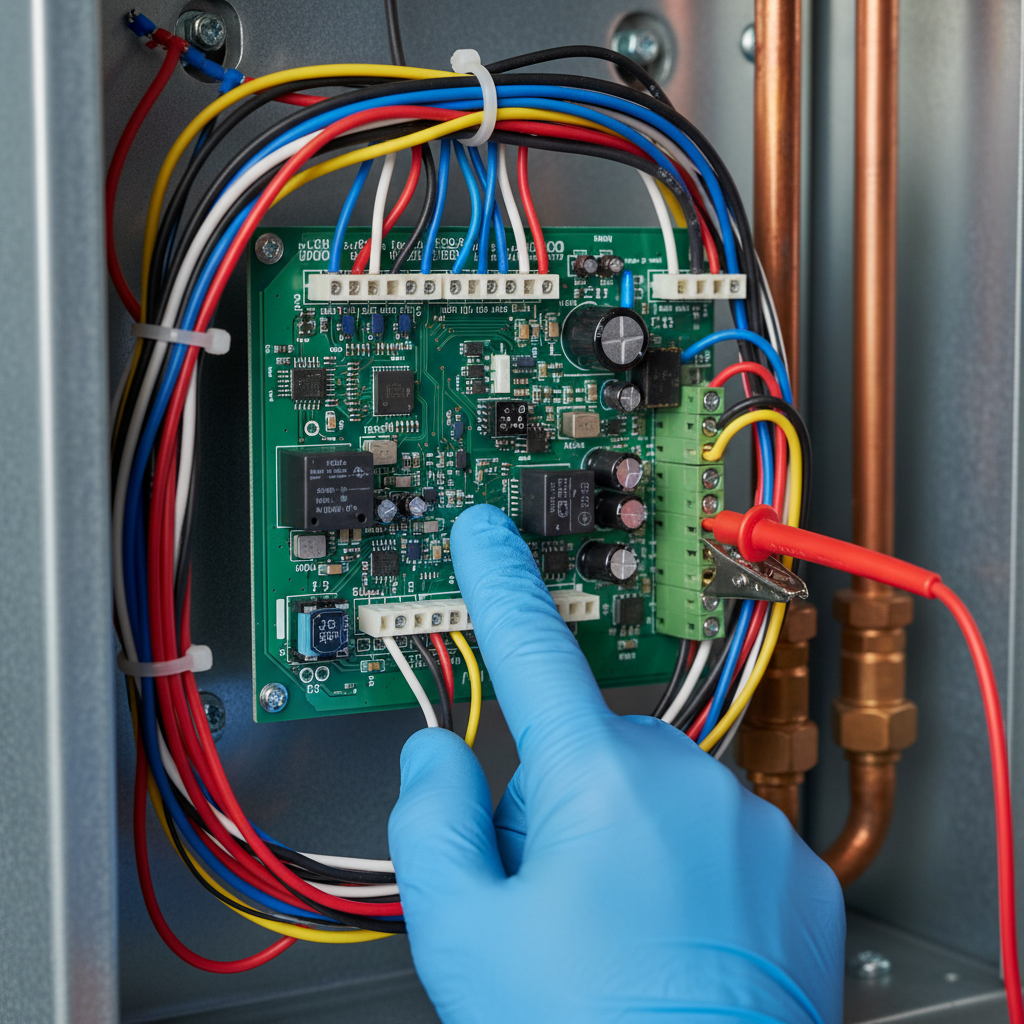
Over time, vibrations from the furnace, improper installation, or even wear and tear can cause electrical wires to become loose. These loose connections can occur at various points: at the thermostat, where the furnace connects to the main power supply, on the furnace’s control board, or even within the motor itself. A loose wire will disrupt the electrical flow, causing intermittent or complete power loss. This particular issue can also pose a significant fire hazard, making prompt attention crucial.
Faulty Thermostat
Your thermostat is the brain of your heating system. If it’s not receiving power, has dead batteries, or is simply malfunctioning, it won’t be able to send the “call for heat” signal to your furnace. While the furnace itself might have power, the lack of a signal from the thermostat effectively makes it unresponsive. Issues can range from simple battery replacement to needing a complete thermostat recalibration or replacement.
Clogged Air Filter
While seemingly unrelated to electrical connections, a severely clogged air filter can indirectly lead to your furnace shutting down due to power interruption. A dirty filter restricts airflow, causing the furnace to work harder and potentially overheat. Modern furnaces are equipped with safety features, including a limit switch, that will shut off the system if it gets too hot to prevent damage. This shutdown can manifest as a complete loss of power or an inability to restart.
Drain Pan Overflow Switch Activation (Condensate Issues)
High-efficiency furnaces produce condensate (water) as a byproduct of combustion. This water collects in a drain pan and is typically pumped out through a condensate line. If the drain line becomes clogged, or the pump fails, the pan can overflow. Many furnaces have a float switch in the drain pan that detects this overflow and will shut off the furnace’s power to prevent water damage and further issues. This is a common safety feature that often gets overlooked during troubleshooting.
Malfunctioning Limit Switch
The limit switch is another critical safety component designed to monitor the temperature within the furnace’s heat exchanger. If the temperature exceeds a safe limit (often due to restricted airflow from a dirty filter or a faulty blower motor), the limit switch will cut power to the burner, preventing the furnace from overheating. A faulty limit switch can either fail to reset, keeping the furnace off, or trip unnecessarily, leading to intermittent power loss.
Weak or Failing Flame Sensor
Gas furnaces use a flame sensor to confirm that a flame has ignited after the gas valve opens. This is a vital safety feature that prevents raw gas from accumulating in your home. If the flame sensor is dirty or faulty, it might not detect the flame, causing the furnace to shut down after a few seconds of attempting to ignite, often before the blower even starts. While not a direct electrical “disconnection,” it results in the furnace failing to operate electrically through its safety sequence.
Issues with the Furnace Control Board
The control board is the central circuit board that manages all the furnace’s operations, interpreting signals from the thermostat and sensors, and controlling the various components. If the control board itself experiences an electrical fault, a short circuit, or simply fails due to age or power surge, it can cause the entire furnace to lose power or exhibit erratic behavior. This is typically a job for a qualified technician.
Problems with the Blower Motor Capacitor
The blower motor capacitor provides a burst of electricity needed to start the blower motor. If this capacitor weakens or fails, the blower motor may struggle to start, hum loudly, or not run at all. While the furnace might still receive power, the failure of a critical component like the blower can cause the control board to initiate a safety shutdown, leading to a perceived electrical connection loss.
Critter Interference or Damaged Wiring
In some cases, external factors can lead to electrical issues. Rodents or other pests might chew through low-voltage wiring, disrupting communication between the thermostat and the furnace. Additionally, physical damage to external wiring by other contractors or even during home renovations can sever the electrical connection to your furnace.
Safety First: Essential Precautions Before Troubleshooting
Before you attempt any troubleshooting steps involving your furnace’s electrical system, it’s paramount to prioritize safety. Working with electricity can be dangerous and potentially lead to serious injury or property damage if not handled correctly. Always follow these precautions:
- Turn Off Power at the Breaker: Locate your home’s main electrical panel and switch off the circuit breaker that controls your furnace. This is the single most important step. If you’re unsure which breaker it is, switch off the main breaker to cut power to your entire home.
- Locate the Furnace’s Service Switch: Most furnaces have a dedicated light-switch-style power switch located on or near the furnace unit itself. Turn this off as well for an added layer of safety.
- Use a Non-Contact Voltage Tester: If you plan on examining wiring, invest in a non-contact voltage tester. This device allows you to check if wires are live without touching them, even after you’ve flipped the breaker.
- Never Touch Exposed Wires: Even with the power off, avoid direct contact with exposed wiring.
- Don’t Overlook Gas Lines: If you have a gas furnace, be mindful of the gas shut-off valve. While troubleshooting electrical issues, ensure you are not accidentally tampering with gas connections.
- Call a Professional for Complex Issues: If you feel uncomfortable at any point, encounter burning smells, or suspect significant electrical damage, immediately stop troubleshooting and contact a qualified HVAC technician. Your safety and the integrity of your home’s systems are worth it. Always prioritize safety when dealing with electrical components in your home. Good Housekeeping provides excellent tips on general home appliance safety that apply to your furnace as well.
Step-by-Step Troubleshooting When Your Furnace Loses Power
Once you’ve ensured safety, you can proceed with these troubleshooting steps:
Check Your Thermostat
- Batteries: If your thermostat runs on batteries, replace them, even if you think they’re fine.
- Settings: Ensure your thermostat is set to “Heat” and the fan is on “Auto.” Sometimes, simply switching it off and then back on, or raising the set temperature a few degrees above the current room temperature, can prompt a response.
- Reset: Some smart thermostats have a reset button or a sequence to restart them. Consult your thermostat’s manual.
Inspect the Electrical Panel
- Tripped Breaker: Go to your electrical panel. Look for any circuit breakers that are in the “OFF” position or are “tripped” (usually in an intermediate position between ON and OFF). Flip the tripped breaker completely to the “OFF” position, then firmly back to “ON.” Do not force it.
- Blown Fuse: In older homes, check the fuse box. A blown fuse will have a visible break in the wire or a discolored window. Replace it with a new fuse of the correct amperage.
Examine the Furnace’s Power Switch
Near your furnace, you’ll often find a light-switch-like power switch. This switch might have been accidentally bumped or turned off. Ensure it is in the “ON” position. Sometimes, this switch is located on a wall in a utility closet or basement, resembling a regular light switch, but it exclusively controls the furnace power.
Look for Obvious Loose Wires
(Remember: POWER OFF at the breaker!)
- Furnace Junction Box: Carefully open the access panel to your furnace’s electrical junction box where the main power supply connects. Gently check if any wires are visibly loose or disconnected.
- Control Board: Visually inspect the connections on the furnace’s control board. Wires should be firmly attached.
- Thermostat Wiring: At the back of your thermostat, ensure the low-voltage wires (typically thin, colored wires) are securely fastened to their terminals.
- Blower Motor: If accessible and safe, check the wiring leading to the blower motor.
Review the Air Filter
Pull out your furnace’s air filter. If it’s heavily caked with dust and debris, replace it immediately. A new, clean filter can restore proper airflow and prevent the limit switch from tripping.
Check the Condensate Drain Line and Pan
(For high-efficiency furnaces with condensate lines)
- Inspect the Pan: Check the condensate drain pan for standing water. If it’s full, gently empty it.
- Clear the Line: Look for clogs in the condensate drain line. You can often clear minor clogs using a wet/dry vacuum or by gently flushing it with a mixture of water and vinegar.
- Reset the Float Switch: If the pan was full, emptying it should allow the float switch to drop and reset, potentially restoring power to the furnace.
Listen for Error Codes
Many modern furnaces have a small LED light on the control board that flashes in specific patterns to indicate error codes. If your furnace has power but isn’t starting, observe this light. Consult your furnace’s manual to decipher the code, which can pinpoint the exact issue, even if it’s a safety shutdown rather than a complete electrical disconnection.
When to Call a Professional HVAC Technician
While DIY troubleshooting can resolve many minor issues, there are definite scenarios where calling a professional HVAC technician is not just recommended, but necessary for safety and effective repair:
- Persistent Tripping Breakers: If your circuit breaker repeatedly trips even after resetting it, this indicates a more serious electrical fault or an overloaded circuit that needs expert diagnosis.
- Burning Smells or Strange Noises: Any unusual odors (like burning plastic or electrical components) or loud, grinding, or buzzing noises warrant immediate professional attention. These could signify serious electrical problems or mechanical failures.
- Visible Damage to Wiring: If you see frayed, scorched, or exposed wires, do not attempt to fix them yourself. This is a significant safety hazard.
- After Basic Troubleshooting: If you’ve gone through all the basic troubleshooting steps and your furnace still isn’t working, the problem is likely internal and requires specialized tools and knowledge to diagnose.
- Any Discomfort with Electrical Work: If you are not confident or comfortable working with electrical components, it’s always best to err on the side of caution and call a licensed professional.
- Control Board Issues: Diagnosing and replacing a faulty control board is complex and should be handled by a professional.
- Gas Furnace Concerns: If you suspect any issue related to the gas supply or combustion components of a gas furnace, contact a professional immediately due to potential carbon monoxide hazards.
Preventing Future Electrical Disconnections: Proactive Maintenance Tips
Regular maintenance is key to keeping your furnace running smoothly and preventing unexpected electrical issues. Adopting a proactive approach can extend the life of your furnace and ensure reliable heating.
Regular Filter Changes
Make it a habit to check your air filter monthly and replace it every 1-3 months, or more frequently if you have pets, allergies, or live in a dusty environment. A clean filter ensures proper airflow, preventing overheating and unnecessary strain on the system’s electrical components and avoiding limit switch trips.
Annual Professional Tune-Ups
Schedule a professional HVAC inspection and tune-up every fall before the heating season begins. During this service, technicians will clean internal components, inspect wiring for wear or looseness, check electrical connections, test safety controls, and ensure all parts are functioning correctly. This can catch potential electrical problems before they cause a complete shutdown.
Keep Condensate Lines Clear
For high-efficiency furnaces, regularly check and clean your condensate drain line. Pouring a cup of distilled vinegar mixed with water down the line every few months can help prevent algae and clogs from forming, thereby preventing the float switch from activating.
Inspect Wiring Periodically (Visual Check)
During your annual cleaning or filter change, take a moment (with the power off!) to visually inspect the accessible wiring around your furnace and thermostat. Look for any signs of fraying, cracking, or chew marks. While you shouldn’t attempt to repair damaged wiring yourself, identifying issues early allows you to schedule professional repair promptly.
Ensure Proper Thermostat Function
Make sure your thermostat batteries are fresh and that it is programmed correctly for your heating needs. A well-maintained thermostat ensures accurate communication with your furnace, preventing unnecessary cycles and potential electrical wear and tear.
FAQs About Furnace Electrical Issues
Why does my furnace keep tripping the breaker?
A furnace that repeatedly trips its breaker usually indicates a deeper electrical issue. Common causes include an overloaded circuit (too many appliances on one circuit), a short circuit within the furnace (e.g., faulty wiring, motor, or control board), or a weak or failing circuit breaker itself. This requires professional diagnosis to prevent damage or fire hazards.
Can a dirty air filter cause electrical problems?
Indirectly, yes. A severely dirty air filter restricts airflow, causing the furnace to overheat. When this happens, a safety device called a limit switch will cut power to the furnace’s burner to prevent damage. While not a direct electrical “problem,” it mimics a power loss and is a common reason for furnaces to stop running.
How often should I have my furnace professionally inspected?
It is recommended to have your furnace professionally inspected and tuned up at least once a year, ideally in the fall before the heating season begins. This ensures all components, including electrical connections, are in good working order and helps prevent unexpected breakdowns.
What’s the difference between a tripped breaker and a blown fuse?
Both are safety mechanisms that cut off power to a circuit when there’s an overload or short circuit. A tripped breaker is a reusable switch that you can reset by flipping it off and then back on. A blown fuse, found in older electrical systems, contains a wire that melts and breaks the circuit, requiring the fuse to be replaced entirely.
Is it safe to try to fix furnace electrical issues myself?
For simple issues like resetting a tripped breaker, replacing thermostat batteries, or changing an air filter, DIY is generally safe if you follow precautions. However, any troubleshooting involving opening the furnace’s electrical panels, working with high-voltage wiring, or attempting repairs on components like the control board or motor should always be left to a certified HVAC professional. Electrical work carries significant risks of shock, fire, and damage if not performed correctly.
Conclusion: Staying Warm and Safe
A furnace losing its electrical connection can be frustrating, but with the right knowledge and a commitment to safety, you can often diagnose and even resolve many common issues. Remember to always turn off power before inspecting internal components, and never hesitate to call a qualified HVAC technician if you’re unsure or uncomfortable. Regular maintenance is your best defense against unexpected breakdowns, ensuring your home remains warm, safe, and comfortable throughout the colder months.