Understanding Why Water Backs Up Into Your Bathtub
Before diving into solutions, it’s vital to grasp the mechanics of why your bathtub drain might be struggling. Your home’s plumbing system is a complex network of pipes designed to efficiently carry wastewater away. When water starts backing up, it’s a clear indicator that something is obstructing this flow.
The Main Culprit: Clogged Drains
The most common reason for water backing up into a bathtub is a clog within the drainpipe itself. Over time, various substances can accumulate and form a stubborn blockage that restricts water flow.
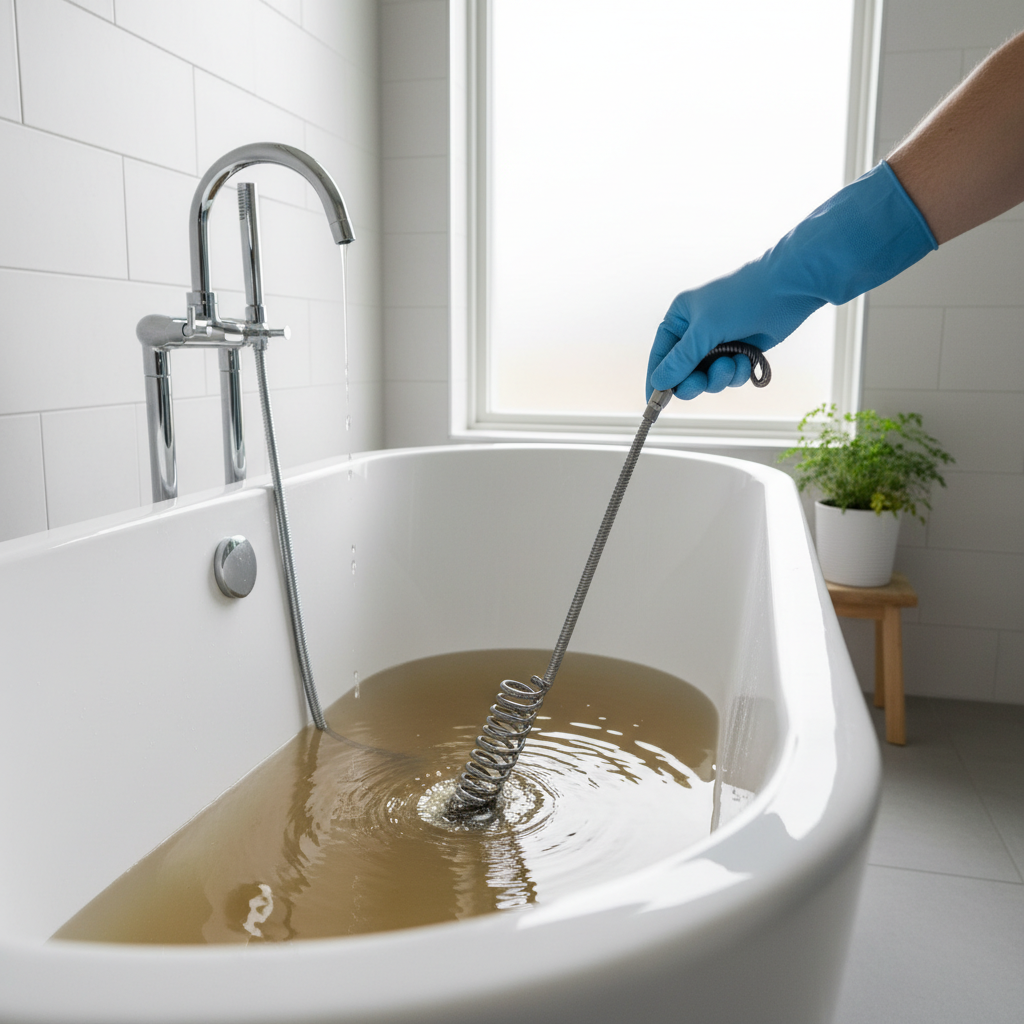
- Hair: The number one culprit. Loose hair, especially long hair, easily tangles and combines with other debris to form dense mats.
- Soap Scum: A sticky residue left behind by bar soap, shampoo, and body washes, soap scum adheres to pipe walls, narrowing the drain and trapping hair and other particles.
- Grease and Oil: While more common in kitchen sinks, grease can sometimes make its way into bathroom drains, solidifying and creating blockages.
- Foreign Objects: Small items like cotton swabs, dental floss, small toys, or even jewelry can accidentally fall into the drain and cause significant obstructions.
- Mineral Buildup: In areas with hard water, mineral deposits can accumulate inside pipes, reducing their diameter and eventually leading to clogs.
Deeper Issues: Main Sewer Line Problems
If the problem isn’t isolated to just your bathtub and you notice water backing up in multiple fixtures (like toilets, sinks, or even your washing machine), the issue likely lies in your main sewer line. This critical pipe carries all wastewater from your home to the municipal sewer system or a septic tank.
- Main Line Clogs: These are often caused by tree roots infiltrating the sewer line, significant grease buildup, or flushing non-biodegradable items. A main line clog prevents water from exiting your home, causing it to back up into the lowest drains first, which is often a bathtub or shower.
- Signs of a Main Line Clog: Gurgling sounds from drains or toilets when water is used elsewhere, multiple fixtures backing up simultaneously, and foul odors emanating from drains are strong indicators of a main sewer line issue.
Venting Problems
Your home’s plumbing system relies on vent pipes to equalize air pressure in the drain lines, allowing water to flow smoothly and preventing a vacuum. If a vent pipe becomes clogged (e.g., by bird nests, leaves, or even dead animals), it can lead to negative pressure in the drain lines. This can cause slow drains, gurgling noises, and in severe cases, water backing up as air struggles to enter the system, impeding proper drainage.
Drain Pipe Damage or Collapse
Less common but more severe, physical damage to a drain pipe can also lead to backups. This could include cracks, collapses due to shifting ground, or corrosion over time. Such damage creates an obstruction or prevents water from flowing freely, requiring professional repair or replacement.
Immediate Steps When Water Backs Up
When you first notice water backing up into your bathtub, don’t panic. Taking immediate, systematic steps can help you assess the situation and prevent further damage.
- Stop Using Water: Immediately cease using any other water fixtures in your home, especially toilets, sinks, and showers. Continuing to run water will only add to the volume in the backed-up pipes, potentially worsening the overflow.
- Assess the Situation: Observe which drains are affected. Is it just the bathtub? Or are your toilet and sink also struggling? This helps determine if it’s an isolated clog or a more serious main line issue.
- Safety First: If the water is dirty and potentially contaminated, avoid direct contact without gloves. If you suspect a sewer line issue, be cautious of foul odors or sewage.
- Locate the Cleanout Plug (If Applicable): For more serious clogs, especially those affecting the main line, locating the cleanout plug (often found outside near the foundation or in the basement) can provide access for professional clearing. Do not attempt to open it yourself if you are unsure or if there is significant pressure behind it.
DIY Solutions for a Clogged Bathtub Drain
For isolated bathtub clogs, there are several effective DIY methods you can try before resorting to a plumber. Always prioritize safety and follow instructions carefully.
The Plunger Method
A good old-fashioned plunger can be surprisingly effective for many bathtub clogs. Its suction action can dislodge blockages.
- Prepare the Area: Remove the pop-up stopper or grate from the drain. Fill the tub with enough water to cover the plunger cup (about 2-3 inches).
- Create a Seal: Place the plunger firmly over the drain, ensuring a tight seal.
- Plunge Vigorously: Push down and pull up sharply several times, maintaining the seal.
- Check Drainage: Remove the plunger and see if the water drains. You might need to repeat this process several times.
Baking Soda and Vinegar
This natural remedy creates a chemical reaction that can help break down soft clogs like soap scum and hair, especially when the clog is not too dense.
- Remove Standing Water: If there’s standing water, try to scoop out as much as possible.
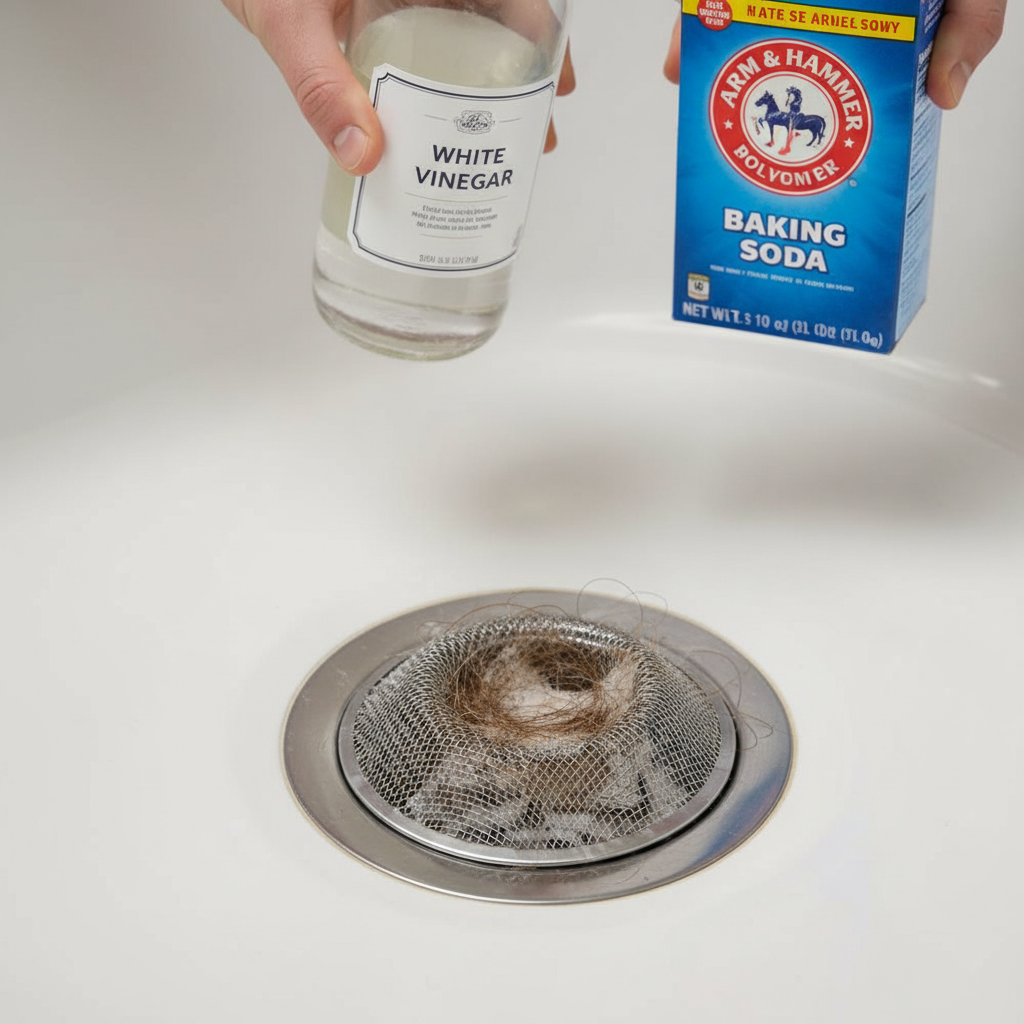
- Pour Baking Soda: Pour about 1/2 to 1 cup of baking soda directly down the drain.
- Add Vinegar: Follow with an equal amount of white vinegar. You’ll hear fizzing as the reaction occurs.
- Let it Sit: Place a stopper over the drain and let the mixture sit for at least 30 minutes, or even better, overnight.
- Flush with Hot Water: After the waiting period, flush the drain with a kettle full of very hot (but not boiling) water to rinse away the loosened clog.
Manual Drain Snake (Auger)
A drain snake, or auger, is a flexible coil of wire that can be inserted into the drain to physically dislodge or retrieve clogs. This is more effective for deeper clogs than a plunger.
- Get the Right Tool: A handheld auger is suitable for bathtub drains.
- Insert the Snake: Feed the end of the snake into the drain opening. Push it gently until you feel resistance, which indicates the clog.
- Work Through the Clog: Rotate the handle of the snake as you push and pull it, trying to break up the clog or hook onto it.
- Retrieve the Clog: Once you’ve engaged the clog, slowly pull the snake back out, hopefully bringing the obstruction with it.
- Flush: Run hot water to flush any remaining debris.
Removing and Cleaning the Pop-Up Stopper
Sometimes, the clog is right at the drain opening, around the pop-up stopper mechanism. Removing and cleaning it can clear the blockage.
- Remove the Stopper: Depending on your tub, the pop-up stopper can usually be unscrewed or lifted out. Some require removing a plate on the overflow drain to access a lever.
- Clean Debris: Once removed, clean off any hair, soap scum, or other debris clinging to the stopper or its assembly.
- Check Down the Drain: Use a flashlight to look down the drain opening and manually pull out any visible hair or debris with pliers or gloved fingers.
- Reassemble: Reinsert the stopper and test the drain.
Chemical Drain Cleaners (Use with Caution!)
Chemical drain cleaners are readily available and can dissolve certain types of clogs. However, they are harsh chemicals and should be used as a last resort due to potential pipe damage, safety risks, and environmental concerns.
- Follow Instructions: Always read and strictly follow the manufacturer’s instructions for use and safety.
- Ventilation: Ensure adequate ventilation when using these products.
- Safety Gear: Wear gloves and eye protection.
- Types: Most contain strong alkaline or acidic chemicals. Avoid mixing different types of cleaners.
- When Not to Use: Never use chemical cleaners if you have already tried a plunger or another method and water is still standing. Mixing chemicals with standing water can create dangerous fumes or splashes. Also, avoid using them in older, corroded pipes or if you have a septic system, as they can harm the delicate balance of bacteria.
- External Resource: For further guidance on safely using drain cleaners and understanding their risks, consult reputable sources like Good Housekeeping’s advice on drain cleaners.
When to Call a Professional Plumber
While DIY solutions are great for minor clogs, there are situations where calling a professional plumber is not just advisable, but necessary. Recognizing these signs can save you time, money, and potential damage to your home.
- Persistent Clogs: If you’ve tried multiple DIY methods and the bathtub continues to back up, the clog might be too stubborn or deep for amateur efforts.
- Multiple Fixtures Affected: As mentioned, if your toilet, sink, and bathtub are all backing up, it’s a strong indication of a main sewer line clog, which requires specialized equipment and expertise.
- Foul Odors or Sewage Presence: The presence of sewage odors or actual sewage backing up is a serious health hazard and points to a significant main line obstruction.
- Gurgling Sounds: Persistent gurgling from drains or toilets when other water is running often indicates a problem with venting or a main line blockage.
- Signs of Pipe Damage: If you suspect a broken, collapsed, or severely corroded pipe, a plumber can use camera inspection tools to diagnose the issue without invasive procedures.
- No Cleanout Access: If your home doesn’t have an easily accessible cleanout for the main sewer line, a professional will know how to safely access the system.
Preventing Future Bathtub Backups
An ounce of prevention is worth a pound of cure, especially when it comes to plumbing. Implementing a few simple habits can drastically reduce your chances of experiencing water backing up into your bathtub again.
Regular Drain Maintenance
Make drain cleaning a routine part of your home maintenance. Periodically flushing drains with hot water, or a baking soda and vinegar solution, can help prevent buildup before it becomes a problem.
Hair Catchers and Drain Screens
These inexpensive devices are incredibly effective. Install a hair catcher or drain screen over your bathtub drain to capture hair and other debris before it enters the plumbing system. Clean them out after every use.
Be Mindful of What Goes Down the Drain
Educate everyone in the household about what should and should not go down the drain. Avoid flushing cotton balls, dental floss, feminine hygiene products, wet wipes (even “flushable” ones), or excessive amounts of hair. For kitchen sinks, never pour grease or oil down the drain.
Periodic Hot Water Flushes
After showering or bathing, let hot water run for an extra minute or two. This can help flush away residual soap and hair that might otherwise cling to pipe walls.
Professional Drain Cleaning
Consider scheduling professional drain cleaning every one to three years, especially if you have an older home, long-haired individuals, or frequently experience slow drains. A plumber can perform hydro-jetting or snaking to thoroughly clean out pipes and remove stubborn buildup.
Understanding Your Home’s Plumbing System (Brief Overview)
Gaining a basic understanding of your home’s plumbing layout can empower you to better identify and troubleshoot issues. All the drains in your home—your bathtub, sinks, toilets, and washing machine—eventually connect to a central drain line, often called the main stack. This main stack runs vertically through your home and connects to the main sewer line, which then carries all wastewater out to the municipal sewer system or your septic tank.
The interconnectedness of these systems means that a blockage anywhere along this path can manifest in unexpected places. For instance, a clog in the main stack or main sewer line will cause water to back up into the lowest drain points in your home, which is frequently the bathtub or shower on the ground floor or basement. Conversely, a clog localized to just your bathtub drain typically won’t affect other fixtures. Knowing this distinction is key to diagnosing whether you’re dealing with a simple local clog or a more complex systemic issue.
FAQs About Bathtub Drains and Backups
Why does water back up only when the toilet is flushed?
If your bathtub backs up specifically when the toilet is flushed, it almost certainly indicates a clog in the main sewer line or a branch line that serves both fixtures. The rush of water from the toilet attempting to drain encounters the blockage, causing it to seek the path of least resistance—often backing up into the lower bathtub drain. This is a strong signal to call a professional plumber immediately.
Is it safe to use a chemical drain cleaner?
Chemical drain cleaners can be effective for minor clogs but come with significant risks. They contain harsh chemicals that can damage certain types of pipes (especially older ones), pose health hazards if not handled properly (skin burns, fumes), and can be harmful to the environment. They should be used sparingly, with extreme caution, and only after carefully reading and following all manufacturer instructions. For severe or recurring clogs, professional intervention is always safer and more effective.
How often should I clean my bathtub drain?
Prevention is key! For routine maintenance, it’s a good idea to flush your bathtub drain with hot water or a baking soda and vinegar solution once a month. If you have long hair or notice slow drainage, consider cleaning the pop-up stopper or using a drain snake every few months. Installing a hair catcher and emptying it regularly is the best daily preventative measure.
Can a septic tank issue cause bathtub backups?
Yes, absolutely. If your home uses a septic system, a full or failing septic tank can cause wastewater to back up into your home’s drains, including the bathtub. Signs of a septic issue can include slow drains throughout the house, foul odors in your yard or coming from drains, and lush, green patches over the septic drain field. If you suspect a septic problem, contact a septic service professional.
What is hydro-jetting, and when is it used?
Hydro-jetting is a professional drain cleaning method that uses high-pressure water streams to thoroughly clean the interior of drainpipes. It’s highly effective at removing stubborn clogs, grease buildup, tree roots, and other debris that traditional snaking might miss or only partially break through. Plumbers often use hydro-jetting for severe main sewer line clogs or as a preventative measure to restore pipes to their original diameter, ensuring long-term drainage efficiency.
Dealing with water backing up into your bathtub can be a messy and frustrating experience, but by understanding the common causes, knowing how to address minor clogs yourself, and recognizing when to call in the professionals, you can quickly restore your plumbing to proper working order. More importantly, by adopting preventative habits, you can significantly reduce the likelihood of facing this unwelcome plumbing problem again, ensuring a clean and functional bathroom for years to come.