Embracing the Essence of Modern Minimalism for Compact Living
Modern design and minimalism, while distinct, share a powerful synergy, particularly when applied to small homes. Modern design is characterized by clean lines, open spaces, and a focus on functionality and innovative materials. Minimalism, on the other hand, advocates for simplicity, decluttering, and living with only essential items. When these two philosophies merge, they create environments that are uncluttered, serene, and incredibly efficient, making them ideal for small-scale living.
What Defines Modern Design in a Small Home?
- Clean Lines and Geometric Shapes: Furniture and architectural elements feature crisp edges and simple forms.
- Open Floor Plans: Maximizing flow and light by reducing internal walls.
- Natural Light: Large windows, skylights, and minimal window treatments to invite sunlight.
- Neutral Color Palettes: White, grey, black, and natural wood tones form the base, with occasional strategic color accents.
- Functional Materials: Steel, glass, concrete, and polished wood, often left in their natural state.
The Philosophy of Minimalism in a Small Space
Minimalism for a small home isn’t just about sparse decor; it’s a lifestyle choice. It involves intentional decision-making about every item brought into the home, focusing on quality over quantity and purpose over possession. This approach naturally leads to:
- Reduced Clutter: A core tenet, ensuring every item has a place and a purpose.
- Increased Functionality: Prioritizing items that serve multiple uses.
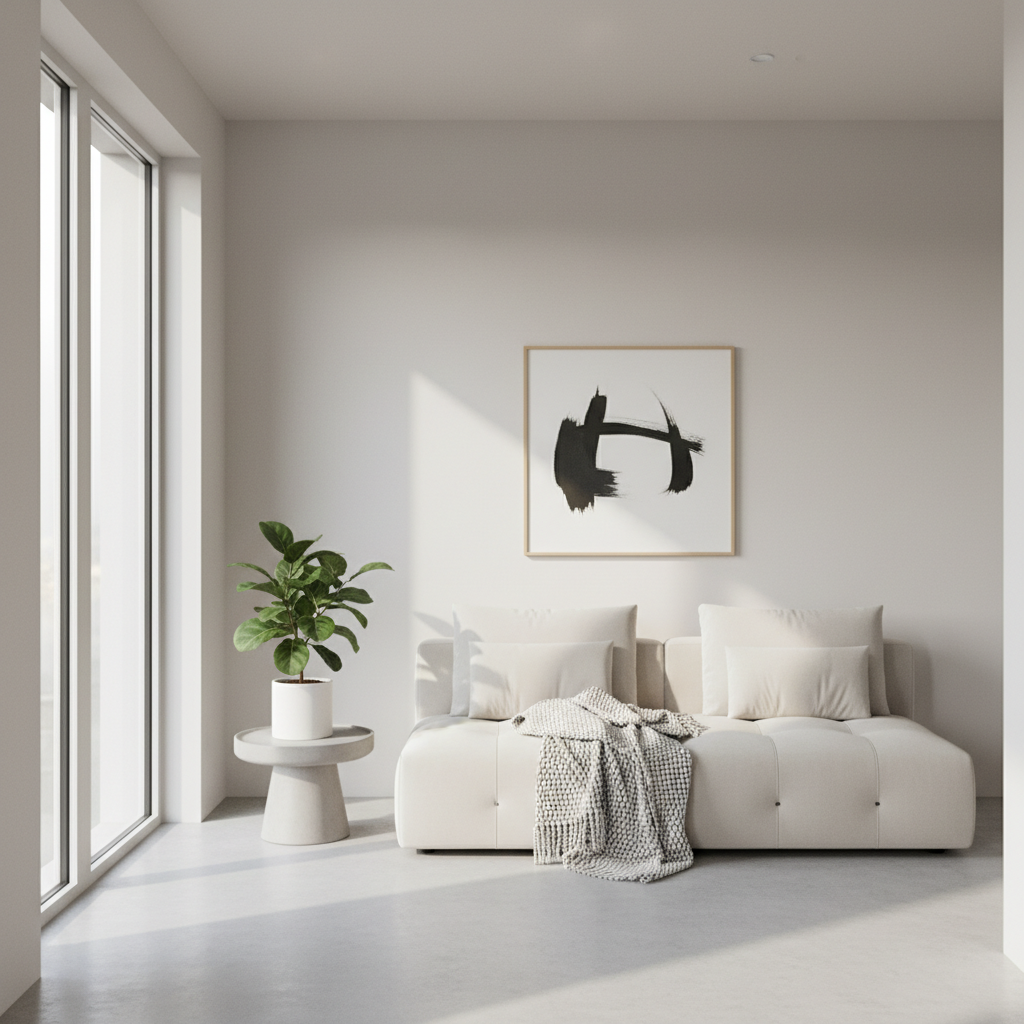
- Visual Calm: Spaces that feel open, airy, and free from visual noise.
- Mindful Consumption: A shift towards sustainable and durable possessions.
Core Principles for Modern Minimalist Small Home Design
To successfully implement modern minimalist design in a compact space, certain foundational principles must be applied consistently throughout your home. These principles ensure that every design choice contributes to a cohesive, functional, and aesthetically pleasing environment.
1. Intentional Decluttering and Organization
The cornerstone of any minimalist home, particularly a small one, is rigorous decluttering. Before any design decisions are made, assess every item you own. Ask yourself if it’s truly essential, brings joy, or serves a practical purpose. This process not only frees up physical space but also mental space. Once decluttered, maintaining organization is crucial. Every item needs a designated home, making tidying effortless and preventing future clutter build-up. For effective decluttering strategies, resources like Good Housekeeping’s guides on decluttering offer excellent practical advice.
2. Functionality Over Ornamentation
In a small modern minimalist home, every element must earn its place. Furniture should be chosen not just for aesthetics but for its practical application and often, its multi-functionality. Decorative items are kept to a minimum and typically serve as focal points or add texture rather than just being ornamental. Think of a beautifully designed lamp that provides essential lighting and also acts as a sculptural piece.
3. Maximizing Open Space and Flow
Small homes can feel larger and more inviting with an emphasis on open layouts. This often means breaking down non-load-bearing walls to create a more expansive living area. Even within distinct rooms, ensure clear pathways and avoid bulky furniture that obstructs movement. The goal is to create an uninterrupted visual and physical flow throughout the home, enhancing the sense of spaciousness.
4. Thoughtful Color Palettes and Materiality
Neutral colors such as whites, off-whites, greys, and light wood tones form the foundation of a modern minimalist aesthetic. These colors reflect light, making spaces appear brighter and larger. To prevent the space from feeling sterile, introduce texture through natural materials like wood, linen, wool, and stone. Strategic pops of color can be introduced through artwork, plants, or a single piece of furniture, providing visual interest without overwhelming the senses.
5. Harnessing Natural Light
Natural light is a vital element in any small home, making it feel airy, open, and vibrant. Maximize it by keeping windows unobstructed with minimal or no coverings, or opting for sheer blinds. Strategically placed mirrors can also reflect light and views, effectively doubling the perceived size of a room. Artificial lighting should complement natural light, with layered options including ambient, task, and accent lighting.
Practical Design Ideas for Your Small Minimalist Sanctuary
Translating these principles into tangible design choices requires careful consideration. Here are specific modern home design ideas for small minimalist homes, categorized for easy implementation.
Intelligent Furniture Selection
- Multi-functional Pieces: Invest in furniture that serves more than one purpose. Think sofa beds, storage ottomans, coffee tables with hidden compartments, and dining tables that extend or fold away.
- Scaled-Down Proportions: Choose furniture proportionate to the room size. Oversized pieces will overwhelm a small space. Opt for sleek designs with slender legs to keep the floor visible, contributing to a sense of openness.
- Built-in Storage: Custom built-ins can seamlessly integrate storage into walls, making it practically invisible and maximizing vertical space. This includes built-in shelves, desks, and even beds with integrated drawers underneath.
- Verticality: Utilize vertical space with tall, narrow bookshelves, wall-mounted shelves, and ceiling-height cabinetry.
Optimizing Layout and Flow
- Open Concept Living: Combining living, dining, and kitchen areas into one fluid space is a hallmark of modern small home design. This creates a more expansive feel and fosters social interaction.
- Zoning with Purpose: In an open concept, define different functional zones using rugs, furniture arrangement, or subtle changes in lighting, rather than physical barriers.
- Sliding Doors or Pocket Doors: Replace traditional hinged doors that swing open and take up valuable floor space with sliding or pocket doors, especially in bathrooms, closets, or small offices.
- Strategic Furniture Placement: Position furniture to facilitate easy movement and maintain clear sightlines, contributing to the feeling of openness.
Color, Light, and Reflection
- Monochromatic Base: Start with a base of white, light grey, or beige for walls and larger furniture pieces. This creates a calm backdrop that allows the space to breathe.
- Accent Colors: Introduce color through carefully selected accessories, artwork, or a single piece of statement furniture. Keep accents minimal to maintain the minimalist aesthetic.
- Layered Lighting: Combine ambient lighting (recessed lights, ceiling fixtures) with task lighting (under-cabinet lights, reading lamps) and accent lighting (spotlights on artwork) to create depth and warmth.
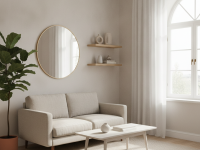
- Mirrors: Large mirrors are excellent for making a room feel twice its size. Position them opposite a window to reflect light and outdoor views, enhancing both brightness and perceived depth.
Material Choices and Textural Richness
- Natural and Sustainable Materials: Favor materials like wood, bamboo, cork, linen, cotton, and stone. These add warmth, texture, and a connection to nature.
- Clean Finishes: Opt for smooth, unadorned surfaces for cabinetry, countertops, and flooring. Polished concrete, sleek quartz, and minimalist wood grains are excellent choices.
- Glass and Metal Accents: Incorporate glass for tabletops, shower enclosures, or shelving to maintain an airy feel. Matte black or brushed metal accents can add a contemporary edge without being visually heavy.
Minimalist Decor and Curated Accessories
- “Less is More” Philosophy: Every decorative item should be meaningful. Avoid excessive knick-knacks.
- Art as a Focal Point: A single large piece of art or a carefully curated gallery wall can add personality without clutter.
- Greenery: Houseplants introduce life, color, and texture. Choose elegant, simple planters that complement the overall aesthetic.
- Textural Layers: Use throws, pillows, and rugs in varying textures and subtle patterns to add depth and comfort to a neutral palette.
Seamless Technology Integration
- Hidden Wiring: Conceal cables and wires for electronics to maintain a clean and uncluttered look. Use wall channels or built-in media units.
- Smart Home Devices: Integrate smart home technology for lighting, climate control, and entertainment. Many devices are designed to be sleek and discreet, fitting perfectly into a modern minimalist home.
- Wall-Mounted TVs: Mount televisions flush against the wall to save space and create a streamlined appearance.
Maximizing Every Square Foot in Key Areas
Specific strategies can be applied to individual rooms to ensure every inch serves its purpose without compromising on style in small minimalist homes.
The Efficient Kitchen
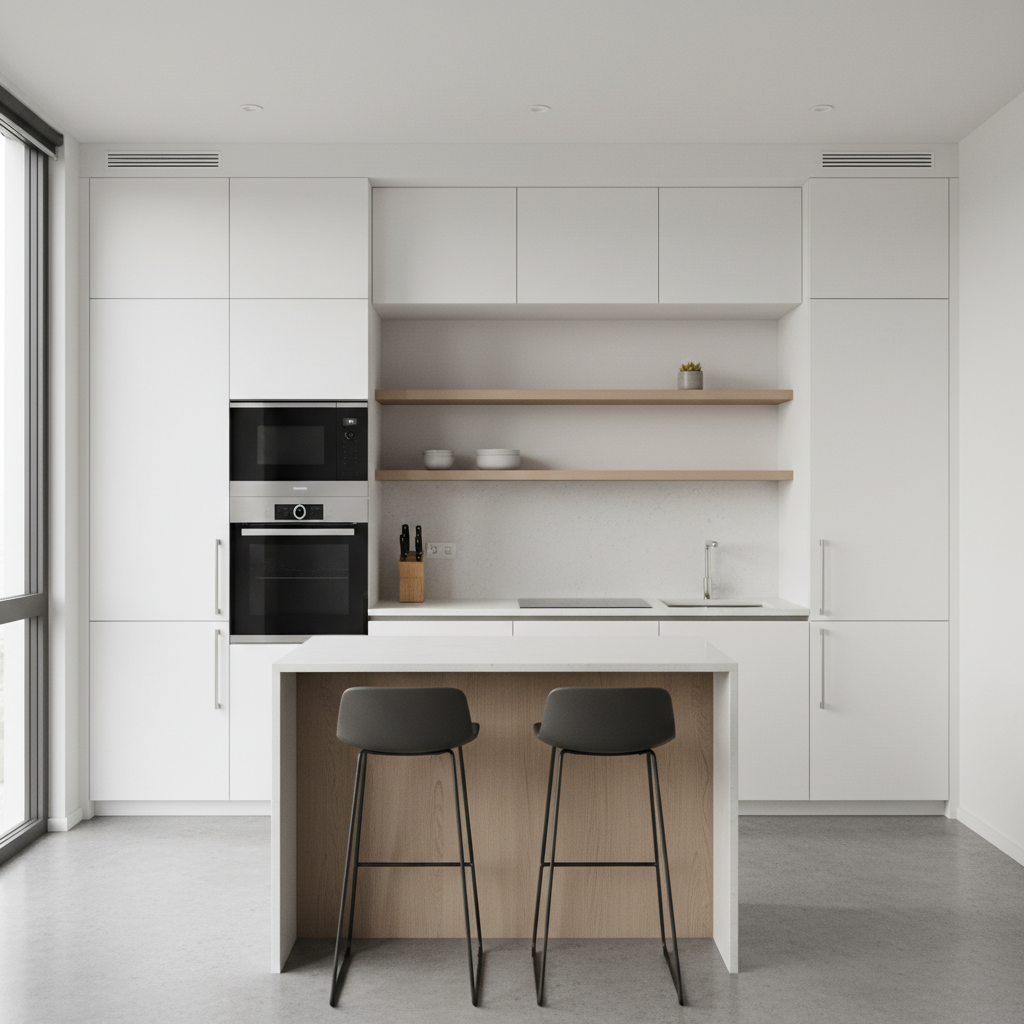
- Compact Appliances: Opt for apartment-sized or built-in appliances that seamlessly blend with cabinetry.
- Vertical Storage: Floor-to-ceiling cabinets, open shelving, and pot racks utilize vertical space effectively.
- Pull-out Pantries: Narrow, tall pull-out units can store a surprising amount of food and kitchen essentials.
- Integrated Dining: A kitchen island that doubles as a dining table or a wall-mounted fold-down table saves floor space.
The Serene Bedroom
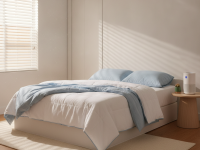
- Platform Beds with Storage: Eliminate the need for bulky dressers by choosing a bed frame with integrated drawers or a hydraulic lift system for under-bed storage.
- Wall-Mounted Nightstands/Shelves: Free up floor space and maintain clean lines.
- Minimal Wardrobe: Embrace a capsule wardrobe concept and invest in a well-organized, compact closet system, perhaps with sliding doors.
- Strategic Lighting: Wall-mounted sconces or pendant lights free up space on nightstands.
The Functional Bathroom
- Wall-Mounted Fixtures: Floating vanities and wall-mounted toilets create an illusion of more floor space and simplify cleaning.
- Slim Storage: Recessed medicine cabinets, shower niches, and narrow vertical storage units provide essential storage without intrusion.
- Glass Shower Enclosures: A frameless glass shower enclosure makes a small bathroom feel larger and more open than a shower curtain.
The Integrated Workspace
- Hidden Desks: Consider a desk that folds into a wall unit, a closet, or a multi-functional piece of furniture.
- Floating Shelves: Provide storage for books and office supplies without taking up floor space.
- Wireless Accessories: Reduce cable clutter with wireless keyboards, mice, and charging pads.
Sustainability and Longevity in Modern Minimalist Homes
Modern minimalist home design naturally aligns with sustainable living. By focusing on quality over quantity and intentional choices, you inherently reduce waste and consumption. When designing or renovating, consider:
- Energy Efficiency: Incorporate energy-efficient appliances, LED lighting, and good insulation to reduce energy consumption.
- Durable and Eco-Friendly Materials: Choose materials that are built to last, locally sourced, recycled, or rapidly renewable (e.g., bamboo, cork).
- Reducing Consumption: The minimalist ethos encourages buying less and investing in items that are well-made and timeless, reducing the overall environmental footprint.
Overcoming Challenges in Small Minimalist Design
While appealing, designing a small minimalist home does come with its unique challenges. Anticipating and addressing these can ensure a successful outcome.
- Avoiding Sterility: A common concern is that minimalist spaces can feel cold or uninviting. Combat this by introducing varying textures, natural materials, soft lighting, and personal touches (like a beloved piece of art or a treasured plant).
- Personalizing Without Clutter: Integrate personality through carefully chosen pieces that tell a story or reflect your interests. Quality over quantity ensures these items stand out and add character without creating visual noise.
- Maintaining Organization: With less space, disorganization becomes more apparent. Implement robust storage solutions and adopt daily habits of putting things away immediately after use. Regular decluttering check-ins are also beneficial.
Frequently Asked Questions About Small Minimalist Home Design
Q1: How do I make a small minimalist home feel warm and inviting?
A: Introduce warmth through textures (wool, linen, wood), soft lighting layers, strategic use of natural elements like plants, and personal, curated artwork. A neutral color palette serves as a calm backdrop that allows these elements to shine without overwhelming the space.
Q2: What are the best colors for a small minimalist home?
A: Neutral colors like white, off-white, light grey, and natural wood tones are ideal as they reflect light and create a sense of spaciousness. You can add subtle depth with earthy tones or introduce controlled pops of color through accessories or a single piece of furniture.
Q3: How can I incorporate storage into a small minimalist home without making it look cluttered?
A: Focus on integrated and hidden storage. Think built-in cabinetry, platform beds with drawers, storage ottomans, wall-mounted shelves, and multi-functional furniture. Utilize vertical space with tall, narrow units and ensure every item has a designated place behind closed doors or in sleek, unobtrusive containers.
Q4: Can a small minimalist home be suitable for families?
A: Absolutely! While it requires more intentional planning, a minimalist approach can work well for families. It encourages children to have fewer, higher-quality toys, teaches organization, and fosters a sense of calm. Multi-functional furniture, smart storage, and designated zones for activities become even more crucial.
Q5: How do I start decluttering for a minimalist home?
A: Begin by tackling one area or category at a time (e.g., clothes, books, kitchenware). Use the “four-box method” (keep, donate, trash, relocate) and ask yourself if an item is essential, useful, or brings joy. Be patient and consistent, understanding that decluttering is an ongoing process.
Conclusion
Designing a small minimalist home is more than just an aesthetic choice; it’s an intentional approach to living that prioritizes peace, functionality, and sustainability. By embracing modern design principles – clean lines, open spaces, and natural light – and merging them with the minimalist philosophy of thoughtful curation and decluttering, you can create a living environment that feels expansive, inviting, and perfectly tailored to your needs. These modern home design ideas for small minimalist homes empower you to craft a sanctuary where every element serves a purpose, allowing you to live beautifully and efficiently, proving that true luxury lies not in abundance, but in well-designed simplicity.