What is Roof Sheathing and Why Does it Matter?
Before diving into the specifics of sagging, it’s important to understand what roof sheathing is and its vital role. Roof sheathing, also known as the roof deck, is the layer of material, typically plywood or oriented strand board (OSB), that is fastened directly to your roof trusses or rafters. It creates a solid surface for your roofing underlayment and shingles to be installed upon. Essentially, it’s the structural base of your entire roofing system.
The sheathing serves several critical functions:
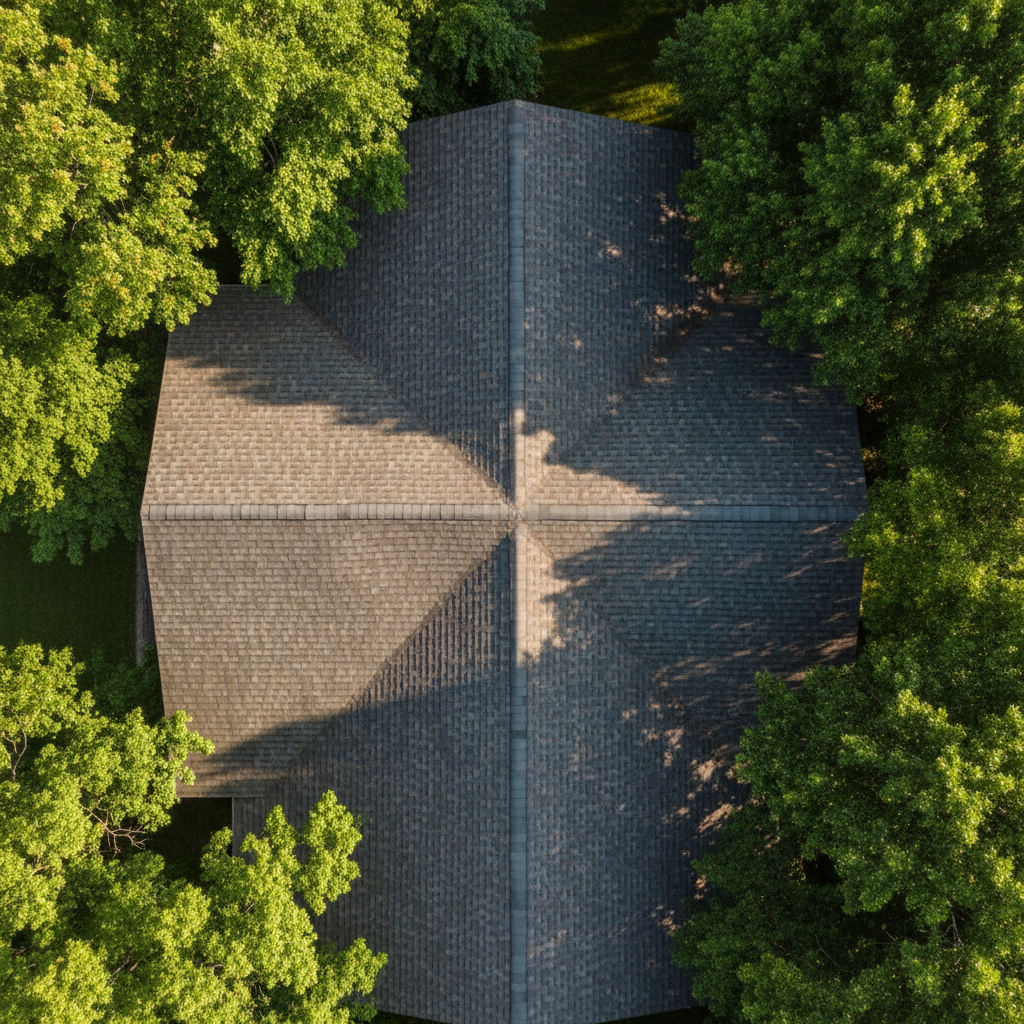
- Structural Support: It ties the entire roof framing together, adding rigidity and stability to the structure, helping it withstand forces like wind and snow loads.
- Weight Distribution: It provides a continuous, even surface to distribute the weight of the roofing materials (shingles, tiles, etc.) uniformly across the rafters.
- Protection: While not the primary waterproof layer, it forms a crucial barrier against external elements, especially before the final roofing material is installed.
- Walkability: It provides a safe, solid surface for roofers to walk on during installation and maintenance.
Given these essential roles, any compromise to the sheathing, such as sagging, directly impacts the overall health and safety of your roof and, by extension, your entire home.
Identifying Roof Sheathing Sagging: Signs to Look For
Detecting sagging roof sheathing early can save you a great deal of trouble and expense. This problem doesn’t always announce itself with dramatic collapses; often, it starts subtly. Knowing what to look for, both inside and outside your home, is key.
Visual Cues from the Exterior
A good starting point is a visual inspection from the ground. Look for:
- Wavy or Uneven Roofline: The most obvious sign is a roof that doesn’t appear perfectly flat or straight. You might notice dips, valleys, or undulations, especially between rafters.
- Distorted Shingles: Shingles laid over sagging sheathing will often appear buckled, cracked, or uneven. They may not lie flat, leading to lifted edges or even missing pieces in severe cases.
- Visible Depressions: Stand back from your house and observe the roof from different angles. You might see specific areas where the roof deck visibly dips downwards.
- Gutter Alignment Issues: If your roofline sags, it can also affect the alignment of your gutters, causing them to pitch incorrectly or pull away from the fascia in certain spots.
Interior Indicators: Peeking into the Attic
The attic is an invaluable vantage point for diagnosing roof issues. When safely inspecting your attic, look for:
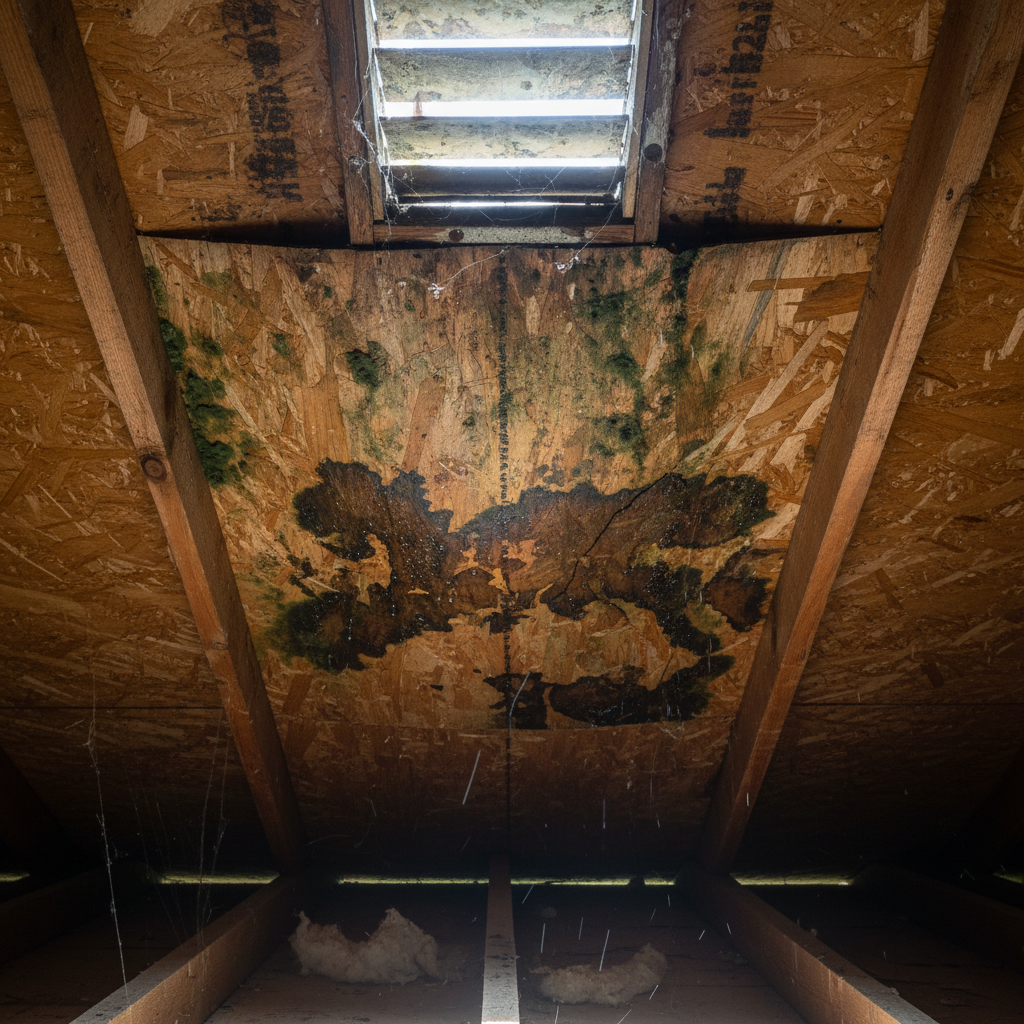
- Visible Dips or Warping: Examine the underside of the roof deck. You might see the sheathing itself bowing, warping, or dipping between the rafters.
- Water Stains or Discoloration: Any signs of moisture—water stains, dark spots, mold, or mildew—on the sheathing or rafters are a strong indicator of water intrusion, which is a primary cause of sheathing degradation.
- Damp or Musty Smell: A persistent musty odor in the attic often signals the presence of moisture and potentially mold growth, even if you can’t see the water source directly.
- Soft Spots: If it’s safe to access, gently press on areas of the sheathing between rafters (be extremely careful not to put your full weight on compromised areas). A soft or spongy feel indicates moisture damage and weakened material.
Other Subtle Warnings
- Increased Energy Bills: While not a direct sign of sagging, increased moisture in the attic due to leaks or poor ventilation (which can cause sheathing issues) can lead to higher heating and cooling costs.
- Pest Infestation: Sagging and damaged sheathing can create new entry points for pests like rodents, insects, or birds into your attic.
Unpacking the Causes of Sagging Roof Sheathing
Sagging roof sheathing is almost always a symptom of a deeper problem. Understanding the root causes is essential for effective repair and prevention.
Moisture Intrusion and Water Damage
This is arguably the most common culprit. When roof sheathing gets wet and stays wet, it begins to lose its structural integrity. Plywood and OSB are particularly susceptible to water damage:
- Roof Leaks: Missing shingles, cracked flashing, damaged vents, or worn-out sealant can allow water to seep through the outer layers and soak the sheathing.
- Ice Dams: In colder climates, ice dams can form along the eaves, preventing melting snow from draining. This standing water can back up under shingles and onto the sheathing.
- Poor Gutter Maintenance: Clogged gutters can cause rainwater to overflow and pool around the eaves, eventually finding its way into the roof structure.
Inadequate Ventilation in the Attic
A poorly ventilated attic can be a hotbed for moisture-related problems, even without direct leaks. Here’s why:
- Condensation: Warm, moist air from living spaces can rise into a cold attic. Without proper ventilation to allow this air to escape, it condenses on the cooler surfaces of the sheathing and rafters, leading to chronic dampness.
- Heat Buildup: Trapped hot air can also weaken sheathing over time, especially OSB, which can delaminate when exposed to prolonged heat and humidity.
Proper attic ventilation is critical for maintaining a dry, healthy roof structure. For more detailed information on maintaining your home, you can refer to valuable resources like Good Housekeeping’s comprehensive home maintenance guides.
Structural Deficiencies or Overload
Sometimes, the problem lies not with the sheathing itself but with the supporting structure:
- Improperly Sized Rafters/Trusses: If the rafters or trusses were undersized for the span or anticipated load (e.g., heavy roofing materials, snow), they can bow or sag, taking the sheathing with them.
- Insufficient Framing: Sheathing needs adequate support. If rafters are spaced too far apart, or if there are insufficient blocking elements, the sheathing in between can sag under its own weight or external loads.
- Excessive Weight: While less common, an exceptionally heavy roof (e.g., slate tiles installed on a roof designed for asphalt shingles) or prolonged, excessive snow loads can cause the sheathing and framing to sag over time.
Poor Installation Practices
The quality of initial installation plays a significant role in a roof’s longevity:
- Improper Fastening: If the sheathing wasn’t adequately nailed or screwed to the rafters, or if the wrong type or length of fasteners were used, it can gradually pull away and sag.
- Incorrect Spacing: Sheathing sheets need proper gaps between them to allow for expansion and contraction due to temperature and humidity changes. Without these gaps, sheets can buckle and warp.
- Using Wet Sheathing: Installing sheathing that is already damp or wet can lead to warping and sagging as it dries out and shrinks unevenly.
Material Degradation Over Time
Even with perfect installation and maintenance, materials have a lifespan:
- Age: Over decades, even high-quality sheathing can gradually weaken due to continuous exposure to temperature fluctuations, minor moisture events, and the natural aging process of wood products.
- Substandard Materials: Low-quality plywood or OSB, especially those not rated for exterior use or high humidity, can degrade faster and be more prone to sagging.
The Dangers of Neglecting Sagging Roof Sheathing
Ignoring sagging roof sheathing is like ignoring a ticking time bomb. The problems will only worsen, leading to more severe consequences for your home and your wallet.
Structural Integrity Compromise
The most alarming danger is the potential compromise of your home’s structural integrity. The roof sheathing is a vital component of the overall roof structure. When it sags, it indicates a weakening that can affect the entire system, potentially leading to:
- Roof Collapse: In extreme cases, especially with heavy snow loads or high winds, severely weakened sheathing could lead to a localized or even widespread roof collapse, posing a significant safety risk.
- Wall and Foundation Issues: A structurally unsound roof can transfer uneven loads to the walls and foundation, potentially leading to cracks, settlement, and other costly structural problems throughout your home.
Increased Risk of Leaks
Sagging sheathing creates an uneven surface beneath your roofing materials. This can:
- Compromise Shingle Adhesion: Shingles won’t lie flat and seal properly, making them more susceptible to wind uplift and water intrusion.
- Create Water Traps: Dips in the roof can collect water, increasing the likelihood of leaks and accelerating the deterioration of both the sheathing and the roofing materials.
- Lead to Mold and Mildew: Constant moisture from leaks fosters mold and mildew growth in the attic, which can spread to other parts of your home, causing health issues and further structural damage.
Reduced Energy Efficiency
A compromised roof system can severely impact your home’s energy efficiency:
- Poor Insulation Performance: Moisture and air leaks associated with sagging sheathing can degrade attic insulation, reducing its effectiveness and leading to heat loss in winter and heat gain in summer.
- Higher Utility Bills: Consequently, your heating and cooling systems have to work harder, leading to noticeably higher energy bills.
Diminished Home Value
From a financial perspective, a sagging roof is a major detriment:
- Curb Appeal: A visibly wavy or uneven roof significantly detracts from your home’s curb appeal, making it less attractive to potential buyers.
- Inspection Red Flag: Home inspectors will immediately flag a sagging roof, signaling major structural and maintenance issues that will almost certainly require repair or replacement, often at the seller’s expense or as a negotiation point.
- Insurance Challenges: Some insurance companies might decline coverage or charge higher premiums for homes with known structural roof issues.
DIY Diagnosis vs. Professional Assessment
While homeowners can and should perform initial visual inspections, accurately diagnosing the extent and cause of roof sheathing sagging often requires professional expertise.
A DIY inspection from the ground and a cautious look in the attic can confirm suspicions. You can identify obvious dips, water stains, or a musty smell. However, determining if the sag is due to minor water damage, inadequate ventilation, or more serious structural issues requires a trained eye.
When to Call a Professional
It is strongly recommended to contact a qualified roofing contractor or structural engineer if you:
- Confirm Sagging: Any clear indication of sagging, regardless of severity.
- Notice Significant Water Damage: Large or widespread water stains, mold growth, or soft spots.
- Suspect Structural Issues: If rafters or trusses appear bowed, cracked, or out of alignment.
- Are Unsure of the Cause: A professional can accurately pinpoint the root of the problem.
- Need Repair Quotes: Only professionals can provide reliable estimates for complex repairs.
Professionals have the experience, tools, and safety equipment to thoroughly inspect your roof and attic, identify underlying problems, and recommend the most effective solutions. They can safely access all areas of the roof and attic, and their assessment is crucial for both safety and proper repair planning.
Repairing Sagging Roof Sheathing: Options and Considerations
The repair method for sagging roof sheathing depends entirely on the cause and the extent of the damage. A professional assessment will guide the best course of action.
Spot Repairs for Minor Sagging
If the sagging is minor, localized, and caught early, and the underlying cause (like a small leak) has been addressed, spot repairs might be possible:
- Reinforcement: In some cases, additional blocking or sistering (adding another piece of wood alongside) to the rafters can reinforce the area.
- Shimming: If the sag is very slight and localized to one section of sheathing between rafters, shims might be used to level the surface before re-roofing, but this is often a temporary fix and doesn’t address the core material weakness.
It’s important to note that merely “patching” a sag without addressing water damage or structural weaknesses will only lead to recurring problems.
Partial Sheathing Replacement
This is a common solution when specific areas of the sheathing are water-damaged or significantly warped:
- Remove Damaged Sections: The affected roofing materials (shingles, underlayment) are removed, and the compromised sheathing sections are carefully cut out.
- Install New Sheathing: New plywood or OSB sheets are cut to fit, properly fastened to the existing rafters, and gaps are left for expansion.
- Address Underlying Issues: Crucially, any underlying issues like leaks or ventilation problems must be fully resolved before new sheathing is installed.
This method is cost-effective if the damage is confined to a few sheets.
Full Roof Deck Replacement
In cases of widespread sagging, extensive water damage, or significant structural issues affecting a large portion of the roof, a full roof deck replacement might be necessary:
- Complete Tear-Off: All existing roofing materials and the entire roof sheathing are removed down to the rafters.
- Rafter/Truss Inspection and Repair: The exposed rafters and trusses are thoroughly inspected for damage, bowing, or rot, and repaired or reinforced as needed.
- New Sheathing Installation: A completely new roof deck is installed using new, appropriately sized plywood or OSB, fastened correctly.
- New Roofing System: A new underlayment, flashing, and final roofing material are then installed.
While this is the most extensive and costly option, it ensures a completely sound and safe roof structure, often providing peace of mind for decades to come.
Addressing Underlying Issues During Repair
Regardless of the repair method chosen, the most critical step is always to identify and resolve the root cause of the sagging. This might include:
- Sealing Leaks: Repairing or replacing flashing, sealing around vents, or replacing damaged shingles.
- Improving Attic Ventilation: Installing ridge vents, soffit vents, gable vents, or powered attic fans to ensure proper airflow.
- Reinforcing Framing: Adding sistered rafters, collar ties, or bracing to strengthen the roof’s structural support.
- Gutter Cleaning and Repair: Ensuring gutters are clear and properly directing water away from the roofline.
Prevention is Key: Protecting Your Roof Sheathing
Once you understand the causes of roof sheathing sagging, you can take proactive steps to prevent it. Prevention is always less costly and less stressful than repair.
Ensure Proper Attic Ventilation
This cannot be stressed enough. A well-ventilated attic is a dry attic, protecting your sheathing from moisture buildup and extreme temperature fluctuations. Ensure you have a balanced system of intake vents (like soffit vents) and exhaust vents (like ridge vents or gable vents) that allow air to flow freely.
Consider consulting with an HVAC specialist or roofing contractor to assess your attic ventilation and make any necessary improvements. Proper attic ventilation not only protects your roof sheathing but also helps extend the life of your entire roof system and improves home energy efficiency.
Regular Roof Maintenance and Inspections
A proactive approach to roof maintenance can catch minor issues before they escalate:
- Annual Inspections: Have a professional inspect your roof annually, especially after severe weather events. They can spot small leaks, damaged flashing, or worn shingles that you might miss.
- Gutter Cleaning: Keep your gutters and downspouts clear of debris to ensure proper water drainage away from your roof and foundation.
- Trim Overhanging Branches: Branches can rub against your roof, abrade shingles, or drop debris that clogs gutters. They also create pathways for pests.
Address Leaks Promptly
As soon as you suspect or detect a leak, no matter how small, address it immediately. Even a slow drip can cause significant sheathing damage over time. Quick action can contain the damage and prevent it from spreading.
Choose Quality Materials and Professional Installation
When it’s time for a new roof or sheathing replacement, invest in high-quality materials and choose a reputable, experienced roofing contractor. Quality materials are more durable and resistant to the elements, and professional installation ensures that your roof is built to last, with proper fastening, spacing, and attention to detail.
FAQs About Sagging Roof Sheathing
What does roof sheathing do?
Roof sheathing provides a solid structural base for your entire roofing system. It ties the roof framing together, distributes the weight of roofing materials, and offers a surface for the underlayment and shingles to be installed upon.
Can sagging roof sheathing lead to a collapse?
Yes, in severe cases, especially if the sheathing is extensively water-damaged, rotted, or if the underlying structural framing is compromised, sagging roof sheathing can lead to a localized or even widespread roof collapse, particularly under heavy loads like snow.
Is it okay to walk on sagging sheathing?
No, it is generally not safe to walk on sagging sheathing. Sagging indicates a weakened structure, and walking on it could lead to further damage, or worse, cause you to fall through. Always exercise extreme caution and consider professional help for inspections if sagging is evident.
How much does it cost to fix sagging roof sheathing?
The cost varies widely depending on the extent of the damage, the cause, the type of repair needed (spot repair vs. full replacement), and local labor rates. Minor spot repairs could be hundreds of dollars, while a full roof deck replacement could range from several thousand to tens of thousands of dollars, plus the cost of new roofing materials.
Can insurance cover sagging roof sheathing repair?
It depends on your policy and the cause of the sagging. If the sagging is due to a sudden, accidental event like a storm, fallen tree, or fire, your homeowner’s insurance might cover the damage. However, if it’s due to long-term neglect, poor maintenance, or faulty installation, it’s unlikely to be covered. Always review your policy and consult with your insurance provider.
Sagging roof sheathing is a serious issue that demands your attention. By understanding its causes, recognizing the signs, and taking prompt action, you can protect your home’s structural integrity, prevent costly damage, and ensure a safe living environment for years to come. When in doubt, always consult with a qualified roofing professional to get an accurate diagnosis and a reliable repair plan.