There are few things more unsettling than hearing an unfamiliar and persistent noise emanating from your home appliances, especially when it’s your trusty air conditioner. An air conditioner loud rattling noise can quickly turn the serene hum of cool air into a source of anxiety, making you wonder if a costly repair is on the horizon. While some rattling sounds might be harmless and easily remedied, others can signal a more serious underlying issue that requires immediate attention. Understanding the potential causes behind this cacophony is the first step toward restoring peace and comfort in your home. This comprehensive guide will delve into the most common reasons for a rattling AC unit, provide practical troubleshooting steps you can take, and help you determine when it’s time to enlist the expertise of a professional HVAC technician.
Understanding Your AC’s Anatomy: Where Rattles Originate
Before diving into specific causes, it helps to have a basic understanding of your air conditioner’s main components. Both indoor (evaporator coil, blower fan) and outdoor (condenser coil, compressor, condenser fan) units are intricate systems with many moving parts. Any one of these parts, or something interacting with them, can be the source of an annoying rattling sound. The sound itself can vary greatly – from a light metallic clatter to a deep, resonant thrum – and identifying its specific character can often provide clues about its origin.
Common Culprits Behind a Loud Rattling Air Conditioner Noise
A rattling AC unit can be a symptom of various problems, ranging from simple to complex. Here are the most frequent causes homeowners encounter:
Loose Parts or Fasteners
This is often the simplest and most common reason for an air conditioner loud rattling noise. Over time, due to constant vibration and wear, screws, bolts, and panels can loosen up. This could be anywhere on the unit: the outer casing of the outdoor condenser, the access panels on the indoor air handler, or even internal components like fan mounts. A loose panel vibrating against the unit’s frame can create a distinct, often metallic, rattling sound.
Debris in the Unit
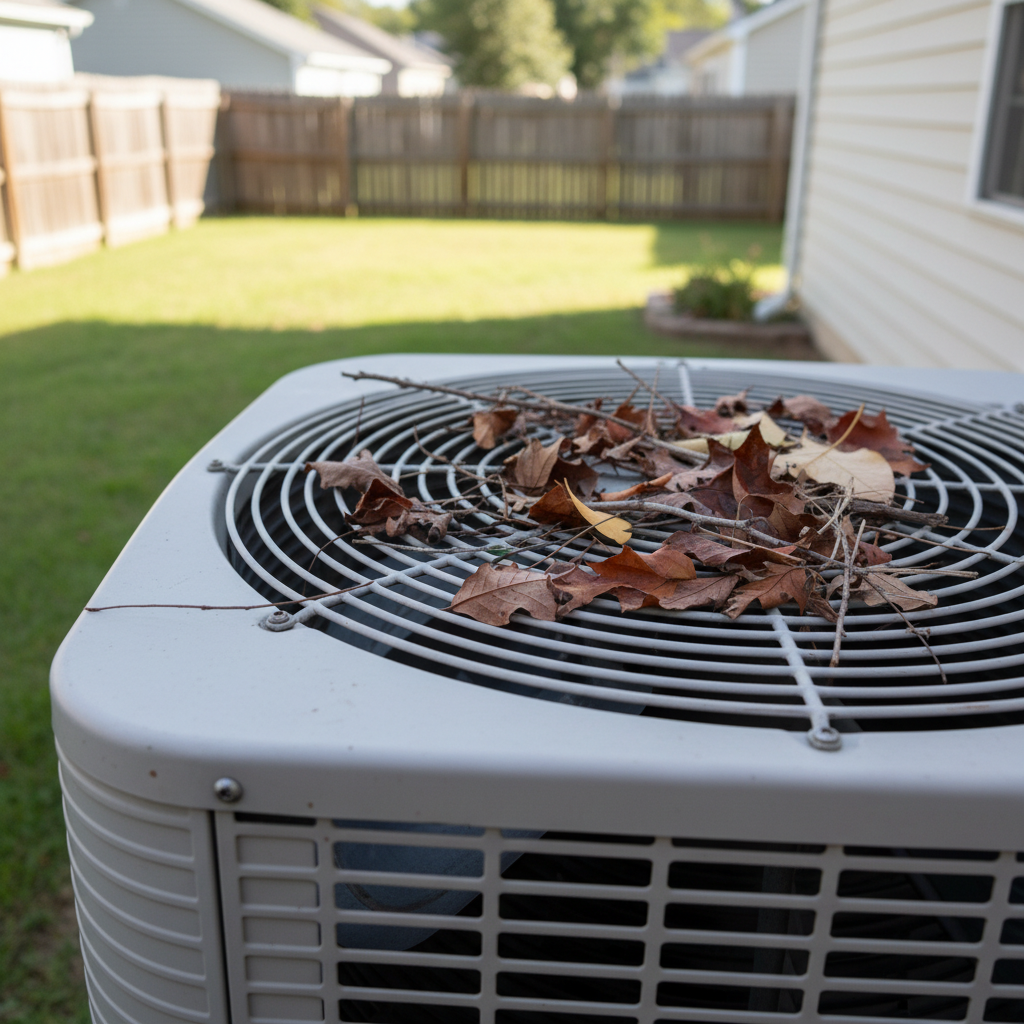
Both indoor and outdoor AC units are susceptible to collecting debris. The outdoor unit can gather leaves, twigs, small stones, or even trash blown in by the wind. These items can get caught in the condenser fan blades, causing a noticeable rattling or thumping as the fan rotates. Inside, dust buildup, small fallen objects, or even pest infestations (like mice or insects) can create unusual noises within the blower assembly or condensate drain pan.
Fan Issues
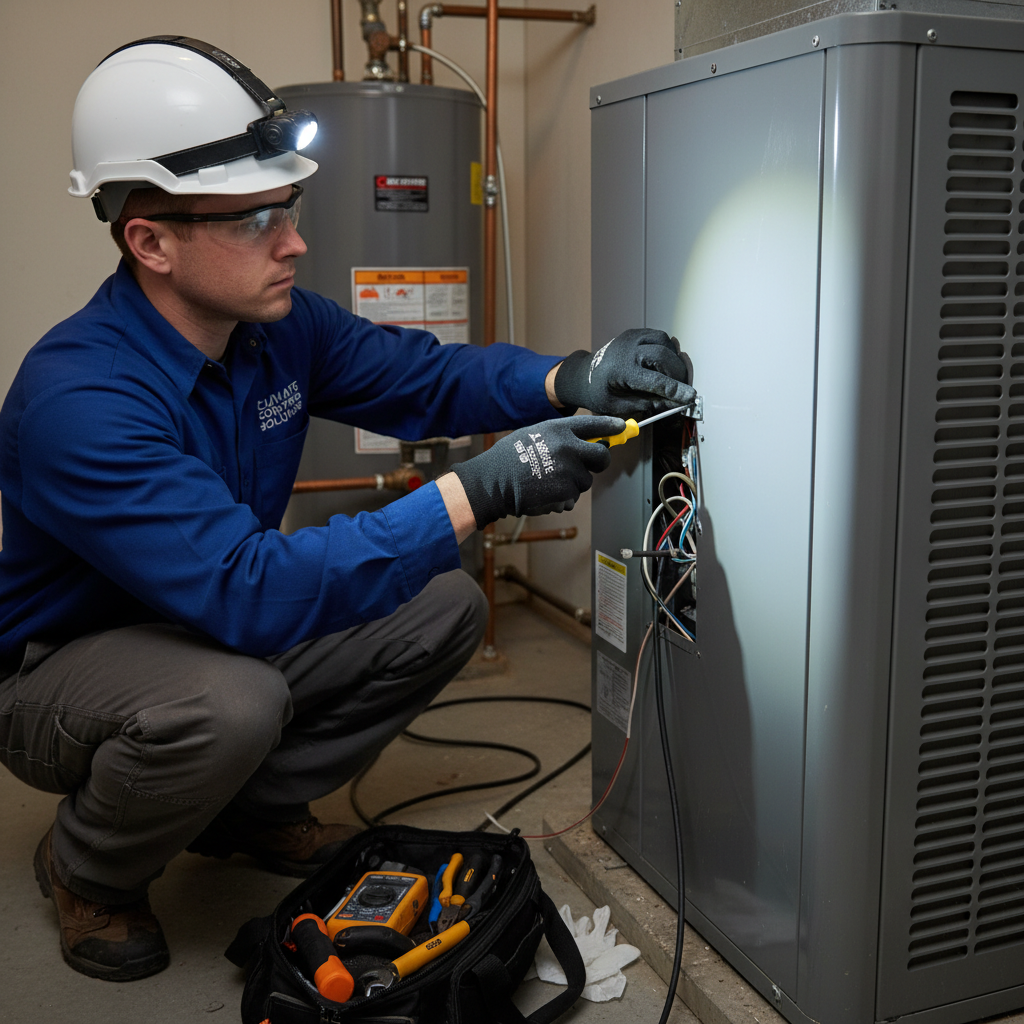
The fan is a primary moving part in both units, making it a frequent source of noise. Fan problems can manifest in several ways:
- Loose Fan Blades: The blades on either the condenser or evaporator fan can become loose on their hub. As the fan spins, the imbalance or wobbly blades can hit the fan housing, producing a repetitive rattling or thumping sound.
- Damaged Fan Motor Bearings: Over time, the bearings in the fan motor can wear out. When this happens, the motor struggles to rotate smoothly, leading to a grinding or rattling noise. If the motor is failing, you might also hear a screeching or squealing sound.
- Bent or Broken Fan Blades: Physical damage to a fan blade can throw the entire fan off balance, causing it to wobble violently and hit the casing, creating a very loud and concerning rattle.
Compressor Problems
The compressor is the heart of your AC system, responsible for circulating refrigerant. Problems with this critical component can lead to a range of alarming sounds:
- Loose Compressor Mounting: If the bolts securing the compressor to its base become loose, the compressor’s normal vibrations can turn into a pronounced rattling or knocking sound as it moves within its housing.
- Failing Compressor (Internal Issues): A compressor nearing the end of its life might develop internal mechanical issues, leading to a deep rattling, clanking, or even grinding noise. This is usually a sign of serious trouble and often necessitates compressor replacement, which is a major repair.
Refrigerant Line Vibrations
The copper refrigerant lines that connect your indoor and outdoor units can sometimes be the source of noise. If these lines are not properly secured, insulated, or if they come into contact with each other or other parts of the unit, the vibrations from the refrigerant flowing through them can cause them to knock or rattle against surfaces. This sound is usually a lighter, more rhythmic tapping.
Drainage Issues
Your AC unit produces condensation, which collects in a drain pan and is typically routed away through a condensate line. If this line becomes clogged, the drain pan can overflow. Standing water or debris within the drain pan can lead to gurgling, dripping, or even rattling sounds if the water causes other components to vibrate or if the pan itself is loose due to the added weight.
Faulty Installation or Age-Related Wear
Sometimes, a rattling noise can be traced back to how the unit was installed. An outdoor unit placed on an uneven surface, for instance, can vibrate excessively. Inside, improperly fitted ductwork or loose components from the start can cause issues. For older units, general wear and tear, deteriorated rubber isolators, or worn insulation can lead to parts vibrating that once were stable.
Troubleshooting Your Rattling AC: A Step-by-Step Guide (Safety First!)
Before attempting any inspection or repair, always prioritize safety. Working with electrical appliances carries inherent risks. If you are ever uncomfortable or unsure, call a professional.
Prioritize Safety: Turn Off Power
The absolute first step is to completely shut off power to your air conditioner. Locate the circuit breaker that controls your AC unit (both indoor and outdoor units, if they are on separate circuits) and flip it to the “off” position. For the outdoor unit, there’s often a disconnect switch near the unit itself – turn that off too. This prevents accidental startup while you’re working and protects you from electrical shock.
Inspect the Outdoor Unit
- Check for Debris: Visually inspect the top and sides of the condenser unit. Look for leaves, twigs, grass clippings, plastic bags, or any other foreign objects that might have fallen in or been blown against the grates. Carefully remove any debris you find.
- Tighten Loose Screws/Panels: Gently shake the outer panels of the unit. If you feel any give or hear a rattle, locate the screws holding the panels in place and tighten them with a screwdriver. Do not overtighten, as this can strip the screws.
- Examine Fan Blades: Carefully peer through the top grille. With the power off, try to gently spin the fan blades by hand. Do they wobble significantly? Do they hit the casing? Look for any visible damage to the blades (bends, cracks). If the blades are loose, there might be a central nut that can be tightened, but this often requires removing the top grille and is best left to a professional if you’re unsure.
- Check Base and Leveling: Ensure the outdoor unit is sitting on a stable, level pad. If the pad is cracked or the unit is leaning, this could contribute to vibrations.
Examine the Indoor Unit
- Check Air Filter: A very dirty air filter can restrict airflow, causing the blower motor to work harder and potentially vibrate more. While this is less likely to cause a loud rattle, it’s an easy check. Replace the filter if it’s dirty.
- Inspect Panels and Vents: Just like the outdoor unit, check for any loose screws or panels on your indoor air handler or furnace (if it’s an all-in-one system). Also, ensure that all return and supply vents are properly secured to the ductwork and not rattling against the ceiling or wall.
- Look into the Blower Motor Area (if accessible): If you can safely access the blower compartment (usually behind an access panel), look for debris on the blower wheel or any visible loose components. Again, ensure the power is off before opening any panels.
- Condensate Drain Pan: Inspect the drain pan for standing water or algae buildup. If it’s full, you might have a clog in the condensate line. A full pan can also cause the pan itself to vibrate or lead to water dripping onto other components.
Listen Carefully to Pinpoint the Source
If the rattling isn’t immediately obvious, try to listen closely when the unit is running (after checking for obvious external debris and loose panels, and being prepared to immediately shut off power). Different sounds often indicate different problems:
- Metallic Clanking/Rattling: Often points to loose metal parts, a fan blade hitting something, or internal compressor issues.
- Low Thrum/Vibration: Could be the compressor, a loose mounting, or even vibrating refrigerant lines.
- Buzzing: Sometimes related to electrical components, a loose transformer, or mild vibrations.
DIY Fixes for Minor Rattling Sounds
For some basic issues, a DIY fix might be all that’s needed to silence your AC.
Tightening Loose Components
As mentioned, if you find loose screws on external panels of either unit, gently tightening them with a screwdriver can often resolve a rattling sound. Ensure all access panels are securely closed after any inspection or cleaning.
Clearing Debris
Carefully removing leaves, twigs, or other foreign objects from around and inside the outdoor condenser unit can instantly stop rattling caused by the fan blades striking them. For indoor units, vacuuming around the blower motor or inside accessible parts can clear dust and light debris. Always remember to turn off the power first!
Insulating Vibrating Pipes
If you suspect the refrigerant lines are rattling against each other or the unit casing, you can try to secure them better. Often, simply wrapping the lines with foam pipe insulation (available at hardware stores) or using zip ties to gently secure them away from vibrating surfaces can resolve this issue. Ensure the insulation doesn’t restrict airflow or access to other components.
When to Call a Professional AC Technician
While some issues are easily fixed, many causes of a loud rattling air conditioner noise require professional expertise. Knowing when to call in a pro can save you from further damage, costly repairs, or even personal injury.
Persistent or Severe Rattling
If you’ve checked for obvious loose parts and cleared debris, and the rattling persists, it’s a good indicator that the problem is more complex. Severe rattling, especially if accompanied by other unusual sounds like grinding, squealing, or loud banging, is a strong signal to call a technician immediately. These sounds often point to failing major components.
Signs of Major Component Failure
If you suspect issues with the compressor, a damaged fan motor, or problems deep within the electrical system, it’s crucial to seek professional help. These components are complex, expensive, and require specialized tools and knowledge for diagnosis and repair. Attempting to fix them yourself can lead to further damage, void warranties, or pose significant safety risks.
Any Doubt About Safety or Expertise
When in doubt, always err on the side of caution and contact an HVAC professional. Modern air conditioning systems involve high voltage electricity and pressurized refrigerants, both of which can be dangerous if mishandled. A trained and certified technician can quickly diagnose the problem, explain your options, and perform repairs safely and effectively. Regular professional maintenance can also help identify potential issues before they escalate, as highlighted by resources like Good Housekeeping’s guide to AC maintenance.
Preventing Future Air Conditioner Rattling Noises
Proactive care can significantly reduce the chances of your AC developing a bothersome rattle.
Regular Maintenance is Key
Scheduling annual professional tune-ups for your air conditioner is the best preventative measure. During a tune-up, a technician will clean the coils, check refrigerant levels, inspect electrical components, lubricate moving parts, and tighten any loose fasteners. This comprehensive check-up can catch potential rattling causes before they become audible problems.
Keep the Unit Clean
Regularly clear debris from around your outdoor condenser unit. Trim back shrubs and foliage to ensure proper airflow and prevent leaves and twigs from entering the unit. Inside, remember to change your air filter every 1-3 months, or more frequently if you have pets or allergies. A clean system runs more efficiently and is less prone to vibration-inducing blockages.
Check for Loose Parts Periodically
Even without a professional tune-up, you can perform a quick visual inspection every few months. Look for loose screws on exterior panels and ensure vents are securely attached. This simple habit can help you spot and fix minor issues before they escalate.
Proper Installation
If you are installing a new AC unit, ensure it is done by a qualified and reputable HVAC contractor. Proper installation, including securing the outdoor unit on a level, stable pad and correctly mounting all indoor components, is fundamental to minimizing future vibration and noise.
FAQs About Noisy Air Conditioners
Q: Is a rattling noise dangerous?
A: A light rattling noise from a loose panel might not be immediately dangerous, but it can worsen over time and lead to more significant issues. A loud, persistent, or violent rattling, especially if accompanied by other unusual sounds, can indicate a serious problem with the compressor or fan motor, which could be dangerous and lead to a complete system breakdown. Always investigate serious rattling promptly.
Q: Can I ignore a rattling AC?
A: It’s never recommended to ignore an air conditioner loud rattling noise. Even if it seems minor, it could be a precursor to a more expensive repair if left unaddressed. Ignoring it could lead to increased energy consumption, reduced cooling efficiency, and ultimately, a breakdown of critical components.
Q: How much does it cost to fix a rattling AC?
A: The cost varies widely depending on the cause. Tightening a loose screw or clearing debris might cost nothing. Replacing a fan motor could be a few hundred dollars. If the compressor is failing and needs replacement, you could be looking at a significant expense, often upwards of $1,000 to $3,000 or more, sometimes making a full unit replacement a more cost-effective option.
Q: What if the rattling only happens sometimes?
A: Intermittent rattling can be tricky to diagnose but still warrants attention. It might occur during specific cycles (e.g., only when the compressor kicks on) or under certain conditions (e.g., very windy days). Even if it’s intermittent, it’s a sign that something isn’t quite right. Keep an ear out for when it occurs, and describe the pattern to a technician if you call one.
An air conditioner loud rattling noise is a clear signal from your system that something isn’t operating as it should. By understanding the common causes, performing basic safety-first troubleshooting, and knowing when to call in a professional, you can address these issues promptly and effectively. Regular maintenance remains your best defense against unexpected noises and ensures your AC system continues to provide reliable, quiet comfort for years to come.