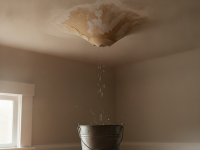
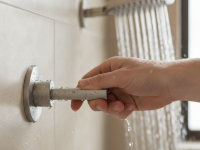
Understanding the Symphony of Stress: Why Your Water Pump is Banging
When your water pump begins to make a loud banging noise, it’s not just an annoyance; it’s often a symptom of an underlying issue within your plumbing system. A water pump’s primary function is to move water from one point to another, whether it’s drawing water from a well, boosting pressure for your home, or circulating hot water. This process should ideally be quiet and efficient. Any deviation into loud, percussive sounds indicates a problem that warrants immediate attention, not only to restore quiet but also to prevent potentially more severe and costly damage to your pump and pipes.
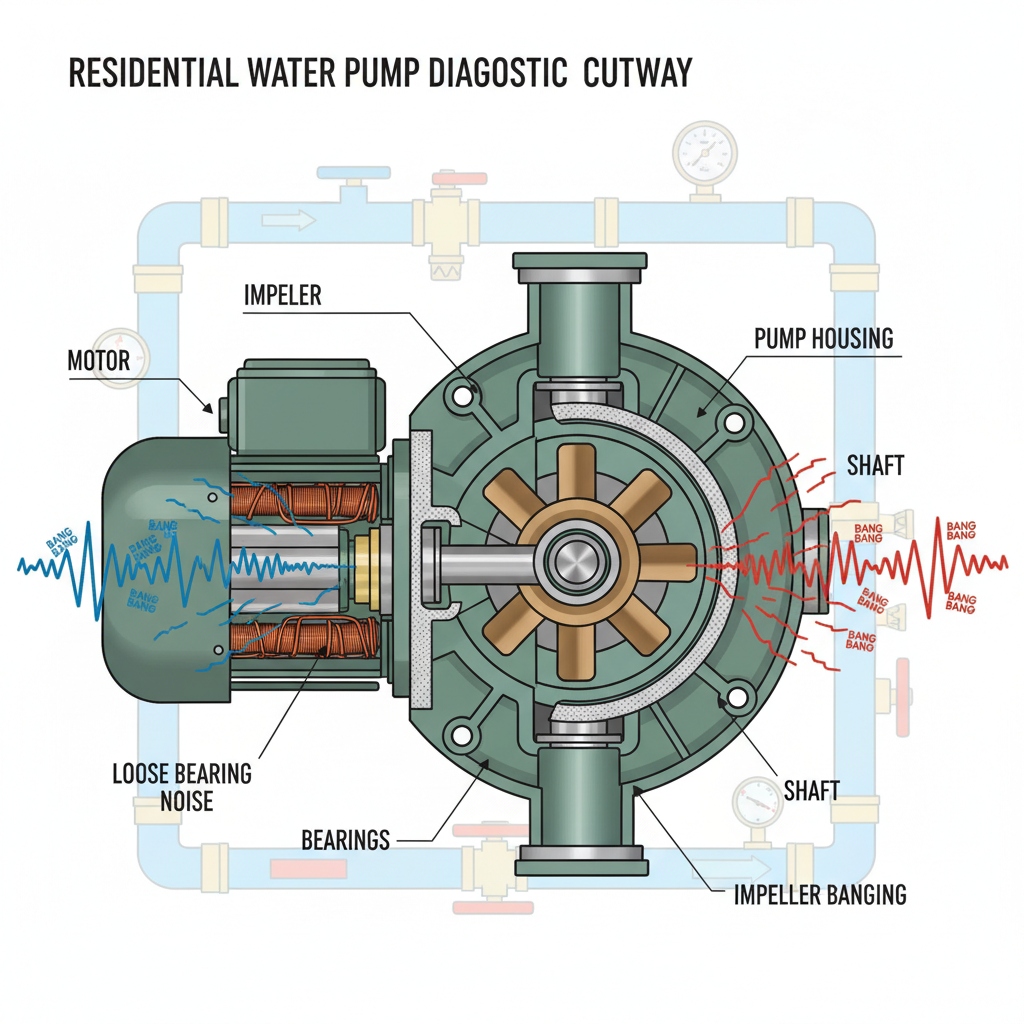
Understanding the mechanism of a water pump can shed light on why it might start making such disruptive sounds. Pumps typically consist of a motor, an impeller (or diaphragm for some types), a housing, and various valves and seals. Water enters the pump, is propelled by the impeller, and exits under pressure. When any part of this intricate system falters, or when external factors like air or sudden pressure changes come into play, the harmonious flow can turn into a violent symphony of bangs, clunks, and thuds. Ignoring these noises can lead to premature pump failure, pipe damage, and even structural stress on your plumbing. Therefore, identifying the specific cause of the water pump making loud banging noise is the first critical step toward a lasting solution.
Common Culprits Behind the Banging
The sound of a water pump making loud banging noise can stem from a variety of sources, each requiring a specific diagnostic approach and solution. Pinpointing the exact cause is crucial for effective troubleshooting. Here are some of the most frequent reasons your water pump might be causing a ruckus:
Water Hammer: The Classic Banger
Water hammer, also known as hydraulic shock, is perhaps the most recognized cause of banging noises in plumbing systems. It occurs when water flowing through a pipe is suddenly forced to stop or change direction, typically by the rapid closing of a valve (like a faucet, toilet flush valve, or washing machine solenoid). The momentum of the water creates a shockwave that travels through the pipe, causing it to bang against its supports or other pipes. While water hammer isn’t always directly caused by the pump itself, a pump that cycles frequently or quickly can exacerbate the problem, especially if the pressure is high. Over time, water hammer can weaken pipe joints and even lead to leaks.
Air in the System: Gurgles to Bangs
Air trapped within your water pump or plumbing lines can lead to a range of unsettling noises, from gurgling and sputtering to distinct banging sounds. When air bubbles pass through the pump or accumulate in the pipes, they can cause cavitation (discussed below) or simply create loud knocking as they are compressed and expanded by the water flow. Air can enter the system through a leak in the suction line, a faulty foot valve in a well system, or simply during initial system fill-up or after maintenance. This issue is particularly common in well water systems where the pump draws water from an underground source.
Cavitation: The Sound of Collapsing Bubbles
Cavitation is a more severe form of air-related noise. It happens when the pressure within the pump drops too low, causing water to vaporize and form tiny bubbles. As these bubbles move into areas of higher pressure within the pump, they rapidly collapse, creating miniature shockwaves that can be incredibly damaging to the impeller and pump housing. The sound is often described as a gravelly, metallic knocking, or a sound like rocks passing through the pump. Cavitation significantly reduces pump efficiency and, if left unaddressed, will cause severe erosion and damage to the pump’s internal components, leading to premature failure.
Worn or Damaged Components: Impellers, Bearings, and Motors
Mechanical failure within the pump itself is a direct cause of a water pump making loud banging noise. The impeller, which is responsible for moving water, can become damaged, corroded, or have debris lodged in it, leading to imbalance and vibration that translates into banging. Bearings that support the motor shaft can wear out, causing the shaft to wobble and creating grinding or banging noises. Similarly, the motor itself, if faulty, can produce mechanical sounds. Over time, these components naturally degrade, especially in heavily used or poorly maintained systems. A failing motor could also lead to issues like overheating and reduced performance, further signaling its impending demise.
Pressure Tank Problems: Waterlogged Woes
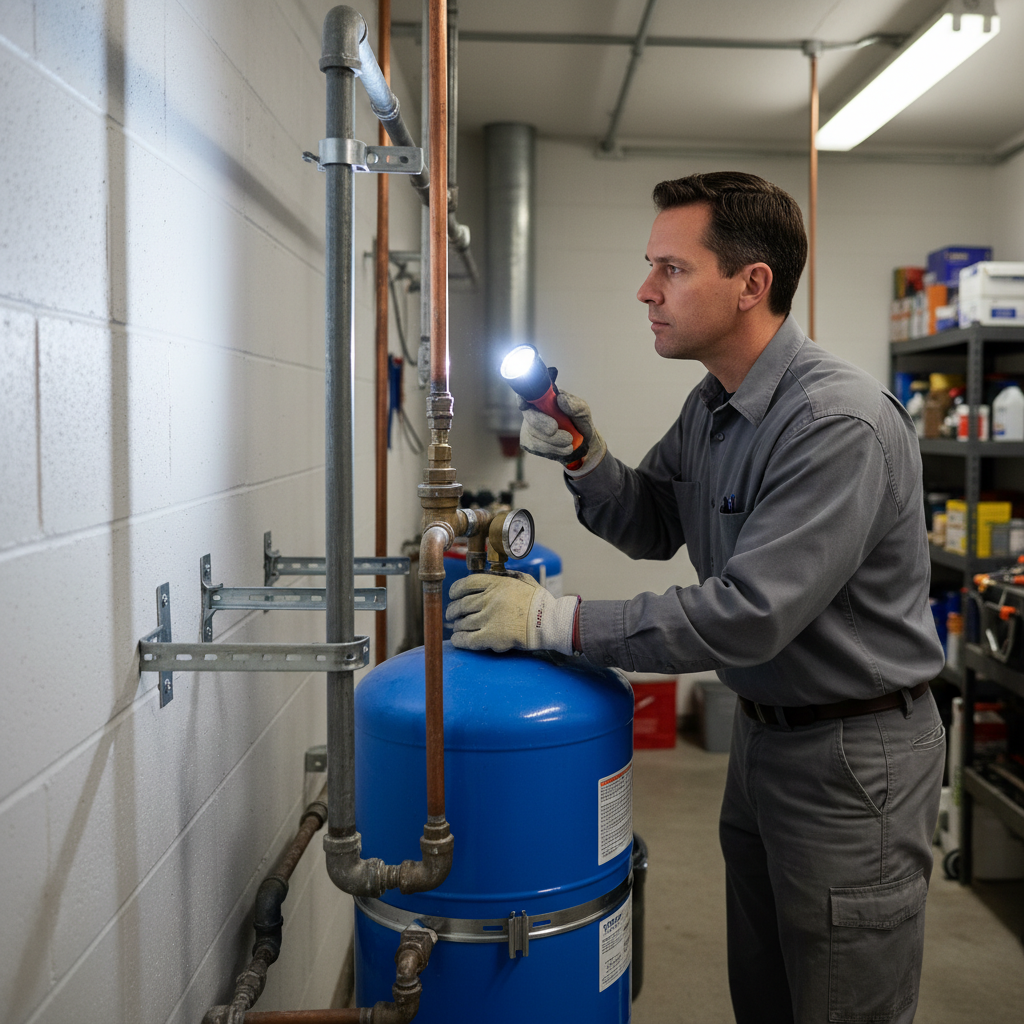
If your water system includes a pressure tank (common in well systems and booster pump setups), problems with the tank can manifest as banging noises. A waterlogged pressure tank, meaning it has lost its air charge, will cause the pump to cycle on and off very rapidly (short-cycling). This rapid cycling can lead to increased water hammer effects as the pump repeatedly starts and stops the flow, causing the pipes to bang. Additionally, a faulty or improperly sized pressure tank can contribute to inconsistent water pressure and increased stress on the entire system, amplifying any existing noise issues.
Loose Pipes or Mountings: Vibration Amplified
Sometimes, the source of the water pump making loud banging noise isn’t directly the pump’s internal mechanics, but rather the way it interacts with its surroundings. Loose pipes that aren’t properly secured can vibrate intensely, especially when the pump is running or when water pressure changes. These vibrations can cause pipes to bang against wall studs, floor joists, or other plumbing components. Similarly, if the pump itself isn’t securely mounted to a stable surface, its operational vibrations can be amplified and transmitted throughout the structure, creating significant noise. This issue is often easier to identify and rectify than internal pump problems.
High Water Pressure: Too Much of a Good Thing
While good water pressure is desirable, excessively high water pressure can put undue stress on your entire plumbing system, including the pump. High pressure exacerbates water hammer and can make pipes more prone to vibrating and banging. It can also strain the pump, causing it to work harder and potentially generate more noise. If your home’s water pressure regularly exceeds acceptable limits (typically 40-80 psi), it might be contributing to the banging sounds you hear, alongside other issues like leaky faucets and appliance wear.
Clogged Filters or Suction Lines: Straining for Success
A restricted flow of water to the pump can also cause it to struggle and produce banging noises. If the suction line (the pipe leading water into the pump) is partially clogged with sediment, rust, or debris, or if a filter is severely blocked, the pump will have to work much harder to draw water. This increased strain can lead to overheating, vibration, and a distinctive banging or groaning sound as the pump tries to overcome the resistance. In well systems, issues with the foot valve or well screen can also cause similar suction problems.
Diagnosing the Distinctive Banging Sound
Effective troubleshooting of a water pump making loud banging noise begins with careful diagnosis. Understanding where the sound originates and what kind of noise it is can narrow down the potential culprits significantly.
Pinpointing the Source
Start by trying to pinpoint the exact location of the sound. Is it coming directly from the pump? Is it from nearby pipes? Or is it more generalized throughout your home’s plumbing? Listening carefully and even touching pipes (carefully, especially near hot water lines or electrical components) can help identify the epicenter of the noise. If the banging is widespread, it often points to water hammer or systemic pressure issues. If it’s localized to the pump, mechanical issues or cavitation are more likely.
Listening to the Type of Bang
- Sharp, repetitive bangs often indicate water hammer. They usually occur after a faucet is turned off or an appliance stops drawing water.
- Gurgling, sputtering, followed by thuds suggests air in the system. You might also notice inconsistent water flow.
- A gritty, metallic knocking sound, like marbles or gravel, is a classic sign of cavitation. This is serious and should be addressed immediately.
- A consistent, rhythmic thumping or grinding directly from the pump could point to worn bearings, a damaged impeller, or a failing motor.
- Vibrating noises that resonate through the floor or walls often mean loose pipes or an unsecured pump.
Observing System Performance
Pay attention to how your water system behaves when the banging occurs. Does the water pressure fluctuate? Does the pump cycle on and off frequently? Is the water flow weaker than usual? Are there any visible leaks? These observations provide valuable clues. For instance, frequent pump cycling combined with banging points strongly to a waterlogged pressure tank, while fluctuating pressure and sputtering faucets suggest air in the lines. By systematically observing and listening, you can significantly narrow down the possibilities and move closer to a solution for your water pump making loud banging noise.
Step-by-Step Troubleshooting for a Noisy Water Pump
Once you have a better idea of what might be causing your water pump to make loud banging noise, you can begin to troubleshoot and potentially resolve the issue. Always prioritize safety: turn off power to the pump before attempting any mechanical work, and wear appropriate personal protective equipment.
Addressing Water Hammer
- Install Water Hammer Arrestors: These devices are small shock absorbers installed near quick-closing valves (e.g., washing machines, dishwashers, toilet fill valves) to cushion the hydraulic shock.
- Secure Loose Pipes: Use pipe clamps, straps, or insulation to secure any pipes that are vibrating against joists or walls.
- Reduce Water Pressure: If your home’s overall water pressure is too high, consider installing a pressure reducing valve (PRV) on your main water line.
- Slowly Close Faucets: While not a fix for the underlying issue, encouraging household members to close faucets gently can temporarily reduce the effect of water hammer.
Bleeding Air from the System
If air is the culprit for the water pump making loud banging noise, you’ll need to purge it from the system. For well pumps, ensure the well casing is adequately sealed and the foot valve is functioning. For any system, open all faucets in your home, starting with the highest one and working your way down. Let them run until water flows smoothly without any sputtering or air pockets. You may need to do this a few times. Check the pump’s suction line for any visible leaks and tighten connections as needed. A faulty check valve can also allow air back into the system.
Checking for Cavitation
Cavitation is often a sign of insufficient water supply to the pump. Check for:
- Clogged Filters or Suction Lines: Clean or replace any clogged filters, strainers, or sediment traps. Inspect the suction line for obstructions.
- Too Small Suction Line: Ensure the suction pipe is adequately sized for the pump’s capacity.
- Pump Too High Above Water Source: If the pump is located significantly above the water level it’s drawing from (e.g., a well pump with a long vertical lift), it might be struggling. This is more difficult to fix without professional help.
- Closed Valves: Ensure all valves on the suction side are fully open.
Inspecting and Replacing Worn Parts
Turn off the power and shut off the water supply to the pump. Carefully open the pump housing (refer to your pump’s manual). Inspect the impeller for cracks, chips, or debris. Check the motor bearings for signs of wear (play in the shaft, visible rust). If you find damaged components, they will likely need to be replaced. This often requires mechanical skill and specific replacement parts, so consider professional assistance if you’re uncomfortable.
Servicing Your Pressure Tank
If your pressure tank is waterlogged (causing rapid pump cycling), it needs to be recharged. Turn off the power to the pump and drain the tank completely by opening a nearby faucet. Use an air pressure gauge to check the tank’s air pre-charge pressure (usually 2-3 PSI below the pump’s cut-in pressure). Add air with an air compressor until it reaches the recommended level. Close the drain valve, close the faucet, and restore power to the pump. This simple maintenance can significantly reduce a water pump making loud banging noise associated with short-cycling.
Securing Loose Plumbing
Visually inspect all pipes connected to and near the pump. Look for any pipes that are visibly moving or vibrating when the pump is running or water is flowing. Use pipe clamps, hangers, or insulation to secure them firmly to studs or joists. Ensure the pump itself is bolted down tightly to a stable foundation. Sometimes, simply placing a rubber mat or vibration-dampening pads under the pump can help absorb some of the operational noise and prevent it from transferring to the structure.
Adjusting Water Pressure
If you suspect high water pressure is contributing to the banging, install a water pressure gauge on an outdoor spigot or near your water heater to confirm. If it’s consistently above 80 PSI, consider installing or adjusting a pressure reducing valve (PRV) on your main water line. This will regulate the incoming pressure for your entire home, benefiting all your plumbing and appliances, and potentially quieting the water pump making loud banging noise.
Cleaning Filters and Suction Lines
Regularly check and clean any inline filters, sediment traps, or screens associated with your pump system. In well systems, inspect and clean the well screen and foot valve if accessible. This prevents blockages that can force the pump to overwork and cavitate. A simple clean can often restore proper flow and reduce strain on the pump.
When to Call a Professional Plumber
While many causes of a water pump making loud banging noise can be diagnosed and even fixed by a homeowner, there are times when calling a professional is the wisest, safest, and most cost-effective option. If you’ve gone through the troubleshooting steps and the banging persists, or if you encounter any of the following, it’s time to reach out to an expert:
- Persistent Cavitation: If you suspect ongoing cavitation, immediate professional intervention is necessary to prevent severe pump damage.
- Complex Mechanical Failures: Replacing impellers, motor bearings, or dealing with electrical issues in the pump motor requires specialized knowledge and tools.
- Deep Well Pump Issues: Troubleshooting or repairing a submersible deep well pump is particularly challenging and best left to professionals equipped for such tasks.
- Lack of Confidence or Expertise: If you’re uncomfortable working with plumbing, electricity, or heavy machinery, don’t risk injury or further damage to your system.
- Recurring Problems: If the banging noise keeps coming back after you’ve attempted fixes, there might be a more fundamental issue that needs an experienced eye to diagnose.
- Water Heater Issues: Sometimes, noises originating near the water heater can be mistaken for pump noise. A professional can distinguish between these and recommend appropriate action, such as flushing the water heater to remove sediment. For more general home maintenance tips and understanding common household issues, you might find valuable resources on sites like Better Homes & Gardens.
A professional plumber or pump technician can accurately diagnose the problem using specialized tools, ensure repairs are done correctly, and guarantee the safety and longevity of your water system. They can also provide advice on optimizing your system for efficiency and quiet operation.
Preventing Future Banging: Maintenance Tips
Preventative maintenance is key to avoiding the dreaded water pump making loud banging noise and ensuring the longevity of your plumbing system. Regular care can save you significant repair costs and headaches down the line.
- Regular Pressure Tank Check: If you have a pressure tank, check and recharge its air pre-charge annually. This is a simple but crucial step to prevent short-cycling.
- Inspect for Leaks: Periodically check your entire plumbing system, especially suction lines and pipe connections near the pump, for any signs of leaks. Even small leaks can introduce air into the system.
- Clean Filters and Strainers: If your system has inline filters or strainers, clean or replace them according to the manufacturer’s recommendations. This prevents clogs that can cause the pump to overwork.
- Monitor Water Pressure: Consider installing a permanent water pressure gauge to regularly monitor your home’s water pressure. If it’s consistently too high or fluctuating wildly, investigate the cause.
- Secure Plumbing: Periodically check pipe clamps and hangers, especially in areas where you’ve previously experienced noise. Tighten any loose supports.
- Professional Inspection: Schedule a professional inspection of your well pump and pressure system every few years, especially if it’s an older installation. An expert can catch minor issues before they escalate into major problems.
- Avoid Rapid Valve Closures: Encourage everyone in the household to close faucets and shower valves gently to minimize water hammer effects.
- Proper Pump Sizing: Ensure your pump is correctly sized for your household’s water demands. An undersized or oversized pump can lead to inefficiencies and noise.
Frequently Asked Questions About Noisy Water Pumps
What does cavitation sound like?
Cavitation often sounds like a gravelly, grinding, or metallic knocking noise, as if small stones or marbles are passing through the pump. It’s a distinct sound of collapsing bubbles, which can be quite harsh and damaging.
Can I fix water hammer myself?
Many water hammer issues can be mitigated by a DIY approach, such as securing loose pipes, installing water hammer arrestors on specific fixtures, or adjusting the pressure tank. However, if the issue is widespread or persistent, a professional plumber might be needed to diagnose and install a pressure reducing valve or more comprehensive solutions.
How often should I service my water pump?
The frequency depends on the type of pump and its usage. For well pumps, a general guideline is every 3-5 years for a professional inspection, alongside annual checks of the pressure tank’s air charge. For booster pumps, follow the manufacturer’s recommendations, usually involving periodic checks of filters and connections.
Is a noisy water pump dangerous?
While an annoying sound, a noisy water pump itself isn’t immediately dangerous in terms of immediate personal harm, but it signifies underlying problems that can lead to significant property damage. Cavitation can quickly destroy a pump, and persistent water hammer can weaken pipes, leading to leaks, bursts, and water damage. Therefore, it’s dangerous to ignore a water pump making loud banging noise, as it indicates a risk of costly repairs and potential water damage.
What’s the difference between a well pump and a booster pump noise?
A well pump typically draws water from a well, and its noises might be related to issues like air in the suction line, a faulty foot valve, or problems with the submersible pump itself (if it’s a deep well pump). A booster pump, on the other hand, increases water pressure from an existing source (like a municipal line or a storage tank), and its noises are often related to short-cycling, high pressure, or mechanical wear within the pump itself.
Conclusion
A water pump making loud banging noise is more than just an inconvenience; it’s a critical indicator that something within your home’s plumbing system requires attention. By systematically diagnosing the type of noise and its source, you can often identify and resolve common issues like water hammer, air in the lines, or pressure tank problems. While some fixes are straightforward, others demand the expertise of a professional plumber to ensure safety and lasting results. Regular maintenance and a proactive approach to unusual sounds will not only restore peace to your home but also safeguard the longevity and efficiency of your entire water system. Don’t let a banging pump be a lingering source of stress; address it promptly and enjoy the quiet efficiency your home deserves.