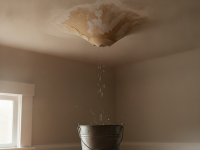
Understanding Your Garage Ceiling Water Stain from Roof Leaks
A water stain on your garage ceiling almost invariably points to a roof leak. While it might seem straightforward, the path water takes can be convoluted, often traveling along joists and rafters before finally appearing as a stain far from its entry point. This phenomenon makes accurate diagnosis crucial for effective repair. Addressing a water stain promptly is vital not only to prevent further damage to the garage structure but also to protect anything stored within it, from tools and vehicles to sentimental items.
The Common Culprits: Where Roof Leaks Originate
Roof leaks are not always obvious. Often, the point of entry on the roof is not directly above the stain on your ceiling. Understanding the common areas where roofs fail can significantly narrow down your search:

- Damaged or Missing Shingles: High winds, hail, or age can lift, crack, or dislodge shingles, creating direct pathways for water.
- Compromised Flashing: Flashing are metal strips installed around chimneys, skylights, vents, and wall junctions to prevent water penetration. If flashing is bent, rusted, or poorly installed, it can become a primary leak source.
- Clogged or Damaged Gutters: Overflowing gutters can cause water to back up under shingles or eaves, eventually seeping into the structure. Damaged gutters that don’t divert water effectively can also contribute.
- Poorly Sealed Vents and Skylights: Roof vents for plumbing or attic ventilation, as well as skylights, require proper sealing. Deteriorated sealants or cracked housing can allow water ingress.
- Attic Condensation Issues: While not a direct roof leak, poor attic ventilation can lead to condensation build-up, which then drips down, mimicking a leak. This is more common in colder climates.
- Ice Dams: In winter, ice dams can form along the edges of the roof, preventing melting snow from draining. The water then backs up under the shingles and into the house.
- Punctures or Penetrations: From satellite dishes to loose nails or falling debris, anything that pierces the roof membrane can create a leak.
Diagnosing the Source: Pinpointing the Leak
Finding the exact source of a roof leak can be a detective’s job, requiring patience and a methodical approach. It’s often the most challenging part of the repair process, but getting it right is essential to avoid recurring issues.
Visual Inspection: What to Look For
Start your investigation from inside the garage, and if safely accessible, the attic space directly above it.
- Inside the Garage: Look closely at the stain. Is it just discoloration, or is the drywall sagging, peeling, or soft to the touch? Are there multiple stains? Note the exact location relative to features like walls or roof penetrations.
- In the Attic (if accessible): This is where you might find the most direct evidence. Look for water trails on rafters, joists, and insulation. Check for wet insulation, mold growth, or wood rot. Sometimes, the water will have traveled horizontally along a joist, meaning the actual leak might be several feet away from where the stain appears on the ceiling below. Use a flashlight for better visibility.
External Roof Examination: Safety First!
Inspecting your roof requires caution. If you are uncomfortable with heights or the roof pitch is steep, it’s always safer to call a professional. For those who can safely access their roof:
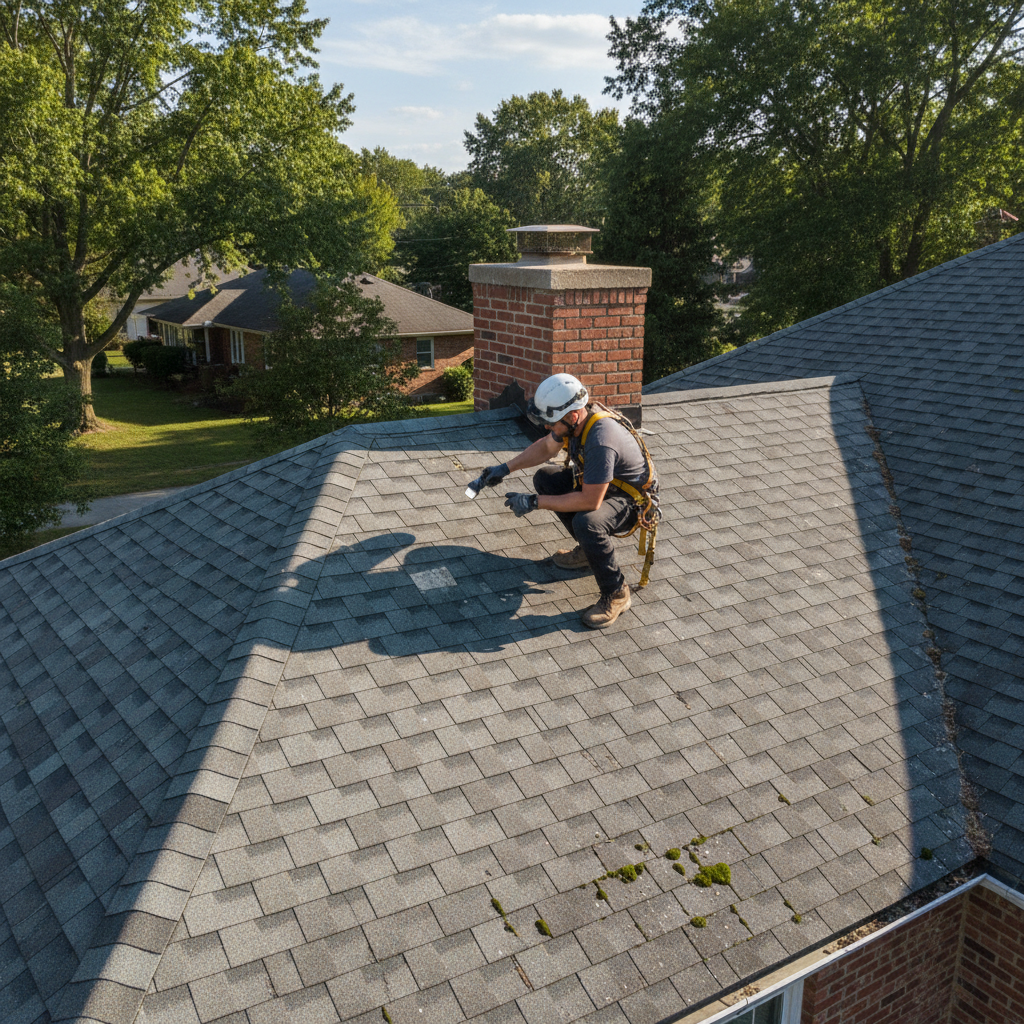
- Tools: You’ll need a sturdy ladder, binoculars (for distant inspection), a flashlight, and potentially a camera.
- Shingles: Look for cracked, curled, missing, or damaged shingles. Pay attention to areas where shingles are missing granules, which can indicate advanced wear.
- Flashing: Examine flashing around chimneys, vents, skylights, and dormers. Look for cracks, rust, gaps, or signs of improper installation. Sealants around these areas can also deteriorate over time.
- Gutters: Check if gutters are clogged with leaves and debris, causing water to overflow. Also, look for signs of damage or improper alignment that could lead to water pooling.
- Roof Penetrations: Inspect all items that penetrate the roof, such as plumbing vents, exhaust fans, and skylights. Check their boots and seals for cracks or deterioration.
- Valleys: These are areas where two roof planes meet. Valleys are prone to leaks if their flashing or sealing is compromised.
The Water Test: Confirming the Leak (and its Path)
If you can’t pinpoint the exact source through visual inspection, a controlled water test can be invaluable. This requires a helper:
- Preparation: Have one person inside the garage or attic, near where the stain appears.
- Application: The other person, using a garden hose, should apply water to a specific section of the roof, starting with the area directly above and uphill from the ceiling stain.
- Observation: The person inside should watch for water entry. Be patient; it can take several minutes for water to travel and show up.
- Systematic Approach: Work your way up the roof, isolating different sections. For example, test around a chimney, then move to a specific section of shingles, then a vent. This method helps isolate the leak to a particular area.
- Marking: Once the water appears inside, mark the spot on the roof with chalk or a marker so you know exactly where to focus your repair efforts.
Immediate Actions When You Discover a Garage Ceiling Water Stain
Once you’ve found a water stain, swift action can prevent further damage and make the eventual repair easier.
Mitigating Further Damage
- Move Items: Immediately move any vehicles, tools, storage boxes, or other items away from the stained area to protect them from dripping water or potential ceiling collapse.
- Contain the Drip: If water is actively dripping, place buckets, tarps, or towels to catch the water and prevent it from spreading on the floor.
- Ventilate: Open garage doors and windows to increase air circulation, which can help dry out the area and inhibit mold growth.
- Temporary Fixes: For an active leak, a temporary solution like a tarp over the affected roof area secured with bricks or weights can buy you time until a proper repair can be made. Ensure the tarp extends well beyond the leak area.
Documenting the Damage
Take clear photos and videos of the garage ceiling water stain from roof damage. Document the extent of the stain, any active dripping, and the condition of items below it. This documentation is crucial if you plan to file an insurance claim for the damage. Many insurance policies cover sudden and accidental damage, but not neglect.
Repairing the Roof: Addressing the Root Cause
Once you’ve identified the source of the leak, the next step is to repair the roof. The type of repair will depend on the cause of the leak.
Minor Shingle Repair
For a few cracked or missing shingles, a DIY repair might be feasible:
- Replacing Shingles: Carefully lift the shingle above the damaged one, remove the nails holding the damaged shingle, slide out the old shingle, and insert a new one. Secure with roofing nails and seal with roofing cement.
- Sealing Cracks: Small cracks can sometimes be sealed with a high-quality roofing cement or sealant.
- When to Call a Pro: If there are extensive areas of damaged shingles, or if you’re uncomfortable working on the roof, it’s best to hire a professional roofer.
Flashing Repair and Replacement
Flashing issues are a common cause of leaks. Repair usually involves:
- Re-sealing: Applying roofing cement or caulk to small gaps or cracks in existing flashing.
- Replacing: For severely rusted, bent, or missing flashing, the old pieces must be carefully removed and new ones installed. This often involves working around existing roof elements like chimneys or skylights and may require specialized tools, making it a job often best left to professionals.
Gutter Maintenance and Repair
Regular gutter cleaning is a simple preventative measure. If your gutters are overflowing, clean out all debris. If they are damaged or improperly sloped, they may need repair or realignment to ensure proper drainage.
Sealing Vents and Skylights
Check the caulking and seals around all roof penetrations. If the caulk is cracked or missing, carefully remove the old material and apply a fresh bead of exterior-grade silicone sealant. For vent boots, ensure they are not cracked and are properly seated and sealed. If a skylight is the culprit, check its frame, seals, and the condition of the glass itself.
When to Call a Professional Roofer
While some minor repairs are DIY-friendly, many roof repairs, especially those involving the main structure, steep pitches, or extensive damage, are best handled by experienced professionals. A professional roofer can quickly diagnose complex issues, ensure safety, and perform durable, warrantied repairs. They also have access to specialized tools and materials that ensure a long-lasting fix. For more on identifying roof problems, check out this helpful guide from Better Homes & Gardens on signs of roof damage.
Restoring Your Garage Ceiling: Erasing the Stain and Repairing Damage
Once the roof leak is completely fixed and you are certain no more water will enter, you can turn your attention to restoring the garage ceiling.
Drying Out the Area
Before any repairs, the ceiling area must be thoroughly dry. Use fans and a dehumidifier to speed up the drying process. This can take several days to a week, depending on the extent of the saturation. Ensuring complete dryness is critical to prevent mold growth and ensure new paint or patches adhere properly.
Treating Mold and Mildew
If mold or mildew has begun to form on the stained area, it must be treated before painting or patching. For small areas, a mixture of bleach and water (1 part bleach to 3 parts water) or a commercial mold killer can be used. Wear appropriate personal protective equipment (gloves, eye protection, mask) and ensure good ventilation. For extensive mold growth, professional mold remediation may be necessary, especially if the mold has penetrated beyond the surface.
Repairing Drywall and Plaster
The type of repair needed for the ceiling will depend on the extent of the water damage:
- Minor Stains: If the drywall or plaster is structurally sound and only stained, thorough cleaning and a good stain-blocking primer may be all that’s needed.
- Sagging or Soft Drywall: If the drywall is sagging, soft, or crumbly, it must be cut out and replaced.
- Patching: Cut out the damaged section of drywall in a clean, square shape. Install furring strips or new blocking between joists if needed to provide backing for the new patch. Cut a new piece of drywall to fit perfectly. Secure it with drywall screws.
- Mudding and Taping: Apply drywall tape over the seams and screws, then apply several thin coats of joint compound (drywall mud), feathering the edges to blend with the existing ceiling. Allow each coat to dry thoroughly and sand smooth between coats.
- Texturing: If your garage ceiling has a texture, you’ll need to reapply it to the patched area to match the surrounding ceiling.
Priming and Painting
Once the repairs are complete and the ceiling is smooth and dry, apply a high-quality stain-blocking primer. This is crucial for preventing old water stains from bleeding through new paint. After the primer has dried, apply two coats of interior paint designed for ceilings, matching the existing color if possible.
Preventative Measures: Keeping Your Garage Dry and Safe
After all that effort, the last thing you want is a repeat performance. Implementing preventative measures can help keep your garage ceiling free from water stains.
- Regular Roof Inspections: Conduct annual visual inspections of your roof, ideally in spring and fall. Look for damaged shingles, cracked caulk, and any debris.
- Gutter Cleaning: Clean your gutters at least twice a year, more often if you have many trees nearby. Ensure they are free of debris and properly draining away from the foundation.
- Check Flashing and Sealants: Periodically inspect the flashing around chimneys, skylights, and vents. Reapply caulk or sealant as needed before it deteriorates.
- Maintain Attic Ventilation: Ensure your attic is properly ventilated to prevent condensation build-up, especially in climates with extreme temperature fluctuations.
- Trim Overhanging Branches: Keep tree branches trimmed away from your roof to prevent damage from falling limbs and to reduce debris accumulation.
- Address Minor Issues Promptly: Don’t put off small repairs. A minor crack can quickly become a major leak.
Frequently Asked Questions (FAQs)
Q: Can a garage ceiling water stain be caused by something other than a roof leak?
A: Yes, though less common, it’s possible. Plumbing leaks from pipes running through the attic or ceiling space, or severe condensation due to poor ventilation can also cause stains. However, a roof leak is the most frequent culprit, especially if the stain appears after rain or snowmelt.
Q: How long does it take for mold to grow after a water leak?
A: Mold can start to grow on damp surfaces within 24 to 48 hours. This is why immediate drying and mitigation are crucial once a leak is discovered.
Q: Is a small water stain a big deal?
A: Yes, absolutely. Even a small water stain indicates a persistent moisture problem. While the visible stain might be small, the water could be saturating insulation, rotting wood, and creating an environment for mold growth unseen behind the ceiling. It’s always best to investigate and address any water stain promptly.
Q: Should I repair the ceiling first or the roof?
A: Always repair the roof leak first. Repairing the ceiling before fixing the source of the water is a waste of time and money, as the ceiling will simply get damaged again. Ensure the roof repair is sound and no more water is entering before tackling ceiling restoration.
Q: How much does it cost to fix a roof leak?
A: The cost varies widely depending on the nature and severity of the leak, the type of roofing material, and whether you do it yourself or hire a professional. Minor DIY fixes (like replacing a few shingles) might only cost the price of materials ($20-$100). Professional repairs can range from a few hundred dollars for a simple fix to several thousands for extensive damage or if entire sections of the roof need replacement. Getting multiple quotes from reputable roofers is always recommended.
Conclusion
A garage ceiling water stain from roof damage is more than just an eyesore; it’s a critical indicator that your home’s protective envelope is compromised. By understanding the common causes, methodically diagnosing the source, making timely repairs, and implementing preventative measures, you can effectively address these issues. Taking swift action protects your home’s structural integrity, prevents costly future damage, and restores peace of mind. Don’t let a small stain turn into a big problem – empower yourself with the knowledge to tackle it head-on.