Setting the Foundation: Decluttering and Organization
Before any design changes can truly shine, the most fundamental step is often overlooked: decluttering and organizing. A cluttered space, no matter how beautifully decorated, will always feel chaotic and uninviting. This initial phase is entirely free and sets the stage for every subsequent design decision.
Why Decluttering is Crucial for Design
- Creates Visual Space: Removing unnecessary items instantly makes a room feel larger, airier, and more open.
- Highlights Key Pieces: When there’s less clutter, your chosen decor and furniture can truly stand out and make a statement.
- Reduces Stress: An organized home contributes to a more peaceful and calming environment.
- Facilitates Cleaning: Less stuff means less to clean around, making maintenance easier.
Simple Decluttering Methods for Beginners
- The “One Year” Rule: If you haven’t used or worn something in a year, consider letting it go.
- The “One In, One Out” Policy: When you buy something new, commit to donating or getting rid of an old item.
- Tackle One Area at a Time: Don’t try to declutter your entire home at once. Start with a drawer, a shelf, or a single closet to avoid feeling overwhelmed.
- Categorize Items: Group similar items together (e.g., all books, all clothes, all kitchen gadgets) to see how much you truly have.
Smart Storage Solutions that Enhance Design
Once you’ve decluttered, functional storage becomes a design element in itself. Choose storage solutions that are both practical and aesthetically pleasing.
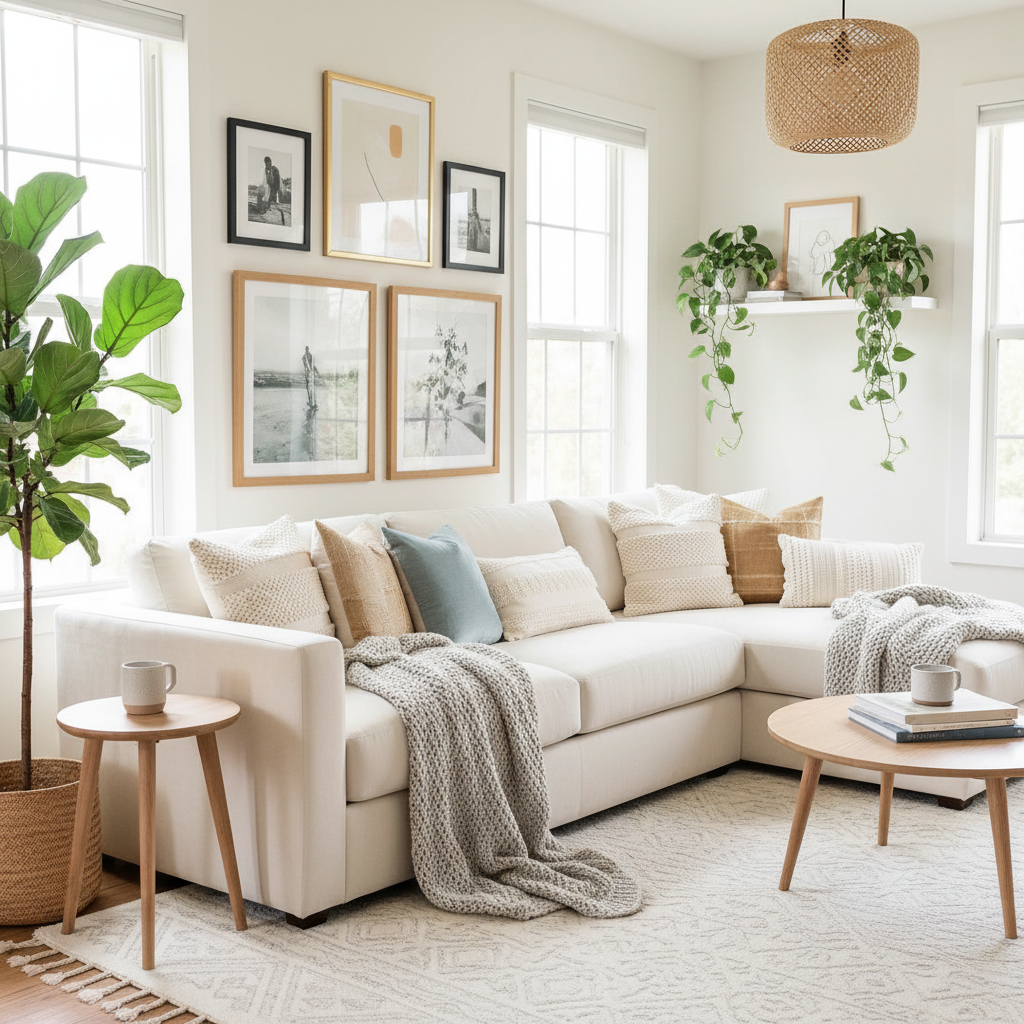
- Stylish Baskets and Bins: Use decorative baskets for blankets, toys, magazines, or remote controls. They hide clutter while adding texture and visual interest.
- Floating Shelves: Maximize vertical space and display curated items like books, small plants, or decorative objects.
- Multi-functional Furniture: Ottomans with storage, coffee tables with drawers, or benches with compartments are excellent for small spaces.
- Drawer Organizers: Keep drawers tidy and functional in kitchens, bathrooms, and bedrooms.
The Power of Paint and Wall Treatments
A fresh coat of paint is arguably the most transformative, non-renovating change you can make. It’s relatively inexpensive, completely customizable, and can dramatically alter the mood and perceived size of a room.
A Fresh Coat of Paint: Immediate Impact
Choosing the right paint color can make a room feel larger, cozier, brighter, or more sophisticated. Consider lighter neutrals like soft grays, warm whites, or subtle beiges for a versatile backdrop. For a bolder statement, opt for a deeper hue in a smaller space, such as a powder room or an accent wall.
- Test Samples: Always buy sample pots and paint swatches on your walls to see how the color looks in different lighting throughout the day.
- Consider the Sheen: Matte finishes hide imperfections well, while semi-gloss is more durable and reflective, often used in kitchens and bathrooms.
- DIY Painting Tips: Prepare your walls properly (clean, spackle holes), tape off trim, and use good quality brushes and rollers for a professional finish.
Accent Walls: Creating a Focal Point
If painting an entire room feels too daunting or permanent, an accent wall is a fantastic compromise. Choose one wall, often behind a bed or a sofa, and paint it a contrasting color or add a textured finish. This draws the eye and adds depth without overwhelming the space.
Removable Wallpaper and Decals: Rental-Friendly Options
For renters or those commitment-averse, peel-and-stick wallpaper and wall decals are game-changers. They come in a vast array of patterns, textures, and colors, allowing you to experiment with bold designs or subtle prints without damaging the walls. They are easy to apply and remove, making them perfect for temporary transformations.
Gallery Walls: Personal Touches and Visual Interest
A gallery wall is a collection of framed art, photos, or objects arranged together on a wall. It’s a wonderful way to showcase your personality, travels, and memories. Mix and match frame sizes, styles, and artwork for an eclectic look, or keep it uniform for a more polished aesthetic. Lay out your arrangement on the floor first to visualize the composition before hanging.
Harnessing Light: Lighting Fixtures and Natural Illumination
Lighting is a crucial, yet often underestimated, element of home design. Proper lighting can dramatically change the ambiance of a room, highlight architectural features, and improve functionality.
Layered Lighting for Optimal Ambiance
Think of lighting in layers to create a well-lit and inviting space:
- Ambient Lighting: The general illumination of a room, often from ceiling fixtures like flush mounts or chandeliers. This provides overall brightness.
- Task Lighting: Focused light for specific activities, such as reading lamps by a sofa, under-cabinet lighting in a kitchen, or desk lamps.
- Accent Lighting: Used to highlight specific features, like artwork with picture lights, or to create mood with dimmable lamps or uplights.
Replacing Fixtures: Easy Swaps for Big Impact
Swapping out outdated light fixtures for more modern or stylish ones is a simple update that can make a huge difference. You don’t need an electrician for many basic replacements (though if you’re unsure, always consult a professional). Consider new pendant lights over a kitchen island, a more decorative chandelier in the dining room, or contemporary wall sconces in a hallway.
Maximizing Natural Light
Natural light makes spaces feel more open, vibrant, and welcoming. Maximize it with these tips:
- Choose Sheer or Light-Colored Curtains: Heavy, dark drapes can block precious sunlight. Opt for lightweight fabrics in light hues or blinds that can be easily pulled up.
- Strategic Mirror Placement: Place mirrors opposite windows to reflect natural light deeper into the room, making it feel larger and brighter.
- Keep Windows Clean: A simple task that can make a surprising difference in how much light enters your home.
Textiles and Soft Furnishings: Adding Comfort and Style
Textiles are your secret weapon for adding warmth, texture, color, and personality to a room without any heavy lifting. They are easily interchangeable and can significantly impact the overall feel.
Rugs: Defining Spaces and Adding Warmth
An area rug can anchor a furniture arrangement, define zones in an open-plan space, and add a much-needed layer of warmth and texture. Choose a rug that is appropriately sized for your room – too small and it will make the space feel disjointed. Ensure at least the front legs of major furniture pieces sit on the rug.
Throw Pillows and Blankets: Texture, Color, Comfort
These are the easiest and most affordable items to update seasonally or when you want a quick style refresh. Mix different textures (velvet, linen, faux fur), patterns, and colors to add visual interest to sofas, chairs, and beds. Throw blankets draped over furniture invite coziness and relaxation.
Curtains and Drapery: Framing Windows, Privacy, Style
Curtains do more than just provide privacy and block light; they add softness, color, and height to a room. Hang curtain rods wider and higher than your window frames to make windows appear larger and ceilings taller. Choose fabrics and styles that complement your overall design aesthetic, from breezy sheers to luxurious velvets.
Strategic Furniture Placement and Arrangement
You don’t need new furniture to give your room a facelift. Often, simply rearranging what you already have can make a dramatic difference in flow, function, and aesthetics.
Rethinking Layouts for Better Flow
Consider the primary function of each room. In a living room, for example, do you want to prioritize conversation, TV watching, or both? Try different arrangements to see what feels most comfortable and efficient. Ensure there’s a clear path for movement without bumping into furniture.
Creating Conversation Areas
Arrange seating to encourage interaction. Sofas and chairs should face each other or be angled towards a central point (like a coffee table or fireplace) rather than pushed against all four walls. Pull furniture away from the walls slightly to create a more intimate feel.
Utilizing Vertical Space
Don’t forget the untapped potential of your walls. Tall bookshelves, wall-mounted media consoles, or vertical storage units draw the eye upward and make a room feel grander while providing valuable storage or display space. For practical tips on maximizing your vertical space, Good Housekeeping offers excellent advice on maximizing small spaces.
Multi-functional Furniture
If you’re looking to purchase a new piece, consider items that serve multiple purposes. A storage ottoman can be a footrest, extra seating, and a place to stash blankets. A console table can double as a desk. This is particularly useful in smaller homes or apartments.
Accessorizing with Intention: The Devil is in the Details
Accessories are the jewelry of your home. They are the final touches that pull a room together, inject personality, and make a space feel lived-in and loved. The key is to accessorize with intention, choosing pieces that resonate with you rather than just filling space.
Art and Mirrors: Personality and Light
- Art: Displaying artwork that speaks to you is a powerful way to express your style. It doesn’t have to be expensive; prints, photographs, or even your own creations can work wonders.
- Mirrors: As mentioned, mirrors reflect light and make rooms feel larger. Beyond functionality, decorative mirrors can be stunning focal points.
Decorative Objects: Vases, Trays, Sculptures
Use decorative objects to add visual interest to shelves, coffee tables, and side tables. Group items in odd numbers (threes or fives) for a more appealing arrangement. Vary heights, textures, and materials for a dynamic display.
Personal Touches: Photos, Souvenirs, Books
Your home should tell your story. Incorporate framed family photos, souvenirs from travels, cherished heirlooms, and a collection of books to make your space uniquely yours. These personal elements are what truly make a house a home.
Bookshelf Styling (Shelfies)
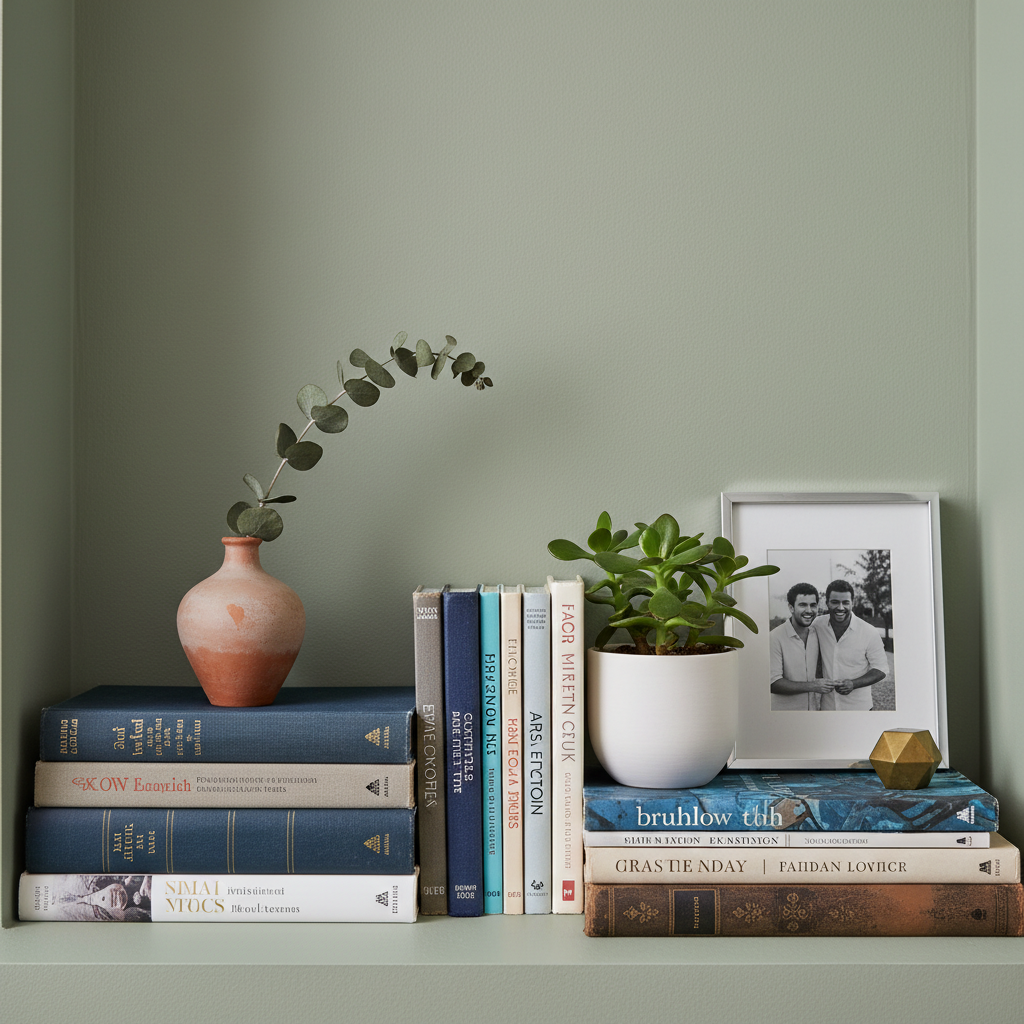
Don’t just cram books onto shelves. Mix in decorative objects, small plants, framed photos, and art. Arrange books both vertically and horizontally, and leave some breathing room to avoid a cluttered look. Varying the orientation adds visual intrigue.
Bringing Nature Indoors: The Magic of Plants
Houseplants are a simple yet incredibly effective way to bring life, color, and freshness into your home. They purify the air, add a touch of nature, and instantly make a space feel more vibrant and inviting.
Benefits of Houseplants
- Improved Air Quality: Many plants filter toxins from the air.
- Stress Reduction: Studies show that caring for plants can reduce stress levels.
- Aesthetic Appeal: They add natural beauty, texture, and a pop of green to any decor.
Easy-Care Options for Beginners
Don’t have a green thumb? Start with resilient plants like:
- Snake Plant (Sansevieria): Tolerates low light and infrequent watering.
- ZZ Plant (Zamioculcas zamiifolia): Extremely drought-tolerant and adaptable to various light conditions.
- Pothos (Epipremnum aureum): Easy to grow, cascading vines look great on shelves.
- Spider Plant (Chlorophytum comosum): Easy to care for and produces “spiderettes” for propagation.
Placement and Pot Choices
Consider the light requirements of your plants and place them accordingly. Elevate plants with stands, hang them in macrame holders, or group several together on a tray. Don’t underestimate the impact of a stylish pot – it’s part of the decor!
Budget-Friendly Enhancements for Every Room
Many simple design upgrades can be achieved on a modest budget across different areas of your home. These small changes can add up to a significant transformation.
Kitchen Updates Without Renovation
- Peel-and-Stick Backsplash: Instantly update your kitchen’s look with a temporary, stylish backsplash.
- Hardware Upgrades: Swapping out old cabinet knobs and pulls for new ones can make a surprising difference in the kitchen’s aesthetic.
- Declutter Countertops: Keep only essential items on display for a cleaner, more spacious feel.
- Add a Runner or Mat: A stylish rug can add warmth and personality to the kitchen floor.
Bathroom Refreshes
- New Shower Curtain: A fresh, attractive shower curtain can completely change the look of a bathroom.
- Fluffy Towels: Invest in luxurious, coordinating towels for a spa-like feel.
- Vanity Organization: Use trays and small containers to keep your vanity tidy and display only aesthetically pleasing items.
- Add a Plant or Candle: A small plant or a scented candle can elevate the ambiance.
Bedroom Sanctuary Creation
- New Bedding: Fresh sheets, a duvet cover, and an array of throw pillows can transform your bedroom into a cozy retreat.
- DIY or Temporary Headboard: Consider a fabric-covered panel, a removable wallpaper mural, or a decorative screen behind your bed.
- Bedside Table Styling: Keep it simple with a lamp, a book, and a small decorative item.
Living Room Lift
- Update Throw Pillows and Blankets: As mentioned, an easy and impactful change.
- Restyle Your Coffee Table: Group books, a small plant, and a decorative object on a tray.
- Add a Statement Lamp: A floor lamp or a table lamp with an interesting base can serve as both lighting and art.
Understanding Your Style: A Beginner’s Guide to Design Aesthetics
Before you start making changes, it’s incredibly helpful to understand what design styles you’re drawn to. This will guide your choices and help you create a cohesive look.
Brief Overview of Popular Styles
- Minimalist: Clean lines, simple forms, neutral colors, emphasis on functionality and open space.
- Bohemian: Eclectic, relaxed, global influences, natural materials, vibrant colors, layered textures, plants.
- Modern Farmhouse: Rustic charm meets contemporary sleekness; natural wood, white walls, industrial accents, cozy textiles.
- Scandinavian: Light wood, white walls, simple furniture, functionality, natural light, hygge (coziness).
- Mid-Century Modern: Organic shapes, clean lines, teak wood, vibrant pops of color, iconic furniture designs from the mid-20th century.
How to Discover Your Personal Preferences
- Browse Inspiration: Look at magazines, Pinterest, Instagram, and design blogs. Save images of rooms, furniture, and decor that you love.
- Identify Common Threads: After collecting images, look for patterns. Do you consistently gravitate towards certain colors, textures, furniture styles, or overall moods?
- Consider Your Lifestyle: Your home should support how you live. Do you need durable fabrics for kids and pets? Do you entertain often?
Creating a Mood Board
A mood board (physical or digital) is a powerful tool. Gather swatches of fabrics, paint chips, photos of furniture, textures, and art that appeal to you. This visual collage will help you define your style and ensure your design choices are cohesive before you make any purchases.
Frequently Asked Questions
Can I really make a big difference without renovating?
Absolutely! The cumulative effect of small, thoughtful changes like decluttering, painting an accent wall, updating textiles, improving lighting, and rearranging furniture can dramatically transform the look and feel of your home. Focus on creating a cohesive aesthetic and enhancing functionality.
What’s the most budget-friendly change I can make?
Decluttering and rearranging your existing furniture are completely free and provide an immediate impact. After that, a fresh coat of paint, new throw pillows, or a different shower curtain offer significant visual updates for a relatively low cost.
How do I choose a color palette?
Start with colors you genuinely love. Consider the existing fixed elements in your home (flooring, cabinetry) and choose colors that complement them. Look to nature for inspiration or use a favorite piece of art or rug as a starting point. Always test paint samples on your wall before committing to a full room.
How often should I redecorate?
There’s no fixed rule! You might want to update smaller items like throw pillows seasonally, or larger changes like paint every few years. The key is to redecorate when your current space no longer feels comfortable, functional, or reflective of your evolving style.
What if I live in a rental?
Renters have many options for no-renovation design. Focus on temporary solutions: peel-and-stick wallpaper, wall decals, command strips for hanging art, new curtains, portable lighting, stylish rugs, and plants. Many landlords are also open to painting if you agree to paint it back to a neutral color upon moving out.
Conclusion
Embarking on a home design journey doesn’t require a massive budget or a team of contractors. With these simple home design ideas for beginners without renovation, you have all the tools to create a beautiful, comfortable, and personalized space that you’ll love coming home to. Start small, experiment with what inspires you, and remember that your home is a reflection of you. Enjoy the process of transforming your living environment into a true sanctuary, one thoughtful detail at a time.