What Does a Bowing Ceiling Mean for Your Home?
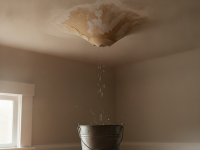
A ceiling that is bowing downward means that a section of the ceiling, or even the entire expanse, is no longer flat and level. Instead, it sags, dips, or bulges, creating an uneven surface. This deviation from the original flat plane is a visual manifestation of a force or weakness causing the ceiling material to give way. It’s not just about aesthetics; a bowing ceiling indicates that the structural components supporting it are under undue stress, have been compromised, or were inadequately installed in the first place. Understanding the underlying cause is paramount to preventing further damage and ensuring the safety of your living space.
Common Causes of a Ceiling Bowing Downward
The reasons behind a sagging or bowing ceiling can range from minor issues to significant structural failures. Identifying the specific cause is the first crucial step toward finding the right solution. Here are the most common culprits:
1. Water Damage and Leaks
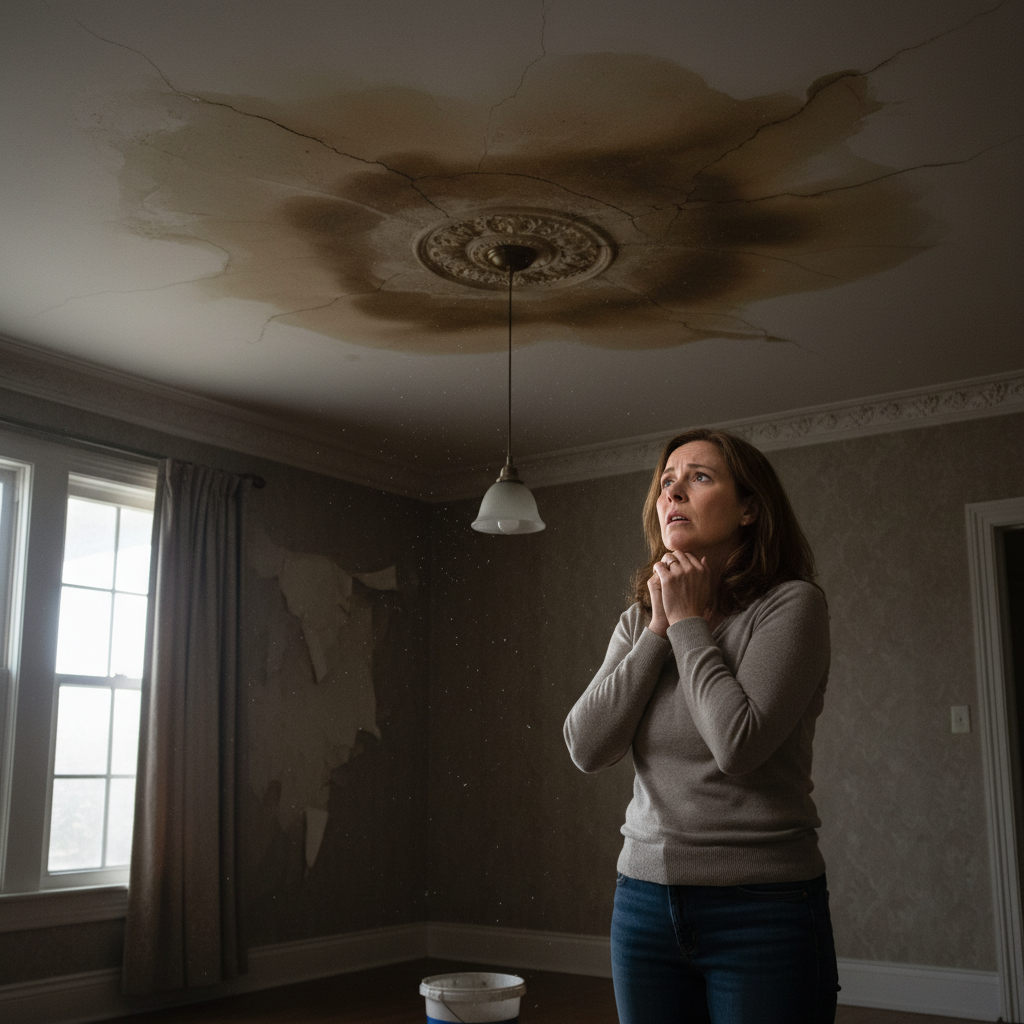
One of the most frequent causes of a ceiling bowing downward is water damage. Water is incredibly heavy, and even a small leak over time can saturate ceiling materials like drywall or plaster, causing them to lose integrity and sag. The source of water can vary:
- Roof Leaks: Missing shingles, damaged flashing, or an old roof can allow rainwater to seep into your attic and eventually onto your ceiling.
- Plumbing Leaks: Burst pipes, leaky fittings, or overflowing bathtubs/toilets on the floor above can drip water into the ceiling space below.
- HVAC Condensation: Leaky condensate pans or lines from an attic-mounted air conditioning unit can release water onto the ceiling.
- Poor Drainage: Improper exterior drainage around your home can lead to water pooling and seeping into the structure, though this typically affects lower levels or foundations more directly.
Signs of water damage often include discoloration, water stains (yellow or brown), peeling paint, or a musty odor along with the sag.
2. Excessive Weight Above the Ceiling
Ceilings are designed to support their own weight and a certain amount of additional load, primarily from insulation. However, if the area above the ceiling (typically an attic) is being used for heavy storage, or if an excessive amount of blown-in insulation has been added without proper structural assessment, the ceiling joists and materials can become overloaded. This excessive weight puts continuous downward pressure, leading to a noticeable sag over time.
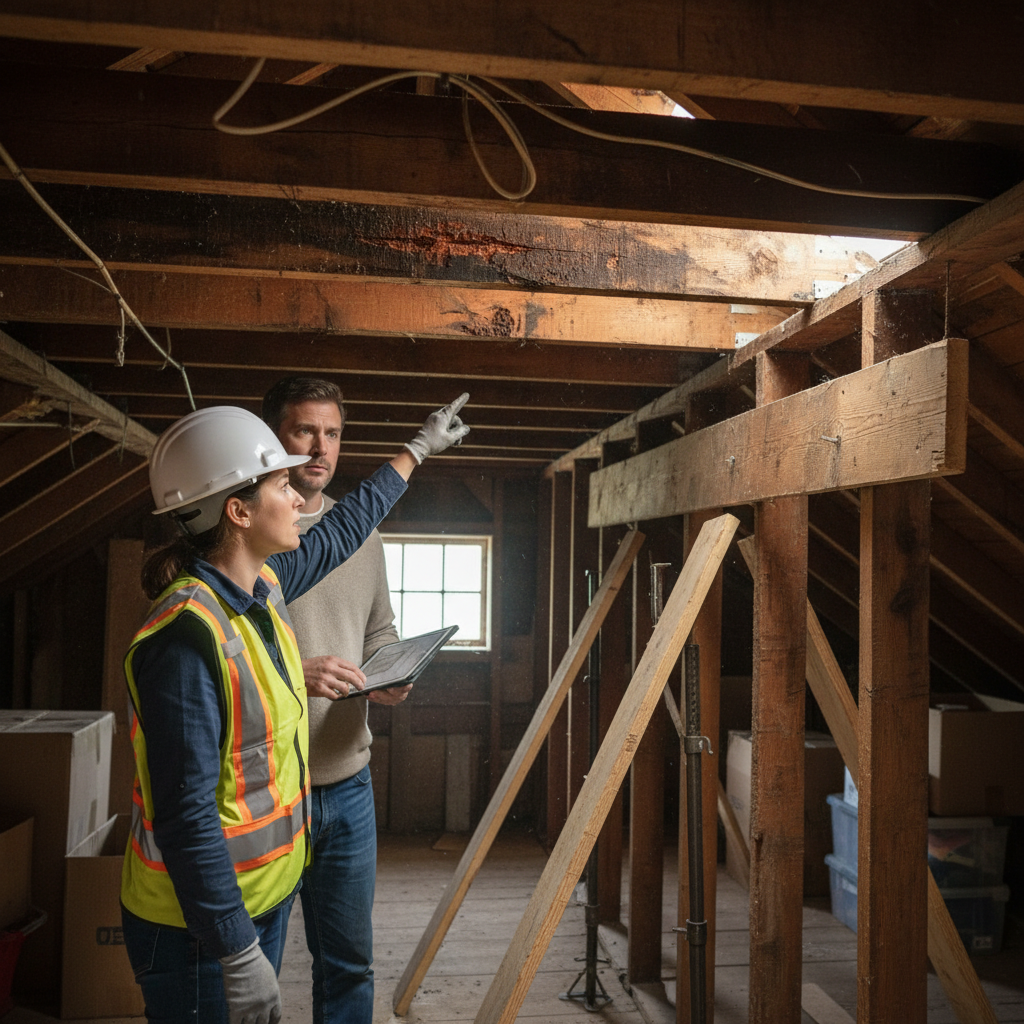
- Heavy Storage: Storing boxes, old furniture, or other heavy items in an unfinished attic can exceed the load-bearing capacity of standard ceiling joists.
- Too Much Insulation: While good for energy efficiency, adding too much dense insulation can sometimes overburden older or undersized ceiling joists.
- Conversion without Reinforcement: If an attic space was converted into a living area without properly reinforcing the floor (which is the ceiling for the level below), the added live load can cause bowing.
3. Structural Issues and Framing Problems
Beyond water and weight, the fundamental structure supporting your ceiling can be at fault. These issues are often the most serious and require professional intervention:
- Weakened or Damaged Joists: Ceiling joists can become weakened over time due to age, water damage, pest infestation (like termites or carpenter ants), or even being cut or altered for previous renovations without proper support.
- Improper Installation: During construction, if joists were spaced too far apart, were undersized for the span, or were not properly secured, the ceiling material (drywall, plaster) may start to sag under its own weight over time.
- Foundation Problems: While seemingly unrelated, severe foundation issues can lead to shifting and settling of the entire house structure. This movement can put immense stress on interior framing, causing ceilings and walls to warp or crack. For more information on identifying these critical signs, you might find valuable insights in articles from reputable sources like Better Homes & Gardens on signs of foundation problems.
- Building Code Violations: In older homes or homes with unpermitted additions, it’s possible that framing was not installed according to current building codes, making it prone to failure.
4. Poor Quality or Aging Materials
Sometimes the issue lies not with external forces but with the ceiling materials themselves. Over decades, especially in older homes, materials like plaster and lath can deteriorate, become brittle, or lose their adhesion to the framing. Modern drywall, if not properly secured with enough fasteners or if a too-thin panel was used for a large span, can also begin to sag.
- Plaster Degradation: Plaster can lose its bond to the lath over time, causing it to separate and sag.
- Drywall Fastener Issues: Drywall sheets might sag if they weren’t attached with enough screws/nails, or if fasteners have pulled out due to movement or vibration.
- Inappropriate Material Use: Using standard drywall in high-moisture areas without proper ventilation can lead to moisture absorption and sagging, even without a direct leak.
5. Pest Infestation
Less common but still possible, pests can contribute to a bowing ceiling. Termites, carpenter ants, or even rodents can tunnel through wooden joists and framing, hollowing them out and compromising their structural integrity. Over time, the weakened wood can no longer support the ceiling’s weight, leading to a sag.
Immediate Steps to Take When You Notice a Bowing Ceiling
A bowing ceiling is a red flag that should never be ignored. Your immediate actions are crucial for safety and preventing further damage:
- Evacuate the Area: If the sag is severe, appears to be rapidly worsening, or is accompanied by cracking sounds, evacuate the room immediately. This is a potential sign of impending collapse.
- Support the Ceiling (if safe to do so): For a significant sag, consider temporarily propping up the bowing section with sturdy 2x4s or adjustable support poles. Place a piece of plywood or a flat board between the prop and the ceiling to distribute the pressure and prevent further damage. Only do this if you are certain it is safe and won’t put you at risk.
- Contain Water (if applicable): If you suspect a water leak, try to locate the source and stop it. Place buckets under the sag to catch any dripping water, and consider turning off the water supply to that area or the entire house if the leak is substantial.
- Clear the Area Above: If the bowing is directly under an attic or storage space, carefully and safely remove any heavy items from that area.
- Restrict Access: Keep children, pets, and other household members away from the affected room until a professional has assessed the situation.
How to Identify the Cause (Initial Assessment)
While a professional inspection is always recommended, a preliminary visual assessment can help you gather information to share with experts:
- Look for Water Stains: Are there any yellow, brown, or discolored spots on the ceiling? Is the paint peeling or bubbling? These are strong indicators of a water leak.
- Check the Attic: If you have attic access, safely go up with a flashlight. Look directly above the bowed area. Are there signs of water (drips, wet insulation, mold)? Are joists cracked, warped, or damaged? Are there any obvious heavy items stored directly above the sag? Look for pest activity.
- Examine Surrounding Areas: Check the walls near the bowing ceiling for cracks, bowing, or other signs of structural distress. Inspect the floor above for soft spots, unevenness, or plumbing fixtures that might be leaking.
- Consider the Age of Your Home: Older homes might be more prone to plaster degradation or original structural weaknesses.
- Note the Sag’s Pattern: Does it run along a joist? Is it a localized bulge or a widespread sag? This can provide clues to the type of underlying problem.
When to Call a Professional
Given the potential severity of a bowing ceiling, professional help is almost always necessary. Do not attempt extensive DIY repairs without consulting experts. Here’s who you might need to call:
- Structural Engineer: For any significant or widespread bowing, especially if you suspect foundation or framing issues, a structural engineer is essential. They can accurately assess the load-bearing capacity, identify structural deficiencies, and recommend the precise repairs needed.
- Licensed General Contractor: A reputable contractor experienced in structural repairs can execute the recommendations of a structural engineer. They will have the expertise to safely repair or replace damaged framing, install new ceiling materials, and ensure the work meets building codes.
- Plumber: If a plumbing leak is identified as the cause, a plumber can repair the faulty pipes or fixtures.
- Roofing Contractor: For roof leaks, a roofing professional can diagnose and repair the source of water intrusion.
- Pest Control Specialist: If termites, carpenter ants, or other wood-destroying pests are found, a pest control company can eradicate the infestation.
- Water Damage Restoration Company: If significant water damage has occurred, these professionals can dry out affected areas, prevent mold growth, and remove damaged materials.
It’s always best to start with a structural engineer if the cause isn’t immediately obvious or if it appears to be a serious structural problem. Their unbiased assessment will guide the repair process effectively.
Repair and Remediation Options
The solution to a bowing ceiling depends entirely on its cause and severity:
- Minor Repairs (Patching and Reinforcement): If the sag is localized and due to minor water damage or a few loose fasteners, professionals might be able to reinforce the existing ceiling joists or reattach the drywall/plaster more securely. Small sections of damaged drywall or plaster can be cut out and replaced.
- Water Damage Restoration: If a leak caused the problem, the first step is always to fix the leak. Then, damaged and saturated ceiling materials will need to be removed, the area dried thoroughly, and new materials installed. This often involves replacing sections of drywall or plaster and potentially insulation.
- Structural Reinforcement or Replacement: For issues with weakened or undersized joists, solutions might include:
- Sistering Joists: Attaching new, strong lumber alongside existing joists to reinforce them.
- Adding Blocking or Bridging: Installing perpendicular pieces of wood between joists to stiffen the floor/ceiling system and distribute loads more evenly.
- Replacing Joists: In severe cases, completely removing and replacing damaged or inadequate joists.
- Adding Support Beams: Installing a new support beam under the joists to reduce their span and increase load capacity.
- Addressing Foundation Issues: If the bowing is a symptom of foundation problems, these must be addressed first. This could involve pier and beam repair, slab repair, or underpinning.
- Pest Extermination and Repair: After pests are eradicated, any wood damaged by the infestation will need to be repaired or replaced to restore structural integrity.
The repair process can be disruptive, often requiring temporary relocation, and should always be overseen by experienced professionals to ensure safety and compliance with local building codes.
Preventing Future Ceiling Sagging
Once your ceiling is repaired, taking preventative measures can help avoid a repeat of the problem:
- Regular Home Maintenance: Periodically inspect your roof for damage, check plumbing for leaks, and examine your attic for signs of water intrusion or pest activity.
- Proper Attic Storage: Use your attic only for light storage, if at all. If you plan to store heavier items, consult with a structural engineer to assess the floor’s load-bearing capacity and reinforce it if necessary.
- Manage Insulation: Ensure your attic insulation is appropriate for your climate and type of construction. If adding significant amounts of blown-in insulation, verify that your ceiling joists can handle the extra weight.
- Maintain Proper Ventilation: Adequate ventilation in attics and bathrooms helps prevent moisture buildup that can contribute to water damage and mold.
- Professional Inspections: Consider periodic professional home inspections, especially if you live in an older home or one prone to settling.
Frequently Asked Questions About a Bowing Ceiling
Is a bowing ceiling dangerous?
Yes, absolutely. A bowing ceiling is a serious safety concern. It indicates a structural weakness that could lead to a partial or complete ceiling collapse, posing a significant risk of injury or death to anyone in the room. Even minor bows can worsen over time if the underlying cause isn’t addressed, making the structure increasingly unstable.
Can I fix a sagging ceiling myself?
While very minor cosmetic issues like small drywall seams might be DIY-able, a true “bowing downward” or “sagging” ceiling due to structural issues, water damage, or excessive weight should almost always be handled by professionals. Misdiagnosing the cause or attempting improper repairs can exacerbate the problem, compromise safety, and lead to more costly repairs down the line.
How much does it cost to fix a bowing ceiling?
The cost to repair a bowing ceiling varies widely depending on the cause, severity, materials involved, and local labor rates. A minor repair for a small water-damaged section might cost a few hundred dollars. However, if the issue involves structural reinforcement, extensive water damage restoration, or foundation repair, costs can quickly escalate into several thousands or even tens of thousands of dollars. Always get multiple quotes from qualified professionals.
What are the signs of impending ceiling collapse?
Beyond a noticeable sag, signs of impending ceiling collapse include:
- Rapidly worsening sag or bulge.
- Visible cracks in the ceiling that are widening or propagating quickly.
- Cracking or popping sounds coming from the ceiling or walls.
- Dust or debris falling from the ceiling.
- Significant water leaks combined with sagging.
- Walls bowing or cracking in conjunction with the ceiling.
If you observe any of these signs, evacuate the area immediately and call emergency services or a structural engineer.
Conclusion
A ceiling bowing downward is a clear signal that your home needs attention. From insidious water leaks to fundamental structural flaws, the potential causes are varied, and the risks are significant. By understanding the common culprits, taking immediate safety precautions, and enlisting the expertise of qualified professionals, you can effectively diagnose and remediate the issue, restoring the safety, integrity, and peace of mind within your home. Never underestimate the importance of addressing such a critical warning sign promptly and thoroughly.