Understanding Why Your Chimney Leaks During Storms
Your chimney is a complex structure, extending above your roofline and constantly exposed to the elements. During a storm, it faces a barrage of wind, rain, and sometimes even hail, all working to exploit any weakness. Pinpointing the exact source of a leak requires a systematic approach, as several components could be at fault.
The Chimney Cap: Your First Line of Defense
Often overlooked, the chimney cap is a vital component that sits atop your chimney flue, acting as its crown. Its primary role is to prevent rain, snow, debris, and animals from entering the flue. If your chimney cap is missing, damaged, rusted through, or improperly installed, it offers little protection. Wind-driven rain can easily penetrate an exposed flue, channeling water directly down into your firebox or even into the chimney walls themselves.
Compromised Chimney Crown: A Flat Top Problem
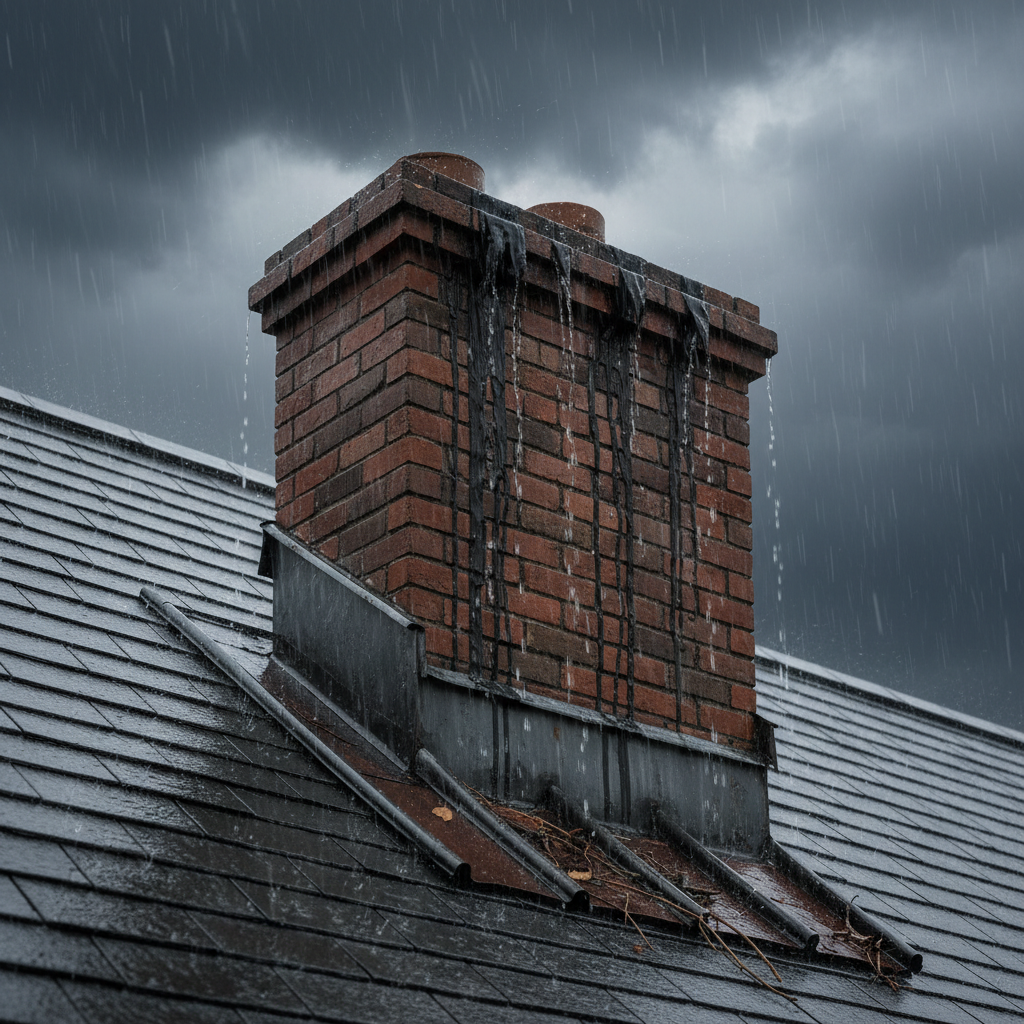
Below the chimney cap, the chimney crown (also known as a wash) is the concrete slab that covers the top of the masonry chimney, sloping outwards to direct water away from the flue and the chimney walls. Over time, due to harsh weather cycles and natural wear, the crown can develop cracks. These hairline fractures, or even larger breaks, become direct entry points for water, allowing it to seep into the masonry below, eventually migrating into your home’s interior. An improperly constructed crown, one that is too flat or doesn’t overhang sufficiently, can also cause water to run directly down the chimney’s exterior.
Deteriorated Flashing: The Roof-Chimney Seal
The flashing is arguably the most common culprit for a chimney leaking during storms. This system of sheet metal, typically aluminum or copper, creates a watertight seal where the chimney meets the roofline. It’s designed to direct water away from the chimney and down the roof. Flashing can fail for several reasons:
- Cracked or Dried Caulk: The sealant used around the flashing can degrade over time, creating gaps.
- Lifted or Damaged Metal: High winds, thermal expansion, or improper installation can cause flashing to lift, bend, or tear, breaking the watertight seal.
- Improper Installation: If the flashing was not installed correctly from the beginning, it might never have created an effective barrier, becoming apparent only during severe weather.
Porous Masonry and Mortar Joints: Absorption Issues
The bricks and mortar that make up your chimney are strong but not impervious. Over decades, bricks can become porous, absorbing water like a sponge. Mortar joints, in particular, are susceptible to erosion from rain, wind, and freeze-thaw cycles. When mortar joints crumble or crack (a process called spalling), they create pathways for water to penetrate the chimney’s structure. Once water is inside the masonry, it can travel downwards, finding its way through to your interior walls or ceiling.

Damaged Chimney Liner: Hidden Dangers
While less common as a direct entry point for external rain, a damaged chimney liner can exacerbate water problems. If your liner (clay, metal, or cast-in-place) is cracked or deteriorated, it might not be channeling water effectively, or water from other leaks higher up could be pooling in areas it shouldn’t. Furthermore, an improperly sized or uninsulated liner can lead to excessive condensation, which can be mistaken for a leak, especially if it appears during appliance use in colder weather.
Condensation vs. Leak: Knowing the Difference
It’s important to distinguish between a genuine leak and condensation. Condensation occurs when warm, moist air inside the flue comes into contact with colder surfaces, causing water droplets to form. This is more common with high-efficiency appliances and can sometimes mimic a leak. If you only see water when your furnace or water heater is running, and not necessarily during a storm, condensation might be the issue. A professional inspection can help differentiate between the two.
Signs You Have a Leaking Chimney
Catching a chimney leak early can save you from more extensive and costly repairs. Pay attention to these common indicators, especially after a heavy storm.
Water Stains on Ceilings and Walls
This is often the most obvious sign. Look for discolored patches or streaks on the ceiling or walls near your fireplace or chimney chase. These stains can range from light yellow to dark brown and often expand with subsequent storms. The location of the stain can sometimes offer clues about the leak’s origin (e.g., a ceiling stain suggests flashing or crown issues, while a wall stain might point to masonry porosity).
Dampness or Musty Odors
Even if you don’t see visible water, a persistent damp or musty smell emanating from your fireplace or within the vicinity of the chimney can indicate hidden moisture. This odor is often a precursor to mold growth and signifies that water is penetrating the structure.
Rust in the Firebox or Damper
Water intrusion can cause metal components inside your firebox to rust. Check your damper, firebox grates, and other metal parts for signs of rust. This is a clear indication that water is making its way down the flue.
Spalling or Crumbling Bricks
If you notice bricks on the exterior of your chimney flaking, crumbling, or popping out, this is known as spalling. It’s often caused by water repeatedly penetrating the brick and then freezing and expanding, pushing off the outer layer. Spalling bricks are severely compromised and indicate significant water absorption.
The Dangers of Ignoring a Chimney Leak
A chimney leak isn’t just an aesthetic nuisance; it can lead to serious problems that impact your home’s structural integrity, indoor air quality, and safety. Ignoring it will almost always result in more extensive damage and higher repair costs down the line.
Structural Damage
Constant moisture can weaken the mortar joints and masonry, compromising the structural stability of your chimney. Over time, this can lead to chimney collapse, a catastrophic and extremely dangerous scenario. Water can also rot nearby wooden framing and joists, affecting the integrity of your roof and attic.
Mold and Mildew Growth
Damp, dark environments are ideal breeding grounds for mold and mildew. These fungi can grow not only on visible surfaces but also behind walls and within the chimney structure. Mold can cause respiratory problems, allergies, and other health issues for your family. The musty odor associated with mold can also permeate your home.
Fire Hazard
A wet chimney can significantly increase the risk of a chimney fire. Creosote, a highly flammable byproduct of combustion, can build up in the flue. When water seeps into the chimney, it can cause the creosote to flake off, potentially blocking the flue or providing additional fuel for a fire. Furthermore, weakened masonry might not contain a fire effectively, allowing it to spread to surrounding wooden structures.
Reduced Home Value
Visible water damage, persistent odors, and structural issues stemming from a neglected chimney leak can significantly detract from your home’s value. Potential buyers will be wary of purchasing a property with such evident problems, and you may face difficulty selling or be forced to accept a lower offer.
DIY Troubleshooting vs. Professional Expertise
While some minor issues might be within the realm of a confident DIYer, many chimney leaks require the expertise and safety equipment of a trained professional.
When to Call a Professional
For any significant leak, structural concerns, or if you are uncomfortable working on your roof, always call a certified chimney sweep or masonry expert. They have the specialized tools, knowledge, and experience to safely and accurately diagnose the source of the leak and perform the necessary repairs. Climbing onto a wet, slippery roof, especially during or after a storm, is extremely dangerous.
What You Can Check Yourself (Safely)
From the ground, you can safely perform some initial checks:
- Visible Exterior: Use binoculars to inspect the chimney cap for damage or absence. Look for obvious cracks in the chimney crown. Check for missing or crumbling mortar joints in the accessible parts of the masonry.
- Interior: Inside your home, look for water stains, rust, and dampness.
Remember, if you suspect the leak is from the flashing, chimney crown, or masonry high up, it’s best to leave the roof work to professionals.
Comprehensive Solutions for a Leaking Chimney
Once the source of the leak is identified, there are specific solutions to address each problem area, ensuring your chimney is watertight.
Repairing or Replacing the Chimney Cap
If the chimney cap is missing or damaged, installing a new one is often a straightforward fix. Stainless steel or copper caps are durable and long-lasting options. Ensure it’s properly sized and securely fastened to prevent future issues.
Resealing or Rebuilding the Chimney Crown
Small cracks in a chimney crown can sometimes be sealed with a high-quality crown repair sealant designed for extreme weather. For more extensive damage, or if the crown was poorly constructed, a complete rebuild may be necessary. A properly built crown will have a slight overhang (drip edge) to direct water away from the chimney walls.
Flashing Repair or Replacement
Minor flashing issues, such as small gaps in caulk, can sometimes be repaired by reapplying a high-grade, waterproof sealant. However, if the metal flashing itself is rusted, bent, or improperly installed, a complete replacement by a skilled roofer or chimney technician is usually the best long-term solution. They will ensure the step and counter-flashing are correctly integrated with the roof shingles to create a robust, watertight barrier.
Repointing Mortar Joints and Sealing Masonry
When mortar joints are deteriorated, the process of “repointing” involves grinding out the old, failing mortar and replacing it with fresh, new mortar. This restores the structural integrity and weather resistance of the chimney. For porous bricks, a breathable, waterproofing sealant specifically designed for masonry can be applied to the exterior of the chimney. This allows the chimney to breathe while preventing water absorption.
Installing a Chimney Liner (if damaged/missing)
While not a direct fix for an external rain leak, a damaged or missing liner can contribute to secondary issues. If a professional inspection reveals a compromised liner, installing a new, properly insulated liner is crucial for both safety and the efficient operation of your fireplace or appliance. It will also help manage condensation.
Adding a Cricket (for large chimneys)
For particularly wide chimneys that protrude significantly from the roof, water can pool behind the chimney, leading to leaks. In such cases, installing a “cricket” – a small, peaked diversion roof structure built behind the chimney – can effectively shed water away from the chimney base and down the main roof, preventing pooling and subsequent leaks.
Preventative Maintenance: Keeping Your Chimney Dry
The best way to deal with a chimney leaking during storms is to prevent it from happening in the first place. Regular maintenance is key to a healthy, leak-free chimney.
Annual Inspections
Schedule an annual inspection with a certified chimney sweep. They can identify potential problems early, before they escalate into costly leaks. Inspections typically cover the chimney cap, crown, flashing, masonry, liner, and interior components.
Regular Cleaning
Keeping your chimney clean of creosote and debris not only reduces fire risk but also allows for a clearer view of the flue’s condition during inspections, potentially spotting minor water issues before they become major.
Waterproofing Masonry
Consider having a professional apply a clear, breathable waterproofing sealant to your chimney’s exterior masonry. This treatment repels water while allowing moisture vapor to escape, preventing water absorption and protecting against freeze-thaw damage.
Frequently Asked Questions (FAQs)
Why does my chimney only leak during heavy rain or wind?
Heavy rain and high winds put extra stress on your chimney’s defenses. Minor cracks in the crown, porous mortar, or slightly lifted flashing might only allow water in when the volume of rain is significant or when wind-driven rain forces water into otherwise unnoticed gaps. It often points to a weakness that hasn’t been severe enough to manifest during lighter precipitation.
Can I fix a chimney leak myself?
While you can safely inspect for obvious signs from the ground, most chimney repairs, especially those involving the roof, flashing, crown, or structural masonry, are best left to certified professionals. Working on a roof is dangerous, and improper repairs can lead to further damage or safety hazards.
How much does it cost to fix a leaking chimney?
The cost varies widely depending on the cause and extent of the damage. A simple chimney cap replacement might be a few hundred dollars, while flashing repair could be $300-$1000+. Major repairs like a crown rebuild, repointing the entire chimney, or liner replacement can range from $1,000 to several thousand dollars. Early detection typically means lower costs.
What is chimney waterproofing?
Chimney waterproofing involves applying a specialized, breathable sealant to the exterior masonry of your chimney. This product creates a barrier that repels water penetration while allowing moisture vapor from within the chimney to escape. It helps protect the bricks and mortar from water absorption, freeze-thaw damage, and efflorescence (white salt deposits).
How often should my chimney be inspected?
The Chimney Safety Institute of America (CSIA) recommends that chimneys be inspected annually by a qualified professional. This applies whether you use your fireplace frequently or not, as deterioration can occur regardless of usage.
Conclusion
A chimney leaking during storms is a problem that should never be ignored. From compromised chimney caps and crowns to faulty flashing and deteriorated masonry, there are several ways water can infiltrate your home. By understanding the common causes, recognizing the tell-tale signs, and taking prompt action—whether through safe DIY checks or, more often, by calling in a certified professional—you can protect your home from significant damage. Regular maintenance and annual inspections are your best allies in ensuring your chimney remains a strong, dry, and safe part of your home for years to come, letting you enjoy the cozy sounds of a storm without the unwelcome drips.