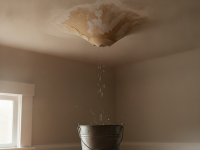
There are few homeowner woes as unsettling as discovering water stains or drips near your fireplace or ceiling, especially when your chimney is leaking during storms. The sound of rain on the roof, usually a comforting lullaby, can quickly turn into an anxious symphony of potential damage when accompanied by a persistent drip. A leaky chimney isn’t just an aesthetic nuisance; it’s a serious issue that can lead to significant structural damage, mold growth, and costly repairs if left unaddressed. Understanding why your chimney might be leaking and what steps you can take to prevent and fix these problems is crucial for maintaining the integrity and safety of your home.
From deteriorating masonry to faulty flashing, several culprits can turn your chimney into an unintended water feature. This comprehensive guide will delve into the most common reasons chimneys leak during storms, provide immediate actions to take when you spot a problem, and outline long-term solutions and preventative maintenance strategies to keep your home dry and secure for years to come. Don’t let a leaky chimney dampen your spirits or your home – equip yourself with the knowledge to tackle this common household challenge head-on.
Why Your Chimney Leaks During Storms: Common Culprits
When heavy rain or strong winds hit, a chimney that previously seemed sound can suddenly become a source of unwelcome water. Pinpointing the exact cause of a leak can be challenging, as several components work together to protect your chimney from the elements. Here are the most common reasons why your chimney might be leaking during storms:
Damaged Flashing
Perhaps the most frequent cause of a leaky chimney is compromised flashing. Flashing consists of thin sheets of metal (typically aluminum, copper, or steel) installed at the intersection where the chimney meets the roofline. Its purpose is to create a watertight seal, directing water away from this vulnerable joint. Over time, due to weather exposure, improper installation, or house settling, flashing can:
- Crack or Rust: Metal can corrode, crack, or separate, creating gaps for water entry.
- Lift or Dislodge: Strong winds can lift flashing, breaking the seal.
- Improper Installation: If not installed correctly with multiple overlapping layers and sealed appropriately, water can seep underneath.
Water from damaged flashing often manifests as stains on the ceiling or walls adjacent to the chimney, or even inside the firebox.
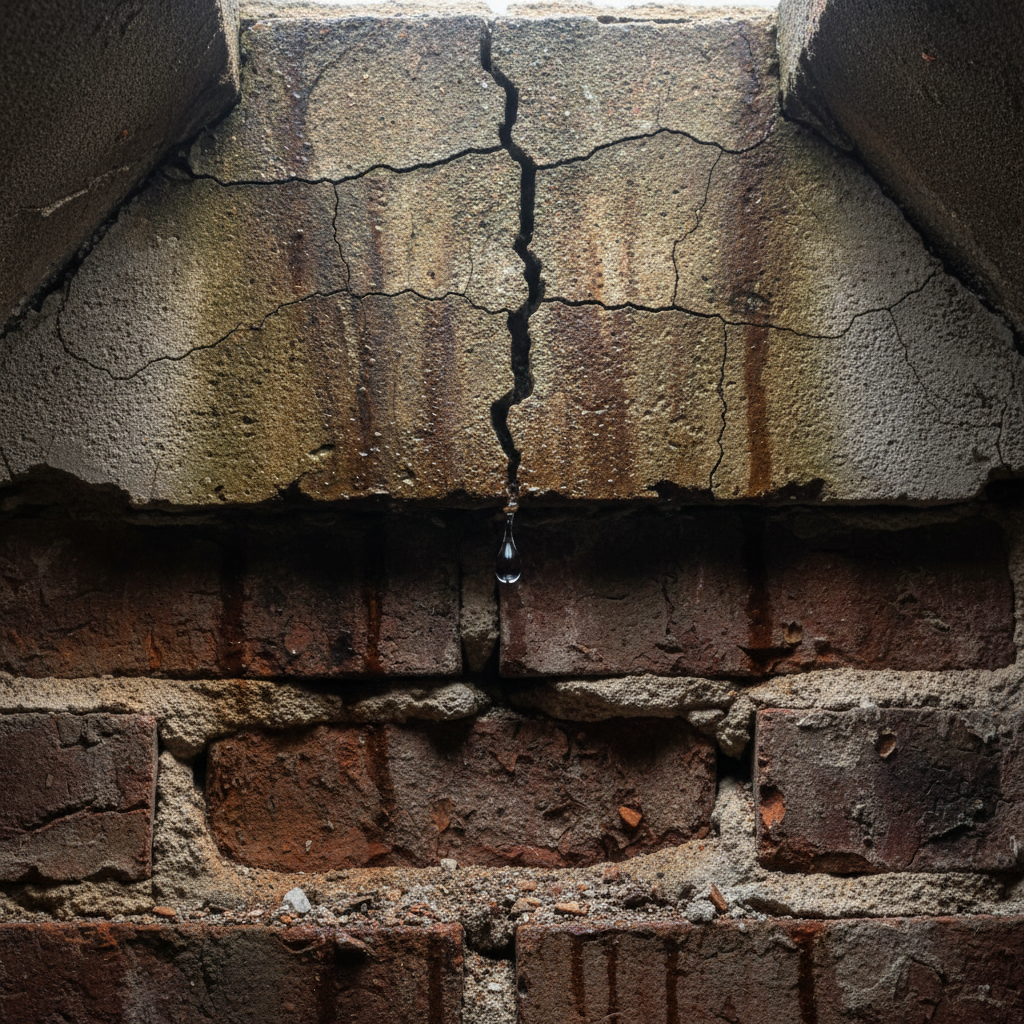
Cracked Chimney Crown
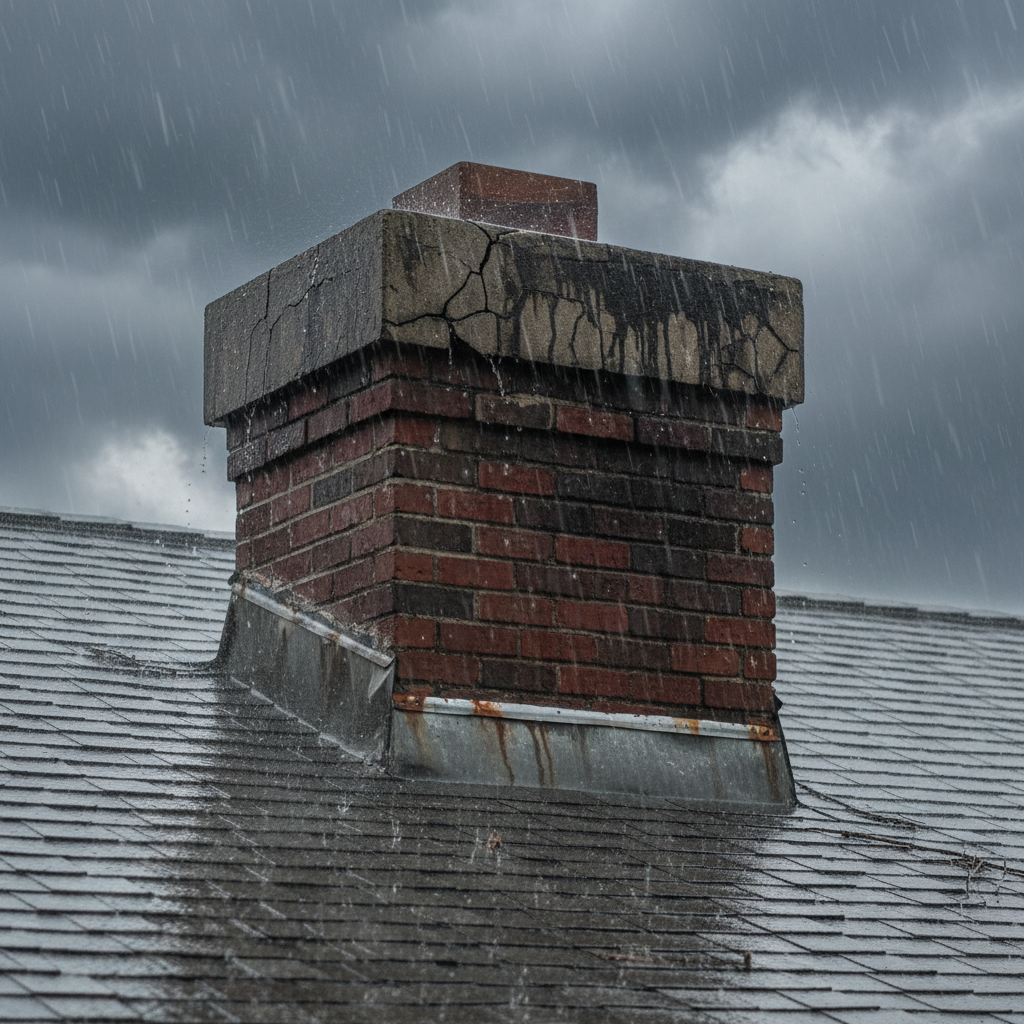
The chimney crown, sometimes called the wash, is the concrete or stone slab at the very top of the chimney stack. Its primary function is to cap the masonry walls and prevent water from seeping into the chimney structure from above. A properly constructed crown should slope slightly downwards, allowing water to run off the edges and away from the chimney flue and masonry.
However, extreme weather changes, freezing and thawing cycles, and general wear and tear can lead to:
- Hairline Cracks: Small cracks can develop, allowing water to penetrate the chimney’s interior masonry.
- Larger Fractures: More significant damage can allow considerable amounts of water to enter.
- Improper Overhang: If the crown doesn’t extend sufficiently beyond the chimney walls, water can run directly down the exterior masonry, saturating it.
Leaks from a damaged crown often result in water stains that appear directly over the fireplace opening or inside the firebox, as well as deterioration of the chimney’s upper masonry.
Deteriorated Mortar Joints and Masonry
The brick and mortar that make up your chimney are constantly exposed to harsh weather conditions, including rain, snow, ice, and sun. Over decades, this exposure takes its toll:
- Spalling Bricks: Bricks can absorb water, and if that water freezes, it expands, causing the brick face to break off (spall). Spalled bricks lose their protective outer layer and become highly porous, absorbing even more water.
- Crumbling Mortar Joints: Mortar, the binding material between bricks, can erode and crack over time. When mortar joints deteriorate, they become pathways for water to enter the chimney structure. This process is often exacerbated by acidic rain or freeze-thaw cycles.
Water seeping through deteriorated masonry and mortar can lead to widespread dampness within the chimney, eventually manifesting as stains on interior walls or ceilings far from the chimney itself, as well as efflorescence (white, powdery residue) on the chimney’s exterior.
Missing or Damaged Chimney Cap
A chimney cap, often overlooked, is a crucial component that sits atop the flue liner. Its main jobs are to:
- Keep Water Out: It acts like an umbrella, preventing rain and snow from falling directly into the flue.
- Prevent Animal Entry: It keeps birds, squirrels, and other critters from nesting in your chimney.
- Spark Arrestor: Many caps include a mesh screen that prevents sparks from escaping and hot embers from landing on your roof.
If your chimney cap is missing, damaged, or improperly sized, water can easily enter the flue, travel down the chimney, and cause leaks. This is particularly noticeable during heavy downpours.
Condensation (Less Common During Storms, But Related)
While not directly caused by a storm’s rainfall, excessive condensation can sometimes be mistaken for a leak, especially if it accumulates during damp weather. Condensation forms when warm, moist air from your home or combustion byproducts meets the cold surfaces of the flue. If your chimney liner is uninsulated, undersized, or if you’re burning wood improperly, condensation can build up, mix with creosote, and create a tar-like liquid that can seep through the chimney walls, mimicking a leak.
Roof Issues Near the Chimney
Sometimes, the chimney itself isn’t the problem, but rather the surrounding roof materials. Damaged, missing, or improperly installed shingles directly adjacent to the chimney can allow water to penetrate the roof deck. Because the chimney penetration is a weak point in the roof, any failure of the surrounding roofing materials will often manifest as a leak that appears to originate from the chimney.
It’s important to rule out general roof damage when diagnosing a chimney leak, as the solutions will differ significantly.
Immediate Steps When You Discover a Leak
Finding your chimney leaking during storms can be alarming. While you’ll need professional help for a permanent fix, there are immediate steps you can take to minimize damage and ensure safety:
Safety First
Water and electricity do not mix. If the leak is near electrical outlets, light fixtures, or appliances, turn off the power to that area at your home’s circuit breaker to prevent electrical hazards. Avoid touching wet areas if you suspect an electrical risk.
Contain the Water
Place buckets, towels, or plastic sheeting directly under the leak to catch the dripping water. If water is pooling on the floor or ceiling, try to absorb it quickly to prevent further damage to flooring, drywall, or furnishings. You can also gently puncture a sag in a wet ceiling (if it’s drywall and not plaster) with a screwdriver to allow the water to drain into a bucket, relieving pressure and potentially preventing a larger collapse.
Document the Damage
Take clear photos and videos of the leak, the water stains, and any damaged property. This documentation will be invaluable when discussing repairs with a professional chimney sweep or contractor, and potentially for insurance claims. Note the date and time you discovered the leak, and any specific weather conditions.
Long-Term Solutions and Prevention
Addressing a leaky chimney requires a thorough diagnosis and proper repair. Attempting DIY fixes without proper knowledge can often lead to more extensive and costly problems down the line. Here are the long-term solutions and preventative measures:
Professional Chimney Inspection and Repair
The first and most critical step is to schedule a professional chimney inspection. A certified chimney sweep or mason can accurately identify the source of the leak and recommend the most effective repairs. They have specialized tools and expertise to assess areas you can’t see, such as the condition of the flue liner and internal masonry. According to Better Homes & Gardens, regular chimney maintenance, including inspections, is key to preventing major issues.
Flashing Repair or Replacement
If damaged flashing is the culprit, a professional will either repair the existing flashing (if minor damage) or completely replace it. This involves carefully removing old flashing, installing new metal layers (often step and counter-flashing), and sealing them properly with high-quality roofing cement or silicone sealant. Proper installation is critical to ensure a long-lasting, watertight seal.
Chimney Crown Repair or Rebuilding
For cracked chimney crowns, repair options depend on the severity of the damage:
- Minor Cracks: Can sometimes be sealed with a flexible, waterproof crown sealant designed for chimneys.
- Extensive Cracks or Deterioration: The old crown may need to be completely removed and a new one poured or installed. New crowns should be constructed with a proper overhang and a slight slope to ensure water sheds effectively.
Repointing Mortar Joints
If crumbling mortar is the issue, the process called repointing (or tuckpointing) is necessary. This involves grinding out the deteriorated mortar to a consistent depth and then replacing it with fresh mortar that matches the original in color and composition. Repointing not only stops water infiltration but also strengthens the overall chimney structure, significantly extending its lifespan.
Installing or Replacing a Chimney Cap
A missing or damaged chimney cap should be replaced immediately. Ensure the new cap is made of durable material (stainless steel or copper are good choices), is properly sized for your flue, and securely attached. A good cap will provide excellent protection against rain and animal intrusion.
Chimney Waterproofing
Once the structural repairs are complete (flashing, crown, mortar), applying a breathable, waterproof sealant to the exterior masonry can provide an extra layer of protection. These sealants allow the chimney to “breathe” (release trapped moisture) while preventing liquid water from penetrating, making the masonry more resistant to water absorption and freeze-thaw damage. It’s crucial to use a product specifically designed for chimneys, as regular paint or sealants can trap moisture and cause more harm than good.
Addressing Roof Problems
If the leak is traced to damaged roofing materials around the chimney, these must be repaired or replaced by a qualified roofing contractor. This might involve replacing damaged shingles, ensuring proper underlayment, and checking for adequate attic ventilation to prevent ice damming or condensation issues that could mimic a chimney leak.
The Importance of Regular Chimney Maintenance
Preventative maintenance is the best defense against a leaky chimney. Annual inspections by a certified chimney sweep are paramount. During these inspections, professionals can identify potential weaknesses, such as hairline cracks in the crown, minor flashing separation, or early mortar deterioration, before they escalate into major leaks. Regular cleaning also ensures that creosote buildup, which can combine with moisture to form corrosive acids, is removed, protecting the flue liner and internal masonry.
Beyond professional inspections, homeowners can periodically perform visual checks from the ground: look for missing chimney caps, visible cracks in the crown or masonry, and any signs of rust or detachment in the flashing. Catching these issues early can save you thousands in repair costs and prevent extensive water damage to your home.
When to Call a Professional Chimney Sweep or Mason
While some homeowners are comfortable with minor DIY tasks, chimney repair is best left to certified professionals. You should call a professional if:
- You notice any signs of a leak: Water stains, drips, or dampness around your chimney or fireplace.
- You see visible damage: Cracked bricks, crumbling mortar, a damaged crown, or lifted flashing.
- You are unsure of the leak’s source: Professionals have the tools and expertise to accurately diagnose hidden problems.
- You require work on the roof: Working on roofs, especially around chimneys, can be dangerous and requires specialized safety equipment and techniques.
- Your chimney has not been inspected in over a year: Regular inspections are vital for preventing serious issues.
A qualified chimney professional will provide a detailed assessment, explain the necessary repairs, and ensure the work is done to industry standards, guaranteeing the safety and longevity of your chimney system.
FAQs About Chimney Leaks
Q1: Can a chimney leak cause structural damage?
Absolutely. Untreated chimney leaks can saturate the wooden framing around the chimney, leading to rot and weakening the structure of your home. They can also damage ceilings, walls, and flooring, and promote the growth of mold and mildew, which can have health implications.
Q2: How much does it cost to fix a leaky chimney?
The cost varies widely depending on the cause and extent of the damage. Minor repairs like sealing small cracks or reattaching flashing might cost a few hundred dollars. More extensive work, such as flashing replacement, repointing, or rebuilding a chimney crown, can range from $1,000 to several thousand dollars. Always get multiple quotes from certified professionals.
Q3: Is it safe to use my fireplace if my chimney is leaking?
It is generally not recommended to use your fireplace if your chimney is actively leaking. Water can mix with creosote, creating a corrosive and potentially dangerous sludge. Furthermore, if the leak has compromised the structural integrity of the flue or chimney liner, using the fireplace could pose a fire hazard or lead to carbon monoxide leaks into your home. It’s best to have the issue resolved before resuming use.
Q4: How often should I have my chimney inspected?
The Chimney Safety Institute of America (CSIA) recommends that chimneys be inspected annually by a qualified professional. This applies whether you use your fireplace frequently or not, as weather exposure alone can cause deterioration.
Q5: Can I fix a chimney leak myself?
While you might be able to temporarily patch a very minor leak with roofing cement, true and lasting chimney repair requires specialized skills, tools, and knowledge. Working on a roof can also be dangerous. For lasting solutions and to ensure the safety and structural integrity of your chimney, it’s always best to hire a certified chimney sweep or mason.
Conclusion
A chimney leaking during storms is more than just an inconvenience; it’s a clear warning sign that your home’s defenses against the elements are compromised. Ignoring these leaks can lead to escalating damage, costly repairs, and potential health hazards from mold. By understanding the common causes—from damaged flashing and cracked crowns to deteriorated mortar—and by taking prompt action, you can protect your home’s structural integrity and ensure its longevity.
Remember, regular professional inspections are your best preventative measure. Investing in proper maintenance and timely repairs will not only resolve existing leaks but also give you peace of mind, allowing you to enjoy the comfort and warmth of your home without the unwelcome drip of a leaky chimney. Don’t wait for the next storm; address your chimney’s health today.