The Alarming Truth: Why Your Chimney Leaks During Storms
A chimney is a complex structure exposed to the elements year-round. Over time, various components can deteriorate, creating vulnerabilities that allow water to penetrate your home, especially during intense storms. Pinpointing the exact source of a leak can be challenging, but these are the most common culprits:
Deteriorated Chimney Crown
The chimney crown is the concrete slab at the very top of your chimney, designed to shed water away from the flue and masonry. If the crown develops cracks due to weathering, freezing and thawing cycles, or improper construction, water can seep through these fissures and into the chimney structure, eventually making its way indoors.
Failing Flashing
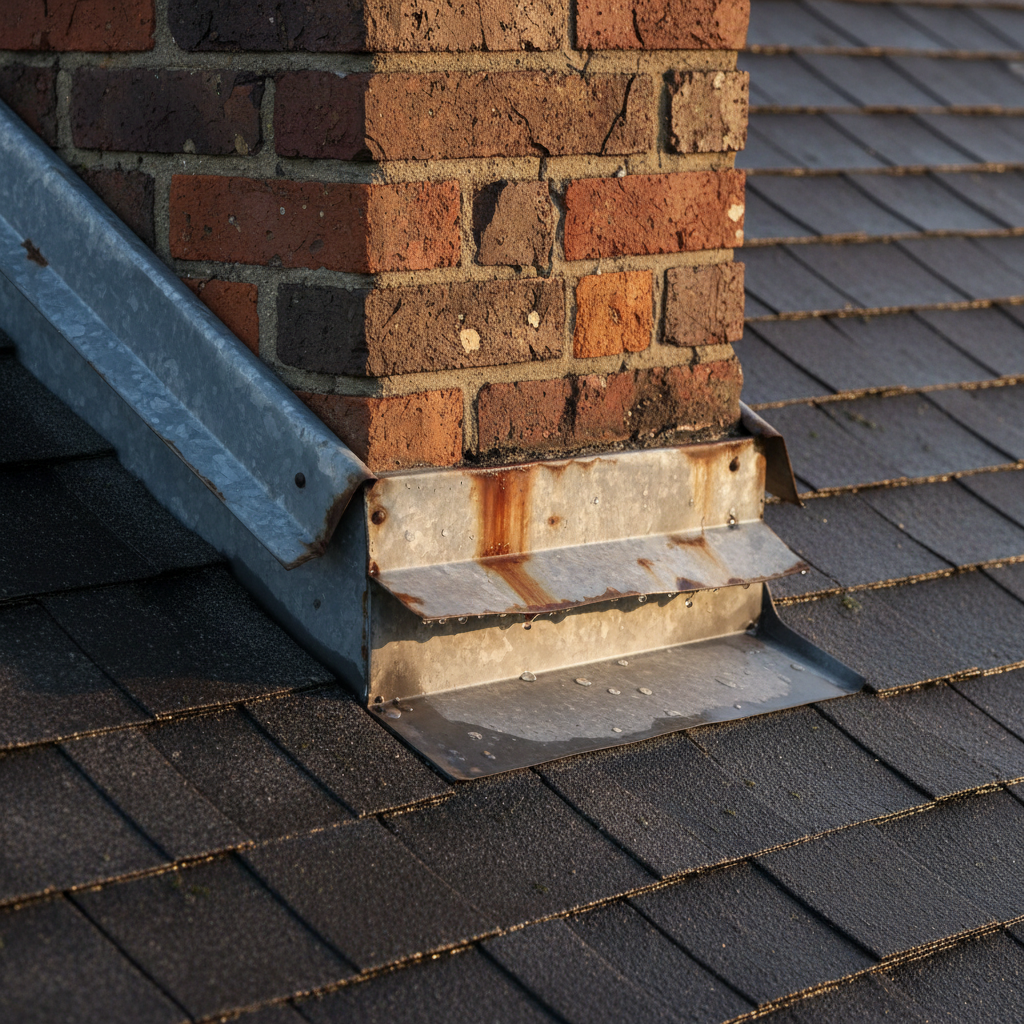
Flashing is the sheet metal, typically aluminum or copper, that creates a watertight seal where your chimney meets the roofline. It’s installed in overlapping layers, directing water down the roof. If the flashing becomes bent, rusted, lifted, or was improperly installed, water can easily penetrate the gap between the chimney and the roof, leading to significant leaks during heavy downpours.
Damaged Masonry and Mortar Joints
The bricks and mortar that make up your chimney’s structure are constantly exposed to rain, wind, and temperature fluctuations. Over decades, mortar can erode and crack, creating pathways for water to enter. Bricks themselves can also become porous or spall (flake and peel), especially if they’re not intended for exterior use or have been subjected to repeated moisture saturation and freeze-thaw cycles. This allows water to be absorbed into the chimney and travel downwards.
Condensation Issues (Often Mistaken for Leaks)
Sometimes, what appears to be a leak is actually condensation. Modern high-efficiency furnaces and water heaters can produce cooler exhaust gases that condense inside the chimney flue, especially if the flue is oversized or unlined. This acidic condensate can mimic a leak, staining walls and damaging the flue liner. While not an external leak, it still causes significant water damage and indicates a ventilation problem.
Missing or Damaged Chimney Cap
The chimney cap sits atop the flue, acting as a hat for your chimney. Its primary purpose is to prevent rain, snow, debris, and animals from entering the flue. If your chimney lacks a cap or if the existing one is damaged, broken, or has rusted through, rainwater can pour directly down the flue and into your firebox or walls, manifesting as a severe leak.
Compromised Chimney Liner
Inside your chimney, a liner (made of clay tiles, metal, or cast-in-place material) guides exhaust gases safely out of your home. If this liner is cracked, corroded, or damaged, it can allow water that enters the flue (e.g., from a missing cap or cracked crown) to seep through to the masonry behind it, eventually reaching your interior walls.
Roof Issues Near the Chimney
While often attributed to the chimney itself, sometimes the source of the leak is a problem with the surrounding roof shingles or decking. Damaged, missing, or improperly installed shingles adjacent to the chimney can allow water to bypass the flashing and enter your home. Problems with the underlying roof membrane can also be a factor.
Identifying the Culprit: Signs of a Leaky Chimney
Catching a chimney leak early can save you from extensive repairs and health hazards. Be vigilant for these tell-tale signs, especially after a heavy storm:
Visible Water Stains (Ceiling, Walls, Fireplace)
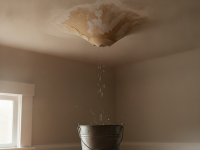
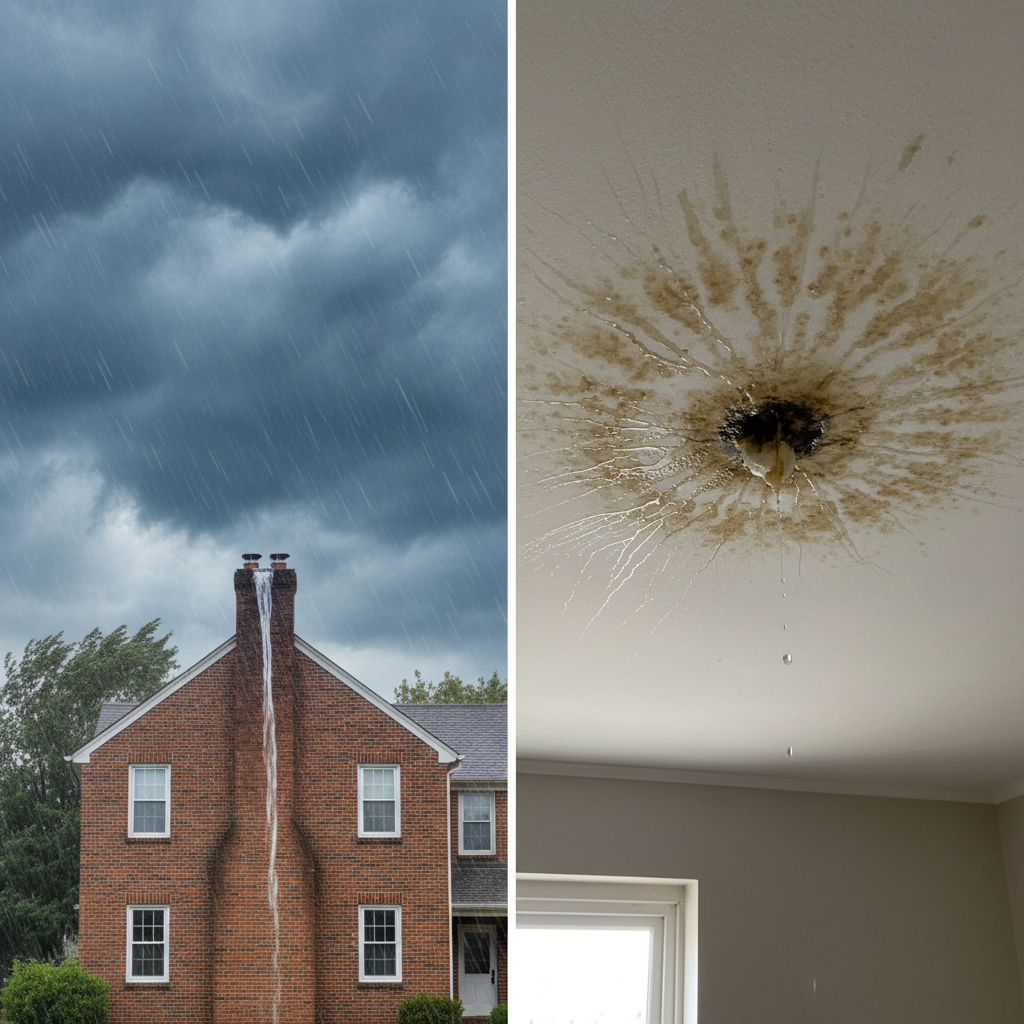
This is the most obvious indicator. Look for brown, yellow, or rust-colored stains on the ceiling around your chimney, on walls adjacent to the chimney chase, or directly inside the firebox. Stains that appear and grow after rain are a clear sign of water intrusion.
Musty Odors and Mold Growth
Persistent dampness creates an ideal environment for mold and mildew. If you notice a musty, earthy smell coming from your fireplace or within rooms near the chimney, it’s a strong indicator of hidden moisture and potential mold growth. Black, green, or white fuzzy patches on walls, ceilings, or the fireplace masonry are undeniable signs of mold.
Damaged Firebox Components
Look inside your firebox. If the damper or firebox walls show signs of rust, corrosion, or efflorescence (white powdery residue), water is likely entering and pooling in this area.
Rust in the Fireplace
Any metal components in your fireplace, such as the grate, damper, or even fireplace tools, can develop rust if they are consistently exposed to moisture from a leak. This is a clear sign that water is present where it shouldn’t be.
Efflorescence (White Stains on Masonry)
Efflorescence is a white, powdery, crystalline deposit that appears on the surface of masonry. It occurs when water containing dissolved salts penetrates the brick or mortar, then evaporates, leaving the salt residue behind. While not always a leak, it indicates moisture presence and can point to a larger issue.
Dampness or Dripping Sounds
During or immediately after a storm, listen for dripping sounds coming from inside your chimney or walls. Feel for damp spots on your interior walls, especially those adjacent to the chimney structure.
DIY Inspection vs. Professional Help: When to Call the Experts
While some preliminary checks can be done by homeowners, chimney repairs often require specialized knowledge and equipment. Knowing when to call a professional is key.
What You Can Safely Check Yourself
- Interior Visual Check: Inspect your firebox, damper, and the ceiling/walls around the chimney for stains, rust, or mold.
- Exterior Ground-Level Check: From the ground, use binoculars to look for obvious damage to the chimney cap, crown, or visible masonry. Look for missing or loose flashing sections where the chimney meets the roof.
- Attic Inspection: If safe and accessible, check the attic space around the chimney chase for water stains on wood framing or insulation.
For more detailed insights into overall home maintenance that includes checks for potential leaks, homeowners can consult resources like Good Housekeeping’s home maintenance checklists, which offer valuable advice on preventative care.
The Critical Role of a Certified Chimney Sweep
For anything beyond a superficial glance, professional help is essential. A certified chimney sweep or chimney repair specialist has the tools and expertise to perform a thorough inspection, including:
- Ladder Access: Safely accessing the rooftop for close-up examination of the chimney crown, cap, and flashing.
- Chimney Camera Inspection: Using specialized cameras to inspect the interior of the flue liner for cracks, blockages, or other damage that wouldn’t be visible from the firebox.
- Water Test: In some cases, a professional might perform a water test, carefully applying water to different sections of the chimney to pinpoint the exact entry point of the leak.
- Expert Diagnosis: Correctly identifying the specific cause (or causes) of the leak, which can often involve multiple issues working in tandem.
Attempting significant chimney repairs yourself, especially involving roof access, can be dangerous and may lead to further damage if not done correctly. Professionals are trained to ensure safety and provide lasting solutions.
Proactive Solutions: Preventing Chimney Leaks Before Storms Hit
Prevention is always better than cure. Regular maintenance and proactive measures can significantly reduce your chances of experiencing a chimney leak.
Regular Chimney Inspections and Cleaning
Schedule annual inspections with a certified chimney sweep. They can identify minor issues like hairline cracks in the crown or deteriorating mortar joints before they become major leaks. Cleaning also removes creosote buildup, which can contribute to other chimney problems.
Investing in a Quality Chimney Cap
A durable, properly installed chimney cap is your first line of defense against rain. Ensure it’s made of stainless steel or copper for longevity and that it fits securely over the flue opening, providing adequate overhang to protect the crown.
Maintaining Your Chimney Crown
Inspect your chimney crown regularly for cracks. Small cracks can often be sealed with a specialized crown sealant. For larger cracks or severe deterioration, a professional might need to repair or replace the entire crown with a properly sloped, watertight concrete slab.
Inspecting and Repairing Flashing
During roof inspections, pay close attention to the flashing around your chimney. Look for any signs of lifting, bending, rust, or missing caulk. Minor issues might be addressed with high-quality roofing cement or sealant, but damaged or improperly installed flashing often requires replacement by a roofing professional.
Waterproofing Masonry
Applying a breathable, siloxane-based water repellent to your chimney’s exterior masonry can protect porous bricks and mortar from absorbing water. Unlike paint, these sealants allow the masonry to breathe while repelling water, preventing internal moisture buildup that can lead to freeze-thaw damage.
Addressing Roof Health Around the Chimney
Ensure the shingles surrounding your chimney are in good condition, lying flat, and properly secured. Replace any damaged or missing shingles promptly. Good roof maintenance extends the life of your entire roofing system and helps prevent leaks.
Repairing a Leaking Chimney: What to Expect
Once the source of the leak is identified, your professional will recommend the appropriate repairs. Here’s what some common repairs entail:
Flashing Repair/Replacement
If the flashing is the culprit, it may need to be repaired or entirely replaced. Step flashing (individual pieces woven into the shingle layers) and counter flashing (bent into the chimney mortar joints) must be installed correctly to create a robust, watertight seal. This is a critical repair that should be done by experienced roofers or chimney professionals.
Chimney Crown Repair/Replacement
For minor cracks, a flexible, waterproof crown sealant can be applied. If the crown is severely cracked, crumbling, or improperly sloped, it may need to be completely rebuilt using a proper concrete mix with an overhang (drip edge) to shed water effectively.
Masonry Repair (Tuckpointing)
When mortar joints deteriorate, the solution is often tuckpointing. This involves grinding out the old, damaged mortar and replacing it with fresh mortar, matching the original color and composition as closely as possible. This restores the structural integrity and water resistance of the chimney.
Chimney Cap Installation
If you don’t have a cap or your existing one is damaged, installing a new, well-fitted stainless steel or copper chimney cap with a mesh screen will prevent rain from entering the flue and keep out animals and debris.
Liner Repair or Replacement
A damaged flue liner, especially one affected by condensation, might require repair using a specialized sealing process or complete replacement with a new stainless steel liner or a cast-in-place system. This is a complex repair crucial for both water management and safe appliance venting.
The Long-Term Impact of Neglecting a Leaky Chimney
Ignoring a chimney that is leaking during storms can lead to a cascade of problems that are far more costly and dangerous than the initial repair.
Structural Damage
Constant moisture exposure can weaken the mortar and brick, leading to spalling (flaking of bricks), bowing, or leaning of the chimney structure. This compromises the structural integrity of your entire home and can be very expensive to fix.
Health Risks (Mold, Indoor Air Quality)
Damp environments promote mold and mildew growth. Mold spores can spread throughout your home, triggering allergies, respiratory issues, and other health problems for occupants, especially those with pre-existing conditions.
Reduced Home Value
Visible water damage, mold, and structural issues stemming from a neglected leak can significantly decrease your home’s appeal and market value, making it harder to sell in the future.
Increased Repair Costs
What starts as a small crack or a minor flashing issue can escalate into major repairs involving extensive masonry work, roof replacement, or interior drywall and insulation replacement if water damage spreads. Addressing the problem early is always the most economical solution.
A chimney leaking during storms is more than just an inconvenience; it’s a warning sign that shouldn’t be ignored. By understanding the common causes, recognizing the signs, and taking proactive steps for maintenance and timely repairs, you can protect your home from water damage, maintain its value, and ensure a safe and cozy environment for years to come. Don’t wait for the next storm to reveal a hidden leak—take action today to safeguard your chimney and your home.
Frequently Asked Questions About Chimney Leaks
What causes a chimney to leak when it rains heavily?
A chimney leaks during heavy rain primarily due to failures in its protective components. Common causes include cracks in the chimney crown (the top concrete slab), damaged or improperly installed flashing (the metal seal where the chimney meets the roof), deteriorated mortar joints and porous bricks, a missing or damaged chimney cap, or issues with the roof itself surrounding the chimney.
How much does it cost to fix a leaky chimney?
The cost to fix a leaky chimney varies widely depending on the cause and extent of the damage. Simple repairs like sealing minor crown cracks or re-caulking flashing might range from a few hundred dollars. More extensive work such as full flashing replacement, tuckpointing (mortar repair), crown rebuilding, or liner replacement can cost anywhere from $1,000 to several thousand dollars. Getting multiple quotes from certified professionals is recommended.
Can a leaky chimney cause a fire?
While a leak itself doesn’t directly cause a fire, the underlying issues that lead to leaks can pose fire hazards. For example, a damaged flue liner that allows moisture to saturate surrounding masonry can accelerate creosote buildup, which is highly flammable. Also, structural damage from prolonged water exposure could weaken the chimney, making it less stable and potentially unsafe for venting combustion byproducts.
Is a leaky chimney dangerous?
Yes, a leaky chimney can be dangerous. Beyond the risk of structural damage to your home, persistent moisture can lead to mold and mildew growth, which negatively impacts indoor air quality and can cause respiratory issues for occupants. Additionally, a compromised chimney structure or liner can affect the safe operation of your fireplace or heating appliances, potentially allowing carbon monoxide or other hazardous gases to enter your home.
How often should I have my chimney inspected?
The Chimney Safety Institute of America (CSIA) recommends that chimneys serving wood-burning appliances be inspected annually by a certified chimney sweep. Even if you don’t use your fireplace frequently, an annual inspection is crucial to catch deterioration, water intrusion, and other issues early, helping prevent costly repairs and ensuring safety.